
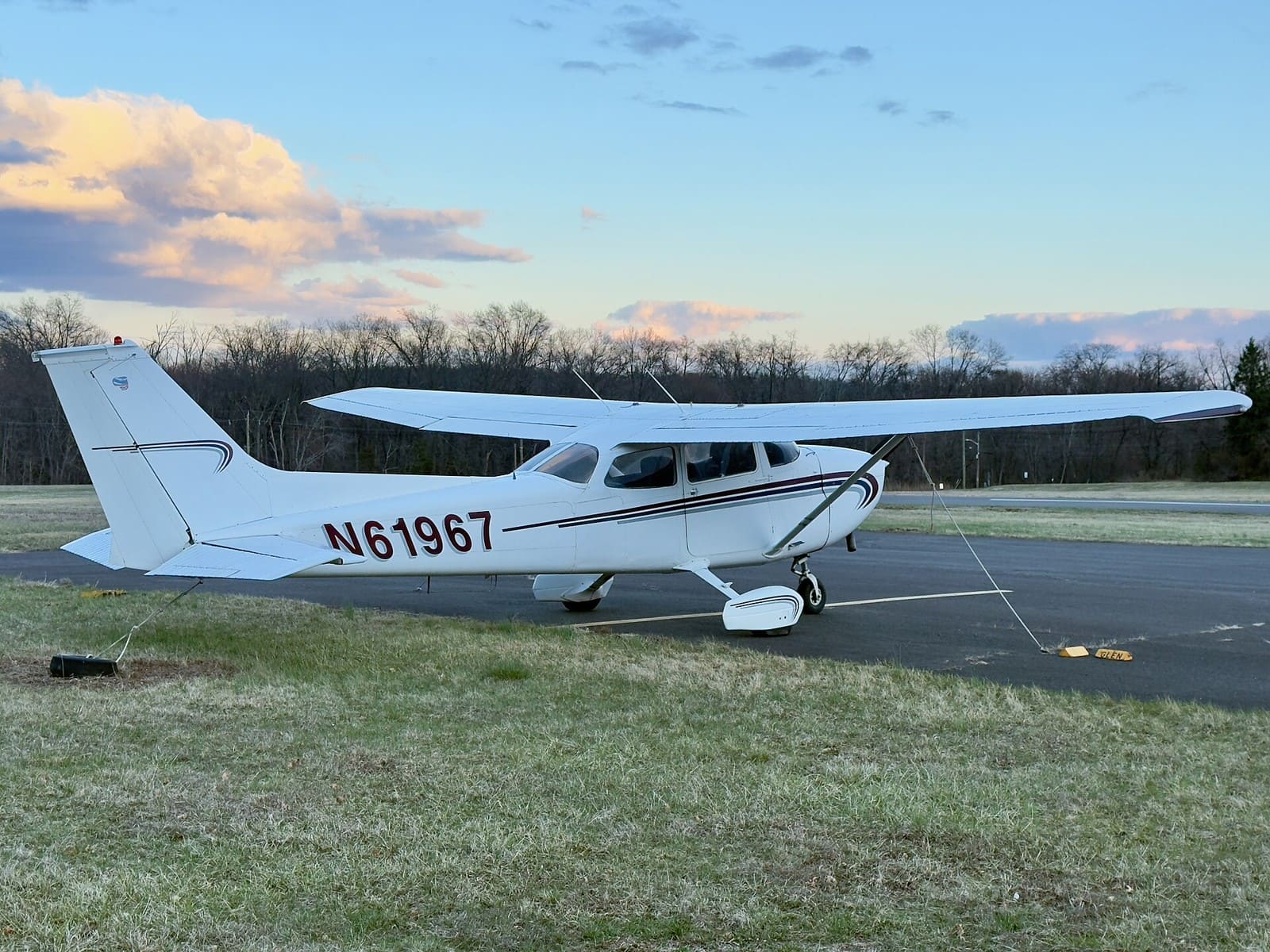
If you rent or borrow aircraft from a flight school, flying club or private owner, aircraft renters insurance is a way to address specified nonowned aircraft liability exposures. Eligibility and protection depend on your role, the aircraft, its use and the policy terms.
But how much does it really cost? What determines your rate? And which coverages are actually worth paying for?
BWI is a family-owned aviation insurance agency established in 1977. This guide explains how to compare actual renters insurance quotes without confusing a low premium with the coverage your flying and rental agreement require.
1. What Is Aircraft Renters Insurance?
Aircraft renters insurance, also called personal nonowned aircraft insurance, addresses specified liability of an insured pilot using eligible aircraft the pilot does not own. The policy’s ownership definitions, insured persons, permitted uses and aircraft qualifications matter; a club membership, borrowed aircraft or instruction arrangement needs its own review.
Review the liability coverages actually offered:
- Bodily injury and property damage liability – Review the insured pilot’s covered legal liability, limits, any passenger sublimits, defense provisions and exclusions.
- Nonowned aircraft damage liability, if selected – Review insured legal liability for damage to an eligible nonowned aircraft, its separate limit, deductible and exclusions. This is not the owner’s hull policy or an automatic direct repair payment.
Get Your Aircraft Renters Insurance Quote With BWI Today>>
2. Comparing Aircraft Renters Insurance Quotes
Use a current written quote for your circumstances. Compare the same coverage limits, deductible, insured role, eligible aircraft and policy period; this guide does not establish a national average or a premium for your application.
| Quote option | Premium to compare | Terms to check |
| Liability without aircraft damage liability | Actual written premium for the offered limits | Bodily injury/property damage definitions, passenger sublimits and exclusions |
| Liability with nonowned aircraft damage liability | Actual premium with the selected aircraft damage liability limit | Separate limit, deductible, insured liability trigger and eligible aircraft |
| Alternative limits or aircraft eligibility | An actual alternative quote, if available | Whether the same role, aircraft category, use and policy period apply |
The quoted premium is meaningful only alongside its terms. A nonowned aircraft damage liability limit is not the aircraft’s insured hull value, and the phrase “full coverage” does not identify a policy’s exclusions or maximum payment.
3. The Main Factors That Affect Your Cost
- Pilot experience and ratings – Provide accurate certificates, ratings and experience; do not assume a rating automatically earns a discount.
- Aircraft and use – Identify the aircraft category and intended flying; confirm eligibility instead of assuming a higher-value aircraft is included.
- Coverage limits – Compare the offered liability and aircraft damage liability limits; no proportional pricing formula is assumed.
- Flying activity – Disclose intended use accurately; ask how the available program treats it rather than assuming a usage surcharge.
- Loss history – Answer application questions accurately; no universal percentage surcharge or fixed rating period is established here.
4. What You’re Paying For
Review these items in the actual proposal. Do not assume the premium is divided into fixed percentages for coverage, defense or administration:
| Proposal item | What it means | What to verify |
| Liability coverage | Specified insured legal liability for bodily injury/property damage | Limits, sublimits, exclusions and insured persons |
| Nonowned aircraft damage liability | Separate coverage for insured liability for damage to an eligible nonowned aircraft, if selected | Limit, deductible, ownership definitions and liability trigger |
| Legal defense | Defense obligations stated in the policy, not a fixed percentage of premium | Whether defense expenses are within or outside limits and applicable conditions |
| Premium, fees and payment terms | The actual quoted charges and payment arrangement | Total payable, policy period, any disclosed fees and cancellation/refund terms |
5. Limits, Roles and Eligibility to Review
- Liability limits – Compare the limits and passenger sublimits actually offered; no limit makes coverage unrestricted.
- Insured persons and permitted uses – Confirm whose liability is insured and whether the intended flying fits the policy definitions.
- Flight instruction – Use the dedicated CFI review/application route; do not assume personal renters insurance automatically covers instruction.
- Rotorcraft or other aircraft categories – Request specific eligibility review; do not assume a standard airplane policy can add every category by endorsement.
6. Cost Comparison: Renters Insurance vs. Paying Out-of-Pocket
Careful or infrequent flying does not determine legal responsibility or establish insurance coverage. Consider these hypothetical questions without assuming that a repair bill automatically becomes a covered claim:
- Scenario: A rented aircraft is damaged while being used by a renter.
- Responsibility: Review the facts and rental agreement; the repair estimate alone does not establish the renter’s insured legal liability.
- Insurance: Check whether nonowned aircraft damage liability was selected and whether the insured person, aircraft, use, limits and conditions fit.
- Scenario: A demand alleges damage to a hangar as well as the aircraft.
- Responsibility: Distinguish damage to third-party property from damage to the aircraft being rented.
- Insurance: Report the demand under the policy conditions; separate limits, exclusions and defense provisions may apply. No complete payment is promised.
7. How to Compare Cost Without Losing Needed Coverage
- Provide accurate application information so the quote reflects your actual role, aircraft and use.
- Keep flight experience and any requested training records current; ask whether an actual credit is available.
- Compare offered deductibles alongside the amount you could retain; do not assume a particular percentage saving.
- If you also own or instruct in aircraft, disclose those roles and compare the appropriate policies separately; no bundle discount is assumed.
- Compare the actual policy period, payment terms and any cancellation/refund provisions; do not assume low usage changes the price.
8. Hypothetical Rental Agreement Review
Hypothetically, a renter is asked to pay for damage discovered after a flight. The renter should preserve the rental agreement and flight records and report the demand through the policy’s claims channel. The insurer must assess insured status, responsibility, the alleged damage and the policy terms. A selected nonowned aircraft damage liability limit does not promise the owner’s repair bill will be paid in full, and an owner’s hull payment does not by itself settle the renter’s responsibility.
9. Why Choose BWI
- Family-owned aviation insurance agency established in 1977.
- A published personal nonowned aircraft quote route.
- A separate application route for flight instructors.
- A team available to discuss pilot experience, aircraft and intended use.
- Contact options for quote and policy questions; confirm binding before treating coverage as effective.
10. The Bottom Line
Compare an actual renters insurance quote with your insured role, permitted aircraft and use, liability limits, aircraft damage liability terms, deductible and rental agreement. Neither a low annual premium nor a coverage label establishes that every claim or contractual obligation is insured.
Use BWI’s personal nonowned or CFI application route as appropriate, and ask about any ownership or operating arrangement that needs clarification. Coverage is not effective until BWI confirms binding in writing.
Get your renters insurance quote today at BWI Aviation Insurance.
Continue Reading

