

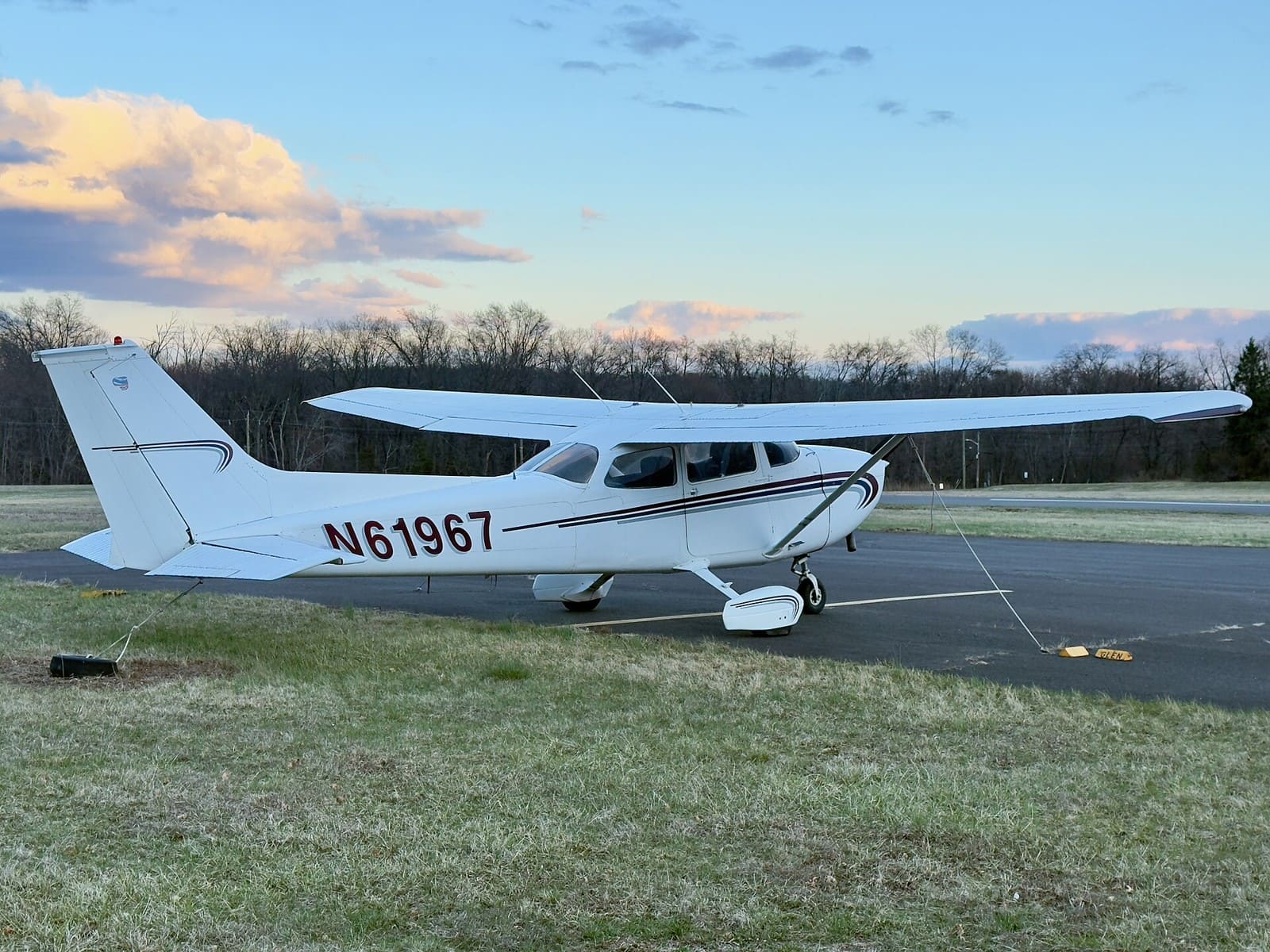
Aircraft title insurance, registration, a title search and aircraft hull insurance answer different questions. When buying or financing an airplane, identify which document or service is intended to address ownership records, a possible title defect, aircraft damage or operational liability. A completed step in one area should not be treated as confirmation that all the others are settled.
For the buyer, the useful starting point is a map of the actual aircraft, purchaser, seller, lender and advisers. Ask the responsible professionals what has been reviewed, which documents support the answer and what remains outstanding. Keep the insurance discussion consistent with the ownership and timing of the actual transaction.
This guide organizes questions to discuss with appropriately qualified title, legal and insurance professionals. It does not certify clear title, prescribe a closing procedure or announce a BWI aircraft title insurance product. BWI’s aircraft insurance review concerns the protection available for the disclosed aircraft and operation; a title inquiry may require a separate specialist.
Identify What You Mean by Aircraft Title Insurance
Begin by asking what is actually being offered. Is the document a report on ownership records, an escrow service agreement, a proposed insurance contract or another transaction document? A business offering several services may discuss them together, but each service and any issued insurance should remain separately identified.
The NAIC’s insurance glossary describes title insurance in terms of protection against losses from certain undiscovered title defects existing when the policy is issued. That general description is a starting point, not the wording of an aircraft product or a determination that a particular defect is insured.
Request the actual proposal and identify the insured interest, property description and relevant parties. If there is no insurance proposal, do not label a search report as an insurance policy. If a specialist product is being considered, ask the responsible licensed professional to explain its scope, conditions and availability.
Keep Registration Separate From a Title Review
The FAA maintains aircraft registration information and an aircraft records system. Those official resources have their own purpose and procedures. A registration entry should not be used as a substitute for the title and legal review appropriate to the actual purchase or financing arrangement.
The FAA’s clear title guidance explains that qualifying ownership and security documents can be recorded and that the Aircraft Registration Branch does not perform title searches. It also notes the role of state law in lien and security interests. Obtain the appropriate qualified review rather than expecting an insurance quote to resolve those subjects.
For the insurance submission, provide accurate ownership and proposed transaction information. If registration or documentation changes are pending, identify them clearly. Do not describe the buyer as the current owner or a proposed acquisition as completed merely to simplify an application.
Distinguish a Search Result From an Insurance Contract
A search report concerns the records and scope of the work performed. An insurance contract concerns the protection actually issued under its terms. Ask the relevant professional what each document confirms and what qualifications or limits apply. The existence of one does not automatically establish the existence of the other.
Identify the aircraft and any other property included in the search or proposal. An airplane, engine or other interest may require a specific description in transaction documents. Do not assume that a report using a familiar aircraft name addresses every separately described item in the purchase agreement.
Keep the date and status of the review visible. A preliminary report, a request for additional information and final accepted documents should not all be labeled cleared. Ask what remains to be done and who is responsible for confirming the next step under the actual agreement.
Map the Documents in an Aircraft Purchase
| Document or service | Main review question | Keep separate from |
|---|---|---|
| Registration information | What official registration records and procedures apply? | A complete legal title opinion or insurance promise |
| Title search or record review | What records and interests were examined? | An issued policy protecting a defined title interest |
| Title insurance proposal | What defects interests and conditions does it address? | Aircraft physical damage and operating liability |
| Purchase agreement | What property parties and obligations are agreed? | Confirmation that every promise is insured |
| Escrow arrangement | What instructions and responsibilities govern the service? | A universal guarantee of transaction completion |
| Aircraft hull proposal | What aircraft property interest and loss terms are offered? | A conclusion about ownership validity or lien priority |
| Lender requirements | What evidence and status does the lender request? | Automatic protection for every buyer or related entity |
Describe the Buyer Seller and Financial Interests Accurately
Use the actual legal names of the parties and identify who is authorized to act for them. If a company, trust or other arrangement is involved, supply the information requested by the responsible professionals. A personal contact name should not obscure the purchaser or insured entity.
Identify the lender, any relevant security interest and the requirements submitted for review. An owner’s interest and a lender’s interest should not be assumed identical. Ask which actual documents address each party and what confirmation the lender needs for the proposed transaction.
If the ownership arrangement changes during negotiations, communicate it to the relevant advisers and insurance contact. Do not rely on a proposal prepared for an individual when the accepted purchaser is a different entity. Keep the final record consistent across the transaction and requested aircraft insurance.
Ask Which Aircraft and Property the Review Covers
Check the identifiers and property description in the purchase documents, search materials and proposed insurance. Where information differs, have the responsible professional resolve it rather than choosing the version that looks most familiar. A clear description helps prevent an answer about one interest from being applied to another.
If additional engines, spare equipment or other property are included in the transaction, identify them explicitly where relevant. Ask what the actual search or insurance scope includes. An aircraft price alone does not describe every item or establish the treatment of separately owned property.
Keep technical condition review with qualified aviation professionals. Records relating to ownership and security interests are not a substitute for assessing aircraft condition, maintenance or airworthiness. Likewise, a satisfactory technical inspection should not be described as confirmation of clear legal title.
Review Exceptions and Conditions in an Actual Proposal
If a title insurance proposal is available, obtain the complete relevant wording and identify the interests it is intended to protect. Ask about exceptions, exclusions, conditions and the effective point of the proposed protection. A brief assurance that title is insured should not replace a review of those provisions.
Provide known issues through the appropriate process and ask the responsible professional how they affect the proposal. Do not assume a disclosed dispute, document gap or recorded interest is insured merely because insurance has been requested. Retain the actual response and any accepted changes.
Have legal interpretation handled by an appropriately qualified adviser. This guide does not determine the validity of a lien, priority between interests or the legal effect of a document. The insurance comparison should record what is actually offered without presenting a general explanation as a legal opinion.
Coordinate Title Questions With Aircraft Hull Coverage
The aircraft hull submission should identify the proposed owner, aircraft, value and intended operation requested for underwriting. Ask how the offered coverage begins for the actual ownership and transaction facts. Do not assume a seller’s aircraft policy automatically becomes the buyer’s protection.
Keep a title issue separate from a physical damage question. A concern about ownership documentation and an aircraft damaged during a disclosed event require their own assessment under the relevant documents. A property value in an aircraft quote should not be treated as a guarantee of ownership validity.
BWI’s aircraft insurance information provides the broader starting point for hull and liability discussions. Explain the transaction and identify any unresolved title or ownership questions so they can be directed appropriately. No specialist title placement is promised by that aircraft coverage inquiry.
Keep the Transaction Timeline Clear
Identify the proposed purchase, delivery and insurance dates in the communications relevant to each professional. If the agreement distinguishes different stages, describe them accurately and have their legal meaning reviewed by the appropriate adviser. Do not collapse every milestone into the phrase closing day.
Ask who confirms that conditions for a particular step have been met. A requested insurance effective date is not evidence that title work, funding or delivery has been completed. Likewise, an escrow update should not be treated as confirmation that a proposed aircraft policy has been bound.
When timing changes, communicate the revised facts to the responsible parties. Retain the actual acknowledgments and confirmations required by the process. A useful record shows which step is complete and which is pending without inventing a universal sequence for every aircraft transaction.
Use Lender Requirements as Requests to Review
Obtain the actual lender insurance and documentation requirements and identify the aircraft and parties they concern. Submit them to the appropriate professionals with enough context to understand the transaction. A generic message asking for whatever the bank needs may conceal an important status or wording request.
Ask whether the requested evidence or terms are available and what remains outstanding. Do not promise that a proposed title or aircraft policy satisfies every requirement before the relevant review. A lender form and an issued insurance document need to be compared for their actual purpose.
Retain the accepted response and final evidence with the transaction record. If the lender or financing structure changes, obtain a fresh review of the changed requirements. An earlier answer tied to a different party should not be reused as blanket confirmation for the revised arrangement.
Ask About Costs Without Conflating the Services
Request a clear explanation of which charges relate to a search, escrow service, insurance premium or another part of the transaction. Identify the scope and conditions attached to each amount. A single total may be convenient, but it should not make the services indistinguishable.
Compare proposals using the same aircraft, parties, requested services and interests. If one proposal includes work that another does not, identify the difference before treating the prices as equivalent. Ask the responsible professional to clarify uncertain items rather than filling gaps with assumptions.
This guide supplies no universal aircraft title insurance cost, premium percentage or minimum charge. It also gives no tax or financing recommendation. Obtain advice appropriate to the actual transaction and keep a price indication separate from confirmation that insurance is available and issued.
Protect Personal and Transaction Information
Share documents through the authorized process appropriate to the work being performed. Legal entity records, personal identifiers and financial information can be needed by different professionals for different purposes. Their inclusion in an aircraft transaction does not mean they belong in a public or unrestricted shared folder.
The FAA explains the public nature of aircraft records in its aircraft records information. Ask the responsible advisers what documents are appropriate for a particular filing or review. This article does not prescribe filing contents or a method of withholding ownership information.
Keep the current document set distinguishable from superseded drafts. When a correction is made, identify what it replaces and who needs the revised version. A controlled record supports a clear insurance inquiry without requiring unnecessary circulation of private information.
A Hypothetical Buyer Mistaking Registration for Complete Protection
Imagine a buyer who finds an airplane listed in registration records and assumes that this settles the title review and the insurance for a purchase. The buyer asks for one certificate proving everything is covered. This is a hypothetical preparation example, not a real BWI transaction or a legal conclusion.
The buyer separates the questions with the relevant professionals. The ownership and record review receives its appropriate attention, any title insurance proposal is identified separately, and the aircraft hull and liability submission uses the actual buyer, aircraft and intended operation. Outstanding questions remain explicitly marked.
The resulting record shows which document answers which question and what still requires confirmation. It does not promise that the purchase can close or that a future claim will be paid. The example illustrates why one registration entry or certificate should not stand in for several different reviews.
For a practical comparison, record the aircraft identifier, the party receiving each service and the status shown on the actual document. A preliminary search goes on the title-review line, while an aircraft quotation goes on the hull-and-liability line. Leave both marked pending where further conditions remain. If the purchaser changes from an individual to an LLC, ask the respective professionals which documents or requests need revision. Do not merely change the folder name and carry every earlier answer forward. A useful status entry can say that the title specialist has requested another document while the hull quote still awaits pilot information. Those are separate open items with separate responsible contacts. Neither should be marked complete because the other professional has replied. Keep a requested effective date distinct from an issued confirmation and update the record when the actual transaction timing changes. Retain the corrected ownership description with the relevant responses so the record explains which entity and stage each confirmation addresses.
Keep a Record After the Purchase
Retain the final transaction documents, relevant search or title materials and issued insurance records in a usable protected file. Identify their effective dates and the parties they concern. A later administrator should be able to distinguish actual issued protection from an earlier quotation or incomplete review.
If a question or allegation involving title arises, contact the responsible professionals promptly and follow the applicable reporting instructions. Do not assume a complaint to the seller or escrow contact constitutes notice under every relevant policy. Preserve factual records and obtain appropriate qualified advice.
Keep later ownership and financial changes visible in the aircraft insurance record as required by the actual process. A completed purchase does not make every future entity change automatic. Communicate the actual revised facts and retain any accepted amendments rather than relying on the original closing folder alone.
Choose Questions That Produce a Useful Answer
A focused inquiry identifies the document, the interest and the uncertainty. Ask what the professional reviewed, which actual provision applies and what remains unresolved. This is more useful than asking whether the entire transaction is guaranteed safe.
If two responses appear inconsistent, compare their scopes before assuming one is wrong. A title specialist and an aircraft insurance contact may be answering different questions about the same airplane. Make the shared facts consistent and ask the appropriate qualified adviser to resolve any legal or contractual uncertainty.
Use the final explanation carefully when speaking with a co-owner, lender or family member. Preserve material conditions and avoid turning a limited review into an unconditional promise. The objective is a transaction record that accurately connects ownership, services and issued protection.
Frequently Asked Questions
Is an aircraft registration entry the same as a title insurance policy
No. Identify the official registration information separately from any title review or actual insurance contract. Each document has its own purpose and scope.
Does the FAA Aircraft Registration Branch perform title searches
The FAA clear title guidance says the branch does not perform title searches. Obtain the appropriate review of the records and legal interests for your transaction.
Does aircraft hull insurance guarantee clear title
Do not assume it does. Review aircraft physical damage protection separately from ownership validity, recorded interests and any proposed title coverage.
Will a lender and buyer automatically receive identical protection
Identify each party and review the actual documents. Related financial interests should not be assumed to create the same insured status or rights.
Does BWI offer aircraft title insurance through this guide
No specific title product is announced here. Ask BWI which aviation insurance questions it can address and obtain separate qualified title and legal guidance where needed.
Coordinate Your Aircraft Insurance Inquiry With BWI
Tell BWI about the actual aircraft, proposed buyer, intended use and relevant transaction timing. Identify lender insurance requests and any ownership questions still being reviewed by the responsible specialists. Keep the aircraft coverage request separate from a request to certify title or interpret legal interests.
Request an aircraft insurance quote from BWI. Compare available hull and liability terms for the disclosed aircraft and operation. Coverage and availability depend on underwriting and issued documents; title opinions, transaction advice and any specialist title insurance proposal require their appropriate qualified review.
Continue Reading


