

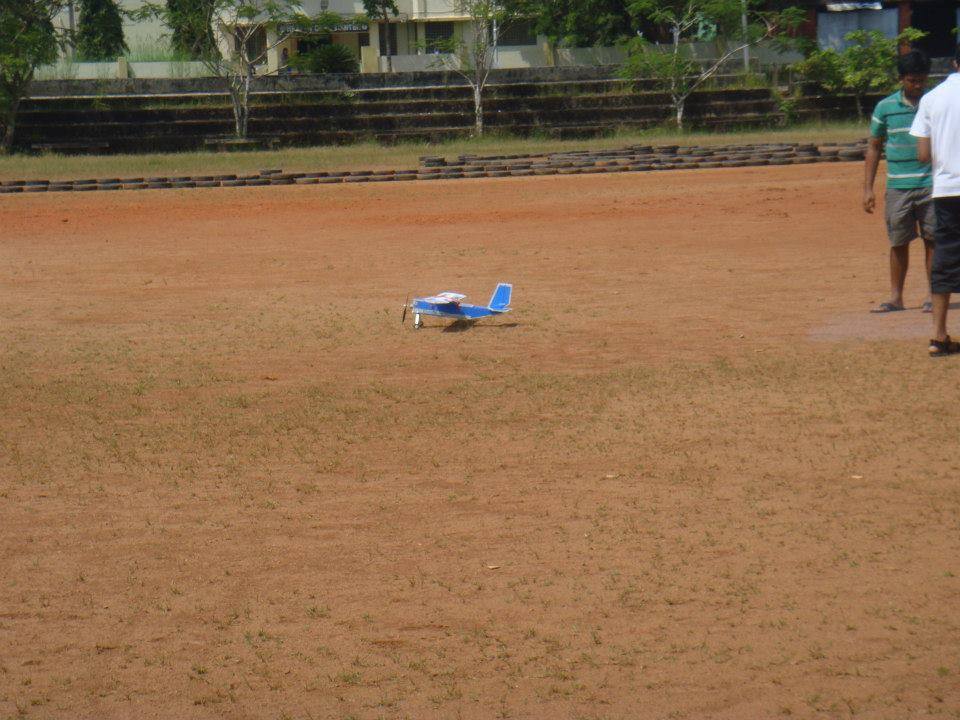
Whether a model airplane is treated as an aircraft in an insurance policy depends on the wording being reviewed and the facts of the activity. A recreational label, small size or lack of passengers does not by itself answer a coverage question. Start with the actual policy definitions, relevant exclusions and any exceptions or endorsements rather than assuming that ordinary household insurance includes every RC flight.
The most useful review separates damage to your model from liability involving other people or property. It also distinguishes your personal protection from a club, flying site or event arrangement. Each document can address a different interest, and none should be treated as a universal answer without checking its terms.
This guide helps RC model-aircraft owners organize those questions for the appropriate insurance professionals. It does not interpret a specific policy, determine legal classification or promise that BWI offers a particular model-aircraft product. Use official aviation guidance and qualified instruction for operating requirements; insurance terminology and regulatory obligations require their respective review.
Begin With the Policy You Want Reviewed
Identify the document that prompted the question. Are you reading a homeowners policy, a personal liability policy, a club benefit description or a dedicated aviation proposal? Those are different starting points. The word aircraft can appear in more than one contract without having the same definition or effect.
Obtain the current complete policy and applicable endorsements rather than relying on a marketing page or a summary of an old version. Identify the insured person or entity and policy period. An answer based on a different form or household arrangement may not address the document that actually applies to you.
Write the question in terms of the protection sought. For example, ask about accidental damage to the model during a disclosed activity or liability arising from its operation. A broad inquiry about whether my airplane is covered may conceal two or more different coverage subjects.
Describe the Model and Its Actual Use
Provide a factual description of the model, ownership and activity requested for review. Identify whether it is a traditional radio controlled airplane, a multirotor or another unmanned aircraft. Do not choose a familiar label that hides the actual equipment because you expect it to produce a more favorable answer.
Explain the purpose of flying. Personal recreation, paid work, demonstrations, teaching and competition should not be assumed identical. If the model is used in more than one way, make those uses visible instead of applying a single hobby description to every occasion.
The FAA’s recreational flyer information is an official starting point for the regulatory subject. It is separate from the terms of your insurance. A policy classification does not establish permission to fly, and complying with operating requirements should not be treated as automatic proof of coverage.
Read Definitions Before Applying an Exclusion
Locate the definitions section and any language that gives a particular term a special meaning. Then read the relevant coverage grant and exclusion together with any exceptions or endorsements. An isolated sentence about aircraft may not explain the complete operation of the contract.
Ask the insurer or appropriate licensed professional how the wording applies to the facts you supplied. Request the actual provision being referenced and identify any factual assumptions. A useful explanation should distinguish the meaning of a term from whether a particular claim meets every condition for payment.
Do not import a definition from an aviation regulation, another insurer policy or a club brochure without checking whether the contract uses it. Similar words can serve different purposes. Where the meaning or legal effect is disputed, obtain appropriate qualified advice rather than treating a general blog as a binding interpretation.
Separate the Main Model Aircraft Coverage Questions
| Question | Document or facts to review | Assumption to avoid |
|---|---|---|
| Damage to the model | Property wording ownership value and cause of loss | Personal liability insurance pays for the model itself |
| Injury or damage to others | Liability grant definitions exclusions and endorsements | All recreational aircraft are automatically included |
| Club participation | Actual membership and applicable benefit terms | A club benefit replaces every personal policy need |
| Flying site | Site agreement and any required evidence | Permission to use the field confirms insurance |
| Commercial use | Real services payment and business relationship | Calling the aircraft a model makes the activity recreational |
| Borrowed equipment | Owner agreement and requested protection | The owner being insured settles the borrower responsibility |
| Event or competition | Organizer role activity and actual terms | Ordinary practice terms accept an organized event |
Separate Property Protection From Liability Protection
If you want protection for the model itself, ask what property interest and causes of loss the actual offer addresses. Identify the owner, proposed value and any separate equipment. A liability limit should not be presented as the amount available to replace your own model.
If you are concerned about allegations involving another person or property, ask about the relevant liability provisions. A repair plan or manufacturer replacement arrangement should not be used as evidence of third party liability insurance. The document needs to address the actual subject.
Keep different amounts clearly labeled in a comparison. A model value, a personal liability limit and a club benefit amount should not be combined into a total that implies unrestricted protection. Ask which circumstances, conditions and limitations attach to each item.
Review Homeowners or Renters Wording Without Guessing
Ask the professional responsible for your household insurance to review the current policy against the disclosed model-aircraft use. Supply the actual equipment and activity facts. Do not assume that a model stored at home receives the same treatment while it is being operated elsewhere.
Distinguish a question about physical property at a location from a question about liability arising from flight. The fact that one section mentions personal belongings does not settle every operational exclusion in another section. Review both subjects if both matter to you.
This guide does not reproduce a standard aircraft exclusion because the applicable form and endorsements need to be identified first. If an exception is cited, ask what it actually changes and what requirements still remain. A short statement that toys are covered should not replace an explanation tied to the actual wording.
Check an Umbrella Policy as a Separate Contract
If you have personal umbrella insurance, ask the relevant professional how its own wording and underlying insurance requirements address the disclosed activity. Do not assume that a higher limit automatically removes a restriction in another policy or accepts every unmanned aircraft use.
Provide the current underlying policy information and explain the model-aircraft activity consistently across the review. A comparison based on one description for household insurance and another for the umbrella may leave the real arrangement unclear. Retain the actual responses and any issued changes.
Keep a request for additional liability protection separate from an assumption that it already exists. If an offer cannot meet a particular need, identify that gap and ask about appropriate alternatives. No universal umbrella acceptance or available limit is promised here.
Understand What Club Membership Documents Actually Say
Obtain the documents applicable to your membership and the activity being considered. Identify whether you are currently eligible to participate and which terms govern any insurance related benefit. A club name or membership card alone should not be treated as a complete policy explanation.
Ask which interests the arrangement addresses and what conditions, restrictions or coordination provisions apply. Keep the club entity, individual participant and flying site roles separate. The presence of an insurance benefit should not be assumed to give every related person or organization the same status.
If your activity changes, ask whether the existing arrangement still addresses it. A benefit described for certain member activities should not be extended by assumption to business filming, instruction, equipment lending or an event. Use the actual documents and the responsible contacts for the specific question.
Review the Flying Site and Event Requirements Separately
A property owner or club may request evidence before allowing access to a field. Identify the exact entities, dates and activity involved. Permission to enter or use the site is one fact; the insurance required by the agreement is another.
Submit additional insured or other requested wording for review against available terms before promising compliance. Have legal interpretation handled by an appropriately qualified adviser. A standard form supplied by a landowner should not be assumed achievable simply because another flyer signed it.
If an organized demonstration or competition is proposed, disclose your role and the activity explicitly. An event organizer can have different responsibilities from an individual participant. Do not treat insurance considered for personal practice as a complete event program without the relevant review.
Describe Borrowed Models and Shared Equipment
If you fly a model owned by a friend, club or business, explain the ownership and any agreement about damage or liability. Ask which actual terms address your interest or responsibility. Permission to borrow the equipment should not be confused with confirmation of insurance protection.
If you lend your model, identify the proposed person and use through the process required by the relevant policy. An arrangement accepted for your own flying should not be assumed transferable to every borrower. Keep the final response with the current record rather than relying on a general verbal assurance.
List separate controllers, cameras or other valuable equipment where those interests require review. Sharing one component can create a different property question from sharing an entire aircraft. The submission should describe the actual arrangement without implying that all items at a flying site belong to the same insured person.
Identify Commercial Activity Even When the Aircraft Is Small
If a model is used to produce footage, demonstrate a product, support a business or provide another service, explain the real purpose and relationships. Size and appearance alone do not establish how an insurer will treat the use. Do not omit a business activity because the aircraft began as a personal hobby.
Provide the actual client requirements and scope of work where relevant. Ask whether an existing personal or membership arrangement addresses those facts or whether a separate insurance review is needed. The answer should be tied to the current wording and actual activity.
BWI’s drone insurance information offers a starting point for an unmanned aircraft inquiry. Describe the model and proposed use accurately and ask which services are available. The page should not be taken as a promise that every RC aircraft or activity qualifies for a particular product.
Create a Comparison Record You Can Understand Later
Use a simple record with one question per entry: the model and activity, the policy being reviewed, the provision referenced and the response received. Include the date and any conditions or open questions. This helps prevent an answer about stored property from becoming a later assertion about flight liability.
Separate current issued terms from quotations, informal explanations and proposed changes. If an endorsement is needed, retain the actual issued document and effective date once provided. An email requesting a change should not be labeled completed without the relevant confirmation.
Keep relevant household, club and aviation documents accessible while protecting personal information appropriately. The objective is a usable record for the people responsible for the insurance, not a public collection of financial and membership details. Share documents through the authorized process for the particular review.
A Hypothetical RC Owner Checking an Aircraft Exclusion
Imagine an RC airplane owner who sees the word aircraft in a household liability exclusion and assumes the model is too small for the provision to matter. The owner also has a club membership and expects it to answer every remaining question. This is a hypothetical reading exercise, not a policy interpretation or a real BWI claim.
The owner supplies the actual policy and endorsements, describes the model and use, and asks the responsible professional to identify the relevant wording. Separately, the owner obtains the club documents and asks about the actual member benefit and applicable conditions. Property and liability questions remain distinct throughout the discussion.
The result is a clearer record of which documents answer which questions and what remains unresolved. The example does not establish that either arrangement pays for a future loss. It shows why assumptions about size, recreation or membership should be replaced with a review of the actual contracts.
For example, the owner can record three separate questions: damage to the stored model, liability while flying it, and the benefit available under current club membership. Give each question its own document reference and answer. If the household insurer only responds about stored property, leave the flight-liability question open. If the club administrator supplies a booklet, check its applicable membership period and the activity described before treating it as current evidence. Record the actual provision or confirmation supporting each conclusion. When an endorsement arrives, compare its effective date with the activity being discussed and keep the issued copy beside the original question. If the response concerns a different form, ask for clarification before marking your own review complete. That approach preserves the useful part of an answer without expanding it into a promise about every model, operator or flying activity.
Report Incidents and Revisit Changed Activities
If an incident or allegation occurs, follow the reporting instructions applicable to the relevant arrangements and obtain appropriate guidance promptly. Do not assume a message to a club officer, property owner or repair provider satisfies every policy notice requirement.
Preserve factual records and identify the model, operator, location and activity involved. Avoid promising reimbursement or deciding the coverage outcome yourself. The relevant insurer or professional needs the actual facts and documents to assess the matter through the proper process.
Review the insurance questions again when the model, ownership or use changes. A move from personal flying to paid services, a different borrowing arrangement or an event can change the facts behind an earlier answer. Maintain current records rather than reusing an old statement that model aircraft are covered.
Ask a Focused Question Instead of Seeking a Blanket Answer
A useful inquiry names the policy, describes the activity and identifies the interest you want protected. Ask for clarification when a response is too broad to connect with the actual documents. Keep any limits on the answer visible rather than shortening it to all RC flying is insured.
If several professionals are involved, use consistent facts and clarify their respective roles. The household insurance contact, club administrator and aviation specialist may answer different subjects. Their responses should be compared by scope rather than treated as competing promises about one universal policy.
You do not need to become a contract specialist to prepare a good review. You need accurate facts, current documents and a clear question. Where interpretation remains uncertain or disputed, obtain the appropriate qualified advice before making commitments to another person or organization.
Frequently Asked Questions
Are model airplanes always excluded by an aircraft exclusion
There is no universal answer from the label alone. Review the actual definitions, coverage, exclusions, exceptions and endorsements against the disclosed activity.
Does homeowners property coverage automatically include flight liability
Do not assume it does. Stored property and liability arising from operation are separate questions under the actual contract.
Does club membership replace the need to review my own policies
Review the applicable member documents and your own protection separately. Identify the interests, conditions and any coordination provisions that apply.
Can a model used for paid filming still be submitted simply as a hobby aircraft
Describe the real activity and business relationship. Do not use a recreational label to conceal the purpose of the flight or the services provided.
What information helps an insurance professional review an RC model
Provide the model and ownership description, actual use, relevant policy and endorsements, club or site documents and the specific property or liability question.
Bring Your Model Aircraft Insurance Questions to BWI
Tell BWI what model aircraft you operate, who owns it and how it is used. Identify whether the question concerns the model itself, third party liability, a client requirement or the wording of another policy. Ask which parts of the inquiry BWI can address and whether another responsible insurance professional should review a particular document.
Request an aviation insurance quote from BWI and describe the actual unmanned aircraft activity for review. Product availability and coverage depend on underwriting and issued terms; this guide does not promise a specific RC product or interpret an individual household or club contract.
Continue Reading


