

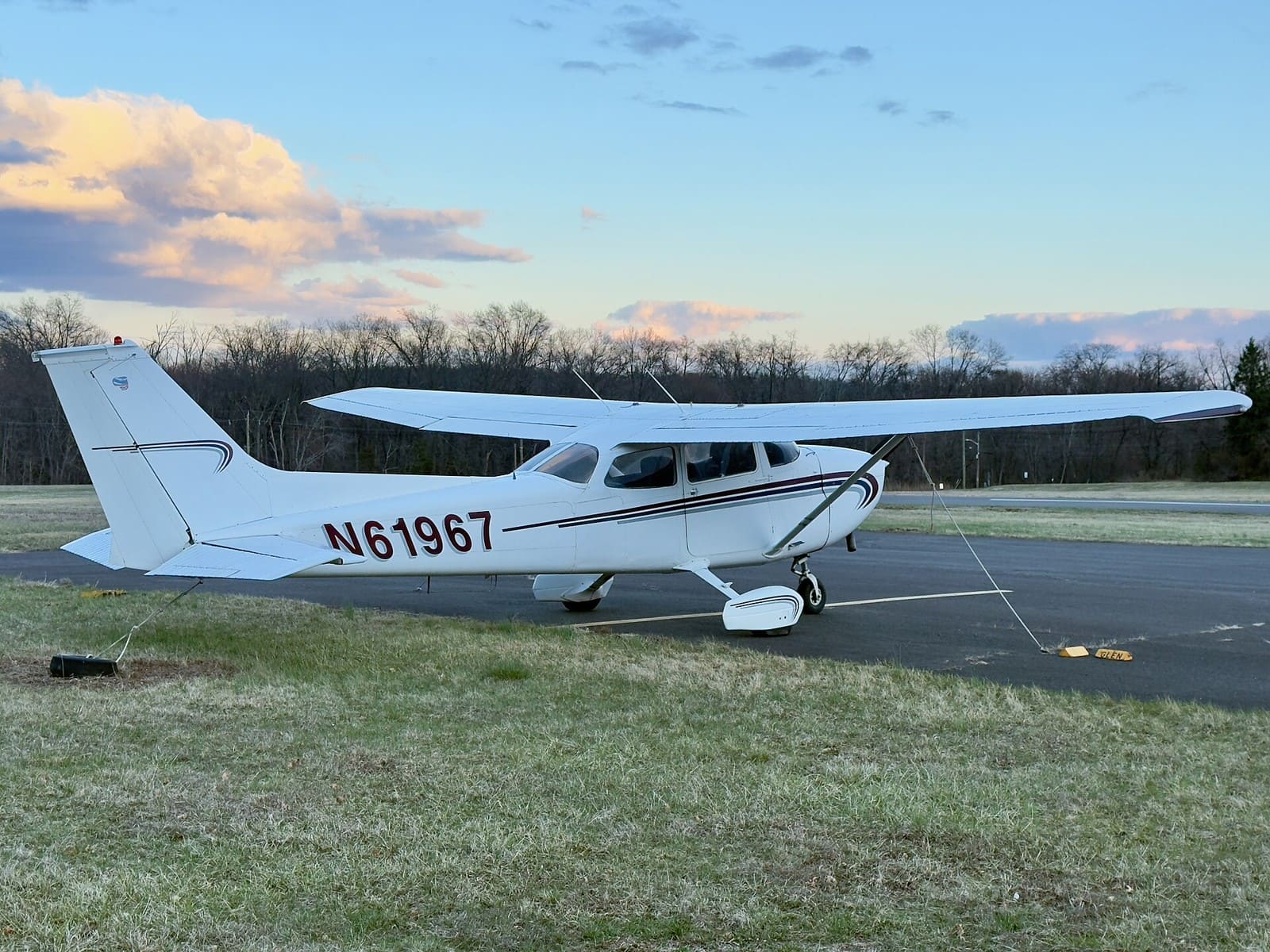
A CFI insurance quote is most useful when it reflects the instruction you actually provide. Teaching in your own aircraft, giving dual in a student’s aircraft and working through a flight school are different arrangements. The quote request should make those differences visible before you compare premiums or assume a policy protects every lesson.
Prepare the application around three subjects: your professional teaching activities, the aircraft you use and your relationship with the aircraft owner or school. Include the experience and qualification information requested by underwriting. A clear submission gives BWI a practical basis for discussing available options and identifying questions that need an actual underwriting response.
This guide focuses on quote preparation for an instructor, rather than a complete flight school’s business program. It does not establish legal authority to instruct, insurer acceptance or coverage for a future claim. Instructor qualification and insurance conditions are separate subjects, and both require attention using current records and the applicable documents.
Describe the Instruction You Provide
Write a short teaching profile in plain language. Identify the aircraft categories and types used, the students or pilots you teach and the services performed. Distinguish initial training, transition training, recurrent instruction, flight reviews, instrument work and any other relevant activity rather than using a broad description that leaves underwriting to guess.
Explain whether you teach independently, through a school, for a club or under another arrangement. If you have several roles, list each one. A policy offered for one teaching arrangement should not be assumed to cover a separate contract, different aircraft category or occasional specialized assignment without review.
Identify planned changes as well as current services. Adding a new aircraft type, beginning a different form of instruction or accepting a new contractual role can change the questions. Give the proposed start date and scope. Do not describe future experience or training as already completed in order to fit an application field.
Map Aircraft Ownership and Use
Create a short schedule of aircraft arrangements. State which aircraft you own, rent, borrow or use through students, schools or clubs. Identify who supplies the aircraft for instruction and whose permission is required. Include the requested identifying details and explain any recurring arrangement rather than treating every lesson as the same kind of nonowned use.
Ask how the proposed policy defines a nonowned aircraft and whether any ownership, lease or regular-use arrangement affects that definition. Do not assume an aircraft qualifies merely because your name is absent from its registration. A financial interest or other relationship should be disclosed for review under the actual wording.
For owned aircraft, ask separately about the aircraft policy and its instruction use. A CFI policy should not be assumed to replace aircraft hull and liability insurance on an airplane you own. Conversely, an aircraft owner’s policy does not automatically establish the instructor’s own protection. The relationship between policies requires specific examination.
Prepare Experience and Qualification Information
Use current records to answer requested questions about total time, instructional experience, aircraft-specific experience and training. State the date through which figures are calculated. If an application asks for recent experience, use the specified period rather than substituting a lifetime total. Identify estimates honestly and obtain clarification where a category is unclear.
The FAA’s pilot and instructor certification guidance is a current starting point for certification information. Use applicable FAA resources and qualified guidance to establish your privileges and requirements. An insurance application is not a certification process, and insurer acceptance does not replace those obligations.
Supply relevant qualification or training documents when requested through the agreed channel. Keep application answers consistent with the supporting records. Where a status changes, explain the change and ask what further information is needed. Avoid relying on an old application that still contains a prior qualification or experience figure.
Build a Focused CFI Quote File
| Submission item | What to describe | Question to resolve |
|---|---|---|
| Instructor and business identity | Individual, entity and teaching relationships | Who is requesting coverage and in which roles? |
| Teaching activities | Services, aircraft categories and student arrangements | Does the proposed scope match the work? |
| Aircraft relationships | Owned, rented, student or school aircraft | Which arrangements satisfy the offered definitions? |
| Experience and training | Requested figures and supporting records | Are any conditions or further information required? |
| School and owner agreements | Complete relevant contracts | What insurance duties or assumed obligations need review? |
| Requested coverage | Liability, aircraft damage and other requested components | Which limits, restrictions and exclusions apply? |
| Prior coverage and history | Existing documents and requested loss information | What continuity or known-matter questions remain? |
Review School and Aircraft Owner Agreements
Collect the agreements governing your instruction. A school may describe you as an employee or independent contractor; an owner may ask you to accept responsibility for aircraft damage; a club may impose separate insurance requirements. Provide the actual documents rather than summarizing all of them as permission to teach.
Ask the broker to review the insurance requirements and obtain legal advice where appropriate for indemnity or other contractual obligations. The insurance offer and the contract are separate documents. A promise made to a school or owner does not automatically become insured simply because you bought a policy with CFI in the title.
If another party says its policy protects instructors, ask for the relevant confirmation and terms. Identify whose policy is being discussed and in what role you would be insured. Being acceptable to an owner as a pilot and being an insured under a policy are distinct questions. Do not rely on an informal statement that everyone is covered.
Separate Professional Liability and Aircraft Damage Questions
Ask which proposed coverage addresses allegations arising from instruction and which addresses legal liability for damage to a nonowned aircraft. These may involve different grants, limits and exclusions. A liability limit intended for one exposure should not be assumed to provide the same amount for damage to the airplane used in the lesson.
Describe the aircraft values and contractual responsibilities relevant to your instruction. An owner’s hull insurance and your potential liability for damage are different subjects. Ask about deductible obligations, subrogation-related concerns and any relevant exclusions using the actual documents. Avoid assuming that reimbursement of the owner’s deductible is the maximum amount you could ever face.
Also identify any work beyond instruction, such as paid ferrying, demonstrations or other contract flying. A policy designed for teaching should not be stretched by assumption to cover separate paid pilot services. Disclose the full set of roles and ask which program or endorsement is appropriate for each.
Compare Offered Limits and Restrictions
Use the same teaching profile and requested coverage when comparing offers. Record limits, aggregates, applicable sublimits, deductibles or retentions and the treatment of defense costs. Ask how the actual policy defines the insured services and aircraft, and whether special restrictions affect the instruction you provide.
Review any exclusions and conditions relevant to the aircraft categories, qualifications, geography or services involved. If the offer requires further approval for a particular arrangement, mark that item unresolved. Do not treat silence in a short quote summary as acceptance of every activity listed in your own notes.
There is no reliable universal CFI premium that applies to every instructor. The disclosed work, coverage requested, experience, contractual arrangement and available terms can differ. A useful comparison explains what you would purchase and which questions remain open, rather than declaring one policy the best based only on price.
Explain Specialized or Occasional Instruction
Occasional activities deserve disclosure when they differ from routine work. If your teaching includes a specialized aircraft category or unusual instruction profile, describe it accurately and provide requested experience information. Do not assume that a small share of annual hours makes the activity irrelevant to underwriting.
Use a short addendum for activities that do not fit the form. Identify the service, aircraft relationship, frequency and requested start date. Ask whether the insurer needs additional documents or imposes specific conditions. A written answer tied to the disclosed facts is more useful than a general assurance that instructors can teach in many airplanes.
Keep the same approach when accepting a one-time assignment. Compare it with the services and aircraft arrangements used for the original quote. If the facts differ materially, seek guidance before relying on the current policy. The purpose is a precise insurance review, not advice on how to perform a particular instructional maneuver.
Answer Prior Coverage and Loss Questions Carefully
Provide the requested insurance history, loss information and details of relevant known matters. Use the periods and definitions requested on the form. Distinguish allegations, reported claims and unresolved questions, and keep supporting correspondence available. Do not omit a matter simply because you disagree with the allegation or because it did not lead to payment.
If you receive a demand or become aware of something that may require notice under an existing policy, obtain guidance promptly and follow the applicable process. A quote for future coverage should not be assumed to address a known issue. The renewal application is not a substitute for handling a current reporting obligation.
When changing policies, ask about coverage triggers, prior acts provisions and reporting terms where relevant. Do not assume that buying a replacement with the same limit establishes continuity. Provide the expiring documents so the comparison can address the actual arrangement rather than a remembered policy description.
An Illustrative Independent Instructor Submission
Imagine an instructor who gives recurrent training in several owners’ aircraft and also works part-time through a school. The instructor does not own an aircraft, but has different agreements for each teaching relationship. This hypothetical example shows why the application needs more than a statement that the instructor gives dual in nonowned airplanes.
The submission could include a teaching profile, aircraft arrangement schedule, requested experience figures and the relevant contracts. It would identify the school relationship separately from direct owner engagements. The quote review would ask how each arrangement fits the offered insured services and aircraft definitions and whether any requested coverage remains outside the proposal.
If the instructor later buys an airplane to use for lessons, that change should trigger a new review. It introduces an owned-aircraft arrangement that was absent from the original submission. A continued policy period or unchanged business name would not, by itself, resolve the new aircraft insurance questions.
Use a Quote Comparison That Can Be Checked
For each proposal, list the legal insured, period, described teaching services and requested coverage components. Add the offered limits, relevant aircraft restrictions, defense provisions and any outstanding conditions. Reference the documents where each answer appears. A comparison should help you find the actual terms, not replace them with vague labels such as comprehensive protection.
If one offer excludes an activity you perform, ask whether an alternative is available and what it would require. If a school requests a certificate, resolve the underlying insurance and endorsement questions first. Do not allow a paperwork deadline to turn an unconfirmed request into a representation that a requirement has been met.
Keep the accepted offer and binding confirmation, then review the issued documents against them. Ask about discrepancies promptly. Store the policy and reporting instructions where you can access them during the year. If a school or owner arrangement changes, bring the actual change to BWI rather than waiting for the next renewal form.
Maintain a Short Annual Teaching Summary
Keep a dated record of teaching categories, aircraft arrangements and the business relationships relevant to insurance. The summary can make renewal preparation easier because it shows how the current year differs from the last application. It should be accurate and concise rather than a substitute for the flight and qualification records you are required to maintain.
Update the summary when you add a school, change business entities, use a different ownership arrangement or accept a new kind of assignment. Include the relevant agreement reference and the date the change begins. A consistent administrative record reduces reliance on memory when underwriting asks about several teaching roles at once.
At renewal, compare the summary with the expiring policy and current application. Identify changes and request the coverage appropriate for the disclosed work. BWI’s aviation insurance team can discuss the quote request using those facts. Acceptance and coverage remain subject to the actual underwriting and issued documents.
Set a Practical Application Handoff
Choose one final version of the application and label its attachments clearly. Confirm that the instructor’s name, business entity, requested effective date and teaching activities agree across the documents. If a contract is only proposed, mark it as proposed. If information is missing, identify the item and who is obtaining it instead of guessing to complete the form.
Read the declarations and signature instructions before submitting. Retain the signed version and later corrections with their dates. When underwriting asks a follow-up question, make the response specific enough that another reviewer can understand which aircraft arrangement or teaching role it concerns. This helps prevent contradictory answers from separate email threads.
Finally, distinguish a quote from confirmation that coverage is in force. Resolve stated conditions, request the desired effective date and obtain the appropriate confirmation. Keep a short list of unresolved questions until each has an answer. That process gives the instructor a clear record of what was requested and accepted without promising that every future allegation or aircraft loss will be covered.
When another party needs evidence, provide the exact legal name, requested document and relevant agreement to the broker. Check the resulting evidence for accuracy before forwarding it. If the request changes, explain the change instead of editing insurance wording yourself or reusing an old certificate for a different relationship.
For example, an instructor may submit a school agreement and later receive a separate direct engagement from an aircraft owner. Compare the two arrangements before treating the earlier quotation as a complete answer. Record who engages the instructor, who supplies the airplane, the proposed teaching services and the date the new work would begin. If the owner’s agreement includes a different aircraft damage responsibility, identify that provision for the relevant insurance and legal reviewers. Keep their responses beside the correct agreement version. An email acknowledging the new document is not itself confirmation that the proposed terms have changed. Ask which additional information or accepted endorsement, if any, is needed under the actual arrangement. Preserve any unanswered question until it is resolved. This comparison supports a factual submission while leaving contract interpretation, instructor privileges and coverage decisions to the qualified people responsible for them.
Frequently Asked Questions
Does a schools policy automatically protect an independent CFI
Do not assume so. Ask about the instructor’s actual insured status and role under the relevant policy. Provide the school agreement and obtain the applicable terms or confirmation.
Should I disclose occasional instruction in another aircraft category
Describe material differences in the instruction and aircraft arrangements. Ask whether further underwriting information or approval is needed. The share of annual hours alone should not be used to decide relevance.
Does a CFI policy insure an airplane I own
Do not assume it replaces owned-aircraft hull and liability coverage. Explain the ownership and teaching use so the actual programs can be reviewed together.
Are paid ferry flights the same as instruction
They are distinct activities that should be disclosed separately. Ask how the proposed policies address each role rather than assuming teaching coverage includes every paid flying assignment.
What should I bring for a first quote
Bring a teaching profile, aircraft relationship summary, requested experience and qualification information, relevant agreements and available prior coverage records. Identify the effective date and any planned change in work.
Ask BWI for Help With the Insurance Documents
Give BWI a current description of your instruction, the aircraft arrangements you use and the contracts that govern the work. Ask for a quote review that distinguishes your teaching liability, aircraft damage exposure and any separate paid flying roles.
Contact BWI about your CFI insurance quote. A complete application supports a focused review; available terms and coverage depend on underwriting and the issued policy.
Continue Reading


