

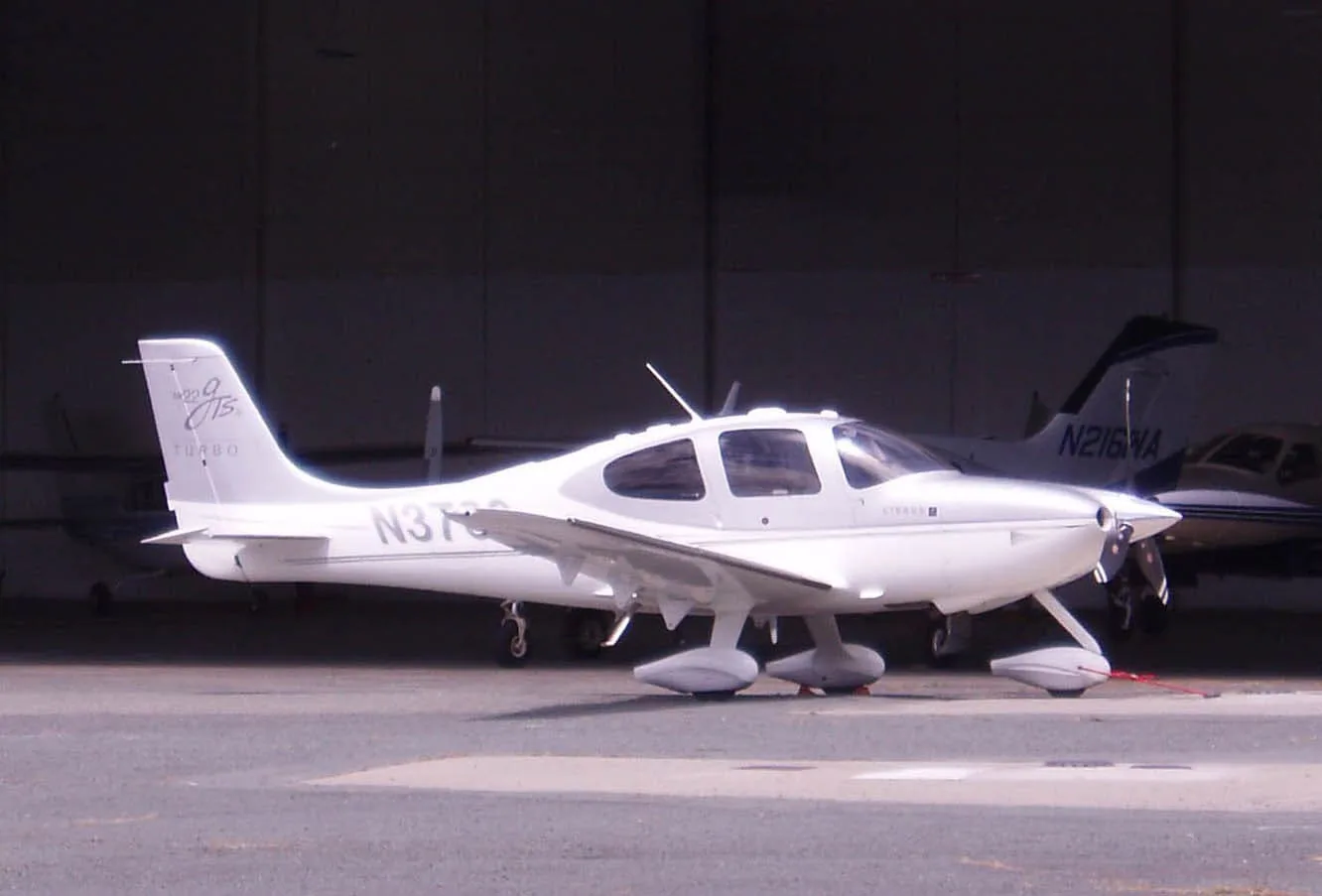
Cirrus Embark can help an eligible buyer of a preowned Cirrus arrange transition instruction, but the buyer should confirm the proposed course against the actual aircraft insurance conditions before flying. Program enrollment, course completion and insurance acceptance are separate steps. Organize them early enough that the purchase, instruction and first personal trip follow a plan everyone understands.
The practical question is specific: will this pilot, training with this provider in this aircraft, complete the conditions attached to the proposed insurance? A general statement that Embark meets insurance requirements cannot answer every individual case. Send BWI the proposed training details with the aircraft and pilot submission and ask what must happen before each stage of the flying begins.
This guide focuses on the purchase timeline and the documents connecting Embark to an insurance proposal. For the broader relationship between instruction and underwriting, read BWI’s existing guide to CSIP training and recurrent education. Here, the goal is to help a buyer distinguish a program benefit from a confirmed plan for the first flight. Request a Cirrus insurance quote from BWI while the purchase is being evaluated, including any training arrangements still undecided.
Confirm what Embark offers before planning around it
The official Embark page reviewed for this guide describes a transition-training benefit for qualifying buyers of preowned SR Series aircraft. It lists enrollment and completion windows, participation limits and restrictions, including exclusion of the Vision Jet. Confirm the current terms directly with Cirrus for your purchase. The public description is not an enrollment decision for this buyer, nor an insurer’s acceptance of this pilot’s proposed training.
Give Cirrus the real purchase and delivery dates, ownership arrangement and intended participant. Ask how its current terms apply, including any deadline or documentation question. Do not assume that buying through an entity, joining a group or designating a pilot has the same result in every case. Retain the actual response and distinguish a submitted application from confirmation that participation has been established.
An eligibility answer does not settle the insurance application. Give BWI a separate description of the legal owner, all intended pilots, planned use and delivery sequence. If the program participant is different from the person who will first move the airplane, make that clear. The insurance review must address the actual people and flights, including those occurring before the owner completes instruction.
Read the insurance proposal before booking the first trip
Ask BWI to identify the conditions attached to the proposed coverage for your pilot profile. Depending on the offer, questions may involve the training provider, course content, supervised flying, documentation or other requirements. Read the wording actually offered. Do not convert another owner’s experience, an instructor’s previous client arrangement or an online discussion into a rule for your own policy.
Map each insurance condition to the flight stage it concerns. A proposal may require a provider to be accepted before instruction, evidence after completion, or another condition before the owner’s independent trip. Ask BWI to explain the actual wording. Do not turn the last scheduled lesson into a guaranteed release date or describe a pending document as complete because travel has already been booked.
Also confirm what coverage is being arranged during instruction. The buyer may be concentrating on the eventual solo trip home and overlook how the initial training flights are described. Explain the intended instructor, aircraft location and proposed activity to BWI. The owner and instructor should not have to discover at the airport that they understood the policy conditions differently.
Keep three confirmations separate
Use a short comparison to track program participation, training completion and insurance conditions. Each has its own evidence and responsible contact. This record is particularly useful when the seller, instructor, buyer and broker are working toward the same delivery date but using different calendars. A completed box in one column should not automatically close the others.
| Confirmation | Evidence and responsible contact |
|---|---|
| Program participation | Current eligibility and enrollment response from Cirrus |
| Training plan | Aircraft, provider, course and proposed dates |
| Course completion | Accurate instructor or provider records |
| Insurance conditions | Policy wording and applicable insurer confirmation |
| First personal flight | Resolved conditions and current aircraft readiness |
Discuss the instructor and course before payment
Identify the actual instructor and proposed course to the insurance contact in the detail requested. Keep a program provider assignment separate from the insurer’s response to that person and activity. If Cirrus assigns a different partner or the provider supplies a substitute, record the change and ask what review remains. A familiar program name should not hide that a different instructor or aircraft will perform the proposed instruction.
The official Cirrus training network is a starting point for locating training resources. Discuss the aircraft and learning objectives with the provider, then compare the proposed arrangement with the quoted insurance terms. Manufacturer participation and insurer acceptance should be checked through their respective processes. Avoid presenting either organization’s role as a blanket approval of every future flight.
If the instructor changes, tell BWI before relying on the revised plan. A last minute substitute may be qualified to teach yet still require review under the offered terms. Retain practical flexibility in the schedule so confirmation can occur before the airplane is committed to a travel itinerary. The objective is to resolve the question while there is still time to adjust the arrangement.
Describe the exact aircraft used for instruction
Give the instructor and BWI the model, registration, year and configuration of the aircraft being purchased. If records describe an SR22TN or another modified configuration, preserve that description rather than simplifying it to the model you normally search online. Have qualified advisers clarify technical questions about the aircraft, and provide the resulting facts when requested for underwriting.
Cockpit and equipment familiarity also deserve attention. A pilot may have flown a Cirrus with a different panel or automation setup. Tell the provider what experience you actually have and discuss the training needed for the aircraft you will operate. For insurance purposes, report the experience accurately rather than assuming all Cirrus time answers every model or configuration question on the application.
If the airplane will undergo work before training, tell the parties responsible for scheduling. A change in location, configuration or availability can affect the plan previously reviewed. Obtain appropriate maintenance advice about the aircraft’s readiness, and update BWI if the facts relevant to insurance have changed. The existence of a course reservation does not establish that the aircraft is ready for the planned flights.
Build the purchase timeline around real flight stages
List the proposed ownership transfer, any relocation and the instruction dates. Identify who will operate the aircraft at each stage. A seller’s demonstration, a buyer’s training lesson, a professional delivery and a personal flight can involve different people and arrangements. Explain them in plain language rather than describing the entire week as delivery and assuming every flight has been considered.
Start with the earliest proposed activity that concerns the buyer. Ask what insurance arrangements apply and which party is responsible for obtaining them. Do not rely on a statement that the seller still has insurance without understanding the actual circumstances and documentation. The seller’s broker and the buyer’s insurance team may need to answer different questions about the same handover.
Keep the first personal trip flexible until the relevant conditions are resolved. An instructional plan is not a promise that a pilot will finish on a particular day. Weather, aircraft availability and learning needs can change the schedule. A trip booked immediately after the last planned lesson can create pressure to treat an anticipated completion as an established fact.
Understand what complimentary training does not decide
Ask the provider which costs and activities are included in the actual benefit and which remain payable by the buyer. Keep travel, lodging, aircraft operating costs and any additional instruction identifiable. Complimentary instruction is not a quotation for the entire ownership transition. A buyer needs a practical budget and schedule even when a program has accepted participation; neither benefit eligibility nor payment arrangements complete the insurance conditions.
Cirrus’s published terms restrict the benefit to its defined transition or differences-training purpose. Before combining it with another activity, ask the program contact whether the actual proposed service is eligible. The reviewed terms do not present the instruction as a ferry, flight-review or instrument-proficiency benefit. Keep any separately arranged activity visible in the insurance submission rather than treating the presence of an instructor as proof of one undifferentiated accepted flight.
Insurance requirements must still be reviewed even when some training expense is covered by the program. A pilot may need additional instruction or another step under the offered terms. Conversely, a pilot’s program eligibility does not establish the insurer’s decision about that person. Keep the two conversations connected through accurate information without expecting one provider to speak for the other.
Plan separately for a spouse or second owner
When two people will fly a newly purchased Cirrus, prepare separate pilot records and separate training questions. Do not assume one person’s participation resolves the other person’s preparation. Confirm program eligibility with Cirrus and present every intended pilot to BWI, including a spouse or coowner who expects to begin flying later in the year.
Ask how the proposed insurance terms address each pilot’s stage of training and intended operations. One person may already have recent experience while the other is transitioning. Describe those differences without averaging the group’s hours or using the first pilot’s approval as evidence for the second. The policy wording and applicable insurer responses determine what conditions need attention.
The group’s scheduling plan should reflect that review. Reserve time for any separately arranged instruction and identify who will maintain the completion records. If a pilot is added after the policy begins, bring the change to BWI before that person’s operation. BWI’s guide to adding a coowner midyear addresses ownership changes, while the current review should focus on the pilots actually proposed at purchase.
Record completion without assuming automatic acceptance
Ask the instructor what completion documentation will be issued and how the training will be recorded. Obtain the documents needed for the insurance file and review them for basic accuracy, including the pilot, dates and aircraft information. A missing identifier is easier to correct promptly than after several parties have filed different versions of the record.
Send the evidence requested for the actual policy and identify the next intended operation. Ask whether any insurer response or additional condition remains before that stage. Keep an automatic upload acknowledgment separate from the answer to the insurance question. If the instructor corrects a completion record, preserve the revised version and explain the correction instead of leaving the file with inconsistent dates or aircraft descriptions.
Retain the final policy and endorsements alongside the training record. The course certificate is useful evidence of instruction; it is not the document defining all insurance coverage. If the offered terms change between quotation and binding, review the final arrangement. Everyone coordinating the aircraft should work from the current documents rather than an earlier proposal that happened to be printed first.
Respond to delays with an updated plan
If the program schedule changes, ask its administrator about the effect on participation and deadlines. Separately give BWI the revised instruction and first-flight dates. An extension under one agreement, if granted, does not amend another agreement. Keep each response with the document it concerns so the buyer can see whether the program, aircraft availability and insurance sequence are all still aligned.
An aircraft discrepancy can require a more substantial revision. Have qualified maintenance personnel assess the problem and follow the appropriate process for the aircraft. Explain any changed custody, location or flying arrangements to BWI. Avoid treating the remaining training days as a reason to rush a maintenance or insurance decision that needs its own review.
If a different person will ferry the aircraft or instruction will move to another location, describe the replacement arrangement clearly. Identify the pilot, purpose and expected dates and obtain any required insurance consideration before proceeding. Keep a record of the changed plan so a later conversation does not mix the original approval with a different activity.
Test the process with a fictional SR22 buyer
Consider a fictional pilot purchasing a preowned SR22 after several years flying another type of airplane. The buyer sees Embark mentioned in the listing and initially assumes three days of instruction will authorize a solo return flight. Before confirming travel, the buyer checks program eligibility and gives BWI the aircraft details, experience record and proposed instructor information.
The insurance review identifies the actual conditions applicable to the proposed arrangement. The buyer and instructor plan around those conditions and keep the return trip flexible. During instruction, weather reduces the available flying time. They revise the schedule and ask the appropriate contacts about the effect on the program and insurance rather than treating the original travel date as a completion deadline.
This example does not predict how any insurer will respond or how long a real pilot will need. It illustrates a buyer’s coordination task: establish eligibility, obtain the offered terms, arrange appropriate instruction and retain the evidence needed before the intended operation. The useful outcome is a documented plan, not a presumption that a program name resolves every condition.
Prepare the first renewal while the records are current
After the purchase and instruction, preserve the completion evidence and the policy’s ongoing training requirements. Record the next date that needs attention and begin scheduling early enough to handle changes. A successful transition event should become part of an orderly training history rather than a certificate the owner struggles to locate at renewal.
Update experience figures using the insurer’s requested categories when the next application arrives. Keep total experience, model experience and recent activity distinguishable. If the owner has taken additional courses or changed the aircraft’s use, provide those facts too. The value of a clear record is that it describes the current situation without requiring anyone to reconstruct it from calendar invitations.
For broader guidance on continuing instruction, use BWI’s existing CSIP and recurrent education article. Keep this Embark checklist for the narrower purchase and completion sequence. Linking the two topics helps an owner find the next relevant decision without creating competing assumptions about what one training event accomplishes throughout the life of an aircraft policy.
Frequently asked questions about Embark and insurance
Does Embark automatically satisfy my policy requirements
Confirm the actual course and pilot plan against the terms offered to you. Cirrus describes broad insurance relevance for the program, but that statement is not individual insurer approval. Ask BWI what conditions apply, what documentation is needed and whether any further step is required before the flight you intend to make.
Can I use the program for a Vision Jet purchase
The official Embark terms reviewed for this guide exclude the Vision Jet. Check current eligibility directly with Cirrus and arrange the appropriate SF50 training and insurance review separately. Do not use an SR Series program description as evidence that a proposed jet pilot has completed the requirements applicable to that aircraft.
Does course enrollment mean I can fly home alone
Enrollment establishes a program step, not completion of all flying or insurance conditions. Describe the return flight when applying for coverage and confirm the required sequence. Keep travel flexible until the pilot’s actual completion and any required insurer response are established. Instructor availability alone does not settle those questions.
What if two owners want to participate
Ask Cirrus how its eligibility and participation limits apply to the purchase. Separately provide both pilots’ information to BWI and obtain the relevant insurance review for each. A benefit available to one participant should not be treated as a training plan or insurance approval for every person who owns a share.
Should I send BWI my training certificate
Send the evidence requested for your application and ask whether additional documentation or confirmation is required. Retain the original records with your policy documents. If the completion information changes or contains an error, correct it promptly with the provider so the insurance file accurately describes the pilot and training event.
Get a Cirrus insurance quote from BWI
Share your proposed SR20, SR22, SR22TN or SR22T purchase with BWI before setting the first personal flight date. Include the ownership details, intended pilots, delivery sequence and Embark arrangements under consideration. Explain which items are confirmed and which still depend on program eligibility, instructor availability or completion of training.
Request a Cirrus insurance quote from BWI to compare the proposed coverage with your actual purchase and instruction plan. Review the final conditions, keep the completion evidence and ask about any unresolved step before relying on the aircraft for travel. An organized handover lets the training and insurance conversations support the same real flying plan.
Continue Reading


