
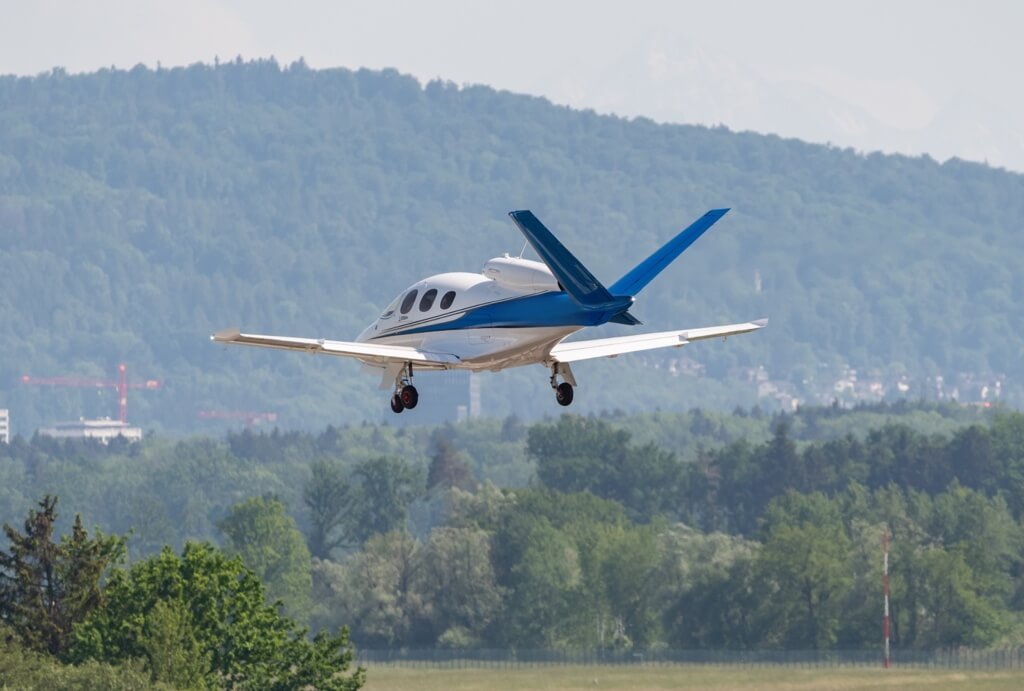
If you own a Cirrus aircraft, you’ve probably heard insurance companies talk about training.
A lot.
In fact, after pilot experience and claims history, training may be one of the most important factors influencing how insurance companies evaluate Cirrus owners.
Many pilots assume training is simply a box to check.
Insurance companies don’t see it that way.
Underwriters view training as one of the strongest indicators of future safety, professionalism, and insurability.
At BWI Aviation Insurance, we’ve helped insure thousands of Cirrus aircraft owners and analyzed 59 Cirrus renewals during the first quarter of 2026 representing more than $414,144 in annual premium.
One thing becomes very clear when reviewing Cirrus policies.
Pilots who actively invest in training often receive stronger underwriting consideration than those who don’t.
Whether you fly an SR22, SR22T, or Vision Jet SF50, understanding how insurance companies evaluate training can help you improve both your insurance profile and your overall safety as a pilot.
Why Insurance Companies Care So Much About Training
Insurance companies make money when aircraft owners avoid claims.
It’s really that simple.
Every underwriter is trying to answer a basic question:
“What is the likelihood this pilot will experience a loss?”
Training helps answer that question.
Pilots who participate in structured training programs generally demonstrate:
- Better decision making
- Greater proficiency
- Stronger aircraft knowledge
- More consistent procedures
- Better risk management
Insurance companies know this because they have decades of claims data.
The safest pilots are often the pilots who never stop learning.
Why Cirrus Owners Receive More Training Attention
Few aircraft manufacturers have invested more heavily in pilot education than Cirrus.
From the beginning, Cirrus recognized that advanced aircraft require advanced training.
As a result, the company built one of the most comprehensive training ecosystems in aviation.
Today, Cirrus owners have access to:
- Cirrus Embark
- Cirrus Approach
- CSIP instructors
- Simulator programs
- Factory transition training
- Recurrent training programs
Insurance companies are well aware of these resources.
In many cases, underwriters expect Cirrus owners to utilize them.
What Is A CSIP?
CSIP stands for Cirrus Standardized Instructor Pilot.
These instructors undergo specialized Cirrus training and follow a standardized approach to instruction developed specifically for Cirrus aircraft.
CSIPs are trained to teach:
- Aircraft systems
- CAPS procedures
- Automation management
- IFR operations
- Emergency procedures
- Risk management
Insurance companies place substantial value on CSIP training because it creates consistency.
When an underwriter sees that a pilot trained with a CSIP, they know that pilot likely received instruction aligned with Cirrus best practices.
Why CSIP Training Improves Insurance Outcomes
Many insurance companies do not specifically require a CSIP.
However, many underwriters view CSIP instruction favorably.
Why?
Because standardized training reduces uncertainty.
Insurance companies are constantly evaluating risk.
The more confidence they have in a pilot’s training background, the more comfortable they become with the risk.
This often translates into:
- Greater carrier appetite
- More quote options
- Better underwriting flexibility
- Stronger long-term insurability
While CSIP training may not automatically lower premium, it often strengthens the overall risk profile.
Cirrus Embark And Insurance
One of the most successful training programs in general aviation is Cirrus Embark.
Embark helps pilots transitioning into Cirrus aircraft receive structured instruction from experienced instructors.
Insurance companies generally love transition training.
One of the highest-risk periods in aviation occurs when a pilot moves into a new aircraft.
Embark helps reduce that risk.
As a result, underwriters frequently view Embark participation as a positive factor.
Transition Training Matters More Than Most Pilots Realize
Many pilots purchase a Cirrus after flying:
- Cessna 172s
- Cessna 182s
- Piper Archers
- Piper Arrows
- Mooneys
- Bonanzas
Even experienced pilots benefit from structured transition training.
Insurance companies understand that every aircraft has:
- Different systems
- Different procedures
- Different performance characteristics
- Different emergency considerations
A pilot with 3,000 total hours still needs proper transition training when moving into a Cirrus.
Underwriters know this.
Recurrent Training Is Where The Biggest Benefits Occur
Transition training is important.
Recurrent training is often even more important.
Insurance companies frequently ask:
“When was your last recurrent training event?”
The reason is simple.
Flying proficiency is perishable.
Pilots who participate in annual recurrent training generally maintain stronger skills than pilots who do not.
This is particularly important for aircraft such as:
- SR22
- SR22T
- Vision Jet SF50
which are often used for serious transportation missions.
Why Instrument Proficiency Matters
Many Cirrus owners are instrument-rated.
Many also use their aircraft extensively for IFR travel.
Insurance companies know that an instrument rating earned ten years ago is not necessarily meaningful if proficiency has declined.
As a result, underwriters often pay attention to:
- IFR currency
- Recurrent training
- Simulator participation
- Recent instrument experience
Pilots who remain actively proficient often receive stronger underwriting consideration.
Get Your Cirrus Aircraft Insurance Quote With BWI Today>>
Simulator Training And Insurance
Simulator training continues to grow in importance.
This is especially true for:
- SR22 owners
- SR22T owners
- Vision Jet operators
Modern simulators allow pilots to practice situations that would be difficult, expensive, or dangerous to replicate in an aircraft.
These include:
- System failures
- Weather scenarios
- Emergency procedures
- Automation failures
Insurance companies understand the value of this type of training.
As simulator availability increases, many underwriters continue to place greater emphasis on recurrent simulator participation.
Vision Jet Training Requirements
Training becomes even more important in the Vision Jet market.
The SF50 occupies a unique position within aviation.
It combines:
- Turbine power
- Pressurization
- Jet performance
- Single-pilot operation
Because of these characteristics, insurers often place significant emphasis on:
- Initial transition training
- Mentor pilot programs
- Annual simulator requirements
- Recurrent education
Many Vision Jet policies include specific training requirements as a condition of coverage.
Insurance companies view these requirements as critical risk-management tools.
What Happens When Pilots Stop Training?
One of the fastest ways to reduce underwriting enthusiasm is to stop training.
Insurance companies often become concerned when they see:
- Minimal recent flight activity
- No recurrent training
- Lapsed instrument proficiency
- Long gaps between flight reviews
These factors increase uncertainty.
And underwriters dislike uncertainty.
Pilots who actively train create confidence.
Pilots who stop training often create questions.
Why Training Matters More Than Aircraft Type
Many pilots spend enormous amounts of time comparing aircraft.
Underwriters often spend more time evaluating the pilot.
Consider two examples.
Pilot A:
- SR22 owner
- 1,500 hours
- Instrument rated
- Annual recurrent training
- CSIP instruction
- Clean claims history
Pilot B:
- Identical SR22
- Similar total time
- No recurrent training
- Limited recent flight activity
Pilot A will generally represent the stronger insurance risk.
The airplane didn’t change.
The pilot did.
Why Cirrus Owners Are Seeing Better Insurance Conditions
The good news is that today’s market remains favorable.
Among the 59 Cirrus renewals analyzed during Q1 2026:
- 54 policies received premium decreases.
- Only 3 policies received increases.
- Weighted average premium movement was a decrease of 34.5%.
- Median premium movement was a decrease of 25.0%.
These are some of the strongest results among any major aircraft category.
Pilots who combine favorable market conditions with strong training habits often position themselves exceptionally well at renewal.
Why Thousands Of Cirrus Owners Trust BWI
BWI Aviation Insurance has helped thousands of Cirrus owners secure coverage for their aircraft.
Whether you fly an SR22, SR22T, or Vision Jet SF50, our team understands how insurance companies evaluate training, experience, and pilot qualifications.
We work with leading aviation insurance carriers and help owners position themselves for the most competitive coverage available.
Final Thoughts
Training has always been important.
In today’s aviation insurance market, it may be more valuable than ever.
Insurance companies consistently reward pilots who invest in:
- CSIP instruction
- Transition training
- Recurrent training
- Simulator programs
- Instrument proficiency
These activities improve safety, strengthen underwriting profiles, and help create long-term insurability.
The pilots who receive the strongest underwriting outcomes are rarely the pilots looking for shortcuts.
They are the pilots who never stop learning.
And that’s exactly the type of pilot insurance companies want to insure.
bwifly.com / 800-666-4359
Continue Reading