
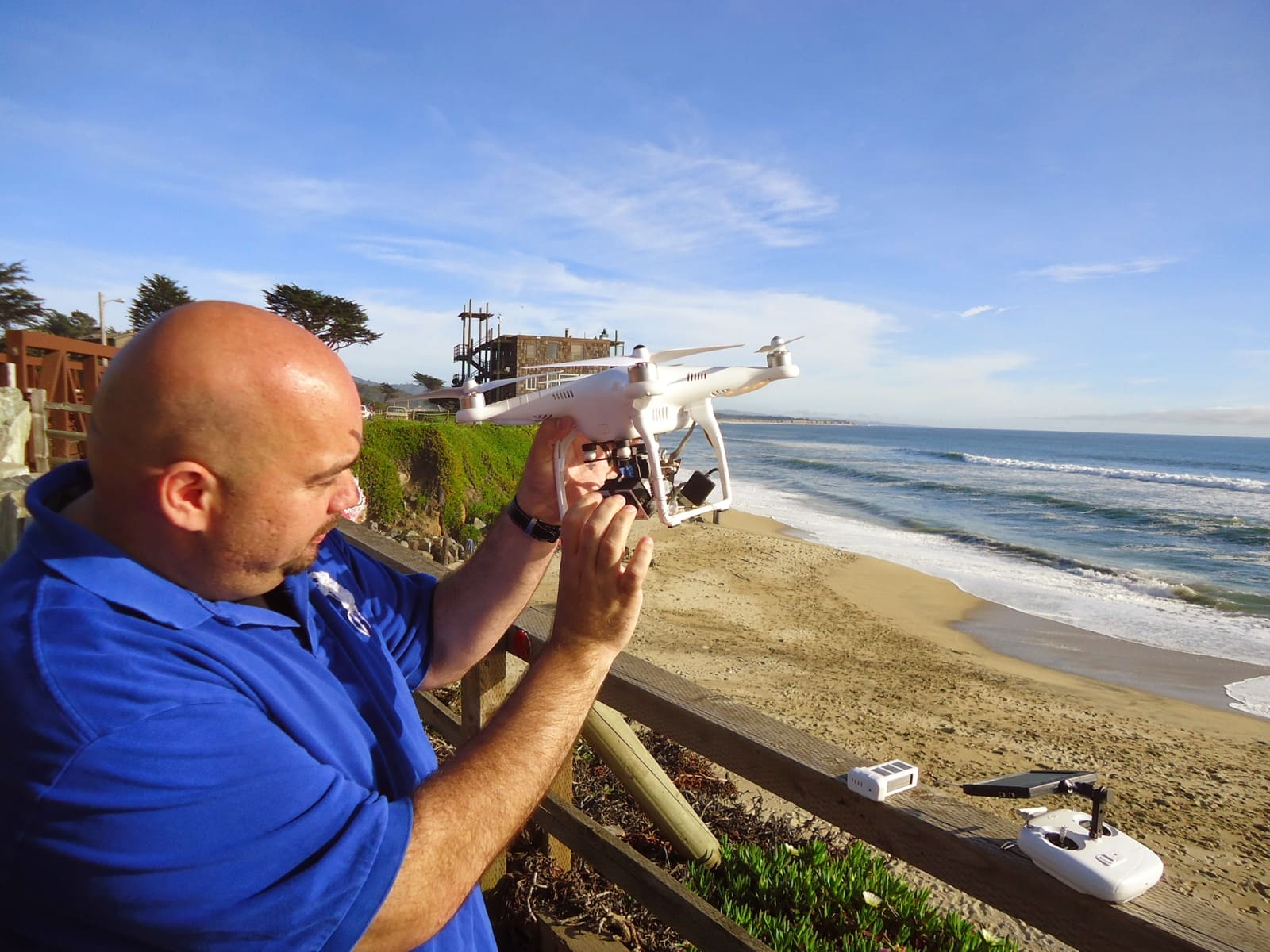
A drone development project needs an insurance review based on the actual tests planned. Explain what is being tested, who is involved and what equipment is at risk. Update the review as the project changes.
State the test purpose
Describe the question the test will explore. Identify which capabilities are established and which remain under evaluation.
Separate tests and demonstrations
A sales demonstration may differ from a development test. Describe each proposed activity. See our equipment demonstration guide for related questions.
Identify the configuration
List aircraft, payloads, control equipment and relevant modifications. Explain whether the configuration is final or will change between stages.
Name the parties
Identify the aircraft owner, operator, developer, research partner and site owner. Explain who supplies equipment and directs the work.
Prepare the submission
Provide the test purpose, dates, locations, pilots, equipment values and requested cover. Include agreements and facts the insurer requests.
Confirm authority and safety
Have qualified people address engineering, operating authority and test safety. The FAA’s UAS research resources provide regulatory context.
Separate liability and equipment
Ask how the proposed policy treats injury or damage claims from others. Review protection for the aircraft and test equipment separately.
Support equipment values
Identify owned, leased and borrowed items. Explain the requested values. The full research budget may include costs beyond the insured property.
Ask about an unsuccessful test
A failed test does not by itself establish a covered loss. Ask how the policy treats damage, defects, breakdown and performance shortfalls.
Review project agreements
Send site and research contracts for review. Ask which requested insurance terms can be supplied before promising them to another party.
Record changes between stages
Keep a dated record of changes in equipment, pilots, sites and test purpose. Ask whether the insurer must approve them before the next stage.
Review the move to customer work
Tell the insurance contact when testing becomes a paid assignment or a new service. Confirm the accepted use before taking on the work.
Consider a research partnership
For a borrowed payload on a modified aircraft, review ownership, custody and operator roles. Ask which policy addresses damage to each item.
Compare offers consistently
Use the same project description for each proposal. Compare limits, deductibles, exclusions, test restrictions and conditions.
Keep the final documents
Store issued terms, written approvals and reporting instructions with the project file. Make them available to the people responsible for insurance.
Resolve questions before testing
An ordinary drone policy may not include development work. Ask about the exact test, equipment and operators. Obtain written answers to material questions.
Request a review
Bring your project summary and equipment schedule. Ask BWI about drone flight-test insurance. Available terms depend on the disclosed project and underwriting.
Continue Reading

