
Drone equipment shipped to a job site needs an insurance review that follows the shipment from dispatch through return. Flight liability insurance does not, by itself, establish protection for a drone, sensor or controller damaged in a delivery truck. Start with the physical damage coverage, the equipment schedule and any transit wording, then compare them with the carrier's terms and the receiving arrangement.
The practical decision is whether the entire journey has an identified insurance response, including the quiet intervals when equipment sits at a depot, hotel or customer warehouse. An insured flight on Tuesday does not answer what happens to the case on Monday night. Neither does a tracking receipt prove that the full equipment value is protected.
At BWI, we help operators describe those details when requesting drone insurance options. Send us the equipment inventory and shipping plan before dispatch, especially when a detachable camera or specialized sensor represents a significant part of the kit. Get your drone insurance quote with BWI and identify the transit exposure in your request.
What Drone Insurance in Transit Needs to Address
A shipment creates a property exposure. The loss could involve a damaged airframe, a stolen case, a missing payload or an item delivered to the wrong recipient. Each possibility needs to be evaluated against the property actually insured, covered causes of loss, territory, exclusions and conditions. The phrase drone insurance is too broad to resolve those questions on its own.
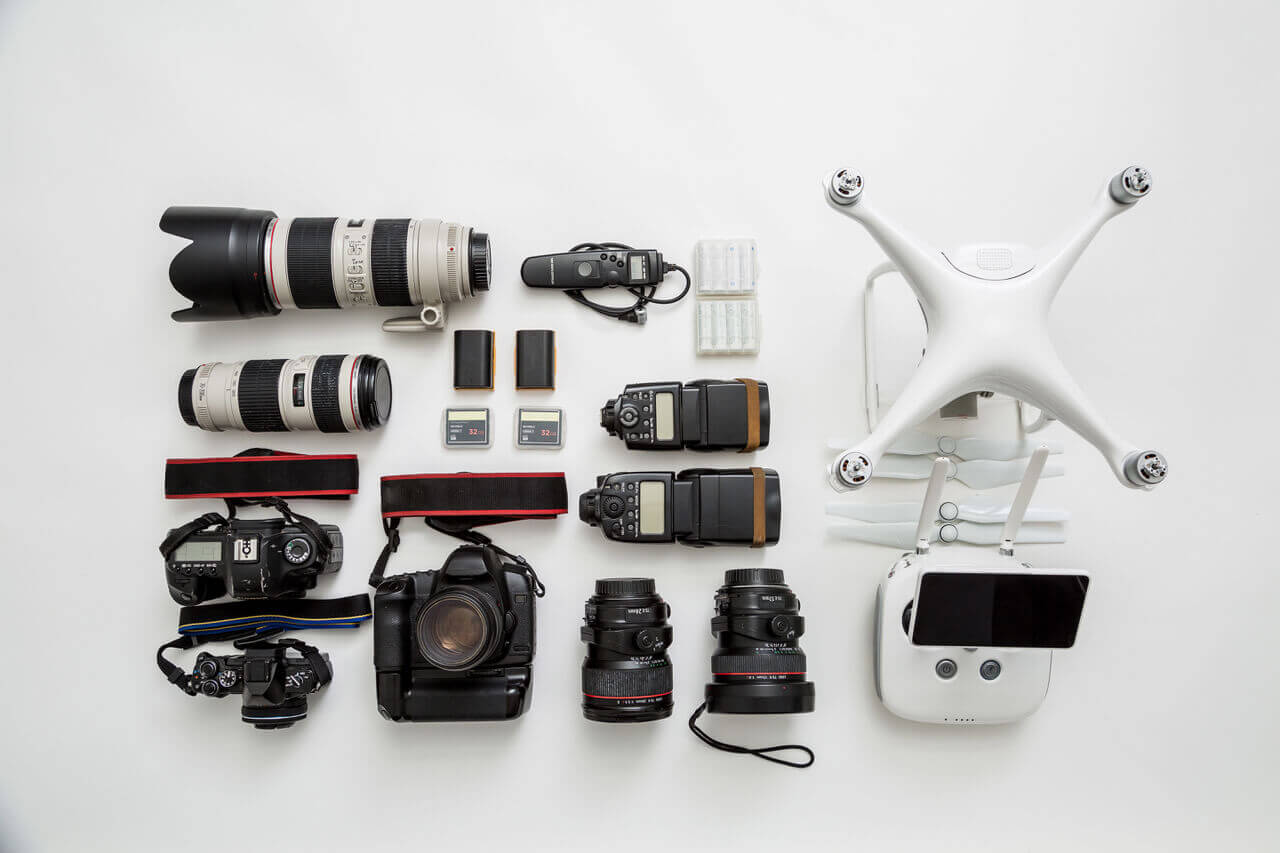
Begin by distinguishing the aircraft from the rest of the working system. A detachable thermal camera, positioning base station, computer, spare battery and controller may not all fall within the same property definition. Listing an aircraft value that includes its installed equipment does not necessarily schedule a sensor shipped separately. Conversely, buying a separate equipment policy can create another contract that must be coordinated with the aircraft protection.
The Global Aerospace drone program describes equipment and spare parts options. That is evidence that these are identifiable insurance questions, not proof that every drone policy includes shipment by every carrier. We use your actual inventory and proposed journey to make the request specific. The issued policy and endorsements determine the result.
Carrier Liability, Declared Value and Equipment Insurance
These three concepts are easy to confuse because each can appear during online shipping checkout. Carrier liability concerns the delivery company's responsibility under its applicable terms and law. Declared value generally informs a contractual liability arrangement, whose meaning depends on the service terms. Equipment insurance is a separate promise by an insurer under its own coverage wording.
Do not treat a box asking for value as confirmation that an insurance policy has been purchased. Read what the carrier actually offers, including the treatment of fragile electronics, packing, loss evidence and claim deadlines. An insurer may also have recovery rights against a responsible carrier. Avoid signing a release or accepting a settlement without checking how that affects the insurance claim.
The useful comparison is based on the obligation and property involved. Obtain the shipping terms for your exact service, rather than a general web summary for a different shipping method. Where contractual responsibility or a disputed limitation is significant, obtain appropriate legal advice.
| Document or arrangement | What it can establish | What still needs review |
|---|---|---|
| Carrier service terms | The delivery service and contractual responsibility | Liability limits, exceptions, notice and packing conditions |
| Declared value entry | The value declared for the selected service | Whether this changes liability or purchases insurance |
| Equipment schedule | Which aircraft, sensors and accessories are identified | Ownership, insured values and property definitions |
| Transit wording | The shipment circumstances addressed by the policy | Carrier custody, storage, territory and exclusions |
Build a Shipment Inventory That Matches the Policy
Write the shipping inventory as if the person reviewing it has never opened your equipment case. Identify each aircraft, major payload, controller and other significant item by make, model and serial number where available. Connect each item with its owner and supported value. Separate your own equipment from rented or borrowed property, even when everything travels together.
Use invoices, purchase records or other appropriate value support. A replacement estimate, purchase price and insured value can serve different purposes, so identify which figure you are supplying. Do not assume that entering a current retail price guarantees replacement cost settlement. Depreciation, agreed value language, limits, deductibles and other provisions require the actual policy review.
Photograph the contents before packing and retain those photographs outside the shipment. Include a clear view of identifying numbers when practical. An inventory that exists only on a laptop inside the case will be difficult to retrieve after a loss. Store the policy information, carrier reference and receiving contact somewhere the project manager can access.
Packing records are also useful. Record who packed the case, what protective materials were used and whether a specialist packed a fragile sensor. These records help describe what happened and support the shipment file. They do not make insufficient packing acceptable or override an exclusion.
Map Custody From Pickup to the Site Team
A transit review should identify people and locations, not just a departure and arrival date. The equipment may move from your employee to a courier, into a sorting facility, to a local delivery contractor and finally to a customer representative. A signature at reception can occur well before the pilot takes possession.
Specify whether delivery goes to your own employee, the client, a hotel or a logistics provider. Explain any expected hold before collection. Temporary storage may be treated differently from transportation under a particular contract. An overnight delay should therefore remain visible in the request even if the carrier regards the parcel as delivered.
Consider this hypothetical project. A survey company sends a drone and a removable sensor to a customer warehouse on Friday. Its pilot arrives Monday. The aircraft and sensor are listed under different insurance arrangements, and a warehouse clerk accepts the case. The review must address both items during carrier custody and the weekend hold. Simply confirming the flight date leaves the most important handoff unanswered.
A workable handoff record names the receiving person, backup contact, inspection process and secure storage location. If the client proposes a different delivery address, update the arrangement before redirecting the case. A location change can also alter who has custody and who is expected to report a problem.
Treat the Outbound Shipment, Site Storage and Return Separately
The outbound journey is only one leg. At the site, equipment may remain in a vehicle, office, locked container or customer building between flights. After the final mission, it may wait several days for collection. These circumstances should be included when describing how the equipment will be used and stored away from your base.
Return shipping can differ substantially from the original plan. A client may repack the equipment, choose another carrier or send the sensor to a repair facility. The original employee may already have left. Establish who can authorize those changes and which insurance confirmation needs to be revisited before the case moves again.
Rental arrangements deserve particular attention. A rental agreement may make your business responsible until the equipment reaches the supplier, rather than when your work finishes. That contractual obligation is not automatically insured. Provide the relevant agreement when requesting protection for borrowed equipment and identify the planned return destination.
Use one journey file that covers dispatch, receipt, site storage and return. Record actual dates alongside estimates and preserve changes. We can review the insurance request much more effectively when a project manager can explain where the equipment will be and who will control it throughout the job.
Shipping Batteries Is a Separate Compliance Decision
The battery configuration and transport method can affect what the carrier will accept and how the shipment must be prepared. A battery installed in equipment is not necessarily treated the same way as spare batteries packed separately. Air shipment, ground shipment and international movement can also involve different requirements.
Use the carrier's current dangerous goods instructions and appropriate qualified shipping guidance for your exact batteries and service. Do not copy an old packing method without checking whether the shipment characteristics have changed. Describe the contents accurately to the carrier and retain the required transport records.
Insurance is a separate decision. A quote does not authorize a prohibited shipment, and carrier acceptance does not establish insurance coverage. Keep compliance documentation with the journey file so the shipping team and insurance contact work from the same description.
What to Do When the Case Arrives Damaged
Give the recipient clear instructions before delivery. The first priorities are protecting people, preventing further equipment damage where safe and documenting the condition. Record the delivery time, packaging condition and contents, and retain tracking information and communications. Do not charge or operate suspect batteries or damaged equipment merely to see whether they still work; use qualified technical guidance.
Notify the relevant insurer and carrier promptly under their respective instructions. Explain what is known and what remains uncertain. A damaged outer case does not establish the condition of every item, and apparently intact packaging does not prove that a sensitive sensor is functional. Preserve the original packaging and damaged parts until the parties provide appropriate instructions.
The Global UAS specimen policy illustrates why coverage provisions and policy conditions must be read together. It is one insurer's example, not confirmation of BWI terms or your particular duties. Use the issued contract for reporting, inspection, cooperation and repair authorization requirements.
Keep the project consequences separate from the equipment claim. Replacement hire, expedited freight, missed revenue and a client cancellation can create different financial losses. Physical damage protection should not be assumed to reimburse them. Before promising the client a recovery, establish what the insurance actually addresses.
A Practical Dispatch Checklist
Complete the review while there is still time to change the shipment. A last minute certificate request cannot correct an equipment description or transit limitation by itself. Use the following checklist as a project handoff, with one person responsible for confirming completion.
- Match every significant aircraft, payload and accessory to its owner and insured property description.
- Confirm supported values and applicable deductibles without treating carrier declared value as insurance.
- Record origin, destination, carrier service, dates and every planned temporary hold.
- Identify the person accepting delivery and the secure storage arrangement before the pilot arrives.
- Confirm outbound and return transit treatment and disclose rented or borrowed equipment.
- Save packing photographs, shipment records, insurance documents and current notice contacts outside the equipment case.
Questions About Shipping Drone Equipment
Does Drone Liability Insurance Cover a Drone Damaged in Shipping?
Liability insurance and insurance for your own equipment serve different purposes. A liability certificate alone does not establish payment for physical damage to your drone. Locate the applicable property coverage and transit wording, then check the specific items, custody and journey. A combined program still needs each coverage part reviewed.
Is Declaring the Full Value to a Carrier Enough?
Not necessarily. Declared value must be understood within the selected carrier service terms. It may affect the carrier's liability arrangement rather than provide a separate equipment insurance contract. Compare the terms, evidence requirements and limitations with your insurance before deciding whether the shipment has the protection you want.
What if the Payload Travels in a Separate Case?
Identify it as a separate shipment with its own tracking and custody record. Check whether it remains within the insured property description when detached from the aircraft. Separate packing can change the timing and location of the exposure, even when both cases are intended for the same project.
Can I Send the Equipment Directly to a Client?
Provide that receiving arrangement before shipment. The important interval may be the period after the client signs and before your employee arrives. Establish authorized receipt, inspection and storage, then confirm how the policy treats that custody. Client permission to use a warehouse does not establish equipment insurance.
Will Insurance Pay if Shipping Delays Cancel the Job?
Do not assume that it will. Equipment damage, delivery delay, lost income and contractual cancellation charges are separate questions. A project can lose revenue without any insured equipment damage. Review the relevant coverage and client cancellation terms before agreeing that an insurer will reimburse the resulting costs.
Get a Drone Equipment Shipping Quote From BWI
A useful drone insurance request follows your equipment beyond the flight itself. At BWI, we can help you present the aircraft, payloads, shipping route and custody arrangements together when exploring protection. Include the equipment inventory, supported values, carrier, destination, temporary storage and return plan.
Read our drone insurance information for the broader coverage discussion, then get your drone insurance quote from BWI or call 866 788 6291. Tell us when the case must leave and which details are still changing. Coverage depends on the accepted terms, issued policy and applicable endorsements; submitting a request does not itself bind insurance.
Continue Reading

