
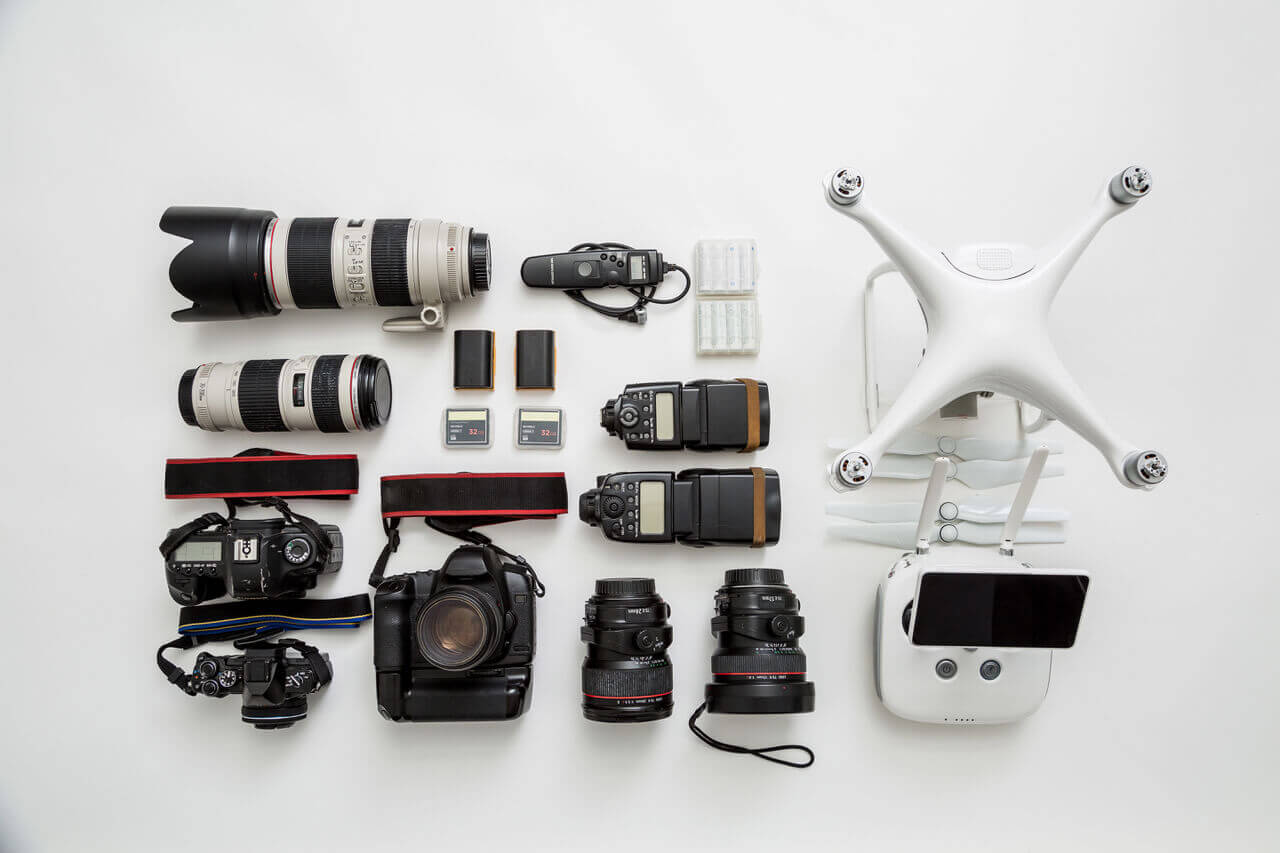
Build a drone insurance equipment schedule around the property you actually own or are responsible for, including detachable payloads. Identify each meaningful item, its owner, requested value information and how it moves between aircraft or locations. A single total for the whole kit can conceal missing property or count the same sensor more than once.
The most useful schedule also explains relationships. A camera may alternate between two aircraft, a rented sensor may be used for one project, and a controller may support several units. Record those facts clearly instead of treating every component as permanently installed in one drone.
At BWI, we can help review the equipment description and the information needed for available coverage options. Request an aircraft insurance quote from BWI with your current inventory and intended operations. Flag detachable, borrowed and rented equipment so the submission does not rely on an inaccurate one size description.
Start With a Physical Inventory
List what is actually in your operation before choosing insurance amounts. Include aircraft, detachable sensors, cameras, controllers and other meaningful equipment. Check storage areas and repair locations as well as the cases normally taken to a job.
Record identifiers where available, using the manufacturer's designation rather than a nickname alone. If an item has no readily available serial number, ask how the insurer wants it described. Do not invent an identifier simply to fill a field.
Separate items you own from those rented, borrowed or supplied by a client. The same case can contain several ownership interests. Keep the agreement or source record that explains responsibility for another party's equipment.
BWI's drone fleet insurance guide addresses the broader multi aircraft arrangement. The equipment schedule provides the detail needed to discuss individual property and shared components within that operation.
Use a Schedule That Shows Relationships
The following sample structure is an inventory tool, not an insurer approved schedule or valuation formula. Ask how the actual policy and application require property to be listed.
Use one clear entry for each meaningful property item and cross reference shared use. The objective is to identify the item once while explaining the aircraft and locations associated with it.
| Schedule field | What to record | Example of useful detail |
|---|---|---|
| Item identity | Type make model and identifier | Detachable thermal sensor with its own serial number |
| Owner or interest | Who owns it and your responsibility | Owned rented borrowed or client supplied |
| Value information | Requested amount basis and supporting record | Invoice or other requested evidence |
| Configuration | Installed detachable or ground equipment | Sensor alternates between two aircraft |
| Location and custody | Normal storage and other regular locations | Office field transport and repair facility |
| Related aircraft | Units with which the item is used | Cross reference aircraft identifiers |
| Change date | Acquisition removal or transfer date | Actual date supplied for review |
Separate Installed and Detachable Property Accurately
Describe whether the equipment remains installed or is routinely removed. Ask how the insurer defines the relevant categories. A device you call a payload may be treated differently under the actual application or policy wording.
Do not assume a detachable camera remains insured everywhere merely because it was included while installed. Describe storage, transport, repair and any nonaircraft use you want reviewed. The item's status away from the drone is a separate useful fact.
As a specific application example, the published Ideal drone insurance application asks for scheduled equipment and payload valuation information. Follow the form and insurer applicable to your submission rather than assuming every provider uses the same approach.
Keep the technical configuration accurate as well. The insurance inventory should not substitute for equipment compatibility, maintenance or operational approval. Qualified people should determine those questions using the appropriate guidance.
Avoid Counting One Sensor in Two Aircraft Values
A shared sensor can be mistakenly included in the total for each aircraft and then listed separately again. Before submitting values, identify what each aircraft amount includes and where the sensor appears.
Ask the insurer how to represent shared equipment within the offered arrangement. Do not solve the problem by arbitrarily subtracting a number without understanding the valuation basis. The goal is an accurate schedule, not simply the smallest total.
Use cross references in the inventory so the relationship remains visible. For example, list the sensor once in your working record and note the aircraft with which it is used. Then follow the insurer's instructions for the formal submission.
Keep supporting records that explain the amounts. A spreadsheet total may be mathematically correct while still including the same item several times. Review the property behind the numbers, not only the final sum.
Review Values Using the Actual Offered Basis
Supply the value information requested by the insurer and ask how the offered policy settles covered property losses. Purchase price, replacement cost and an agreed amount are not interchangeable labels you should select without review.
A discounted purchase or used sensor can create a different question from a newly purchased system. Provide the facts and requested evidence. Do not assume a receipt automatically determines the appropriate insured amount or the amount payable after a claim.
Include meaningful upgrades or changes when they occur. If the schedule still reflects an older camera after a new sensor is purchased, the inventory may no longer describe the operation. Update the information through the agreed process rather than waiting for a claim to reveal the mismatch.
Review the applicable deductibles, limits and conditions with the actual terms. A total equipment value does not by itself explain whether a particular item, location or event is addressed.
Identify Borrowed and Rented Payloads Separately
A temporary sensor should have its own ownership and responsibility record. Include the agreement, identifiers, value information and custody dates. Do not list it as owned simply because it will be installed on your aircraft for the project.
Ask how the proposed insurance addresses the property and any contractual obligations. A rental agreement may concern more than the item itself, so send the actual terms for appropriate review. Avoid promising to reimburse every possible cost based on a general equipment limit.
Record pickup, transport, storage and return. A one day mission may involve several days of responsibility. The equipment schedule should connect with the custody timeline rather than showing only the flight date.
When the temporary item is returned, retain the handoff evidence and obtain any appropriate policy update. Do not erase the historical entry in a way that makes it impossible to identify what was used on the earlier project.
Account for Equipment Away From the Aircraft
List regular storage and repair locations where meaningful equipment may be kept. Explain whether a sensor is at your office, with a subcontractor, at a service facility or in transit. Do not assume an installed equipment description answers every away from aircraft situation.
Ask specific questions about the actual plan. A payload stored between jobs and one shipped internationally for repair involve different facts. The review should address the location and custody you describe rather than a generic request for worldwide cover.
Keep manufacturer and repair documents with the inventory where useful. If an item is exchanged for another unit, record the new identifier and relevant dates. A repair invoice may describe replacement rather than the return of the original serial number.
Use appropriate security, transport and technical practices for the equipment. The inventory is a communication and evidence tool, not a substitute for the responsible team's operating procedures.
A Sensor Shared Between Two Drones
Consider a business with two aircraft and one detachable mapping sensor. The sensor moves between the aircraft depending on the job. The owner initially includes the complete kit price in each aircraft's value and then adds the sensor as a separate item.
A relationship based inventory exposes the duplication. The owner identifies each aircraft and the single sensor, explains shared use and asks the insurer how the formal schedule should reflect the arrangement. Supporting value information is supplied for the relevant items.
Later, a rented sensor is added for one project while the owned sensor is repaired. The owner records the temporary item's agreement and custody dates as well as the owned sensor's location. The inventory now describes two different property interests rather than silently substituting one for the other.
The example does not prescribe a particular policy structure. It shows how a clear working inventory helps prevent ambiguity before the insurer prepares or reviews the formal equipment description.
Link Equipment Changes to the Insurance Process
Choose a person responsible for reporting acquisitions, disposals, replacements and meaningful configuration changes. Make the trigger part of the purchasing and rental process so the insurance review happens before the equipment becomes a project dependency.
Keep requested changes separate from accepted and issued changes. Record what was submitted, the requested effective date and the actual response. An internal spreadsheet update is not the insurer's confirmation.
At renewal, compare the working inventory with the policy documents and actual property. Remove obsolete assumptions through the appropriate review while preserving historical records. A copied schedule can accumulate errors when nobody checks the equipment behind it.
If the policy uses a broader equipment description rather than an itemized schedule, still maintain an accurate internal inventory. Ask how the actual wording applies and what reporting or valuation information is needed. Do not assume one format eliminates the need to understand what you own.
Keep Evidence Useful for a Later Claim
Retain purchase and rental documents, identifiers, relevant condition photographs and the accepted insurance record. Link an item to the projects and custody changes that matter without making the file unnecessarily difficult to use.
If a loss occurs, contact the relevant insurer promptly and follow its instructions. Preserve available equipment and records as appropriate. Do not dispose of damaged property or replace the history with a new inventory that conceals the item present at the time.
An accurate schedule helps explain the facts, but it does not guarantee a claim payment. The actual terms and circumstances still require review. Its practical value is that everyone can identify the property and interest without reconstructing them from scattered receipts.
Frequently Asked Questions About Drone Equipment Schedules
Should Every Detachable Payload Have Its Own Entry?
Describe meaningful items and ask how the insurer wants them represented in the formal submission. Keep a clear internal record of ownership, identifiers and shared use. Do not assume every policy uses the same scheduling format.
Can One Sensor Be Used With Several Insured Drones?
Explain the shared use and obtain the actual review. Avoid counting the same sensor several times or assuming acceptance for one configuration addresses every other aircraft. The insurer should understand the intended combinations.
Does the Aircraft Value Include All Ground Equipment?
Ask what the amount and property description actually include. Controllers, chargers and other equipment may need a distinct discussion. A single aircraft total does not explain every item in the case.
What Amount Should I Use for a Used Sensor?
Supply the requested value information and supporting records, then review the offered valuation and settlement basis. Do not assume either original price or today's purchase receipt is automatically the correct insured amount.
Do I Need to Report Equipment Sent for Repair?
Describe the location, custody and any replacement or exchange. Ask what the actual policy requires and how it addresses the proposed arrangement. A repaired item returning with a new identifier should be recorded accurately.
Get a Quote From BWI for Your Drone Equipment
We can help review the aircraft, detachable payloads and other property that make up your operation. Send an inventory showing ownership and shared use so the insurance request starts with an accurate equipment picture.
Get an aircraft insurance quote from BWI or call 866 788 6291 with your drone and payload details. Include rented equipment and regular storage or repair arrangements before relying on a generic kit value.
Continue Reading

