
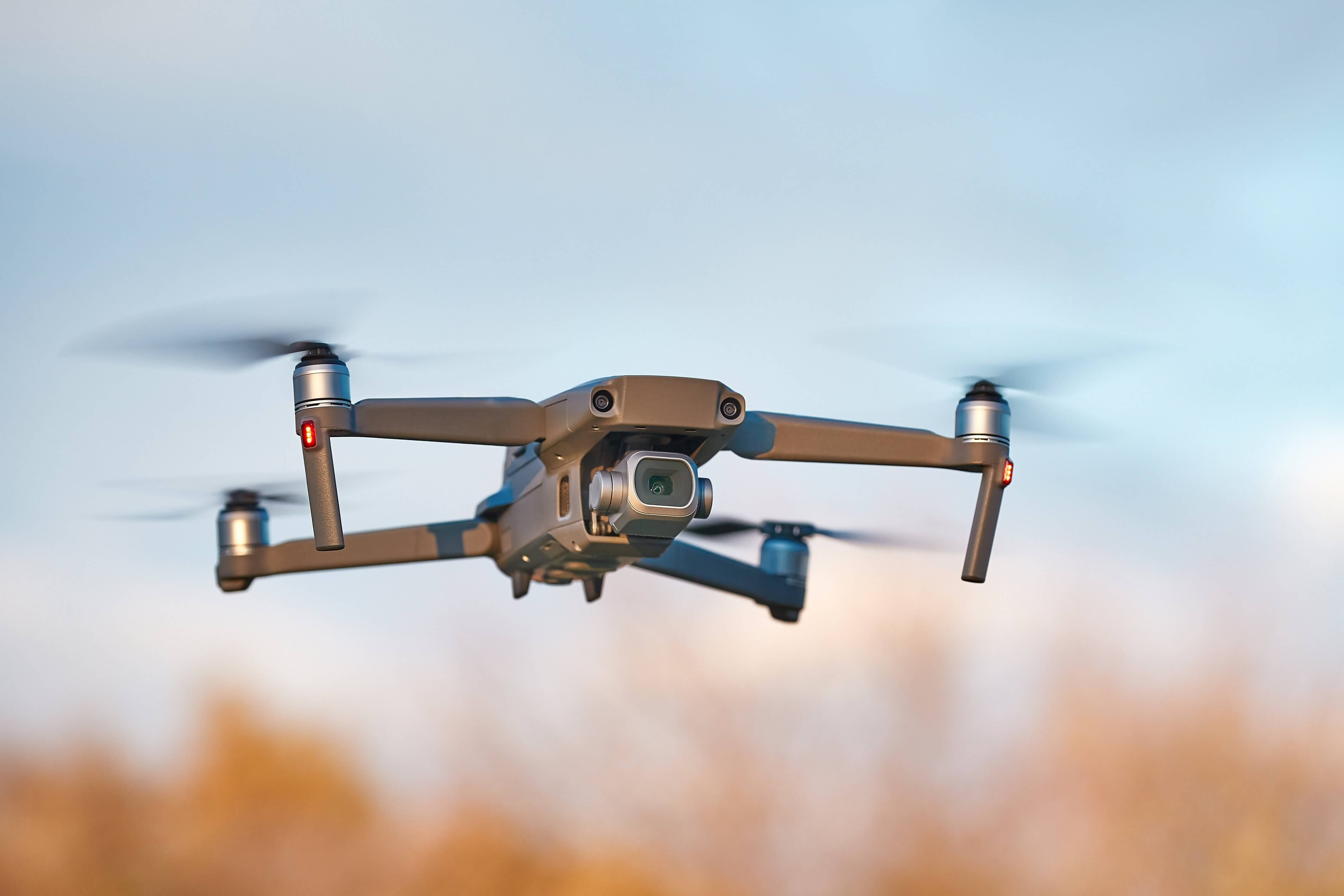
When a replacement drone arrives during a project, confirm how the insurance arrangement addresses the actual unit before it is operated. Identify the new serial number, ownership, value and payload configuration. A replacement that looks identical to the old aircraft can still require a specific review or update.
The change can be more complicated than replacing one line in an equipment list. The original drone may remain at a repair facility, the replacement may be rented, and a client's certificate may refer to the earlier system. Keep those questions separate so the new unit is added accurately without losing track of the old one.
At BWI, we can help present the equipment change and intended operation. Request an aircraft insurance quote from BWI with both aircraft details and the dates. Tell us whether this is a purchase, rental, loan or manufacturer replacement and whether the original aircraft remains in your custody.
Identify What Kind of Replacement You Have
A purchased aircraft, temporary rental, borrowed unit and manufacturer supplied replacement create different facts. State which arrangement applies and who owns the unit when it arrives. Do not describe a loaner as owned merely because you expect to use it for several weeks.
If the replacement follows damage to the original drone, keep the claim process separate from the equipment change request. A claim acknowledgment does not by itself explain the insurance status of another aircraft. Provide the relevant facts to the appropriate people without assuming one process completes the other.
Obtain the actual identifiers and configuration. A supplier's order confirmation may identify a model without showing the final unit. Ask how to handle the pending information and supply it through the agreed process when available.
BWI's drone insurance page is the broader starting point. A midproject replacement needs a clear account of what is changing, what remains and when the new operation is intended to begin.
Keep the Old and New Units on Separate Lines
Use a change record with separate entries for the original and replacement aircraft. This avoids treating the arrival of one as proof that all interest in the other has ended.
The table is an inventory and review aid. It does not determine whether an automatic provision exists or whether any particular policy covers both units.
| Fact | Original aircraft | Replacement aircraft |
|---|---|---|
| Identity | Model and serial number | Actual model and serial number |
| Ownership | Owner and remaining interest | Purchase rental loan or other arrangement |
| Location | Repair facility storage or other custody | Delivery storage and operating location |
| Status | Damaged under repair retained or disposed | Received testing or ready for reviewed operation |
| Equipment | Payloads remaining or removed | Installed borrowed or transferred payloads |
| Requested change | What should remain or end and when | What protection is requested and from when |
| Evidence | Claim repair or return records | Invoice agreement and accepted insurance response |
Check the Policy Process Before the First Operation
Review the actual policy and ask how it treats an additional or replacement drone. Do not assume there is a universal grace period, automatic reporting deadline or automatic physical damage extension. The wording and facts determine what process applies.
If a provision requires notice or other conditions, understand exactly what must be supplied and when. Keep the accepted response with the equipment record. A message sent to request a change should not be treated as confirmation that every requested term is in effect.
Ask about the intended first activity, including testing or familiarization if relevant. The replacement may be delivered before the commercial mission, and the insurance discussion should describe the activities planned during that interval.
If the insurer needs another document or information before responding, resolve it rather than guessing. Project urgency does not determine the effective date or accepted conditions of an insurance arrangement.
Review the Actual Configuration and Value
Compare the replacement with the prior aircraft. A different model, upgraded camera or detachable sensor can change both the equipment description and the intended operation. Record the differences instead of calling it the same drone for administrative convenience.
Supply the value information requested by the insurer. The purchase price, rental owner's replacement requirement and amount previously insured may be different figures. Ask what basis the offered arrangement uses rather than copying the old amount automatically.
Identify equipment transferred from the original unit. If a sensor remains yours and moves to the replacement, avoid counting it twice or dropping it from the record. Describe its actual ownership and use across the change.
BWI also discusses the broader drone fleet insurance arrangement. For the immediate replacement, a clear equipment record helps distinguish an additional unit from a unit that genuinely replaces an old one.
Do Not Remove the Original Aircraft Too Early
The original drone may still have value or remain subject to a repair, rental return or claims process. Identify what interest continues and ask how the insurance should address it. Do not assume it disappears from the arrangement when a new box arrives.
If a claim is involved, follow the relevant insurer's instructions about the damaged property and evidence. Keep the claim correspondence separate from a request to change the equipment schedule. Avoid disposing of or transferring property based only on an assumption that the claim is finished.
If the original is a rental or loaner, confirm the agreed return and acceptance process. The arrival of your own replacement may not end responsibility under that agreement. Retain the actual custody dates and handoff records.
When the original is sold or otherwise leaves your interest, supply the correct facts and requested date for review. Obtain the issued response rather than deleting the row from your internal spreadsheet and assuming the policy follows.
Check Whether the Pilot and Mission Also Change
A replacement can require different preparation even when it performs a similar job. Use appropriate technical and training processes to establish pilot readiness for the actual aircraft and payload. For insurance, supply any requested experience and qualification information.
Explain if the mission changes because the new system has different capabilities. An aircraft replacement request should not hide a new type of work, operating method or location. The insurer needs the real proposed operation.
If another pilot will perform the remaining project, have that arrangement reviewed as well. Do not assume acceptance of the new aircraft automatically includes every person who might operate it.
Keep regulatory requirements separate. Use current official guidance and the responsible team's operational process for registration, identification and permissions applicable to the replacement. Insurance documentation does not complete those tasks automatically.
Compare the Client Documents With the New Equipment
Check whether the service agreement or evidence supplied to the client identifies a particular aircraft or equipment configuration. If it does, ask what needs updating. Even where the certificate does not list a serial number, the underlying project facts should remain accurate.
Do not edit an issued certificate yourself to replace an aircraft name. Send the actual change to the issuing party and obtain current evidence where needed. Keep the earlier packet in the archive so the timeline remains understandable.
If the client has approved a particular system for technical or security reasons, obtain its separate acceptance of the replacement. Insurance review and client equipment approval are different steps, and neither should be used as proof of the other.
If the new equipment belongs to a subcontractor, explain that change in the contracting chain. A replacement unit may introduce another business and a different insurance arrangement as well as another serial number.
A Loaner Arrives While the Original Is Repaired
Consider an operator whose owned drone needs repair halfway through a mapping project. A supplier provides a temporary loaner, while the original remains at a service facility. The operator expects to transfer its own sensor to the loaner for the remaining flights.
The change request identifies the loan agreement, loaner aircraft, sensor and planned dates. It also explains the original drone's location and continuing interest. The insurer can review both entries rather than receiving a vague instruction to replace one model name with another.
If repairs finish early, the operator updates the return and operating sequence before switching back. The accepted arrangement should describe when each unit is used and when responsibility for the loaner ends.
The example does not establish that both aircraft are automatically covered or that a new policy is always necessary. It demonstrates the useful facts for a temporary overlap between original and replacement equipment.
Use a First Flight Release Checklist
Before the replacement operates, confirm that the actual equipment information has been supplied, the relevant insurance response is understood and any required evidence is available. Keep those items distinct from the technical and regulatory checks that the responsible people must complete.
The pilot should know which aircraft and payload are being used and whether any conditions affect the operation. A project coordinator should be able to identify the current documents without searching through several contradictory email attachments.
If an item remains unresolved, identify who will resolve it and what depends on the answer. Avoid turning a shipment tracking notification into an informal release to operate.
After the first operation, retain the actual equipment and date record. If the project later produces a question or claim, a precise change history is more useful than a file that shows only the latest drone.
Frequently Asked Questions About Replacement Drones
Is an Identical Replacement Automatically Insured?
Review the actual policy process and conditions. The same model can have a different identifier, owner or equipment arrangement. Do not assume a universal automatic period or deadline from another operator's experience.
Should I Delete the Old Drone When the New One Arrives?
First identify any remaining ownership, custody, repair or claim interest. Ask what should change and when, then retain the accepted response. Internal inventory editing does not itself change the policy.
Does a Manufacturer Replacement Complete the Insurance Change?
No shipment or replacement program should be treated as the insurer's confirmation. Supply the actual unit details and review the intended operation. Keep the manufacturer process and policy change process separate.
Can I Transfer My Existing Payload to the Replacement?
Describe the transfer and have the configuration reviewed. Keep ownership and value information accurate and avoid double counting. Resolve technical compatibility and operational suitability through the appropriate qualified process.
Do I Need to Send the Client New Documents?
Check its actual agreement and the evidence already supplied. A named aircraft, changed owner or revised arrangement may need an update. Obtain issued documents through the proper channel rather than editing an old certificate.
Get a Quote From BWI for Your Replacement Drone
We can help present the old unit, replacement and any period when both remain part of the arrangement. Send the actual identifiers, ownership and payload details before relying on the new aircraft for the project.
Get an aircraft insurance quote from BWI or call 866 788 6291 and explain the equipment change. Include the first intended operation and any rental, loan or claim process involving the original system.
Continue Reading

