
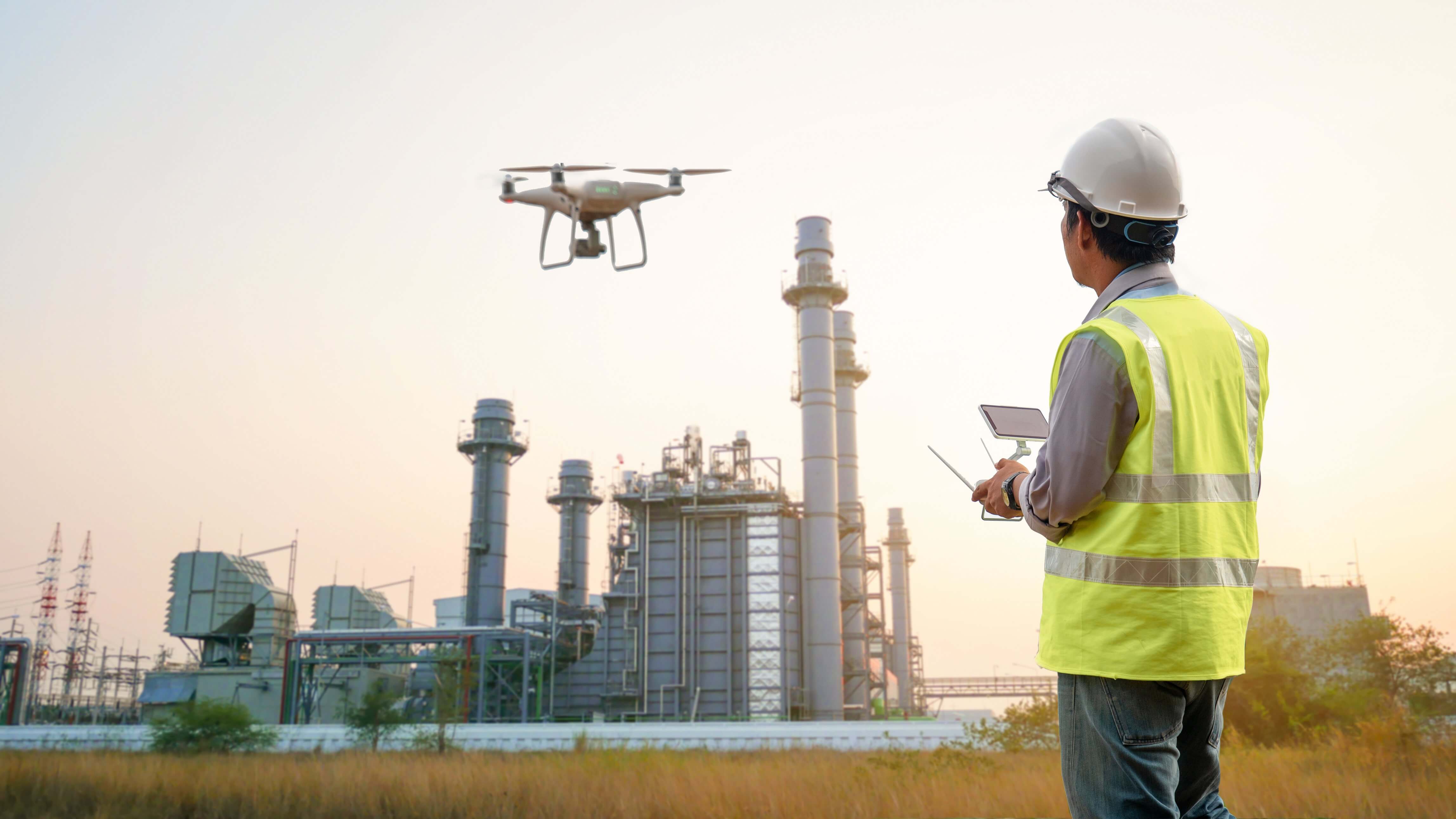
Tethered drone insurance should describe the complete system and the actual commercial operation. A tether does not, by itself, establish that a standard drone policy accepts the mission or insures the cable, reel and ground power equipment. Disclose the configuration before quoting the job, then confirm which property and liabilities the accepted terms address.
The important difference is that the aircraft remains connected to a ground installation while operating above the site. That connection creates equipment, access and responsibility questions beyond the aircraft itself. A damaged tether, a ground station incident and an aerial collision can involve different property and different allegations.
At BWI, we help drone operators present specialized configurations when requesting insurance options. Include the aircraft, tether system, ground installation and proposed mission together. Get your tethered drone insurance quote with BWI and explain the configuration rather than describing the aircraft as an ordinary free flying camera drone.
Describe the Aircraft and Ground System as One Operation
Start with a simple system inventory. Identify the aircraft model, payload, tether, reel or management unit, ground power equipment and supporting platform. Explain which components are supplied as an integrated system and which your business has added or modified. Do not assume an aircraft model on a schedule communicates the complete configuration.
Provide supported values and ownership for the significant components. Your company might own the aircraft while renting the ground equipment or borrowing a specialized sensor. Those relationships matter when matching the inventory to insured property definitions. Equipment needed for the mission is not automatically included within the aircraft's insured value.
Describe the tether's role in plain language. State whether it provides power, data, restraint or a combination, and explain the normal operating arrangement. Include the planned duration, site environment and supporting personnel. The insurer needs to understand what the system does without being expected to infer it from a product brochure.
Manufacturer information can support the submission, especially where equipment limits or required procedures affect the proposed work. It does not replace the insurer's own acceptance. If your arrangement departs from the manufacturer's described configuration, disclose that accurately rather than presenting a modified system as the standard product.
Separate the Losses Before Selecting Protection
A tethered operation can produce more than one kind of loss. Identify the property that could be damaged and the parties that could make a claim. This is more useful than asking whether tethered drones are covered in the abstract. The answer depends on the system, work and applicable contract.
The Global Aerospace drone program describes aircraft and equipment options, while its UAS specimen illustrates policy sections and conditions. Neither establishes universal coverage for a tethered configuration. Use the actual issued wording to identify how the aircraft and ground components are treated.
| Part of the operation | Potential insurance question | Information to supply |
|---|---|---|
| Aircraft and payload | Physical damage and aerial liability | Models, values, use and accepted configuration |
| Tether and management equipment | Insured property and operational treatment | Function, ownership, values and replacement details |
| Ground power installation | Equipment damage and site liability | Location, power source, custody and access controls |
| Client service | Liability from the promised deliverable | Contract scope, intended reliance and limitations |
| Setup and dismantling | Work before and after the aircraft is airborne | Personnel, handling responsibilities and nearby property |
The Ground Footprint Can Be the Critical Site Issue
A client may focus on the drone's height while overlooking what happens around the anchor point and ground station. Identify where equipment will be placed, how people move around it and who controls the area. The launch location, power source and cable management need to be part of the description supplied for insurance review.
For example, a station behind a controlled perimeter differs from equipment beside a shared pedestrian route. A rooftop installation differs from a fenced ground position. These examples do not establish that one arrangement is insurable or another is excluded. They show why the insurer needs the actual location and responsibility structure.
Explain whether your crew or the client provides site control. If your proposal relies on the client restricting access, put that responsibility into the work plan and obtain appropriate agreement. A statement that the site is secure should be supported by a description of how access is managed and who can stop the operation.
Also disclose property entrusted to your crew. Connecting to client equipment, handling rented generators or attaching the system to another party's platform can introduce custody and contractual questions. Proximity alone does not decide how an exclusion applies, but accepted responsibility for an item should not disappear from the submission.
Setup, Operation and Dismantling Need a Continuous Plan
The aircraft may fly for only part of the time your crew is at the site. Ground equipment must be unloaded, positioned, connected, monitored and removed. Describe those activities and identify who performs them. If subcontractors help with installation or power, disclose their roles rather than treating them as invisible support.
A project agreement should distinguish responsibilities for the aircraft from responsibilities for the site. Identify who supplies the platform, who authorizes connection to power and who verifies that the installation area is ready. Qualified operational and technical personnel should establish suitable procedures for the actual equipment. An insurance explanation is not an installation instruction.
The same review applies when the system remains on site overnight. State whether it is dismantled, left assembled or stored in a client facility. Identify who retains keys and responsibility after your crew leaves. A daytime operation description does not necessarily address unattended equipment at the location between shifts.
Keep the transition out of service clear. Record who takes possession of each component at the end of the contract and how rental returns are handled. A client signature that the mission is complete does not necessarily end your contractual responsibility for equipment that remains at the site.
Do Not Treat a Tether as a Regulatory Shortcut
Operational authority and insurance permission are separate questions. Do not assume that connecting an aircraft to the ground automatically removes the need to evaluate applicable aviation requirements. The aircraft, mission, location and operating framework still need the appropriate qualified review.
The FAA's commercial drone operator information is a starting point for the small drone framework. It does not determine insurance coverage for a particular tether system. If an operation needs an authorization, waiver or another approval, disclose the relevant details to the insurer. Having an approval does not expand the policy's accepted scope by itself.
Avoid describing the tether as proof that the aircraft cannot create risk beyond its immediate position. Provide the manufacturer's operating information and your proposed controls instead. Regulatory interpretation, engineering suitability and insurance acceptance should each be resolved by the appropriate parties using the actual system facts.
A Hypothetical Change From Open Ground to a Rooftop
Consider a hypothetical site monitoring assignment originally planned from a fenced area at ground level. The operator describes a tethered camera system, controlled ground station and a crew monitoring the installation. Before the start date, the client asks to move the station onto a rooftop and keep the system in place between shifts.
The aircraft may be unchanged, but the proposal now involves a different installation, access arrangement and overnight custody. Rooftop property, movement of equipment and the client responsibilities may need additional review. The operator should supply the revised plan before treating the original insurance discussion as approval for the new setup.
A useful change record identifies what moved, what remained the same and who now controls access. It should also identify whether a different contractor provides power or installation support. The insurer can then evaluate the changed facts rather than receiving a vague notice that the job address is unchanged.
This hypothetical does not predict coverage. Its purpose is to show why configuration control matters. A tethered system is an operation, not merely an aircraft serial number. When the installation changes, reopen the insurance and contractual review while there is time to modify the plan.
Read the Client Contract Beyond the Insurance Limit
A commercial site may request liability evidence, additional insured status and protection for specified property interests. Obtain the exact legal names and complete requirements before issuing project evidence. A certificate should reflect supported policy terms; it cannot create acceptance for a specialized configuration that was never reviewed.
Read indemnity and service obligations alongside the insurance requirement. A contract might require uninterrupted monitoring, reimbursement for an outage or responsibility for the client's equipment. Those promises can differ from covered liability for physical injury or damage. Legal advisers should address interpretation and enforceability, while the insurance review identifies the protection actually available.
The deliverable matters as well. Supplying live imagery differs from guaranteeing detection of every intrusion, defect or event. Describe the service honestly and identify known limits. If the project includes professional analysis or a security responsibility, disclose that separately. Do not assume a drone liability policy insures all financial consequences of failing to provide the promised service.
Keep the final accepted scope with the insurance documents. If the client adds another camera, extends the duration or changes who receives the data, assess whether the insurance description remains accurate. A renewal or extension should not become an automatic repeat of an outdated mission summary.
Prepare This Information for the Insurance Review
A complete request helps distinguish a supported proposal from an assumption. Prepare the following details before the system is mobilized. Mark unanswered questions so they can be resolved before anyone relies on the proposed terms.
- Aircraft, payload, tether reel and ground equipment details with ownership and supported values.
- Manufacturer configuration and disclosure of modifications or nonstandard components.
- Site plan, station location, operating height, duration and access arrangements.
- Personnel roles including pilots, installation support and subcontractors.
- Power arrangements, setup and removal responsibilities and overnight custody.
- Client agreement, insurance requirements, service promises and planned use of the output.
Questions About Tethered Drone Insurance
Does the Tether Need Its Own Entry on the Schedule?
It depends on the property definitions and scheduling method. Identify the tether and related equipment with supported values, then obtain a clear explanation of where they are insured. Do not assume the aircraft entry includes every ground component, or that separate scheduling by itself resolves all operating conditions and exclusions.
Does a Tether Guarantee Lower Insurance Cost?
There is no universal pricing conclusion. The insurer evaluates the actual equipment, site, mission, pilots, requested limits and other relevant facts. A tether changes the configuration rather than automatically proving a lower risk. Compare actual proposals and terms without treating a product description as a promised discount.
What if the Ground Equipment Is Rented?
Disclose the rental ownership and agreement, including when your responsibility begins and ends. Confirm whether the property can be insured under the proposed arrangement and how damage responsibility is treated. The equipment being essential to your flight does not automatically make it your insured property.
Can One Approval Cover Every Site?
Do not assume that it does. A policy can have an accepted scope that must be compared with each assignment's facts. Changes in installation, people nearby, operating conditions or service obligations can require review. Keep a repeatable site worksheet so the business can recognize when a new job differs from the accepted description.
Is Equipment Damage the Same as a Client Outage Claim?
No. Damage to insured equipment and a financial allegation about interrupted service are different questions. An outage might occur without any physical damage. Review the client promise, relevant liability wording and any specific expense coverage before assuming the insurer will reimburse lost production, monitoring gaps or contractual penalties.
Get a Tethered Drone Insurance Quote From BWI
At BWI, we can help you present the complete tethered system and commercial assignment when requesting drone insurance options. Send the aircraft and ground equipment inventory, site plan, operating duration, personnel details and client requirements. Include any planned modifications or changes in installation before relying on a proposal.
Review our drone insurance information, then get your tethered drone insurance quote from BWI or call 866 788 6291. We can help organize the coverage questions around your actual operation. Coverage depends on the accepted terms, issued policy and endorsements; a request does not bind protection.
Continue Reading