

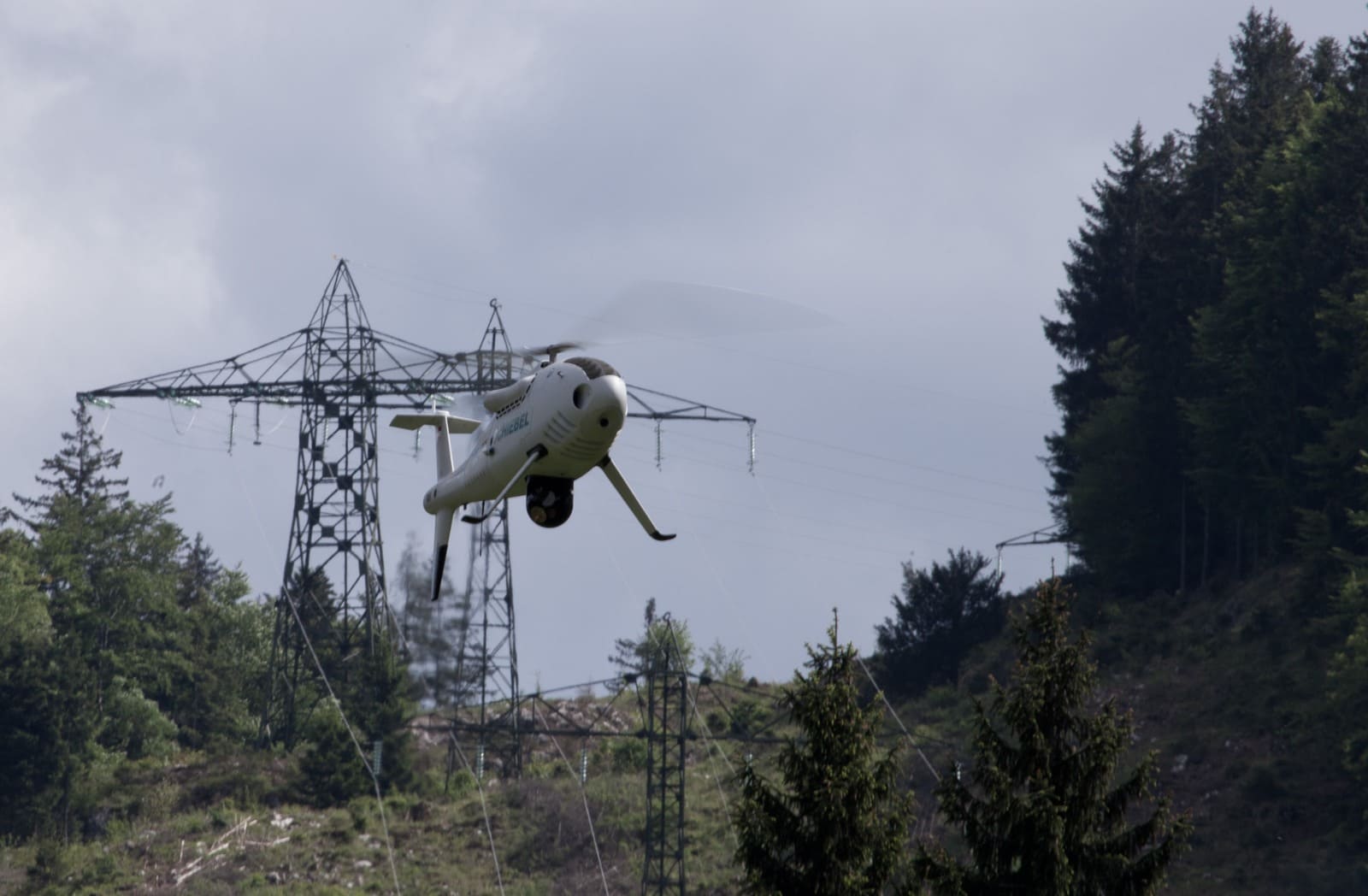
A drone business proposing utility cable stringing should describe the physical work, equipment connections and construction responsibilities when requesting insurance. A policy arranged for inspecting power lines should not be assumed to accept carrying or placing a line as part of a utility project. Supply the actual work order, aircraft configuration and contractual role before promising the customer that the assignment is insured.
At BWI, distinguish what the drone company will do from the work performed by the utility, construction contractor and ground crew. A project described simply as power line work can conceal very different activities. This guide explains how to prepare the insurance inquiry. It does not provide cable handling methods, electrical safety procedures, aircraft load instructions or a determination that any proposed flight is authorized or technically suitable.
A useful cable-stringing submission follows the construction task, the material handled and the completion boundary. It is different from a utility inspection request even when the client and corridor are familiar. Supply these facts through the BWI drone insurance inquiry and ask whether the actual proposed work can be considered. This guide does not establish that a particular aircraft, attachment or utility contract is eligible.
Define the exact construction task
Identify what the aircraft will carry, place or connect and how that activity fits the customer’s project. Use the actual technical scope supplied by the responsible professionals. A drone carrying a lightweight initial line presents a different description from one handling another material or load. Avoid substituting a familiar inspection label because the work occurs along the same utility corridor as a previous imagery assignment.
State the beginning and end of your company’s task in the work order. Is the business supplying only an aircraft and pilot for a defined initial-line placement, or promising a completed construction stage accepted by the prime? Identify who supplies the line, who controls supporting ground work and who confirms completion. The insurance reviewer should not have to infer those duties from the total subcontract price or a general reference to utility services.
Describe proposed changes honestly. If the aircraft, attachment or method has not been selected, identify the alternatives and current status. Ask what information is needed before an option can be evaluated. Do not present a manufacturer’s demonstration or a contractor’s hoped for capability as an operation your company already performs. Insurance review should follow the actual proposal and be revisited when material facts are finalized.
Map the utility and contractor relationships
List the legal parties involved in the work order. The utility owner, prime contractor, specialist line contractor and drone business may all have different responsibilities. Identify who hires your company and who controls the wider project. A prominent utility logo does not establish the contracting entity or tell the reviewer whether your company is a direct contractor, subcontractor or equipment supplier.
Read the subcontract’s incorporated documents. A short purchase order can refer to the utility’s master construction terms, a site-specific insurance exhibit and separate responsibility for customer materials. Obtain the documents that actually bind your company and identify their versions. Qualified legal advisers should assess the commitments. Do not submit only the page listing liability limits while omitting the terms that assign responsibility for damaged line, delay or interruption.
Identify which company employs or engages the ground crew and any additional pilots. Explain whether they work under your contract or another contractor’s direction. A division of duties should follow the real arrangement rather than a label chosen to simplify an application. If your business expands its role during negotiation, submit that change before relying on a review based on supplying only the aircraft and pilot.
Distinguish line placement from inspection and mapping
Inspection and cable stringing can involve the same broad industry while creating different services. Explain the physical task and any connection between the aircraft and material handled. Include attachments, modifications and supporting equipment. The reviewer needs a description of what the aircraft actually does, not only a statement that it is a commercial drone operating for a utility customer.
If the assignment also includes mapping, inspection or an interpreted report, identify those deliverables separately. A construction task should not hide a professional service, and a data collection description should not hide physical handling work. Keep the professional undertaking with appropriate advisers. This BWI drone inquiry does not establish a technology errors or inspection-report placement, and an aircraft liability quotation should not be presented as protection for an inaccurate conclusion.
Do not infer that acceptance of a previous utility assignment extends automatically to this one. The aircraft, project role, site and contract may differ. Supply the new work order and explain the differences from earlier operations if useful. Retain the accepted response and required documents instead of treating a certificate issued for another job as general permission to undertake all utility related work.
Compare the work order and insurance questions
Use the comparison below to organize the submission. It connects the construction stages with information the reviewer can assess without declaring any category covered. The relevant program may have different terms for aircraft property, operational liability, work performed and other business activities. Identify what protection you want considered at each stage so the quotation does not answer a narrower question than you intended.
Provide the scope, site schedule and insurance exhibit together with the main agreement. A requested limit alone does not show the obligations accepted for property being handled, surrounding infrastructure or interruption of a customer’s service. Ask qualified advisers to identify broad reimbursement promises. Then submit the actual wording for insurance review rather than assuming every contractual amount can be met through a liability limit.
Confirm which parties need evidence and the status each is requesting. Additional insured wording, waiver requests and other terms should follow the underlying policy and any accepted endorsement. Do not alter a certificate to suggest approval. If a required term is unavailable or unresolved, document that fact and address the contract through the appropriate process before representing that the business has complied.
| Work stage | Fact to establish |
|---|---|
| Contract | Legal parties, task boundary and incorporated terms |
| Equipment | Actual aircraft, attachment, material and ownership |
| Site | Location, project roles and verified operating status |
| Ground work | Personnel, equipment and nonaviation duties |
| Liability | Handled property, work, interruption and agreed promises |
| Change | Revised scope, accepted response and issued documents |
Explain the aircraft and connected equipment
Identify the actual aircraft and the attachment proposed for this task, with supported values, ownership and relevant manufacturer descriptions. Distinguish a standard configuration from a modification or a system supplied by the prime contractor. If the business is still evaluating a configuration, disclose that status. A demonstration photo or supplier claim is not evidence that your business has completed an operating assessment or that an insurer has accepted the combination.
List the material the aircraft will handle and identify its owner at each relevant handoff. The initial line, a reel and permanent cable elsewhere on the project should not automatically be combined as drone equipment. Explain the responsibility your company accepts for each. Ask how the actual wording treats carried or handled property, damage to the work and other customer assets, including any contractual amount that exceeds the material’s supported value.
Inventory ground equipment separately where relevant to your business’s role. Controllers, transport equipment, reels, supporting devices and rented items may have different owners and locations. Ask how those interests are addressed in storage, transit and use. A value on an aircraft schedule should not be treated as proof that every piece of equipment at the construction site has been included or accepted for the intended operation.
Keep operating authority and technical suitability separate
Qualified aviation and utility professionals must determine what requirements apply to the actual aircraft, load, location and proposed work. FAA commercial operator resources provide a starting point for locating aviation information. This guide does not decide whether a particular project falls within an operating rule or requires an additional permission. Supply the verified status accurately and distinguish pending requests from approvals already obtained.
An insurer’s acceptance does not establish electrical clearance, load suitability or authority to perform construction work. Equally, an operating approval does not independently amend a policy arranged for a different service. Keep those decisions and records distinct. When the technical proposal changes, ask whether the insurance submission must also change before relying on an earlier response that assumed different equipment or activities.
Record each authorization by its subject. A utility access letter, a prime contractor’s notice to proceed and an aviation approval serve different purposes. Identify their actual issuers and limits rather than writing that the utility approved everything. The insurance submission can state what has been confirmed without treating a customer’s project permission as proof of electrical suitability, aircraft authority or acceptance of a changed attachment.
Review damage to the work and surrounding property
Ask how the proposed program addresses allegations involving material being handled and property on which the business performs work. A potential demand concerning the line itself may raise different questions from an allegation of damage to neighboring property. Describe the actual exposures and contract obligations. Do not determine the insurance result solely by calling everything property belonging to someone else.
Discuss any requested protection for consequential losses, such as a customer’s allegation of service interruption. A contract may define recoverable loss broadly, but the policy may have its own relevant definitions and limitations. Have the actual wording reviewed. A headline liability limit does not guarantee payment for every commercial consequence a utility or contractor might claim after an incident.
If the customer asks your company to guarantee the completed construction result, identify that promise. Rework, delay and professional allegations should remain separate from the aircraft and physical operation description. Have appropriate advisers assess the actual obligations without treating a BWI drone quotation as an offer to insure every construction result or report. Record unresolved requirements so the business can address its contract before representing compliance.
Describe ground operations and workforce responsibilities
Explain the work your people perform outside the flight itself. A drone company may transport equipment, assemble supporting systems or supply personnel to a contractor. Include those activities where they are actually part of the service. Do not assume aviation liability addresses every nonaviation task simply because it supports a drone assignment. Give the relevant reviewers a complete description so the appropriate business insurance questions can be considered.
Identify employee and contractor relationships accurately. Ask qualified advisers about workers compensation and other applicable workforce protection for the real work and locations. Another party’s site orientation or insurance certificate does not independently determine worker status or replace your business’s obligations. Supply agreements and duties rather than treating the word subcontractor as a universal answer to all personnel questions.
Describe vehicles and equipment transport through the relevant review as well. A business auto policy, an equipment contract and aviation insurance may each address different subjects. State who owns the vehicles, who drives and what property is transported. If the customer arranges transport or supplies equipment, explain that division accurately rather than allowing a reviewer to assume your company owns and controls the whole support operation.
Track changes during a construction project
Utility construction schedules can change after an insurance request is submitted. Record changes to the site, dates, equipment, contracting entity and scope. Ask which changes require review under the actual program. A deadline change may be administrative in one arrangement while a new location or expanded physical task introduces materially different facts. Avoid assuming that all revisions are accepted because the project number remains the same.
Keep the final span or work-area schedule with the accepted subcontract and change orders. If the prime adds a different physical task, a new material interest or another contracting entity, record it as a substantive change. A purchase order number can remain unchanged while the service differs. Submit the actual revised facts for the required insurance review before using evidence issued for the earlier scope as proof of acceptance.
Explain replacement equipment or personnel before relying on earlier conditions when review is required. A damaged drone, unavailable pilot or different attachment can change the proposal. A supplier’s claim that a replacement is equivalent should not be treated as an insurer’s acceptance. Give the reviewer the actual facts and retain any resulting response with the project record and issued documents.
Prepare records for an incident or contractual demand
Retain the work scope, equipment identities, relevant instructions and acceptance records appropriate to the actual project. Qualified advisers should establish the technical and legal record requirements. From an insurance perspective, the file should identify what the business promised, who performed the work and which property was involved. Do not create unsupported details after an event merely to make an incomplete record appear precise.
If an incident or demand occurs, follow the reporting requirements of the applicable policies and preserve the communication. A contractor’s request to pay an invoice, replace material or sign a release may require review even before formal legal proceedings. Route the matter to the responsible contact promptly and ask how to provide supporting information. Avoid making a coverage decision based only on the customer’s description of the demand.
Coordinate proposed repairs, evidence handling and expense commitments through the appropriate technical and claim contacts. Qualified people must address the physical situation; the insurance process must address its own requirements. An initial acknowledgment is not necessarily authorization for all work or an acceptance of liability. Keep responses specific to the proposed action and preserve the record of any decision or outstanding question.
A fictional utility subcontract review
Imagine a drone company that has previously photographed a utility corridor and is now asked to place an initial line for a construction subcontractor. The company submits the new physical task, actual attachment and subcontract rather than describing it as another inspection job. It identifies the utility owner, prime contractor and party that will supply ground personnel and material for the assignment.
The review finds an obligation to reimburse broad service interruption losses and a separate requirement concerning rented equipment. Those issues are raised explicitly with the relevant advisers. When the contractor changes the work area and requests another attachment, the company supplies the revised facts. The earlier certificate is not treated as acceptance of every later construction request made under the same project name.
This fictional illustration is not a BWI placement, a claim result or a method for performing the work. It shows why the insurance discussion should follow the actual task and agreements. The business’s decision should consider available protection and unresolved responsibilities, while qualified aviation and utility professionals determine the operating and technical requirements for the proposed project.
Questions drone utility contractors ask
Does utility inspection insurance automatically include cable stringing
Do not assume it does. Describe the physical handling task, connected equipment and contract for review under the actual program. Inspection and construction can involve different services even at the same site. Ask for the accepted activities and conditions to be documented before relying on protection arranged for imagery, mapping or another earlier assignment.
Is the line carried by the drone part of aircraft physical damage coverage
That depends on the actual property description and wording. Identify the material, owner, value and responsibility your company accepts. Ask specifically about property being carried, handled or worked on. A connection to the aircraft does not independently establish that an item is insured as part of the drone or that the customer’s replacement demand is covered.
Does a utility work authorization establish aviation permission
It should not be treated as a universal answer. Qualified aviation and project professionals must establish the requirements for the actual aircraft, site, load and activity. Keep those decisions separate from property access and the insurance review. An authorization for one subject does not necessarily resolve every other legal, technical or contractual obligation involved in the work.
What if the contractor adds another span or changes the equipment
Record the revised proposal and ask what review the actual program requires before relying on earlier acceptance. Include changed locations, tasks, attachments, personnel and material responsibilities where relevant. A project number can remain unchanged while the insured facts differ. Retain the response with the final work order so the business can identify the arrangement that was actually evaluated.
Request a utility cable stringing insurance review from BWI
Request a drone insurance review and quote from BWI with the actual cable stringing scope, aircraft configuration, equipment ownership and construction agreement. Explain the utility, prime contractor and ground crew relationships, along with the handled property and physical tasks. Disclose consequential-loss or professional requirements in the contract so they remain visible, while keeping any unsupported protection unresolved. Describe the project as physical utility construction work rather than relying on a broader inspection label.
Ask which options may be considered and what information or decisions remain before contract acceptance. Retain the issued documents, relevant endorsements and accepted service description with the reviewed agreement. That preparation supports a clearer insurance decision while the appropriate aviation, utility and legal professionals establish the separate requirements of performing the proposed assignment.
Continue Reading


