

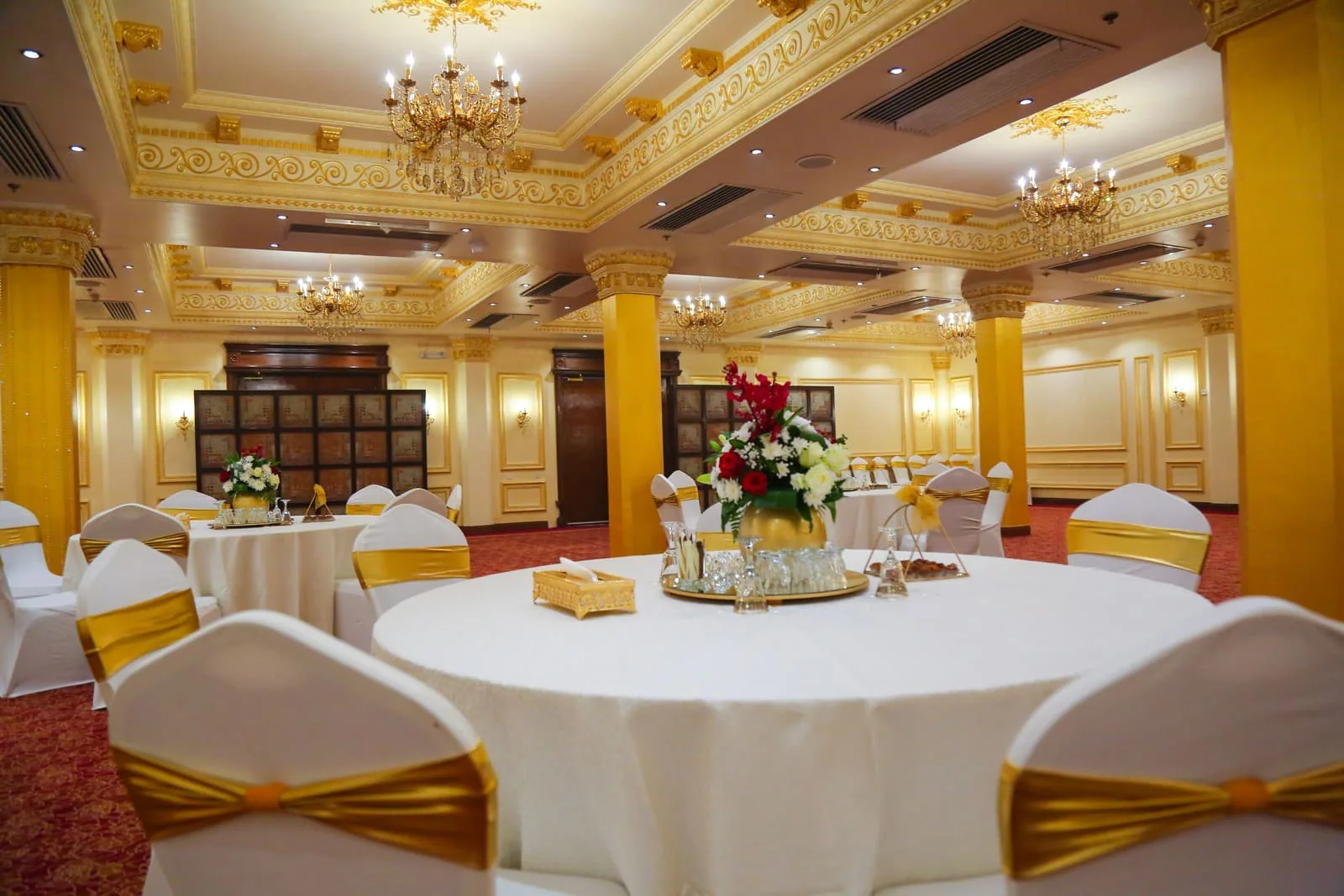
A wedding filmmaker planning to use a drone indoors should have the actual indoor activity reviewed before accepting the booking. An outdoor filming policy, a small aircraft or a venue’s permission does not independently establish insurance acceptance. Describe the room, people present, aircraft, proposed service and customer agreement so the review follows the work you actually intend to provide.
At BWI, identify whether your company is the primary filmmaker, a drone subcontractor or one part of a larger production. This guide focuses on insurance questions for indoor wedding filming, including venue contracts, equipment, people, privacy and the finished video. It does not provide flight techniques, crowd arrangements or a determination that using a drone is suitable at a particular wedding or indoor location.
Prepare one wedding file that distinguishes the booking promise, the venue’s property permission and the actual insurance response. Keep those decisions linked to the same room and period of the event. A couple buying a finished film can reasonably focus on memorable sequences, while the drone subcontractor may be selling only a narrowly defined contribution. The insurance inquiry should expose that difference before either company guarantees the result.
Define the indoor filming proposal precisely
Explain what the couple or production company expects to purchase. A filmmaker might propose filming an empty decorated room, recording a scheduled sequence with participants or capturing activity during an occupied reception. Those are different circumstances. Do not let an application description based on outdoor landscape footage stand in for an indoor event with people, furnishings and other vendors present.
Identify the specific spaces and proposed periods of work. A hotel ballroom, place of worship, private residence and event hall may have different contractual and access arrangements. Supply the actual location information requested for review rather than assuming indoor weddings form one uniform category. If a venue has not yet approved the proposal, describe that status honestly instead of presenting permission as settled.
State what remains outside the scope. If the filmmaker will not use a drone during a crowded portion of the event, ensure the customer proposal accurately reflects the service being sold. Qualified people must determine whether the operational plan is appropriate. The insurance submission should follow that actual plan, including meaningful limitations, without suggesting that a certificate alone establishes a suitable filming arrangement.
Identify the couple venue and production relationships
List the legal entity providing the service and the party signing the contract. A couple may hire a production business that then engages a separate drone operator. The venue, event planner and photographer may be other companies entirely. Explain those relationships so the reviewer can understand who promises the finished product, who operates the aircraft and which parties request insurance evidence.
Clarify what the planner can approve. Coordinating the reception timetable does not necessarily authorize use of the ballroom or amend the couple’s film contract. Identify a contact for each decision: venue permission, production changes and insurance evidence. If one person holds several roles, document that fact. Avoid treating a group message saying everyone is happy as a substitute for identifying who accepted a specific change.
If your business supplies only drone footage to the primary filmmaker, provide the subcontract and describe the deliverable. Do not assume the primary company’s insurance replaces your review or that working under another brand makes your business an employee. The actual relationship, obligations and policy definitions matter. Identify who controls editing, publication and the promises made directly to the couple.
Separate indoor operating rules from insurance terms
The FAA’s indoor operations FAQ states that Part 107 does not apply to operations conducted only indoors. That statement does not establish insurance protection, venue permission or the suitability of a proposed flight. Keep those subjects separate. The business still needs the relevant professional review of its equipment, activity and obligations rather than treating a regulatory distinction as a universal permission to proceed.
Be clear about any outdoor portion of the assignment. Exterior venue footage, travel between indoor and outdoor areas or a separate outdoor sequence should be described accurately. Qualified aviation advisers must determine what applies to the actual operation. Do not use an indoor only description for an engagement that includes outdoor flight, or assume the same facts support every permission and insurance question.
Compare the event responsibilities and protection sought
Use the following comparison to organize the inquiry. It connects recurring contract subjects with information the filmmaker can supply, without declaring any activity covered. The actual program may address different interests through separate terms or policies. Identify the protection sought for equipment, injury or damage allegations and the finished service rather than assuming a single certificate explains everything.
Read the couple’s booking terms, the primary filmmaker’s subcontract and the venue’s supplier agreement together. They can describe different deliverables, cancellation remedies and responsibility for rented decor. Record conflicts before accepting the job. The couple may expect a named sequence while the subcontract offers an optional contribution, and the venue may impose duties absent from both. Appropriate legal advice should resolve those commercial promises; the insurance review evaluates the actual agreement.
If an additional insured, waiver or other special term is requested, supply the exact wording and party name. Evidence should reflect the underlying policy and accepted endorsements. Do not edit a certificate to imply protection that has not been arranged. If a requirement cannot be met as written, record the issue and address the contract through the appropriate advisers rather than treating a paperwork change as the solution.
| Event subject | Fact and responsibility to clarify |
|---|---|
| Service | Empty room or occupied event, timing and actual deliverable |
| Parties | Couple, venue, planner, filmmaker and drone operator |
| Aircraft | Equipment, ownership, rentals and personnel |
| Liability | People, surrounding property and accepted indoor use |
| Film | Missing footage, delivery, privacy and publication promises |
| Change | Revised rooms, event periods, outdoor work and final evidence |
Describe people property and vendor activity accurately
The insurance submission should explain whether guests, venue staff or other vendors will be present during the proposed drone work. Identify the operating assumptions established by the qualified people responsible for the plan. This guide prescribes no flight path, separation distance or crowd control method. It asks the business to describe the actual circumstances rather than present an occupied event as an empty room.
Identify notable property interests relevant to the contract. The building, rented furnishings, lighting, decorations and production equipment may belong to different parties. A couple hiring the filmmaker does not necessarily own the property around the proposed activity. Explain responsibilities for items your company handles or controls, and ask how the actual wording addresses those interests instead of labeling everything third party property and assuming the answer.
If the filming proposal depends on a particular stage of the event, record it clearly in the reviewed scope. A later request to film during a different period can change the facts. The customer, venue and operator should resolve the actual proposal through their relevant processes. An earlier certificate should not be treated as an acceptance of every spontaneous filming request made during the wedding.
Review liability for people and property separately from equipment
Ask how the proposed insurance addresses allegations of bodily injury or damage associated with the indoor drone operation. The applicable definitions, conditions, exclusions and limits matter alongside acceptance of the activity. A large headline limit does not tell the filmmaker how every person or property interest is treated. Supply the actual arrangement and request specific clarification of the protection expected.
Separately, identify the aircraft, cameras, controllers and other equipment for which physical damage protection is requested. A liability limit does not independently reimburse the filmmaker for a broken drone or payload. Ask about ownership, scheduled values, deductibles and relevant circumstances under the actual program. A general description of professional equipment may leave a particular aircraft or rented item incompletely identified.
Consider the finished film and missed footage obligations
List any named sequences the contract promises and whether drone footage is essential or only a proposed production option. A decorated-room clip can have a different commercial role from an irreplaceable moment. State who approves an alternative deliverable if the proposed drone contribution cannot proceed. Aircraft liability and equipment insurance should not be presented as a guarantee that every scene will be captured or that the couple’s entire production fee will be refunded.
Separate a disappointed customer’s complaint from a demand alleging physical damage or injury. Preserve the actual agreement and demand for appropriate review. BWI’s drone inquiry should not be represented as an offer of technology errors, media-production guarantees or protection for missing footage. Refunds, repeat editing and incomplete-film obligations remain commercial questions unless actual applicable terms establish otherwise; do not infer their treatment from aircraft physical damage or liability limits.
If you supply footage to the primary filmmaker, identify the file handoff and acceptance responsibility. Does the primary company verify receipt while the event is still underway, and does your agreement end at delivery or include later editing? Have production professionals establish the actual process. For insurance preparation, describe your accepted duty accurately without suggesting a particular file-transfer practice guarantees against missing footage or determines whether a later complaint is insured.
Address image use privacy and publication promises
Explain who may use the footage and for what purpose under the agreements. Delivery of a private wedding film and permission to use images in advertising are different commitments. Qualified legal advisers should address consent, privacy and applicable rights for the actual people and intended use. An insurance certificate is not a release to publish footage or a determination that every guest has agreed to every later use.
For an image-use complaint, preserve the permission records, publication and actual demand and obtain appropriate rights and insurance advice. Do not describe BWI’s drone inquiry as a standalone media, cyber or technology errors offering. Any question about existing policy wording needs the actual contract and facts. Keep that unresolved interest separate from aircraft injury, property damage and equipment questions rather than assuming a general drone certificate answers it.
Keep private delivery permission separate from permission to advertise. The couple’s film approval may not authorize a supplier to publish an identifiable guest, a child or another vendor’s work in its portfolio. Seek qualified rights advice on the actual proposed use and retain the final instructions. If the couple asks for a public promotional edit later, record a new permission decision rather than silently extending the original wedding booking.
Include rented gear and separately engaged pilots
If equipment is rented or borrowed, identify the owner, value and agreement governing your responsibility. Ask how the actual insurance treats those interests in transit, storage and use. A deposit or rental fee does not establish the amount payable after loss. Include the period when responsibility begins and ends so the review addresses the complete arrangement rather than only the hours spent filming.
Describe any separately engaged pilot or production assistant accurately. Provide the relevant services and contractual relationship rather than assuming a primary filmmaker’s certificate protects everyone. An employee, contractor and another company’s worker can present different questions. Ask qualified advisers about workforce and other business protection appropriate to the actual activities and locations, keeping that discussion separate from the aircraft’s property schedule.
If a replacement pilot or different aircraft is proposed, ask what review the actual program requires. A vendor’s assertion that equipment is equivalent does not independently establish insurance acceptance. Supply the real configuration, ownership and personnel facts before relying on earlier conditions when a change is material. Retain the response with the event scope and issued documents so the accepted arrangement can be identified later.
Plan for a revised event schedule
A wedding schedule can change after the contract and insurance review. Record meaningful differences in venue, rooms, people present, filming period or requested service. Ask which changes must be submitted under the actual program. An event date staying the same does not mean the insured facts are unchanged when an empty room filming proposal becomes a request to record an occupied reception.
Keep the business’s service commitment clear if the proposed drone work cannot proceed. Qualified advisers should review cancellation, substitution and refund terms before the booking. The insurance inquiry can identify the financial protection sought without assuming every contractual penalty is insurable. A damaged aircraft policy should not be treated as an unlimited guarantee that a particular sequence will be delivered regardless of changed circumstances.
Save the final instructions by their author and subject. A couple requesting a ceremony sequence, a planner changing the timetable and a venue prohibiting a particular use are different communications. Refer unresolved contradictions to the parties able to decide them; do not choose whichever message permits the easiest production. When the requested activity changes, supply the actual revised room, people and service facts for the required insurance review.
Keep project records and report concerns through the right process
Maintain a record connecting the customer agreement, venue requirements, actual equipment and delivered product. Qualified legal and technical advisers should establish appropriate retention and information practices. From an insurance perspective, the business should be able to identify what was agreed, what changed and what was supplied. Do not manufacture retrospective details merely to make an incomplete record appear more precise after a complaint.
If an incident or demand occurs, follow the applicable policy reporting requirements and preserve the communication. A request for a refund, allegation of damage or complaint about publication may reach an editor or account manager before the owner sees it. Route relevant matters to the responsible person promptly. Seek appropriate guidance before admitting liability or promising an amount on an insurer’s behalf.
A fictional indoor wedding filming review
Consider a fictional filmmaker engaged to supply a finished wedding film with an optional drone clip of the decorated ballroom. A separate drone business is hired to deliver that clip to the editor, while the venue supplies its own contractor terms. The parties identify who approves the room access, who receives the footage and whether an alternative film contribution is acceptable. None of those decisions is inferred from a certificate.
During planning, the couple asks to add footage during an occupied reception and to use selected images in a public promotional feature. The filmmaker identifies those changes and seeks the appropriate reviews. It does not treat the original certificate as permission or insurance acceptance for every new request. A rented camera and a separately engaged pilot are also disclosed under their actual agreements.
This fictional illustration is not a BWI claim, operating plan or promise of available protection. It shows a review that follows the service and actual circumstances. The policy and facts determine insurance protection, while qualified professionals and the relevant parties address technical suitability, permissions, contractual obligations and image use. The filmmaker retains the final agreement and accepted description with the issued insurance documents.
Questions indoor wedding filmmakers ask
Does a small drone automatically qualify for indoor insurance protection
No automatic result follows from aircraft size alone. Describe the actual equipment, people, location and service for review under the issued program. A small platform can still raise property, injury, equipment and professional service questions. Ask about the accepted activity and relevant conditions instead of relying on a general statement that the aircraft is lightweight or designed for indoor use.
Does venue permission establish insurance acceptance
No. Property permission and insurance answer different questions. Supply the venue agreement, proposed activity and requested evidence for review. A venue can allow a proposal without amending your policy, and an insurance document cannot independently authorize the activity or establish technical suitability. Keep the relevant decisions and records separate while ensuring they describe the same actual plan.
Will drone insurance pay if the couple dislikes the finished video
Do not infer a refund, repeat editing or missed-footage payment from aircraft liability or equipment protection. Preserve the actual service agreement and complaint for appropriate advice. This guide does not establish a separate BWI technology errors or film-production placement. A quality dispute and an aircraft collision need their own facts and actual applicable terms; a drone being used during production does not make every film obligation insured.
What if the assignment includes outdoor footage as well
Describe both parts accurately and have the relevant requirements reviewed. The FAA’s indoor only guidance should not be used as a description of outdoor flight. Qualified aviation advisers must establish what applies to the actual operation, and the insurer must evaluate the proposed activity under its own terms. Keep meaningful changes visible before relying on an earlier indoor filming review.
Request an indoor wedding filming insurance review from BWI
Request a drone insurance review and quote from BWI with the filming scope, actual indoor circumstances, customer and venue agreements, aircraft information and personnel relationships. Include the proposed deliverable, image use and any outdoor portion of the assignment. Explain whether your company supplies the complete production or a defined subcontracted service so the inquiry follows the obligations the business actually accepts.
For the BWI drone review, identify the aircraft, accepted indoor activity, people, property and equipment interests and ask which actual terms can be considered. Keep unsupported film-performance, publication or other professional interests unresolved with appropriate advisers. Retain issued documents and the accepted description beside the final agreements so an event change is evaluated on its real facts rather than a broad promise that the production is fully insured.
Continue Reading


