

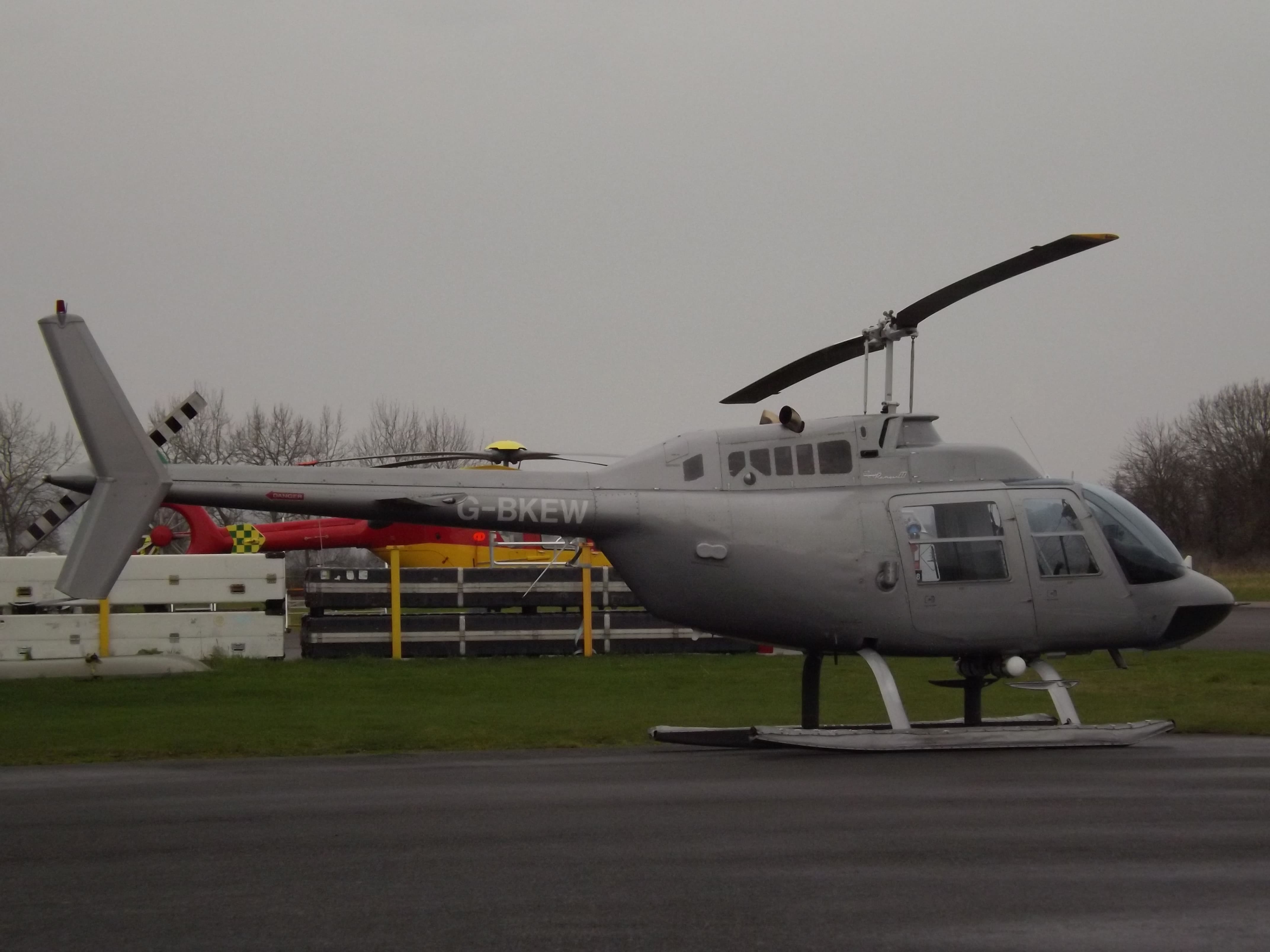
Before accepting helicopter frost-protection work, give the insurance team the actual service proposal rather than relying on a general commercial-use description. Identify the operator, helicopter, pilots, locations, season, standby arrangement and client contract. A policy prepared for private flying, sightseeing or another utility assignment should not be assumed to address a different operation simply because the same helicopter and pilot will perform the work.
This guide addresses insurance preparation for proposed orchard or vineyard frost-protection services. It does not teach a flight technique, classify the operation under aviation rules or establish that a particular assignment is safe, lawful or insurable. Qualified aviation professionals and the responsible authorities must determine the applicable operating requirements. The insurance discussion should use their confirmed facts and the real contractual promise the business intends to make.
Start with BWI helicopter insurance information and describe the specific seasonal service you are proposing.
Define the promised service before requesting terms
Separate the grower’s reserved access to a helicopter from the flights actually requested. The agreement might charge a seasonal standby amount, a charge for each callout, or both. Explain who can make a request, which properties the arrangement concerns and whether the operator has promised exclusive availability. Those business facts matter even before the first flight is requested. A general description such as agricultural support leaves the seasonal commitment unexplained.
Give qualified legal and insurance advisers the exact clauses about availability, response commitments, missed requests, refunds and crop results. A promise to make a helicopter available differs from a promise that a crop will escape damage. If the proposal uses terms such as guaranteed protection, identify what the business is actually undertaking before signing. An aircraft liability limit should not be described to a grower as security for every commercial promise.
Identify the legal operator and aircraft interests
Provide the legal entity performing the service, the helicopter owner and any separate organization contracting with growers or property managers. If the aircraft is leased or another business supplies it, disclose that arrangement and the relevant agreements. A familiar trading name does not establish which organization owns the aircraft, employs the pilots or has accepted obligations to the client. Use the actual legal names in the submission.
Identify the insured interests requested for the aircraft, including relevant financial or leasing interests established by the appropriate advisers. Do not assume that a grower’s contract or a management agreement automatically places every organization under one aircraft policy. Each party should understand the protection relevant to its role. The insurance file should explain the real relationships rather than leave an underwriter to infer them from an invoice or a logo.
Establish the operating framework through the proper channels
Have qualified aviation professionals and the responsible authorities determine the rules, certificates, permissions and qualifications applicable to the actual proposal. The FAA’s agricultural aircraft operations resource describes Part 137 certification and directs certification questions to the appropriate Flight Standards District Office. That resource does not, by itself, classify a frost-protection proposal. Describe the actual intended activity instead of borrowing the regulatory classification of a separate crop-application business.
Give the insurance team the resulting accurate description, including relevant conditions and any matters still being resolved. An insurer response does not grant operating authority or establish that the helicopter and people meet every applicable requirement. Likewise, an operational authorization does not amend a policy. Keep the separate decisions coordinated so the person committing the business to a seasonal contract can identify what has been confirmed and what remains outstanding.
Build a seasonal assignment review record
Build one seasonal submission that links the service agreement to the helicopter, named properties, available pilots and intended deployment. Distinguish an anticipated season from a firm contractual availability period. If some details await the grower’s decision, identify the unresolved item and its owner. The table organizes insurance facts, not dispatch or flight instructions. Neither the presence of a completed table nor an insurer’s acknowledgment resolves the outstanding operational decisions.
Keep the submission’s property list and contract version aligned. For example, a winery may sign the agreement while a separate owner controls an adjacent orchard later added to the service. Record the additional site, responsible organization and proposed dates rather than treating it as another name for the original vineyard. The insurer can then evaluate the change against the accepted proposal, instead of discovering the wider arrangement only after a complaint.
| Seasonal subject | Information for the insurance review |
|---|---|
| Service promise | Actual flight service and contract obligations |
| Organizations | Legal operator, aircraft owner and client relationship |
| Aircraft and pilots | Actual helicopter, qualifications and intended roles |
| Sites and season | Locations, dates and intended operating circumstances |
| Standby and support | Custody, storage and relevant ground property |
| Changed proposal | Substitutions, added sites or extended assignment |
Describe each location and the proposed operating period
Identify each orchard or vineyard, the expected season and any temporary base away from the helicopter’s usual location. Explain whether one client controls all properties or whether different growers participate in a shared arrangement. Include the proposed deployment period even if the number of flights cannot yet be known. An availability window, aircraft custody at a temporary base and completed flight hours describe different parts of the seasonal exposure.
Qualified personnel should establish the operational plan using appropriate current information and professional judgment. For insurance, provide the resulting facts requested, including intended hours or conditions of work where relevant. If night activity or another material feature is part of the real proposal, disclose it explicitly. Do not substitute a generic daytime commercial-flying description for a different plan simply because the final dispatch schedule depends on future conditions.
Present pilot qualifications and actual assignment roles
List the pilots proposed for the season, the aircraft each may use and the mission experience or training information requested by the insurer. Explain who will communicate substitutions when the original pilot becomes unavailable. A person accepted for another utility assignment may still require review for this use. Avoid treating a commercial certificate or total helicopter hours as a universal answer to every pilot condition in a particular policy.
Qualified aviation and employment professionals should address the appropriate operating duties, scheduling and other responsibilities. The insurance submission should describe that established arrangement without inventing a universal experience threshold or staffing formula. If training or another condition appears in the offered terms, ask how it must be completed and documented. Do not treat an estimate or a colleague’s experience as the actual condition applicable to the issued policy.
Compare the proposed use with the current helicopter policy
Ask the insurer to review the complete use description and relevant endorsements against the proposed service. A broad commercial or utility label is not the entire answer about every specialized activity. Provide the actual mission, aircraft, people, sites and contract. Avoid describing the operation only through a familiar aircraft model when the intended work is the important difference from the use previously submitted.
Separate acknowledgment of the proposal, an indication of possible terms, a quote subject to conditions and confirmation of an effective policy action. If the business needs a change before a contractual standby period begins, give that date explicitly. Do not assume the relevant date is the first completed flight. Ask which issued documents describe the accepted service, aircraft and conditions, and retain those documents alongside the final signed agreement.
Include standby storage and ground support
Describe where the helicopter will wait between requests, who controls the premises and who has agreed to move or handle it on the ground. A grower’s shed, a third-party hangar and the operator’s own facility involve different relationships. Provide the actual storage or access agreement. State when custody begins and ends, including a deployment that starts before the grower’s contractual availability period or continues after its final callout.
Keep a separate property schedule for support vehicles, tools and equipment that the aircraft policy may not describe. Record ownership and requested values without assuming those items share the helicopter’s hull protection. If another contractor supplies support, identify its role and the relevant agreement. Technical servicing, fuel arrangements and storage methods belong with qualified personnel; the insurance file should record the resulting business and custody arrangements rather than prescribe a procedure.
Review the client contract before committing to the season
Identify which organization signs the grower agreement and which organization performs the flight. An intermediary may collect seasonal fees while another operator supplies the helicopter. Provide both scopes and any subcontract instead of describing the arrangement only through the customer-facing brand. Have qualified advisers review duties for unfulfilled requests, cancellation and alleged damage, including obligations that remain with the contracting business when a subcontractor is used.
Send the actual insurance requirements with the contract, including requested limits, insured status and any special evidence wording. Ask which requests can be supported and which require a different decision. A certificate records specified insurance information; it is not a rewrite of every commercial obligation. If the contract requires protection the proposed policy does not supply, leave that gap visible before anyone accepts the seasonal commitment on the business’s behalf.
Keep crop damage and crop performance allegations distinct
A complaint about physical damage associated with an operation can raise different questions from a demand based on an unsuccessful crop-protection result, missed service or financial loss. Describe the actual allegation and have the relevant policy wording reviewed. Do not assume that liability coverage is equivalent to a guarantee of the client’s agricultural outcome or that every loss connected with a crop belongs to a single insurance category.
Separate the facts if a grower later alleges several losses. The helicopter may be undamaged, a fence may be damaged, and the grower may also demand the value of a crop said to have been inadequately protected. Those are different allegations, not one preclassified claim. Report the actual demand through the required channels and preserve its wording. This guide does not determine causation, responsibility or which part of a policy could respond.
Coordinate aircraft owner operator and client evidence
Identify who requests evidence, the exact legal name, the activity and period to be shown. Ask how the actual policy supports the proposed document and requested status. A client certificate, a lessor requirement and a lender interest can serve different purposes. Do not group them into one instruction to add everyone without explaining the relationships and having the relevant terms reviewed.
Check names and dates against the current assignment. A document prepared for one grower should not be reused for another property owner merely because the helicopter remains the same. If the client requests a broader description than the insurer has accepted, return the wording for review. Keep the final evidence with the supporting policy action, rather than using an attractive certificate as the sole record of what was arranged.
Explain other services instead of bundling them into the mission
Keep frost-protection work separate from any later request to transport a client, move equipment, conduct observation or perform another agricultural service. Record the added activity and obtain the appropriate operational and insurance review. BWI’s separate agricultural aircraft application guide addresses a different service description; its discussion should not be carried over as a classification of this mission. One seasonal customer relationship can still involve several distinct proposed helicopter uses. Review the separate agricultural application topic only if that additional service is actually proposed.
Likewise, disclose work performed by subcontractors or another aircraft operator. Provide the actual scope, agreements and relevant evidence for professional review. Another business having insurance does not independently resolve your own contractual responsibilities or protection. If the organization arranging the client contract differs from the organization performing the flight, explain that relationship clearly so each party’s role can be evaluated using the appropriate documents.
Compare quotes using the same seasonal proposal
Use the same service and standby assumptions when comparing proposed terms. A quote based on the usual home base and no seasonal commitment is not directly comparable with one describing temporary deployment, several growers and an exclusive availability promise. Note unresolved assumptions beside each response. If a requested property or substitute helicopter has not been evaluated, do not silently treat its absence from a summary as acceptance.
Review relevant limits, deductibles, pilot conditions, geographic provisions, insured interests and use wording. Ask what must be completed before the offered arrangement takes effect and how any requested changes will appear in issued documents. Do not rely on a preliminary estimate to commit to a season or cancel an existing policy. The final decision should use the actual terms for the real operation rather than the most reassuring summary.
Plan for a substitute aircraft or an extended season
Identify how the business will handle a proposed aircraft substitution, added site or extension beyond the original dates. A replacement helicopter can introduce different ownership, value, pilot and agreement questions. Do not assume that describing a fleet or seasonal service automatically resolves every change. Provide the revised facts and ask what review is required under the actual policy before relying on the new arrangement.
Describe a proposed change as a dated difference from the accepted submission: the added property, replacement registration, new pilot, revised custody period or extended contractual availability. Attach the changed agreement or schedule rather than resending an unmarked folder. Identify which commitment depends on an answer. If review remains open, the client-facing record should show that status instead of describing a request as completed insurance confirmation.
Test the proposal with a fictional vineyard contract
Consider a fictional operator quoting one vineyard for a defined season. The first proposal uses its usual helicopter and home base. Before signature, the grower requests exclusive standby, adds a second property owned by another company and offers temporary storage nearby. The fee remains the same. These are changes to the submission even without a higher quoted price, a different pilot or any flight having occurred.
The operator identifies the additional property owner, revised availability clause and proposed custody dates for its advisers. It asks which operating and insurance decisions remain outstanding and records the eventual responses against the revised contract. If the grower later requests a different service, that request receives its own review. The example illustrates business documentation only; it supplies no flight plan, crop-protection recommendation, eligibility finding or promise of coverage.
Keep records through the end of the assignment
Retain the signed scope, dated property list, pilot and aircraft changes, correspondence and issued insurance documents. Keep a clear distinction between reserved availability, requested services and work actually recorded by the operator’s proper processes. An invoice may show a seasonal payment without explaining which sites were contemplated or whether a callout was accepted. Those separate records can help explain the facts if the agreement or an allegation is later disputed.
If an incident, demand or potentially reportable concern arises, follow the actual reporting requirements and obtain guidance from the relevant insurer. Preserve factual information without guessing at technical cause, legal responsibility or payment. At the end of the season, describe the helicopter’s next intended use and location if they change. Completion of one contract should not leave the policy file describing a seasonal deployment that no longer reflects the actual operation.
Frequently asked questions
Does a commercial helicopter policy automatically include frost protection
Do not assume that a broad commercial-use label answers the specialized proposal. Give the insurer the actual service, aircraft, pilots, sites and contract, and ask how the wording applies. Acceptance for another utility activity does not independently establish acceptance for this assignment.
Does this guide determine which aviation rules apply
No. Qualified aviation professionals and the responsible authorities must establish the applicable requirements for the actual operation. The insurance submission should use those confirmed facts. A general agricultural reference or an insurer response does not independently classify or authorize the proposed work.
Does liability insurance guarantee the clients crop outcome
Do not treat liability insurance as a general performance guarantee. Physical damage allegations, missed-service demands and crop-result commitments can raise different questions. Have the actual contract and policy wording reviewed before assuming that any particular agricultural financial loss is addressed.
Should standby locations be included in the inquiry
Describe the actual storage, custody, dates and ground support, including temporary locations away from the usual base. Waiting between services does not independently resolve the property or contractual questions. Ask which information and policy review are required for the real arrangement.
What if another helicopter or pilot is needed
Provide the proposed substitution and relevant qualifications, aircraft details and agreements before relying on it. Ask how the actual policy handles the change. A seasonal contract, familiar pilot or fleet description should not be treated as a universal answer about every replacement arrangement.
Prepare the helicopter frost protection insurance review with BWI
Bring BWI the aircraft identity, legal operator, pilot information, proposed sites, season and actual service agreement. Include standby storage, ground support, subcontracting and any proposed additional services. Identify confirmed facts and outstanding operational or legal decisions so the insurance team can understand the proposal without assumptions about its scope.
Request a helicopter insurance review and quote from BWI before committing to frost-protection work based on general commercial terms. Compare the response and issued documents with the final arrangement, and return material changes for review. A clear submission helps connect the insurance questions to the actual aircraft operation and client promise while keeping technical, regulatory and agricultural performance decisions with the appropriate professionals.
Continue Reading


