

Aircraft cabin disinfection contractor insurance should reflect the treatment promised, the materials used and the responsibility accepted for aircraft interiors and people. A surface damage allegation, a complaint about exposure and a demand involving an effectiveness claim are different matters. A policy described as cleaning business insurance does not establish acceptance of every aircraft disinfection service.
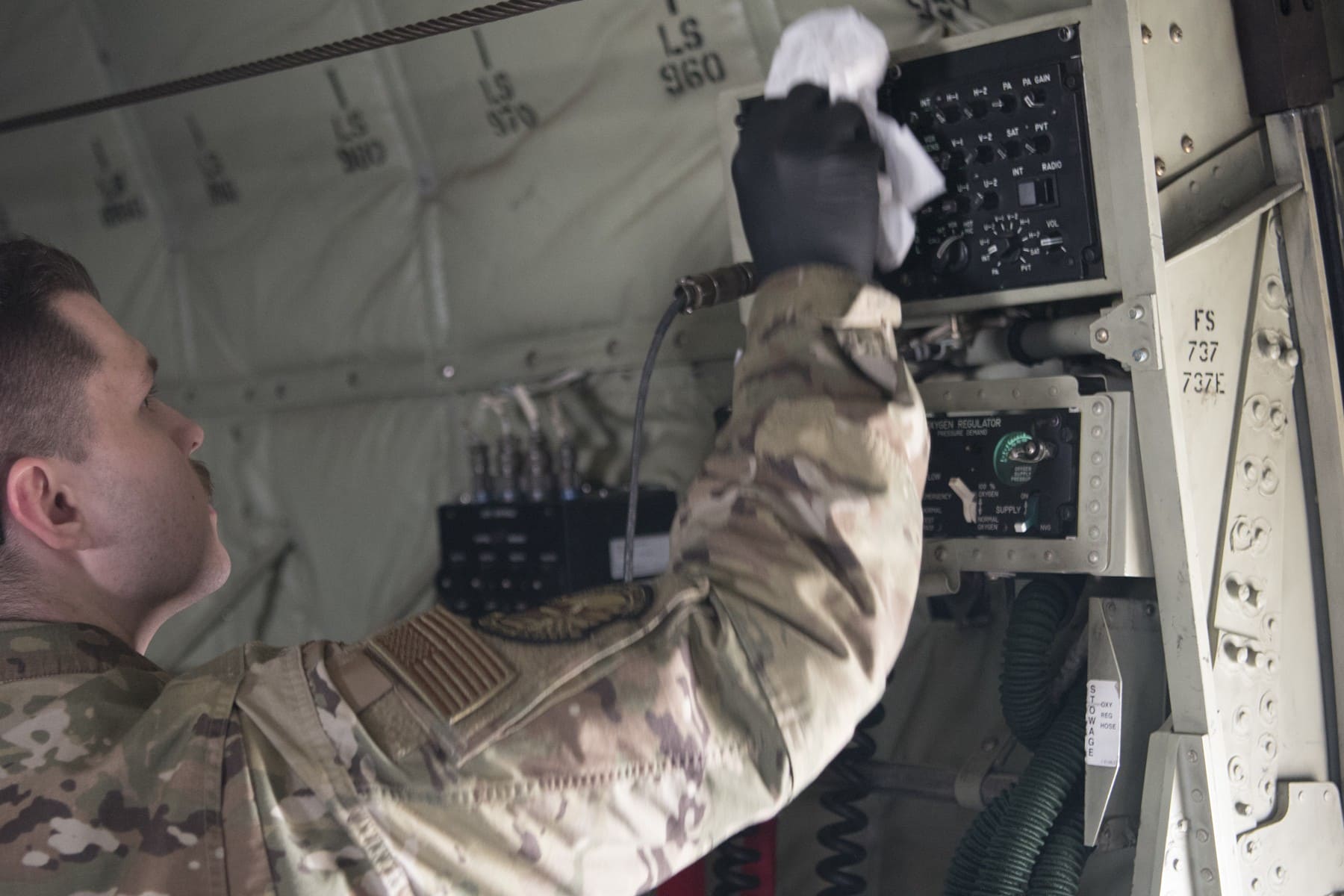
Start with the actual contract and customer deliverable. Identify whether the company supplies routine cabin treatment, a defined specialist service, product application records or additional advice. Explain what the customer is buying without promising a health outcome the company cannot substantiate. The insurance submission should describe that undertaking accurately and disclose changes from an existing general cleaning business.
This guide concerns insurance preparation, not a disinfection method. It recommends no chemical, application setting, exposure limit or aircraft release procedure. Qualified aircraft, product and workplace specialists must determine technical suitability and applicable requirements. BWI's commercial aviation insurance resources provide context for an individual inquiry; availability and offered terms require review of the actual service.
Distinguish Disinfection Promises From General Cleaning
Describe the work in the language of the customer agreement, product information and actual service records. Cleaning a visible surface and accepting a disinfection undertaking are different commercial descriptions. Do not use sanitizing, cleaning and disinfecting interchangeably merely because customers use those words casually in a telephone request.
The EPA explanation of cleaning sanitizing and disinfecting distinguishes those product functions and emphasizes label directions. Qualified specialists must determine the requirements for the proposed use. A product category or marketing claim should not be turned into an article's approval of a treatment for a particular aircraft interior.
Tell the broker exactly what the business promises in proposals, website copy, work orders and completion documents. Identify statements about effectiveness, duration or future protection for qualified review. An underwriter should not receive a limited cleaning description while the sales agreement accepts a materially broader performance undertaking.
If the firm also performs ordinary detailing, upholstery work or other services, disclose them separately. This guide adds the disinfection service and associated promises to the business review; it does not replace a general aircraft cleaning program. Acceptance of one activity should not be assumed to establish acceptance of every later treatment.
Identify the Aircraft and Treatment Boundary
Explain the aircraft types, cabin areas and customer categories relevant to the application. State where work is performed and who provides access. A short service description should not imply the firm accepts every interior material, cabin system or aircraft configuration when its actual business has a narrower scope.
Identify who determines the approved technical instructions and whether the contractor follows customer supplied directions or accepts responsibility for selecting the treatment. Qualified personnel must assess suitability. The insurance submission should distinguish those roles instead of assuming an instruction supplied by the customer removes every responsibility from the service provider.
Describe any work beyond the agreed cabin surfaces, including component removal, system operation or aircraft movement. The FAA's aircraft cleaning guidance on maintenance boundaries explains that associated tasks can raise separate maintenance questions. Use qualified aviation advisers to determine the actual requirements rather than treating all work as ordinary cleaning.
When an additional area or treatment is requested, document the proposed change and obtain the appropriate reviews. A customer's departure deadline should not silently broaden the accepted service. Bring material changes to the insurance adviser instead of relying on a description prepared for a different cabin, product or task.
Review Aircraft Interior Damage and Entrusted Property
Ask how proposed wording treats legal liability for damage to the aircraft and interior property involved in the service. Identify custody, access, aircraft values and the number of aircraft potentially involved. A liability certificate does not establish that every entrusted aircraft, removable item or cabin system is protected.
Describe allegations the actual service could present without making technical conclusions. A customer might report discoloration, residue or an equipment concern after treatment. Qualified personnel must evaluate the facts and suitability issues. The insurance review should examine the alleged damage and relevant forms rather than assume the complaint proves either a defect or a payable claim.
Keep the aircraft being worked on separate from adjacent property and contractor owned supplies. The wording can treat those interests differently. Give the broker the real work environment, including shared hangars or customer locations, without presenting the service as taking place in an isolated space when that is not the case.
Distinguish correcting the treatment, repairing alleged damage and meeting a customer satisfaction promise. One complaint can involve all three, but their policy treatment may differ. Counsel should assess contractual remedies while the broker compares the accepted work and property interests with the actual offered terms.
Ask About Exposure and Contamination Allegations
Describe relevant materials and actual responsibility for storage, transport, use and waste. Identify whether the business owns the products or applies materials supplied by someone else. Supply requested information accurately; a familiar product name should not replace the details needed to understand the company's role and contractual obligations.
Ask specifically about pollution, contamination, chemical exposure and communicable disease related provisions where relevant to the proposed insurance. Do not assume an aviation liability heading addresses every allegation involving a treated cabin or every claimed cost associated with a reported illness. Availability and response depend on the actual wording and facts.
Keep employee injury obligations separate from liability to customers or other people. Qualified advisers should assess applicable workplace requirements and the appropriate employment insurance review. An airport liability certificate is not evidence that every workers compensation, employers liability or exposure related business obligation has been addressed.
This article supplies no exposure assessment, personal protective equipment prescription or emergency treatment advice. Qualified specialists must determine those matters. For the insurance inquiry, identify the activity honestly and keep requested technical records available through the appropriate process without treating an insurance review as a technical work authorization.
Compare Effectiveness Claims With Contract Remedies
Provide the contract language governing the claimed result. A commitment to perform a defined service is different from a guarantee that a cabin remains free of a particular hazard for a stated period. Have qualified legal and technical advisers review the actual promise before it becomes a sales claim or accepted remedy.
Ask how the proposed policy treats professional allegations if the business supplies advice, assesses a customer's needs or issues an interpreted treatment report. Global Aerospace's aviation professional services overview distinguishes financial loss from bodily injury or property damage. That category distinction does not establish eligibility for a particular disinfection contractor or promised result.
Separate a fee refund, repeat visit, replacement treatment and liability for alleged consequential loss. A customer can request several amounts without all being insured under the same provision. Do not treat a liability limit as a guarantee that the company can recover every cost of meeting its performance warranty.
Review marketing and contract changes together. If the sales team broadens an effectiveness statement, the application should not continue describing a narrower undertaking. Keep the actual promise visible to the people reviewing technical support, legal responsibility and insurance so each evaluates the same service.
Make Product Identity and Job Records Useful
Describe how the company connects the job, aircraft, accepted instructions, product identity and completion record. The aim is an accurate account of what was undertaken and delivered. This is not a treatment procedure or a claim that a particular record format meets every aircraft or regulatory requirement.
Keep customer supplied instructions and product information distinguishable from the contractor's own statements. Preserve changes accepted during the assignment. A later inquiry may need to establish which version of an instruction applied, what material was identified and whether the customer requested something outside the original scope.
Explain who prepares and authorizes the customer document. A factual work record and an interpretation about future effectiveness are different deliverables. Do not allow a routine completion note to become a broad certificate of health protection simply because an airport or aircraft customer asks for reassuring language.
Retain appropriate records, relevant product documents, customer communications and report versions under an established policy. Qualified advisers should determine retention, confidentiality and access requirements. This guide sets no universal retention period. Keep the history reconstructable without silently rewriting an earlier record to match a later account of the job.
Review Specialized Equipment and New Application Services
Identify the equipment the contractor actually owns, rents or uses for a customer. State its purpose, ownership and the activities accepted. A proposal involving a different application technology deserves its own review; technical suitability should be determined by qualified personnel rather than inferred from an equipment supplier's general promotional statement.
Ask about physical damage protection for owned and rented equipment separately from liability involving its use. Prepare supported values and the relevant rental or customer agreement. A liability certificate needed for an airport contract does not itself insure the contractor's damaged applicator, vehicle or stored supplies.
If the company changes from one service method to another, explain the new activity to the broker before assuming it fits the original description. Include any additional professional advice, premises responsibility or material handling duty. The same customer and aircraft do not make every new treatment an unchanged insurance exposure.
Describe dependencies on specialist equipment, replacement supplies and outside repair support. Ask what triggers any proposed business income or extra expense protection and how conditions apply. A commitment to complete a customer turnaround does not make every equipment breakdown, missed appointment or substitute service cost automatically reimbursable.
Identify Custody and the Customer Handoff
State when the company accepts access and responsibility, who controls the work area and when the customer accepts the completed service. Key possession alone does not settle every custody question. Supply the actual agreement and work arrangement rather than relying on an informal description that the aircraft remains with its owner.
Explain whether personnel work on an aircraft between flights, during a longer maintenance visit or under a recurring service agreement. Those circumstances can involve different customer relationships and property responsibilities. Qualified airport and aircraft personnel must establish operational coordination; this article gives no access, movement or release instruction.
Keep acknowledgment that work was completed separate from a technical determination that the aircraft can be used. If another party makes that decision, identify the boundary accurately. An acceptance signature should record what the parties actually accepted without being presented as a release of every possible later allegation.
If a complaint arises after departure, preserve the original instructions and work history. Follow applicable policy notice requirements while the appropriate personnel assess technical and customer concerns. Do not promise that the insurer will pay or agree to a settlement before obtaining the appropriate guidance.
Include Outside Providers and Distinct Worker Roles
Identify employees, temporary labor and subcontractors according to the real working relationships. Qualified advisers should determine classification and applicable employment obligations. A firm supplying crews for another provider has a different contract chain from one taking the whole customer treatment agreement under its own name.
If an outside specialist performs part of the service, state who hires it and who accepts its deliverable. Ask how the proposed policy treats your firm's liability involving subcontracted work and whether that provider itself is an insured. Another company's certificate does not automatically resolve your company's responsibility under its customer contract.
Where a customer supplies the product or equipment, describe the arrangement and any warranty or instruction it provides. Do not assume customer ownership removes liability for the contractor's work or insures damage to the supplied item. The legal undertaking and insurance position need review using the actual documents.
At renewal, identify changes in suppliers, personnel relationships and treatment services. A business that once supplied labor only may now accept a complete service and effectiveness statement. Keep the application aligned with the work customers currently buy rather than copying an older account that understates responsibility.
Test a Fictional Treatment Record Dispute
Imagine a contractor completing a cabin treatment and delivering a work record. The customer later questions whether the record identifies the material actually used, reports a concern about a cabin surface and requests a repeat service plus compensation for delay. This is a fictional administrative example, not a BWI claim or a technical conclusion about any product.
The factual inquiry would need the agreement, accepted instructions, relevant product identity, work record and customer communications. Qualified personnel would assess the reported surface concern and technical implications. A question about a document should not become an unsupported finding that a treatment was ineffective, unsuitable or the cause of alleged damage.
The insurance inquiry would distinguish the property allegation from repeating the contractor's own work and meeting a contractual delay remedy. A demand can combine those interests without creating one universal policy response. The actual allegations and offered wording determine which questions need review; the article cannot decide an individual claim.
Use the example to check whether your application shows product selection, customer instructions and report responsibility. If the company supplies additional effectiveness advice, disclose it. A meaningful submission follows the actual service through the customer handoff instead of hiding material commitments within a broad cleaning description.
Review Recurring Agreements and Changes in the Promised Result
A recurring aircraft service agreement may combine scheduled treatment with customer reporting and a promise to revisit between appointments. Identify those continuing duties. A single completed job record should not obscure responsibilities that remain active throughout the contract, including answering complaints or supplying an additional statement about an earlier treatment.
When a customer changes the requested result, preserve the revised scope for technical, legal and insurance review. An agreement originally framed around defined work can evolve into a broader effectiveness promise through later correspondence. The submission should show the undertaking actually accepted rather than only the wording on the first proposal.
At the end of a service arrangement, identify any equipment, unused materials or records still held for the customer. Confirm the relevant responsibility dates and return evidence. Discuss insurance continuity and reporting questions using the actual forms; ending the commercial relationship does not establish that every later allegation about the earlier treatment has ended.
Prepare the Cabin Disinfection Insurance Inquiry
Gather legal business names, work locations, aircraft types and values, the service description and representative agreements. Include equipment ownership, outside providers, requested revenue information and relevant complaint history. Identify existing allegations through the applicable reporting process rather than concealing them in a routine request for future insurance.
Compare offers for the same declared treatment and customer promises. Review insured activities, property interests, limits, deductibles, relevant exclusions and requested endorsements alongside premium. Keep unresolved conditions visible and distinguish preliminary indications from accepted issued terms. A narrower service description can produce a different offer without providing an equivalent comparison.
For a new business or renewal discussion, use BWI's commercial aviation quote request or call 866 788 6291. Bring the actual work description and customer claims about results so the conversation addresses cabin property, treatment responsibility and contract remedies together. Existing events and demands should follow the applicable policy reporting instructions.
Sources and further reading
Continue Reading


