
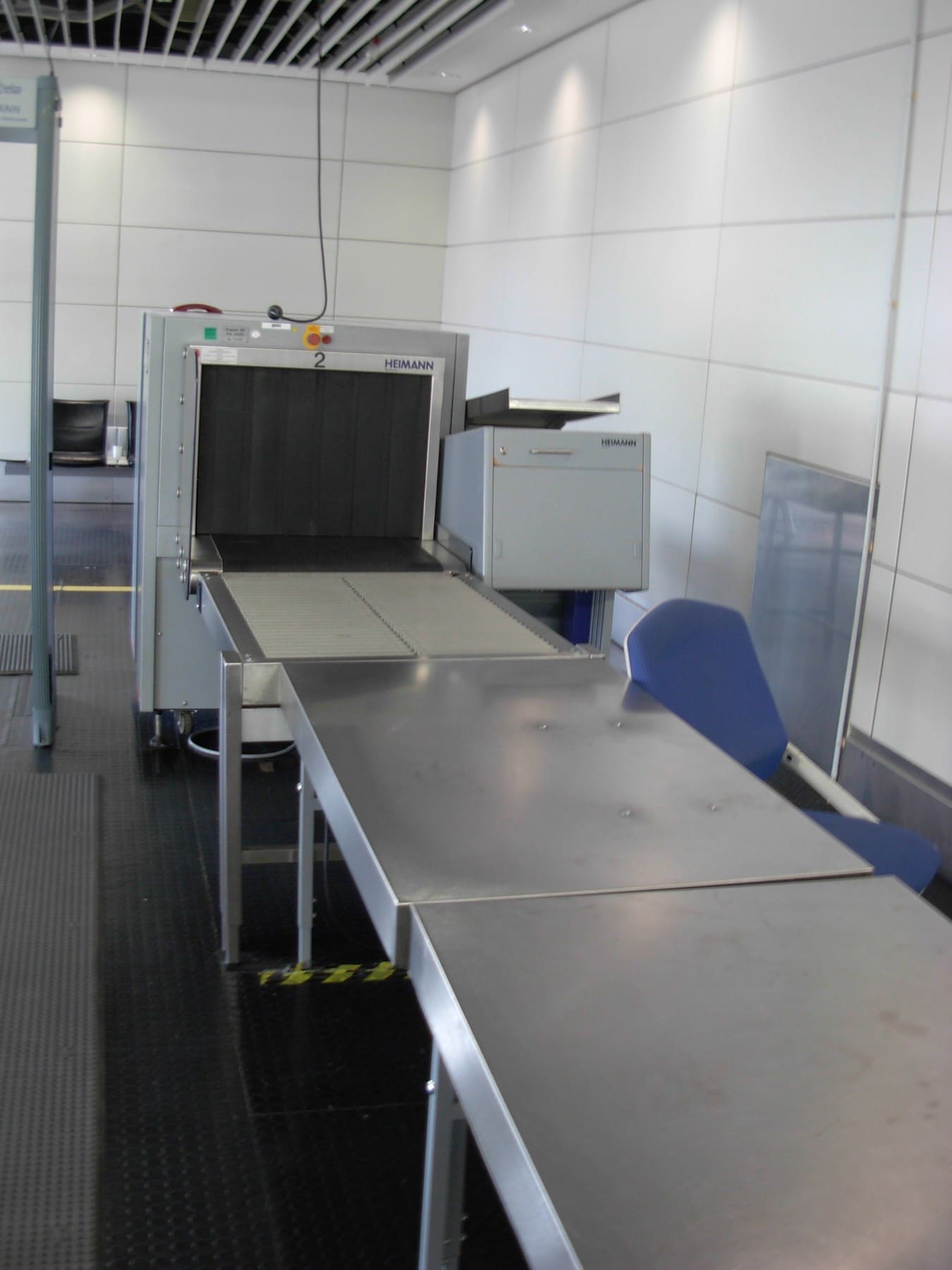
A screening contractor should describe the service, contracting chain and point at which its responsibility starts and ends. Provide the actual duties, equipment and staffing arrangements.
Define service and authority
Identify the screening tasks, site and customer requirements. Describe training and staff roles factually. Operating authority and insurance acceptance are separate. Include subcontractors and specialist functions instead of relying on a broad security-services label.
Separate people, property and service claims
Ask about injury allegations, screening decisions and professional or financial losses as distinct concerns. Explain custody of baggage, cargo and other property. Identify sensitive information and the authorized process for handling it.
Include equipment and availability promises
List equipment ownership, maintenance duties and outside providers. Send service-level obligations, contract remedies and handoff arrangements for review. Keep records of accepted duties and changes before comparing the offered insurance.
Prepare the BWI review
Gather the service description, locations, property values, staff roles, agreements, current policies and factual claims history. Explain proposed changes and the date they will start.
Compare the actual limits, deductibles, exclusions, insured parties and activities. Ask which requested terms are accepted and what remains outstanding. Keep the final documents and reporting instructions with the business records.
Request a commercial aviation insurance review from BWI for the operation described above. Availability and terms require an individual review.
Continue Reading

