
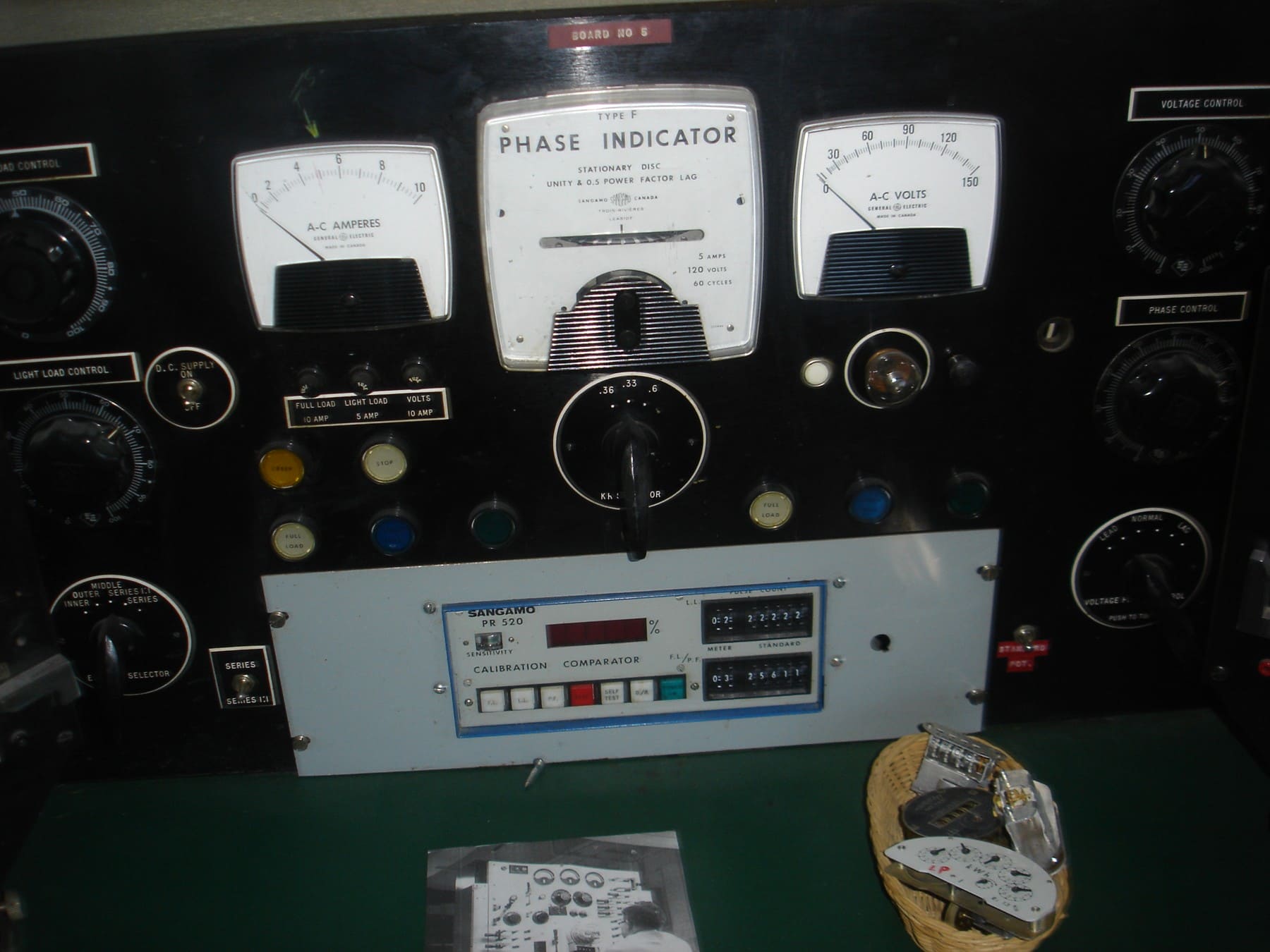
A calibration laboratory should explain how aviation customers use its results and what the service promises. Traceability, qualification and insurance acceptance each require their own evidence.
Identify instruments and requested results
Record the owner, instrument identifiers, condition and requested calibration. Explain the difference between the customer’s requested decision and the result reported. Keep readings, certificates and corrections linked to the correct item.
Review property and professional allegations
List customer instruments, supported values and peak property in the work queue. Describe transport and outside processing. Ask about physical loss separately from a certificate error or an allegation that a customer relied on an incorrect result.
Plan for findings and earlier work
Describe report distribution and how an out-of-tolerance concern is handled. Keep earlier certificates and assignments traceable. Review coverage dates, notice conditions and the services included in the proposed policy without promising a claim outcome.
Prepare the BWI review
Gather the service description, locations, property values, staff roles, agreements, current policies and factual claims history. Explain proposed changes and the date they will start.
Compare the actual limits, deductibles, exclusions, insured parties and activities. Ask which requested terms are accepted and what remains outstanding. Keep the final documents and reporting instructions with the business records.
Request a commercial aviation insurance review from BWI for the operation described above. Availability and terms require an individual review.
Continue Reading

