

An aircraft weighing service sells more than time with a set of scales. Its customer may rely on the resulting figures, equipment description and report when maintaining aircraft records or preparing an operating decision. The business can also handle a valuable aircraft while taking measurements. Those two responsibilities need separate attention when requesting insurance.
Start by showing the insurance reviewer exactly what your company delivers and who controls the aircraft during the assignment. A business that rents out scales has a different role from one that supplies technicians, prepares calculations and issues a signed report. An insurance proposal should describe the service actually being sold rather than treating every company with weighing equipment as the same operation.
This guide is for weighing and balance service providers preparing a new quote or reviewing an existing program. BWI's commercial aviation insurance information introduces the broader business discussion. Here the focus is the connection between measurements, customer aircraft, equipment and responsibility for the delivered information. Coverage availability depends on underwriting and the actual terms offered.
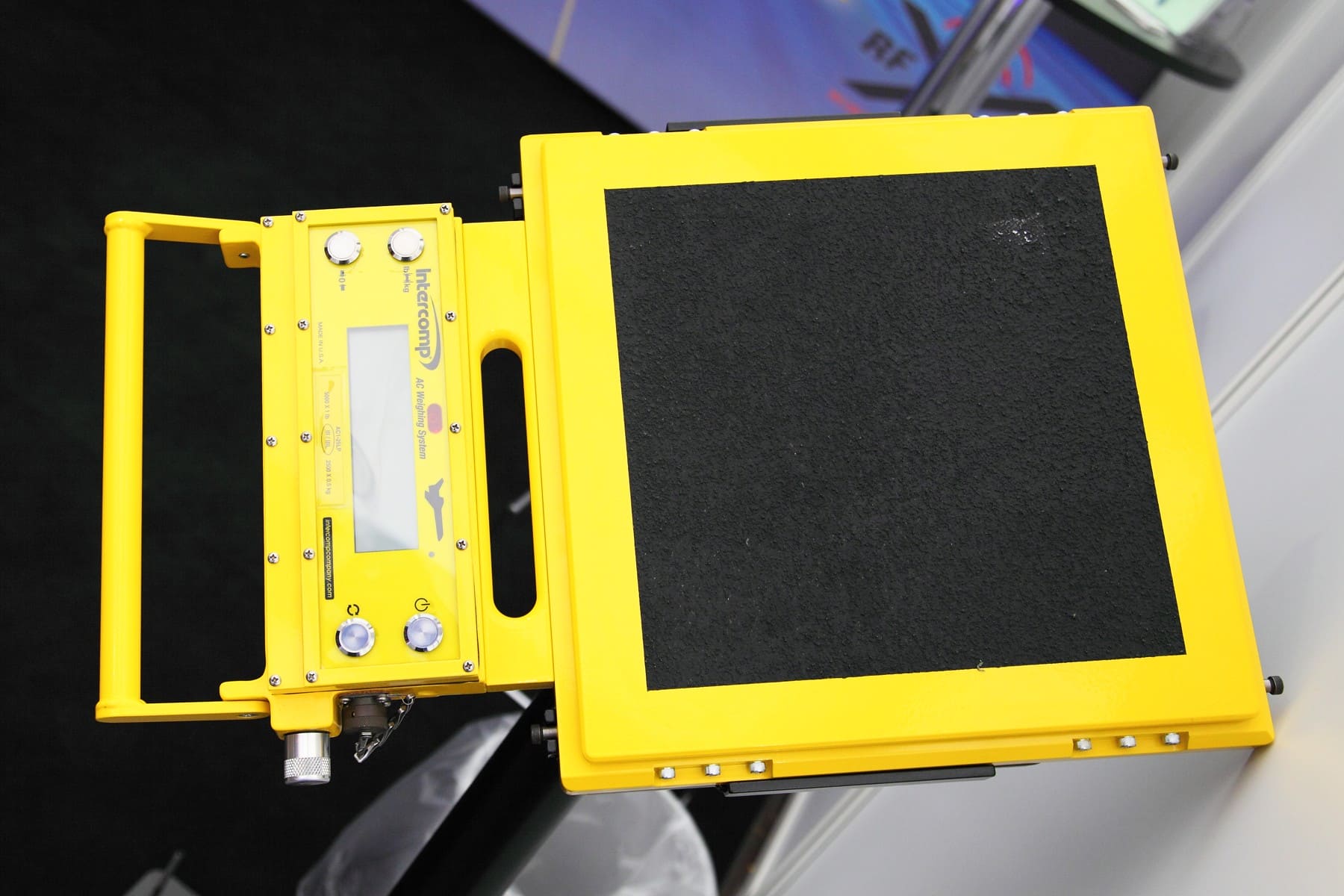
Define Where the Assignment Starts and Ends
Describe whether your service is limited to providing equipment, collecting measurements, preparing a weight and balance report, reviewing existing records or advising on a proposed configuration. Identify any aircraft preparation, maintenance or engineering work supplied with it. A short description such as weighing contractor can leave these distinctions unresolved.
Explain which aircraft categories and customers you serve. A mobile business working on privately owned airplanes may have different contracts and work arrangements from a provider serving a commercial fleet or aircraft modification facility. Provide the real aircraft mix, locations and largest values involved. Do not imply a capability merely because the same equipment manufacturer serves that sector.
Supply a representative statement of work and final deliverable. The insurer should be able to follow what your customer requests, what your technicians perform and what your company signs. If another business prepares the final report from your readings, explain that division rather than presenting your measurement file as the complete service.
Also identify work you do not undertake. You may decline flight loading advice, equipment installation or approval of a modification. Those boundaries should be consistent across the agreement, report and business description. A disclaimer in one document should not conceal an expanded service routinely promised elsewhere.
Keep the Aircraft Configuration Connected to the Result
For an insurance review, explain how your job records connect the reported result to the actual aircraft and configuration examined. Identification errors can create a different allegation from damage during the weighing visit. A report associated with the wrong registration, equipment revision or customer project can be relied upon even if the measurement equipment worked correctly.
Describe the information supplied by the customer and the information independently established by your team. Identify how missing equipment records, an uncertain configuration or a changed work order is escalated. Do not describe a control as established practice if it is only an intended improvement. The application should reflect the business that exists today.
Have qualified personnel determine the technical information and procedures required for the particular assignment. This article does not provide weighing instructions, formulas, jacking procedures or aircraft preparation standards. For insurance purposes, the question is who undertakes those tasks and what the engagement promises, rather than a blog substituting for the applicable technical material.
The FAA's aviation handbook catalog currently lists its Weight and Balance Handbook and an addendum. Use the appropriate current technical and aircraft-specific references through qualified personnel. The existence of a handbook does not establish your business's authority for every aircraft or the insurance response to a particular service.
Review an Error in the Report Separately From Aircraft Damage
Suppose a customer alleges that incorrect figures led to additional technical review, disrupted a planned acceptance or caused another financial loss. That allegation can arise without someone dropping a tool on the aircraft. Ask how the proposed professional services wording addresses the measurement, calculation and reporting activities you actually undertake.
A professional liability review should identify the insured services, relevant definitions, covered damages and exclusions. Global Aerospace's aviation professional services overview explains the broader distinction between financial-loss allegations and liability involving bodily injury or property damage. It is a coverage-category reference, not confirmation that your weighing service is eligible or that an alleged error will be covered.
Keep different costs visible. Repeating your own measurements, refunding the fee, correcting a report and addressing a customer's claimed loss are different financial questions. Ask about each under the actual proposal. Do not assume a professional policy guarantees the usefulness of a report or reimburses every expense associated with a dissatisfied client.
If the business also designs loading software, supplies an installed system or performs modification engineering, disclose those activities separately. They expand beyond a field measurement service. The insurer needs to understand the complete offering before anyone assumes that the same professional-services description addresses all of it.
Describe Handling and Custody During the Site Visit
Identify who receives the aircraft, moves it, controls access and authorizes the proposed activity. Explain whether your technicians operate equipment under their own direction or work within another facility's procedures. Customer ownership does not establish which company controls the aircraft during the service or which liability arrangement addresses accidental damage.
Review customer aircraft protection using the actual care, custody or control wording and described operations. Ask about the accepted aircraft, work locations, handling activities, limits and deductibles. BWI's hangarkeepers liability information provides broader context; the offered form must still fit a weighing provider's particular responsibilities.
Explain any work involving lifting equipment, movement onto equipment or another physical process without turning the insurance submission into a technical procedure. Identify who supplies and operates the relevant equipment. If a separate handling contractor performs part of the task, the relationship should be visible to the insurer along with your own role.
A customer's hull policy does not automatically insure your company against every allegation. Nor does the host facility's certificate settle your insured status. Review your own interests, contracts and available endorsements rather than assuming that the aircraft being insured by someone else makes your business's liability unimportant.
Treat Scales and Associated Equipment as Business Property
Prepare an inventory identifying the equipment your business owns, leases or borrows. Include indicators, platforms, load cells, computers, carrying cases and other property actually used. Separate replacement values from customer aircraft values and from the liability limits requested. They represent different interests.
Describe where the equipment travels and how it is stored between jobs. A mobile service may keep equipment at customer sites, ship it to another location or transport it in a vehicle. Ask what the proposed property or equipment wording addresses at each stage, including relevant restrictions, valuation and deductibles.
If equipment is rented, supply the agreement and identify responsibility during collection, transit, use and return. A contractual obligation to reimburse the rental owner is not proof that the property is insured under your program. Confirm the treatment of rented items before comparing a quote based only on owned assets.
Damage to equipment and interruption of scheduled work also require separate questions. A property payment does not necessarily reimburse every cancelled appointment or contract penalty. Ask about any business income or extra expense provision, its trigger and limitations, using a realistic description of the service and replacement arrangements.
Make Equipment Status and Outside Services Understandable
Describe how the business identifies the equipment used for a job and retains relevant calibration or service records. The insurance reviewer may need to understand how a later allegation could be connected to a particular instrument and assignment. Do not represent a calibration document as insurance coverage or as proof that every possible measurement issue has been eliminated.
If another company services or calibrates the equipment, explain that relationship and the records provided. Identify whether your own business performs those services for others as an additional revenue stream. Weighing aircraft and certifying another customer's instruments are different activities to describe, even when both involve the same equipment.
Where a rental provider substitutes equipment, record which items arrived and how the changed facts are incorporated into your ordinary process. A standing equipment schedule can become inaccurate if temporary replacements never reach the person responsible for insurance. Ask what changes must be disclosed under the actual policy.
Avoid unsupported certification claims in the submission. Describe the status your business can document and have qualified personnel assess technical requirements. A manufacturer's product literature, a technician's credential and a specific calibration record establish different facts. None should be presented as an unconditional guarantee that an insurer accepts the operation.
Follow the Data From Reading to Final Report
A weighing engagement can involve source readings, worksheet calculations, software output and a customer-facing document. Explain which stages your business controls. If data is manually entered into another system, identify who performs and reviews that step. A carefully preserved source file may not explain an error introduced during later transcription.
Keep versions and corrections traceable. Record which report was issued, who received it and whether a subsequent change superseded it. If an operator supplies revised configuration information, preserve that instruction alongside the resulting revision. Do not overwrite the earlier file in a way that obscures what the customer originally received.
Ask how professional liability and cyber or data-related restrictions interact in the proposed program. Loss of a file, an alleged calculation error and unauthorized access to customer information are different events. Do not assume a reference to electronic reports makes every technology or cyber exposure part of a professional liability policy.
Describe any customer portal or automated connection accurately. If your service merely emails a PDF, do not imply an integration with the operator's maintenance system. Conversely, a business that automatically transfers data into client records should disclose that responsibility rather than describing itself only as an on-site measurement contractor.
Read Customer Agreements Before Promising Protection
Collect the complete customer or host-facility agreement, including insurance schedules and technical scope attachments. Identify which legal entity signs it and which business actually supplies personnel and equipment. A trading name on the report can differ from the entity needing coverage.
Have appropriate counsel assess indemnities, warranties, limitations of liability and commitments involving delay or lost use. A customer may ask the provider to guarantee an operational outcome that goes beyond delivering a defined measurement service. Give the broker the actual wording so the offered insurance can be compared with that obligation before signature.
Review additional insured requests and certificate requirements using supporting policy documents. A certificate holder designation does not by itself establish additional insured status, and an issued certificate does not expand the policy. Ask which endorsements are available for the particular contract rather than promising that every requested clause can be provided.
Keep regulatory program responsibility separate. The FAA's active AC 120 27F information page describes guidance for specified operator weight and balance programs. That scope should not be converted into a claim that every independent weighing provider has the same regulatory duties or that a contractor's insurance establishes program approval.
Use a Changed Appointment to Check the Coverage Questions
Consider a fictional weighing company booked to collect measurements for a modification facility. The facility supplies the aircraft configuration information and intends to prepare the final report itself. On arrival, it asks the contractor to take over the calculations and issue a report directly to the aircraft owner.
The physical appointment may look unchanged, but the professional deliverable and intended recipient have expanded. The company should define the additional work and obtain the appropriate technical, contractual and insurance reviews before treating it as included. A prior submission limited to supplying readings does not explain responsibility for a signed customer report.
Now imagine that rented equipment replaces an unavailable owned unit and a second business supplies a technician. Those changes add property and subcontractor questions. The review needs the rental agreement, actual personnel relationship and current service description. The word subcontracted is not an answer to who is insured or what contractual obligations remain.
This is an illustrative planning example, not a BWI customer event or a claim prediction. Its purpose is to reveal changes that should reach the insurance contact: the deliverable, recipient, equipment, staffing and aircraft handling. A familiar appointment location does not mean that the assignment still matches the facts originally submitted.
Compare the Proposed Program on One Consistent Description
Send the same aircraft mix, work scope, personnel arrangements and equipment information when requesting alternatives. Otherwise, one proposal may reflect equipment rental while another contemplates a full measurement and report service. Premiums cannot be meaningfully compared as prices for the same operation until those differences are resolved.
For professional liability, compare the defined services, trigger, relevant dates, defense-cost treatment, limits and retained amounts. If the wording uses claims-made provisions, ask about prior work, reporting and continuity before changing insurers or ending the service. A later allegation may concern an assignment completed in an earlier period.
For customer aircraft and business equipment, compare the accepted operations, locations, values, limits, deductibles and material exclusions separately. Do not add unrelated policy limits together to create an unsupported total protection figure. Mark an unresolved question explicitly instead of assuming the absence of an exclusion summary means the activity is covered.
At renewal, update changes in aircraft categories, customer contracts, report scope, equipment and staff. Include loss or complaint information as requested, with known facts distinguished from unresolved allegations. Preserve final issued documents and written confirmations so the manager scheduling the next engagement knows which activities have actually been reviewed.
Describe Busy Periods and Shared Work Areas
Explain whether your team accepts responsibility for more than one aircraft at a time or works beside unrelated aircraft in a shared hangar. Give the reviewer the largest individual aircraft value and relevant combined concentration, with uncertainties identified. An average customer value can conceal an unusually valuable assignment or several aircraft exposed to the same event.
Describe temporary crews and equipment added during a busy period. Identify who directs them and which business supplies them. A rush of appointments should not turn a disclosed single-team operation into an unreported subcontracted service. Review the actual change before relying on the existing terms.
Request an Aircraft Weighing Business Insurance Review
Prepare a packet containing your service description, a representative contract and report, customer aircraft information, work locations, equipment inventory, rental arrangements and outside-specialist roles. Include current policy documents for an existing program and explain proposed changes before accepting the expanded work.
For an existing complaint or incident, follow the applicable policy's reporting instructions and contact the relevant service or claims parties. Preserve source readings, report versions, agreements and equipment records without making an unsupported payment promise. A new quote request is not a substitute for notifying the policy that may be involved.
Start a commercial aviation quote review with BWI or call 866 788 6291. Explain both the physical work around the aircraft and the information your company sells. The objective is an insurance discussion grounded in the actual weighing business, with available terms and effective dates confirmed before anyone relies on coverage.
Sources and further reading
Continue Reading


