
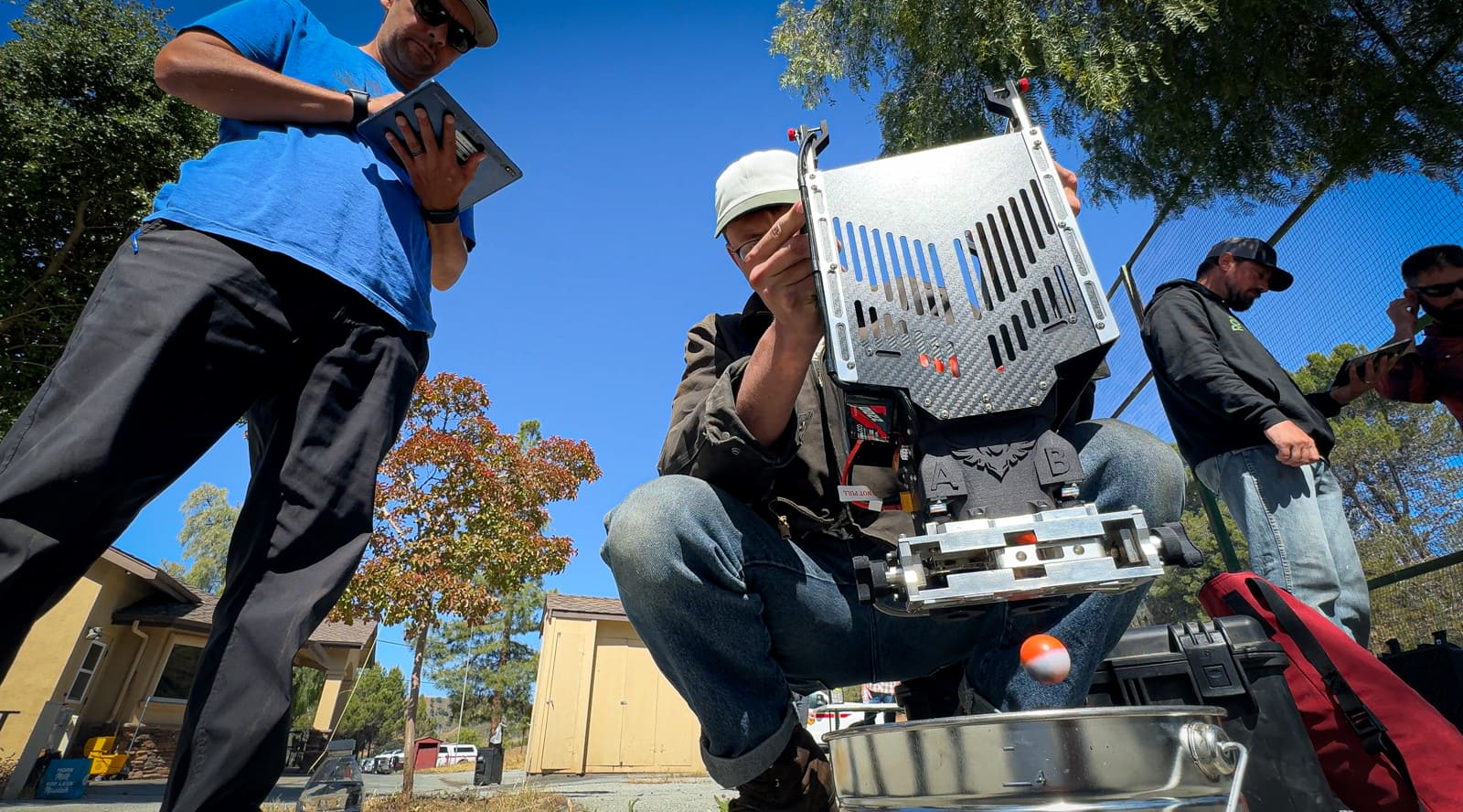
Aerial ignition needs an insurance review that names the prescribed burn work explicitly. A general description such as photography or surveying does not explain the project, equipment or responsibilities.
Describe the burn assignment
Identify the organization directing the burn, the land involved and the contractor providing the aircraft. Explain whether the assignment involves a planned project or an incident response. Give BWI the proposed work dates and the written division of responsibilities. Insurance acceptance and operational approval require separate confirmation.
Review fire and smoke exposures
Ask how the proposed policy treats allegations involving fire spread, smoke, injury and damage to neighboring property. Provide the contract and any requested limits. Do not assume aircraft liability pays project delays, suppression costs or every consequence of the burn. Ask for exclusions and accepted activities in writing.
Include the full equipment chain
List the aircraft, ignition payload, ground equipment and their values. Explain ownership, transport, storage and the roles of employees and subcontractors. For example, a borrowed payload creates a different property question from equipment owned by the operator. Report project or equipment changes before relying on the original review.
Prepare the BWI review
Gather the service description, locations, property values, staff roles, agreements, current policies and factual claims history. Explain proposed changes and the date they will start.
Compare the actual limits, deductibles, exclusions, insured parties and activities. Ask which requested terms are accepted and what remains outstanding. Keep the final documents and reporting instructions with the business records.
Request a drone insurance review from BWI for the operation described above. Availability and terms require an individual review.
Continue Reading

