

An aircraft oxygen servicing business needs insurance reviewed for the gas it supplies, the equipment it handles and the work it performs on customer aircraft. A complaint about a completed service is different from damage to an aircraft during the visit. Cylinders awaiting collection, a servicing cart in a vehicle and a customer's equipment at another facility create additional property and responsibility questions.
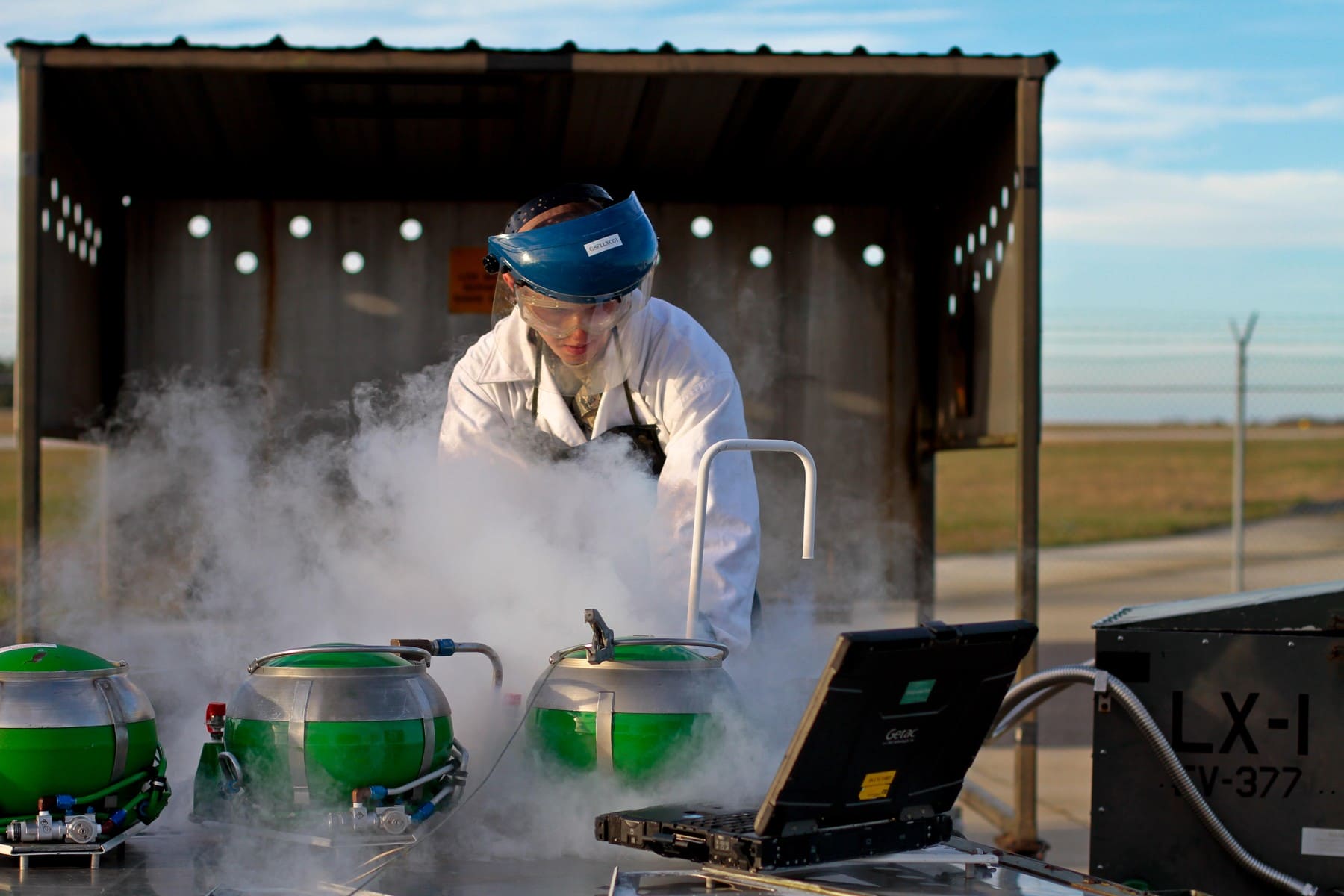
Start with a description of the complete job rather than asking only for general liability. Explain who obtains the oxygen, who owns each container, who transports it, who performs the service and who records completion. The proposal should match that actual operation. A policy arranged for a different maintenance activity should not be assumed to accept oxygen work merely because both take place at an airport.
This guide helps independent providers organize a commercial insurance submission. It provides no filling, cleaning, pressure, testing or handling instructions. Qualified personnel must determine the technical procedures and authorizations applicable to the actual equipment and work. BWI's commercial aviation insurance information is a starting point for discussing options; specialist eligibility and issued terms require confirmation.
Explain Exactly What the Business Supplies and Services
List the services customers buy from you. Supplying a filled cylinder, exchanging a customer cylinder, servicing an installed aircraft system and repairing a component are different activities. A business may perform several of them, but the insurance submission should identify each one rather than grouping everything under oxygen service.
Identify whether your operation concerns compressed gaseous oxygen, liquid oxygen or other equipment. Describe only capabilities you actually provide. A photograph, an employee's previous experience or an intended equipment purchase does not establish that the present business offers every type of service. Make planned additions clearly distinguishable from work already performed.
Explain the customer mix, aircraft categories and service locations requested by the application. Work on a privately operated aircraft, an air carrier's equipment or a military contract can involve different agreements and underwriting questions. Do not infer that an available quotation for one customer category accepts every other aviation customer.
Describe related work explicitly. Component removal and installation, testing, refurbishment, cylinder inspection, equipment rental and technical advice can extend the service beyond replenishment. If another business performs a specialist stage, identify that arrangement and your retained responsibilities. The application needs the work chain your customer experiences, including the parts you arrange elsewhere.
Map the Supply Chain Before Comparing Liability Proposals
Identify your oxygen supplier and the documents connecting deliveries to your inventory and customer jobs. Explain whether you resell under your own name or arrange a direct supplier relationship. Your insurance reviewer should understand what the customer buys from your business and which representations your business makes about the supplied material.
Keep the supplier's duties separate from your own. A supply agreement or the supplier's insurance does not automatically establish protection for your business. Provide representative agreements and relevant insurance evidence so the broker can examine the intended relationship without assuming the existence of a product supplier removes every service allegation.
Review liability involving supplied products and completed services together. Ask how the offered wording treats your role as distributor, service provider or repairer. Identify aviation use openly. A general description of industrial gas sales may fail to explain a service delivered to an aircraft system or equipment used by flight crews.
If the business relabels, repackages, imports or combines products, disclose the actual practice. These facts should reach the underwriter before you rely on a proposal based on a simpler distribution model. Legal advice about product responsibilities belongs with qualified counsel; the broker needs the resulting factual description and contracts for insurance review.
Separate Aircraft Damage From a Later Service Allegation
An aircraft can be damaged while a technician is present, while a customer's complaint can arise after the service has ended. Describe those events separately when asking about protection. Neither a premises liability heading nor a certificate showing a large limit establishes the answer for every stage.
For aircraft in your care, custody or control, ask which provision is intended to address the business's liability and how relevant exclusions apply. Explain whether staff enter the aircraft, connect equipment, remove components or move it. Ownership of a hangar is not the only fact that matters when assessing responsibility for customer aircraft.
For completed work, examine the declared services, products involvement, coverage trigger, limits and relevant exclusions. Ask about the distinction between liability for resulting injury or damage and the expense of repeating or correcting your own service. Insurance should not be presented to customers as an unconditional workmanship guarantee.
If a quotation does not contemplate a material task, keep that unresolved item visible. An owner asking for an extra service at the end of a visit does not amend the insurance. Obtain the appropriate operational and insurance review before treating the expanded assignment as an accepted part of your business program.
Identify Every Container and Its Owner
Cylinders, carts, removable aircraft equipment and your own service tools should not become one undifferentiated property value. Record ownership and the basis of your responsibility. A supplier may own a container while your business is responsible for its possession, return or loss under an agreement.
Prepare supported values for the property interests you want reviewed. Include the highest concentration at your premises or temporary location, not only the average number of cylinders used on one job. Explain leased or borrowed equipment and any customer property held while further instructions or outside work are pending.
Ask how the proposed property arrangements distinguish containers, contents, service equipment and customer items. Review valuation, applicable locations, transit stages, limits and deductibles. A liability limit does not itself establish first-party protection for a servicing cart that belongs to your company or for a container you have agreed to replace.
Keep purchase, rental and supplier records available outside the vehicle or storage area that holds the equipment. If property is lost or damaged, the factual review will need more than a recollection of how many items were present. This recordkeeping supports an accurate account; it does not guarantee that a particular loss is insured.
Describe Storage and Transport Without Treating Insurance as Safety Approval
Explain where the business stores gas and equipment, who controls those premises and whether other businesses share the space. Give the insurance contact the actual quantities and arrangements requested by the application. Avoid presenting a leased address as the whole operation when material inventory is also held at another location.
29 CFR 1910.101 addresses compressed-gas matters including inspection and in-plant handling and storage. Applicability and the detailed requirements need a qualified safety review for the operation. An insurance inspection, certificate or accepted premium is not a determination that the business has satisfied every workplace requirement.
Describe vehicle use and delivery responsibility separately from storage. State whether your employees transport equipment, a customer collects it or a commercial carrier undertakes the journey. Identify loading, unloading, overnight stops and property kept in vehicles as facts for review, without assuming one property or vehicle policy automatically addresses the whole trip.
PHMSA's hazardous materials outreach resources provide an official starting point for transport compliance questions. Qualified personnel must determine the obligations and any relevant exceptions for the actual shipment. This insurance discussion does not classify a shipment, select packaging or authorize transport.
Include Mobile Visits and Work Under Another Company
Tell the broker whether technicians attend customer hangars, ramps, maintenance facilities or other changing locations. Explain how work is arranged and who controls access. A program described solely around your workshop may leave important questions about the service you sell away from that address.
Identify your contractual role on each common type of job. You may contract with an aircraft owner directly, work as a subcontractor to a maintenance shop or provide personnel under another company's agreement. State who invoices the customer, directs your employees, supplies equipment and accepts the completed service.
If another company's policy is mentioned, obtain the actual evidence and requested terms for review. Do not assume its insurance automatically protects your legal entity or your own work. Likewise, your subcontractor's insurance should not be treated as confirmation that every allegation against your business is resolved.
Airport entry requirements are another separate review. Collect vendor requirements and requested insured names early enough to assess them. Permission to enter, technical authority and accepted insurance terms serve different purposes. A customer inviting your technician onto a ramp does not establish that all three have been addressed.
Review Agreements Before Promising Customer Protection
Send complete customer and supplier contracts with their insurance schedules. Identify indemnities, repair obligations, warranties, liability limitations and requested endorsements. A summary saying the customer wants standard insurance can conceal a promise to reimburse expenses that the actual proposal does not insure.
Ask qualified counsel to assess the legal obligations and the broker to compare the intended insurance. Keep those conclusions connected but distinct. An endorsement may address a requested insured status without satisfying every indemnity or service guarantee elsewhere in the agreement.
A certificate is evidence tied to policy terms; it is not a substitute for reading the relevant grant, exclusions and endorsements. Before saying a requirement is met, confirm the correct legal parties, coverage part, dates and supported wording. Record requests the insurer has declined or has not yet agreed to provide.
Review loss of use, aircraft downtime and consequential-loss promises carefully. The amount a customer demands can exceed the service fee by a substantial margin. Do not infer a universal coverage answer from the fact that an invoice relates to oxygen servicing or that the customer describes the charge as necessary.
Keep Service Records That Identify the Actual Work
Describe how each order links the customer, aircraft or component, date, personnel and equipment involved. Record the service requested and the work undertaken through the technical record process applicable to your business. The insurance submission should describe established practice accurately rather than presenting an intended future system as already in use.
Preserve relevant supplier documents, work authorizations, handoff records and amendments. If a job changes from replenishment to component removal or repair, identify the revised assignment and who authorized it. An invoice prepared afterward may not explain an important change in responsibility.
The FAA mechanics resources link certification, maintenance and technical information. Qualified personnel must determine what authority and records the actual task requires. An insurance guide cannot decide who may perform or approve a service, and a quotation does not confer that authority.
Protect customer information when storing or sharing records. Explain any portal access, electronic maintenance-system entry or other data service you provide. Ask separately about cyber or technology exposures where relevant; the fact that an aviation policy addresses physical work does not establish protection for every electronic record or access allegation.
Consider a Fictional Cylinder Exchange Dispute
Imagine a hypothetical contractor that collects a customer's removable cylinder, arranges outside work and supplies a replacement while the original is away. The customer later questions which item was returned and alleges that the wrong equipment caused an additional expense. This is an illustrative administrative dispute, not a BWI claim or an account of a real servicing event.
A useful factual review would need equipment identifiers, supplier and outside-vendor records, customer instructions, loan or exchange terms and the completion documents. The insurer would also need the actual allegation and relevant policy wording. It would be premature to decide protection from the business's general description alone.
If the customer additionally alleges damage to an aircraft, that information must be presented distinctly. The interest in a missing cylinder, responsibility for a supplied item and liability for alleged resulting damage can raise different questions. One transaction can involve several interests without a single automatic coverage outcome.
Use the example before quoting to test whether your submission explains exchanges, temporary equipment and subcontracted stages. If the application describes only on-site replenishment, it misses material parts of the hypothetical operation. Correct the description rather than expecting a policy label to make the omitted activity clear.
Prepare Values and Staffing Information That Match the Operation
Prepare revenue information in the categories and periods requested. Separate supply, servicing, repair, equipment rental and other work where the application asks. Explain projections honestly for a new operation, including the principals' relevant experience without presenting another employer's trading history as your own company's record.
Describe employee duties, working owners and independent contractors accurately. Workforce protection requires its own review with appropriate advisers for the jurisdiction and arrangement. Do not assume an aviation liability policy replaces workers compensation, or that calling someone an independent contractor decides their legal classification.
For premises and property, include your own tools, leased equipment, improvements and inventory. Discuss business income and extra expense separately, identifying the actual triggers, limits and waiting periods in an offered form. Lost revenue after a supplier delay or canceled customer flight is not automatically an insured interruption.
Disclose unusual contracts or planned expansion before requesting alternatives. A business moving from a single fixed location into mobile delivery, or from cylinder supply into installed-system work, should not compare proposals based on the older model. Ask what additional information the insurer needs before the change begins.
Compare Proposals and Preserve Continuity
Give each insurance reviewer the same factual service description and supported values. Compare customer aircraft responsibility, supplied products, completed services, property interests, transport, vehicle use and workforce arrangements as separate items. Record which policy or endorsement is intended to address each exposure and which items remain outside the offer.
Read limits and retained amounts with their actual basis. A per-occurrence figure, aggregate, property sublimit and aircraft-specific restriction should not be compared as though they are interchangeable. Ask how defense costs are treated and where an offered exclusion affects a service important to your business.
Review dates and reporting provisions before changing insurers, ending a service line or closing the company. Earlier work can become relevant to a later allegation. The appropriate continuity discussion depends on the offered coverage trigger and terms, not merely the date on the invoice or the last day technicians visited customers.
When damage, an incident or a complaint occurs, follow the applicable policy's notice process and preserve relevant records. Obtain appropriate claim and legal guidance before promising payment or settlement. A new quote request is not the reporting route for an existing allegation, and this article cannot determine its coverage.
Request an Aircraft Oxygen Servicing Insurance Review
Bring BWI a service inventory, customer categories, locations, supplier arrangements, representative contracts, equipment ownership schedule and supported values. Explain mobile work, transport, cylinder exchange, outside vendors and any component repair or installation. Include current policies and the complaint or loss information requested for an established business.
Start a commercial aviation quote request or call 866 788 6291. Ask whether suitable options can be considered for the actual oxygen operation and what further specialist information is needed. Review the accepted services, exclusions, endorsements and effective dates in the issued documents before relying on protection.
Sources and further reading
Continue Reading


