

Aircraft paint shop insurance should describe the complete refinishing business, from accepting an airplane into custody through stripping, preparation, coating, outside technical work and customer collection. A general description of detailing does not explain a shop that removes an existing finish and applies a new one. Tell the insurance reviewer what your company actually does, which aircraft it handles and what responsibilities its work orders accept.
For the shop owner, the central question is how the offered insurance addresses several different interests. Damage to a customer's aircraft, an allegation involving completed work, an employee injury, damage to your own equipment and an environmental concern should not be grouped into one assumed paint-shop benefit. Ask for each relevant interest to be examined against the actual proposal and policy wording.
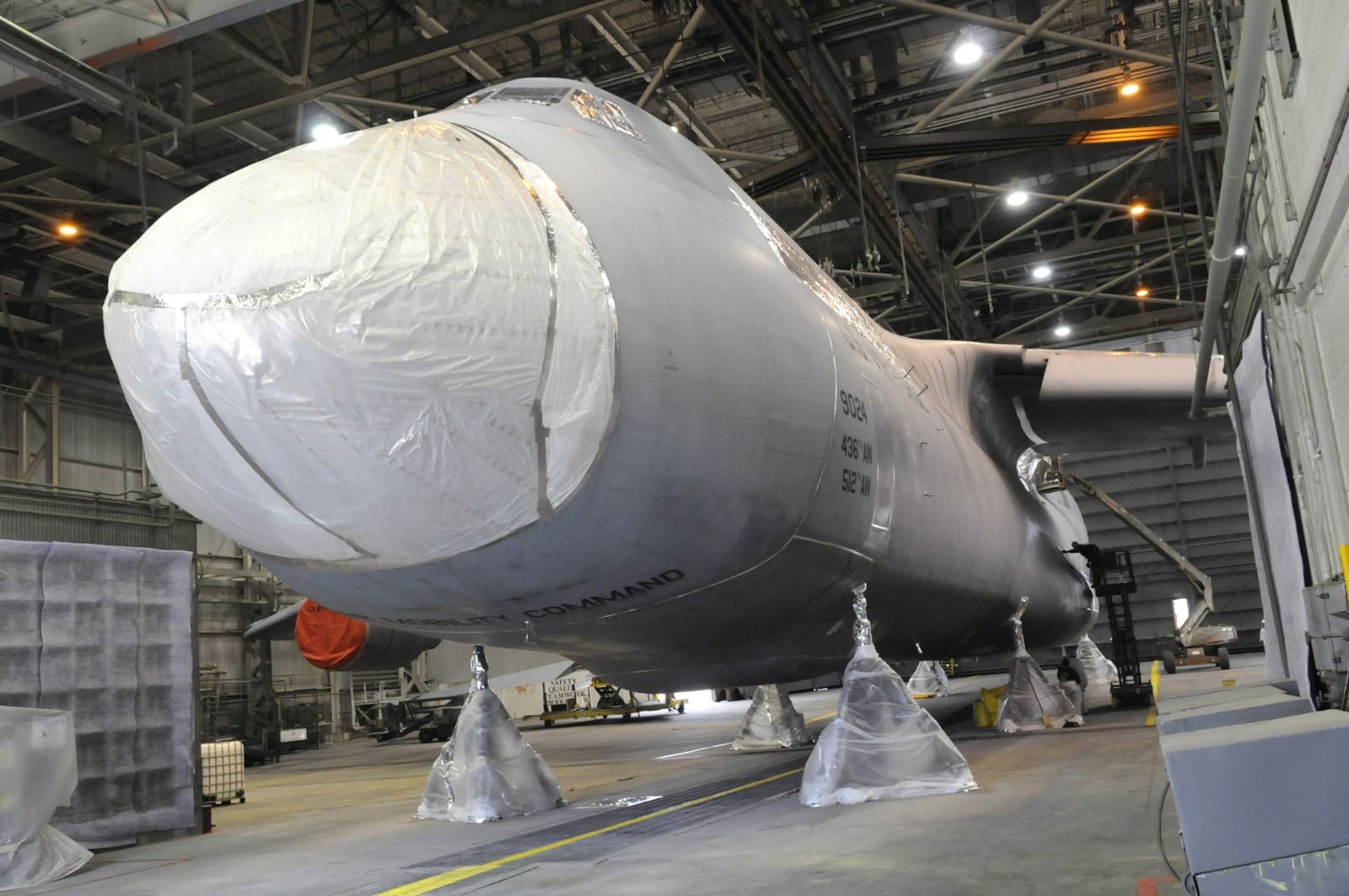
This guide concerns the business providing the service. Aircraft owners arranging a repaint have their own policy and custody questions. Technical decisions about stripping, surface preparation, coatings, maintenance and release belong with appropriately qualified professionals. An insurance review does not approve a process or establish that a finished aircraft is ready for service. Use BWI's commercial aviation insurance information as the broader starting point for the business discussion.
Describe Stripping and Painting as Actual Services
List the stages your company performs itself and those it sends to another organization. Explain whether you receive complete aircraft, detached components or both. A shop applying coatings to removed parts presents a different custody account from one holding several complete aircraft while coordinating disassembly and refinishing. Give the reviewer enough detail to understand the distinction without expecting a brochure photograph to supply missing facts.
Keep the description current when expanding. A business that previously washed and polished aircraft should not describe stripping and repainting as unchanged detailing. Similarly, a coating shop adding corrosion assessment, component removal or maintenance coordination should identify those services accurately. Establish the technical and legal framework through the responsible professionals, then supply the confirmed business facts for insurance review rather than presenting a planned capability as already approved.
Separate Faulty Finish Complaints From Other Damage
A customer can complain that a finish fails to meet the purchased specification without alleging a separate accident. Another event might involve damage to an aircraft while it is being held or worked on. Keep those matters distinct in the work record and insurance inquiry. Repeating a job, refunding its price and paying damages alleged by another party are not interchangeable financial obligations.
Ask how the actual offered terms address the disclosed work and relevant allegations. Do not assume that aviation liability pays every cost of correcting workmanship or honoring a satisfaction promise. Equally, do not decide that an incident is excluded merely because it occurred during painting. The relevant facts, insuring agreements, exclusions and conditions require examination by the appropriate insurance professional.
Explain the Whole Aircraft Custody Period
Identify when your business takes possession, where the aircraft waits and when the customer receives it back. The custody period can include a queue before work begins, time with components removed and a delay after the finish is completed. An estimate stating five working days does not necessarily describe how long the aircraft remains at your facility or under your responsibility.
Provide the legal business name, actual locations and relevant storage arrangements. Explain whether a landlord, neighboring maintenance provider or another contractor controls part of the premises. Ask how the proposed arrangement addresses legal liability for customer aircraft in the circumstances disclosed. A hangar lease, customer contract and insurance policy each serve different purposes; none should be treated as a complete substitute for reading the others.
Record the Aircraft Accumulation at Each Location
Prepare realistic information about the aircraft your shop can hold at one time, including those awaiting work and collection. Explain the relevant values on the basis requested rather than listing only the average invoice. A low repaint price does not communicate the value of the customer's airplane. Several aircraft at one property can be relevant to one event even if only one is currently receiving a finish.
Keep the inventory tied to the actual location and stage of custody. If overflow storage or another building is proposed, provide that change for review before assuming the original location description applies. Ask the insurance contact about relevant limits and how the submitted accumulation is treated. This guide does not supply a universally sufficient limit or a formula that guarantees an insurer's acceptance.
Identify Removed Components and Customer Supplied Property
Explain which components may be detached and which organization handles them. Record ownership, custody and movement of significant customer property in the detail requested. A complete aircraft description may not explain parts sent to another workshop, loose equipment stored separately or property supplied by the customer for incorporation into the job. Do not assume a single aircraft entry answers every question about those items.
Keep subcontracted work visible even when your shop remains the customer's only commercial contact. Identify who receives a component, what service is requested and which agreements govern responsibility. Technical providers should establish the applicable work and release requirements. The insurance submission should describe that arrangement accurately, without suggesting that another provider's qualification or certificate automatically resolves your company's retained obligations.
Ask About Overspray and Neighboring Property Explicitly
Explain the setting in which your company works, including other aircraft or property that may be present. A concern involving material reaching a neighboring aircraft differs from a complaint about the finish on the aircraft receiving the service. Give the actual relevant facts and ask how the offered terms address the disclosed interest. Do not treat a general reference to property damage as the entire answer.
Have qualified technical and premises professionals establish the appropriate working arrangements. This guide does not prescribe containment, ventilation or painting methods. For insurance, describe the arrangements they establish and identify who controls neighboring space. If your company also works at customer premises, explain that mobile service separately instead of assuming a fixed-shop description represents every location and process.
Keep Employer and Workplace Questions Separate
Describe the workforce, employing entities, locations and actual duties requested for review. Include relevant stripping, preparation, coating, movement and office roles without grouping every employee under a single marketing label. Workers' compensation and other employer interests need their own assessment under the applicable framework. An aviation liability placement should not be represented as a replacement for every workplace insurance obligation.
OSHA's published aircraft-painting interpretation distinguishes painting from paint-removal operations in the specific standard it discusses. The useful insurance lesson is to describe each actual process accurately, not to assume one label answers all employer questions. Qualified safety and legal professionals should establish the requirements for your real operation. This article supplies no exposure thresholds, respiratory instructions or compliance determination.
Raise Chemical and Environmental Interests Directly
Identify the environmental interests the business wants considered and provide the relevant facts through appropriate channels. These may concern the actual materials, waste arrangements, premises or allegations associated with the disclosed operations. Do not describe a general aviation policy as automatic protection for every environmental expense, cleanup obligation or demand simply because the business serves aircraft owners.
Ask the appropriate insurance professional whether a specialist review is needed and what offered wording, if any, addresses the concern. The underlying handling, disposal, permitting and premises requirements belong with qualified advisers and the responsible authorities. Insurance acceptance does not issue a permit or approve a waste arrangement. Keep unresolved environmental interests visible alongside the other terms rather than hiding them inside an unexplained request for comprehensive protection.
Review the Shop Premises and Equipment
List the buildings or leased space, significant equipment and other business property in the detail requested. Explain ownership and supported values, including property belonging to a landlord or finance provider. A liability submission centered on customer aircraft does not replace an inventory of your own assets. Conversely, property insurance for the shop should not be presented as proof of protection for aircraft entrusted to it.
If a breakdown or interruption would affect the business, identify the actual expense or income concern separately. Ask what the proposed terms require and which interests remain outside the offer. A customer's delayed collection, loss of shop revenue and physical damage to equipment can involve different questions. Do not promise a standard payment period or assume every interruption must involve an insured event.
Prepare a Paint Shop Insurance Review Record
Use a concise account that connects the services, customer property, premises and contractual responsibilities. Keep supporting documents available without forwarding an uncontrolled archive of customer records. Mark estimates and pending arrangements accurately. A useful submission explains the business as it will actually operate and identifies the person who can answer each unresolved factual question.
| Review subject | Facts to establish | Insurance question to resolve |
|---|---|---|
| Services | Stripping preparation coating and outside work | Which actual activities have been considered |
| Customer property | Aircraft values accumulation detached items | What custody interests and limits are addressed |
| Premises | Work areas storage and mobile locations | Which locations and property interests are described |
| Workforce | Employing entities and actual duties | Which employer arrangements need separate review |
| Contracts | Workmanship promises indemnities and evidence | What obligations have supported insurance terms |
| Other interests | Own equipment environmental and interruption concerns | What remains separate restricted or pending |
Examine Work Orders Before Promising Insurance
Have counsel review the obligations your company accepts in the customer agreement. Identify indemnities, limitations, warranties, delays, aircraft movement, collection and any responsibility for another provider. A well-written insurance clause cannot resolve every unfavorable commercial promise elsewhere in the agreement. Supply the complete relevant wording rather than sending only the paragraph showing a requested liability limit.
Ask the insurance contact which evidence can be supported by the actual arrangement. A certificate should not be used to create an endorsement or imply acceptance of an undisclosed activity. If the customer requests additional-insured status or another change, identify the legal parties and actual relationship for review. Keep pending requests clearly marked so a sales deadline does not turn an unanswered question into a promise.
Separate Movement and Flight Responsibilities
Explain who may tow, reposition, operate systems or arrange any flight involving customer aircraft. Do not assume that authorization to paint gives every employee authority for every aircraft movement. Qualified aviation personnel must establish suitability and permissions. Provide the resulting factual arrangements to the insurance reviewer, including services performed by another business and responsibilities your shop retains under the customer contract.
If a customer changes the collection plan or asks your shop to arrange delivery, assess the new undertaking before treating it as routine scheduling. The people, aircraft use and contractual obligations may differ from the original account. A policy discussion about static custody should not be presented as acceptance of any flight simply because the aircraft registration is unchanged.
Make Subcontracting Relationships Understandable
Identify the work performed by independent maintenance, coating, transport or other providers. Explain whether your company refers the customer directly or contracts with the provider itself. Those arrangements can create different commitments even when the same technician ultimately performs the task. A statement that all subcontractors carry insurance does not explain the relevant terms or settle your own business's exposure.
Collect appropriate evidence through the proper channels and have the actual agreements reviewed. Ask how your offered insurance relates to the responsibilities your shop accepts. Keep another provider's technical approvals, insurance documents and commercial promises attributable to that provider. If a subcontract changes during a job, preserve the revised facts and send material changes for the relevant review before relying on an earlier response.
Compare Proposals Using One Accurate Shop Description
Use the same services, legal entities, aircraft accumulation, locations, workforce and customer agreements when evaluating available offers. A price prepared for a mobile detailer should not be treated as equivalent to terms that considered a fixed aircraft stripping and refinishing operation without explaining the difference. Ask what assumptions and outstanding conditions support each response rather than comparing the premium alone.
Discuss relevant limits, deductibles or retentions, defense provisions, property definitions, exclusions and reporting conditions in the actual proposal. No standard premium is provided here. Keep any specialized environmental or employer review separate but coordinated with the business account. Confirm what must happen before binding and retain the issued terms; a quote request or preliminary indication is not active protection.
Work Through a Fictional Expansion of a Paint Business
Imagine a fictional shop previously refinishing detached components. It proposes to receive complete aircraft, arrange component removal through a maintenance contractor and hold finished aircraft until their owners collect them. The work remains related to coatings, but the customer property, custody period, aircraft movements and contractual responsibilities have changed. This is an administrative example, not a BWI customer story or an approved technical plan.
The shop describes the new services, maximum accumulation, actual premises, subcontract and work order before relying on its earlier insurance arrangement. Appropriate technical professionals establish the work requirements, while counsel and insurance advisers examine their respective questions. The prior certificate is not offered as proof that all new interests have been considered. The outcome depends on the real proposal and any final accepted terms.
Preserve the Job Record When a Concern Arises
Keep the accepted scope, arrival observations, relevant photographs, change authorizations, outside-provider records and customer communications connected to the individual aircraft. Distinguish an existing condition discovered during preparation from an allegation of a new event. Finding something after the finish is removed does not by itself establish when it occurred or who is responsible. Qualified technical professionals should supply findings within their expertise.
Follow the actual insurance notice requirements and seek guidance from the proper contact if an incident or demand arises. Preserve original records and record later corrections separately. Do not promise payment, authorize a settlement on an insurer's behalf or rewrite the original work order to match a preferred explanation. Customer service, technical assessment and the insurance response each need a factual basis.
Aircraft Paint Shop Insurance Questions
Does the aircraft owner policy replace the shop insurance
Do not assume that it does. The aircraft owner and refinishing business can have different interests, responsibilities and policy terms. Give the appropriate advisers the actual custody and work agreements. An owner's certificate does not independently explain the shop's protection for its own services or contractual obligations.
Is stripping an aircraft the same insurance description as detailing
Describe the processes separately and accurately. Removing an existing finish, preparing surfaces and applying coatings should not be hidden inside a general cleaning description. Establish technical requirements through qualified professionals and ask the insurance reviewer to consider the actual business undertaking.
Will insurance pay to redo an unsatisfactory finish
No automatic conclusion follows. A workmanship complaint, warranty promise and allegation of other damage may raise different questions. Provide the facts and relevant agreement for review against the issued terms rather than promising that an insurance limit funds every corrective expense.
Should aircraft awaiting collection be included in the submission
Explain the actual custody, locations and accumulation through handover, including finished aircraft still at the premises. The end of painting does not necessarily end every responsibility. Ask what information the insurance reviewer needs to assess the real period your company holds customer property.
Request a Paint Shop Insurance Review From BWI
Bring BWI the service list, legal entities, locations, customer aircraft values and accumulation, detached-property arrangements, workforce information and representative work orders. Include important subcontract agreements and the specific protection you want reviewed. Explain planned changes so an application for an established service is not mistaken for acceptance of an expanded operation.
Request a commercial insurance review from BWI and ask which options can be considered for your aircraft stripping and refinishing business. Existing policyholders should use the service channel confirmed for their account when changing an arrangement. Eligibility, pricing and protection depend on underwriting and the issued documents. Confirm final accepted terms before relying on them for a customer commitment.
Continue Reading


