
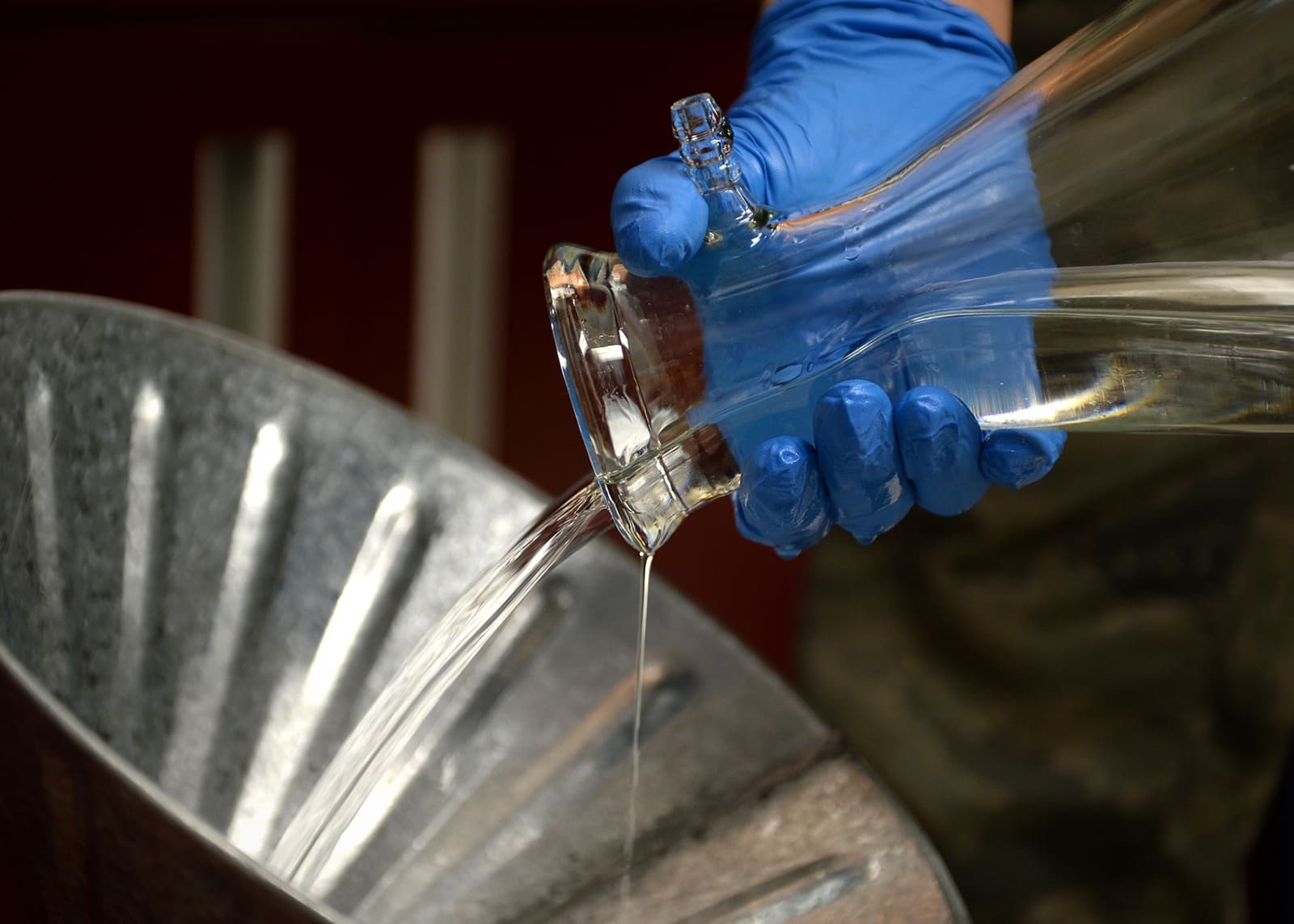
A fuel testing laboratory should describe the tests, reports and advice it supplies. Identify who collects the sample and who may rely on the result before comparing insurance terms.
Follow the sample and report
Record the customer, sample identity, collection information and chain of custody. Explain tests, report recipients and any recommendations beyond numerical results. Retain corrections and distribution records so the final report can be traced.
Separate professional and property interests
Ask about an alleged incorrect result separately from damage to customer property, instruments or premises. Describe outside laboratories, specialists and field work. Accreditation and a supplier’s insurance do not establish the laboratory’s own protection.
Include earlier services and information
Explain prior reports, known matters, confidentiality and data handling when requesting terms. Review dates and notice conditions when changing cover. Keep the actual service description consistent across the application, contracts and reports.
Prepare the BWI review
Gather the service description, locations, property values, staff roles, agreements, current policies and factual claims history. Explain proposed changes and the date they will start.
Compare the actual limits, deductibles, exclusions, insured parties and activities. Ask which requested terms are accepted and what remains outstanding. Keep the final documents and reporting instructions with the business records.
Request a commercial aviation insurance review from BWI for the operation described above. Availability and terms require an individual review.
Continue Reading

