
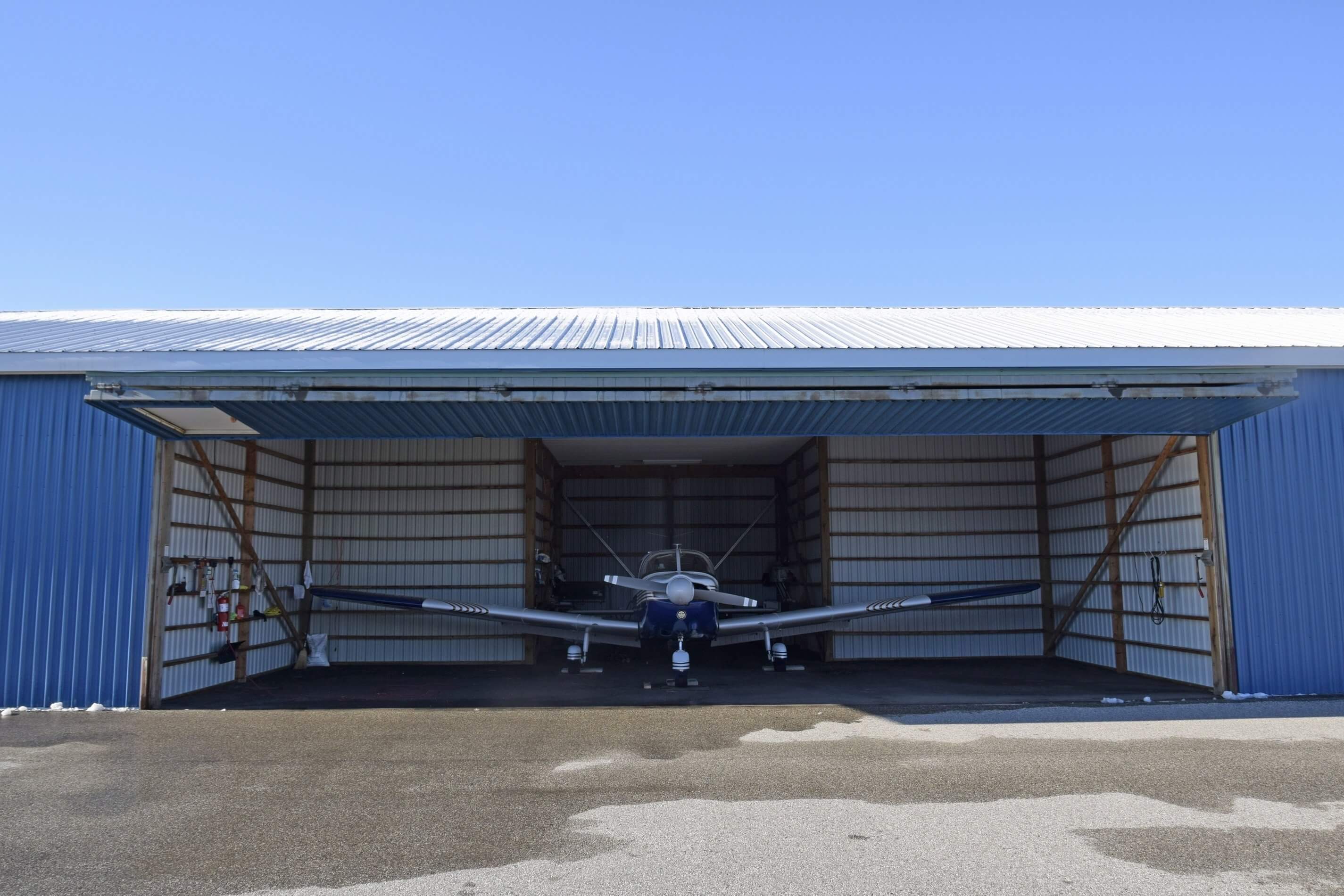
Before lending your airplane to a friend, confirm more than their experience and your willingness to hand over the keys. The insurance review should address the actual pilot, planned use, your aircraft damage protection and the friend's own potential exposure. Being allowed to fly an airplane does not automatically mean receiving every protection available to its owner.
A short local flight and a weeklong trip can involve different facts: passengers, unfamiliar airports, overnight parking, payment, instruction or another pilot joining the flight. Describe the proposed loan as it will actually happen. A good friend may still need a detailed insurance discussion.
At BWI, we help owners bring the aircraft policy and planned use into that conversation. Request an aircraft insurance review from BWI before lending the airplane, and include your friend's qualifications and intended trip. The aim is a clear arrangement that both people understand before the airplane leaves the hangar.
Start With Permission and Pilot Conditions
Your permission as owner is important, but it is not the only requirement to review. Read the policy's pilot wording and identify whether the friend must be named, meet specified conditions or obtain another form of approval. Do not rely on a remembered summary from the last renewal.
Compare the actual pilot record with the wording. Total time, model experience, ratings, recency and training can be different questions. If a condition is unclear, resolve it using the current information rather than treating a rough estimate as sufficient.
Insurer Avemco's Look Before You Lend discussion highlights the importance of pilot conditions in a loan. Use your issued policy for the answer in your case. A statement about another carrier's approach is not permission under your contract.
The friend's credentials also need to fit the operation under the applicable aviation rules. An insurance response and legal qualification are separate checks. Neither should be inferred solely from the person's reputation or employment as a pilot.
Approved Pilot and Insured Person Are Different Questions
Pilot wording concerns who can operate within the policy's conditions. Insured status concerns who the contract protects and for which exposures. A friend's name can appear in one part of the paperwork without resolving every question in another.
Ask specifically about the owner's aircraft damage interest, the owner's liability and the friend's potential liability. If the policy provides some protection to a permitted pilot, find out its scope and conditions rather than assuming it is identical to the named insured's protection.
The friend should review their own position too. If they carry nonowned coverage, they should disclose the aircraft and arrangement to that insurer. Their policy needs its own review for aircraft eligibility, use, limits and any relevant exclusions. The existence of two policies is not proof that every possible expense has been addressed.
BWI's nonowned aircraft insurance information is a useful starting point for that separate discussion. The owner and borrower should compare the actual answers rather than each assuming the other person's insurance will handle everything.
Compare the Responsibilities Before the Loan
A simple responsibility table can prevent the uncomfortable discovery that the owner expected one arrangement while the borrower expected another. Use plain language, and obtain legal advice before accepting contractual terms that go beyond a practical trip record.
This is a discussion guide. It does not allocate legal liability or amend an insurance policy. Where the two people intend a particular insurance result, obtain confirmation from the relevant insurer rather than writing it into a private note as if it were already agreed.
| Issue | Owner decision | Borrower question |
|---|---|---|
| Pilot permission | Who may operate this airplane | Do I meet the actual conditions for this trip |
| Aircraft damage | Selected value deductible and policy terms | What responsibility might I personally face |
| Other liability | Owner interests and applicable limits | What protection applies to allegations against me |
| Trip use | Passengers instruction payments and route | Does my own policy permit this arrangement |
| Expenses after an incident | Handling repairs downtime and return | Which commitments should I avoid making alone |
| Communication | Incident and delay reporting contacts | Who should be notified and when |
Discuss Deductibles Downtime and Recovery Rights
The hardest conversation often concerns a damaged airplane that the owner cannot use. Agreeing that the friend will pay the deductible may sound simple, but it does not explain every potential cost, legal obligation or insurer recovery issue.
Identify what the owner expects concerning repairs, downtime, retrieval and uninsured expenses. Then distinguish those expectations from what insurance actually provides. Avoid telling the borrower that their maximum exposure is the deductible unless the relevant documents and qualified advice support that conclusion.
Likewise, do not promise that an insurer will never pursue the borrower. Recovery rights depend on the policy, insured status and circumstances. If a waiver or release is proposed, have it reviewed before signing; a private promise can have consequences that are not apparent from the trip itself.
The objective is not to turn a friendly loan into an argument. It is to avoid a preventable disagreement after damage, when both people are already under pressure. A brief documented discussion before the loan is easier than reconstructing two different verbal understandings afterward.
Describe Payments and the Actual Purpose of the Flight
Tell the broker if the friend will pay an hourly amount, reimburse expenses, buy fuel or provide another benefit. Also describe whether the flight is personal travel, business travel, instruction or something else. Do not choose a label such as free loan while omitting the payment arrangement.
The policy's permitted use and the applicable aviation rules need separate consideration. Insurance acceptance does not establish that a compensation arrangement is lawful. Obtain qualified aviation advice when the facts raise that question, rather than relying on an informal rule passed along at the airport.
Instruction deserves particular care. A friend borrowing the airplane for a trip is different from using it to receive training, give training to someone else or conduct a checkout. Identify every pilot and instructor involved, and establish who will act as PIC for the actual flights.
If someone suggests letting a second friend fly during the trip, treat that as a change. The original review should not quietly expand to a new operator or use simply because the airplane is already away from home.
A Weekend Loan That Becomes a Training Trip
Consider a hypothetical owner lending a piston airplane to a friend for a weekend visit. The reviewed plan involves the friend acting as pilot on a personal trip with one passenger. The friend later asks to take an instructor along and practice approaches en route.
The airplane and borrower are unchanged, but the activity and participants have changed. The owner should describe the instruction, identify the instructor and clarify the PIC arrangement before agreeing. The borrower's own insurance may also need a separate answer for the proposed use.
Another hypothetical change is a weather delay that leaves the aircraft at a different airport overnight. The owner and borrower should have a communication plan for that ordinary possibility. Identify safe storage choices and the process for notifying the owner, while leaving the pilot free to make an appropriate safety decision without pressure to return on schedule.
These examples show why the loan description should include both a plan and a change process. Trying to predict every possible event is unnecessary; agreeing who communicates material changes is practical.
Make a Useful Aircraft Handoff Record
Walk through the airplane's current condition and equipment together. Record existing marks or discrepancies, supplied documents, installed equipment and any practical limitations the borrower needs to understand. This supports a shared understanding of what was handed over without claiming the record proves airworthiness.
Include the agreed departure and expected return, planned destination, owner contact and the process for reporting damage or maintenance concerns. Establish who may authorize repairs away from home. A borrower discovering a mechanical issue should not have to guess whether the owner expects a call before work begins.
Keep the record focused. It should not become a homemade insurance policy or an unsupported release of liability. Use the insurance documents and appropriate legal advice for those matters. A useful handoff note captures the facts and contacts the pilot will need while away.
For an extended loan, revisit where the airplane will be based, stored and operated. Occasional borrowing can gradually become regular use. If the arrangement changes in practice, report the new facts instead of continuing to describe it as the same one off weekend loan.
- Actual pilot and any instructor or additional operator
- Purpose passengers payments and intended route
- Departure return and overnight storage expectations
- Current condition documents and equipment supplied
- Owner borrower and insurer reporting contacts
- Authority for maintenance changes and an extended return
If Something Happens During the Loan
Safety and any required emergency response come first. Notify the owner promptly and follow the relevant insurer's reporting instructions. Preserve photographs, times, locations and factual descriptions without asking either person to decide coverage or fault on the spot.
Keep the owner's policy information and the borrower's nonowned policy information available. Each party should make the notifications required by their own contract. Do not assume a call to one company automatically satisfies another company's notice obligations.
Avoid approving a settlement, promising reimbursement or disposing of damaged property before the relevant review. Necessary safety measures and required reporting still take priority, but an unnecessary promise can complicate an otherwise manageable situation. Record what happened and let the authorized parties explain the next steps.
A good preloan discussion helps here: both people already know whom to contact, who authorizes work and which records to preserve. That is useful even when the event ultimately does not produce an insurance claim.
Frequently Asked Questions About Lending Your Airplane
Does an Open Pilot Clause Mean My Friend Is Fully Insured?
Do not read it that broadly. It addresses pilot conditions in the policy, while insured status and available protection need their own review. Check the complete wording and relevant endorsements before telling the friend what protection they personally receive.
Should My Friend Carry Nonowned Aircraft Insurance?
The borrower should review their personal exposure and available nonowned coverage for this specific aircraft and use. Compare liability and aircraft damage questions, applicable limits and exclusions. Do not treat the owner's coverage or a pilot approval as a complete substitute for that discussion.
Can My Friend Pay Me for Fuel?
Disclose the payment arrangement and intended flight. The insurance use wording and aviation compensation rules are separate questions. The answer depends on the actual facts, so do not assume a fuel payment is always irrelevant or always turns the arrangement into a particular coverage category.
What if My Friend Is an Airline Pilot?
Professional experience is relevant, but it does not replace a review of this airplane's pilot conditions and the person's recent model experience. Supply the actual qualifications requested. A strong overall record should not be used to skip a specific condition in the policy.
Can I Limit the Loan to One Trip?
You can describe the permission you intend to give, but make sure the arrangement is reviewed and communicated accurately. State the dates, pilot, use and change process. If the friend later wants another trip or a different activity, revisit the facts before extending permission.
Get a Quote From BWI Before Lending Your Airplane
Lending an airplane is easier to manage when both people understand permission, insurance and responsibility before the flight. We can discuss the owner's policy questions and help identify the separate nonowned coverage discussion the borrower may need.
Send BWI the aircraft details, friend's pilot information and planned trip, including any instruction or payment. Get an aircraft insurance quote from BWI or call 866 788 6291 before handing over the keys. Coverage depends on the actual policy, endorsements and accepted arrangement.
Continue Reading