
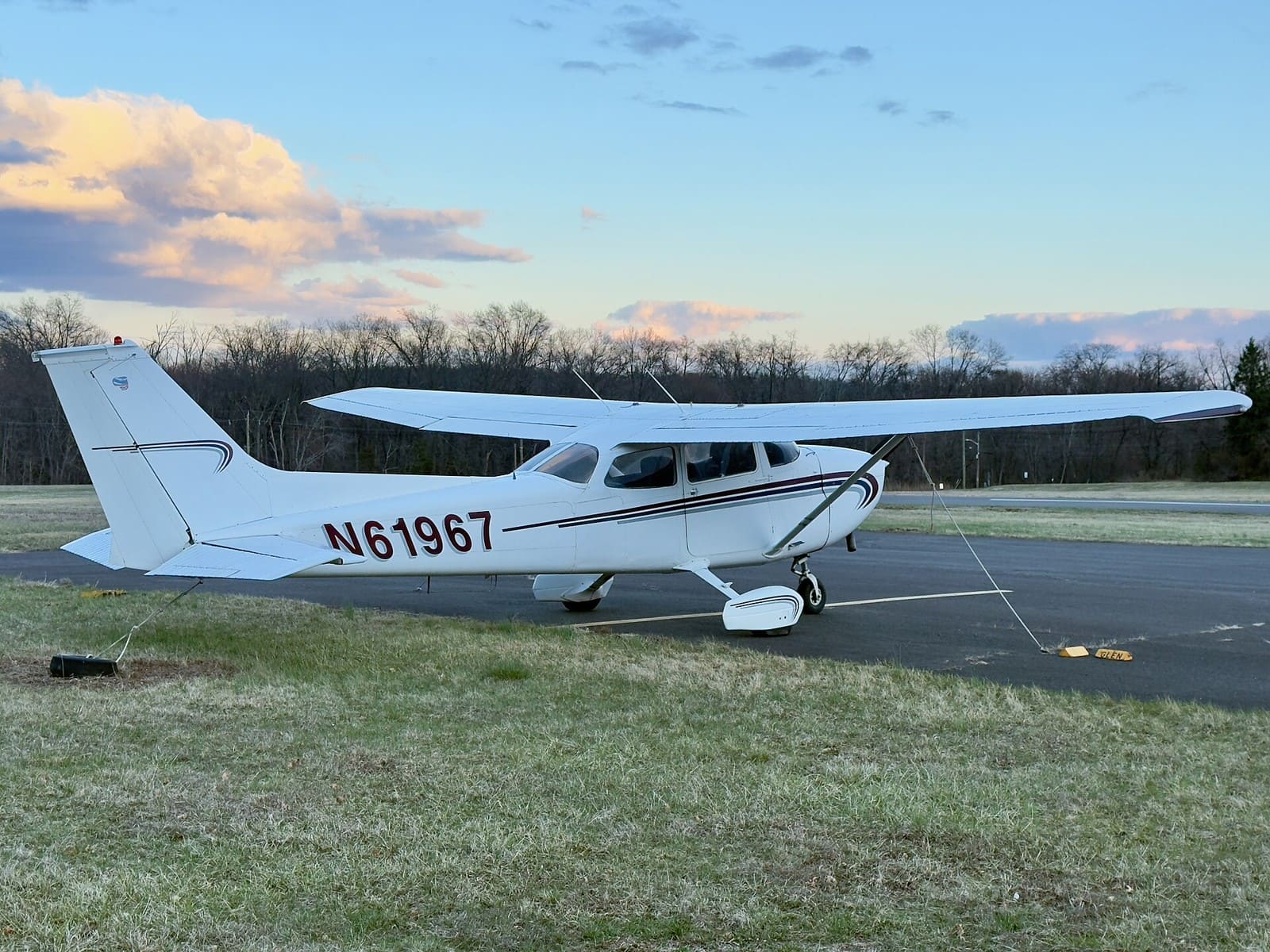
Operating an aircraft can expose an owner, pilot or business to allegations of injury or damage to others. Aircraft liability insurance should be reviewed against the actual aircraft, insured parties, pilots and intended use. The policy and the facts determine which claims it addresses.
Liability to others is different from physical damage to your own aircraft. Review hull protection separately, and avoid describing liability insurance as an unrestricted benefit for every occupant or incident.
BWI is a family-owned, aviation-focused agency serving customers since 1977. This guide explains the liability terms, quote information and insured interests to discuss before relying on an offer. It does not supply a universal sufficient limit or a current national premium average.
1. What Is Aircraft Liability Insurance?
Aircraft liability insurance addresses the insured’s specified legal liability under the contract. Review the insuring agreement, insured-person definitions, covered operations, limits, exclusions and conditions together.
A passenger injury or damage to another aircraft, building or vehicle can raise a liability question. The allegation alone does not establish coverage or fault. Defense, settlement and payment depend on the actual policy, facts and applicable process.
BWI’s aircraft policy reading guide explains how declarations, exclusions, conditions and endorsements fit together. Use the actual offer for the aircraft and operation being reviewed.
2. Liability Terms and Insured Interests to Review
| Area to Review | Policy Question | Hypothetical Allegation |
| Passenger Liability | Which occupants, allegations and passenger sublimits does the actual policy address? | A passenger alleges injury after a landing. |
| Liability to Others | Which insured parties and operations are described, and which exclusions apply? | Someone on the ramp alleges injury involving the aircraft. |
| Third-Party Property Damage | How are damage to others, property in custody and contractual responsibilities treated? | An aircraft movement damages another party’s vehicle. |
| Defense Provisions | When does defense apply, who handles the response, and how do costs affect limits? | An owner receives a lawsuit concerning the operation. |
| Premises Liability | Does the actual policy address the described hangar or premises activity, and on what terms? | An allegation concerns an injury at a leased hangar. |
3. Connect the Liability Review With Your Operation
Describe who owns, operates and flies the aircraft, who travels aboard it and where it is based. Personal, instruction, rental, charter and other business activities can raise different insurance questions. Do not infer the accepted operation from an aircraft model or a generic policy label.
Prepare the following interests for review:
- Owner and pilot interests – Identify the parties and the protection each actually has under the policy.
- Aircraft property – Compare any hull coverage separately from liability to others.
- Passenger questions – Review eligible roles and liability sublimits without promising every occupant a personal benefit.
- Business operations – Disclose the actual instruction, rental, charter or other activity for underwriting review.
Read the actual airport, lender, lease and operating requirements. A contractual requirement does not itself amend the insurance policy, and a certificate does not replace review of the offered terms.
Get Your Aircraft Liability Insurance Quote Today>>
Do all aircraft owners need premises liability insurance? Do not assume one universal premises requirement or automatic inclusion in every aircraft policy. Identify the owner, tenant or operator; the premises and work; applicable requirements; and the actual policy terms. Hangar buildings and contents, customer aircraft in custody and liability arising from premises can be different insured interests. Ask BWI to review the specific arrangement.
4. The Different Types of Aircraft Liability Coverage
There are several structures of liability coverage to understand when building your policy.
- Person and passenger sublimits – Identify which people and allegations are subject to a separate stated limit under the actual wording.
- Combined single limit – Review the total limit and all applicable sublimits; a CSL label alone does not establish that no passenger restriction exists.
- Smooth and sublimited alternatives – Ask what each offered option changes, which restrictions remain and whether the requested structure is available for your submission.
5. How Much Does Aircraft Liability Insurance Cost?
| Aircraft Type | Information to Submit | Compare in the Actual Offer |
| Light Single-Engine | Model, insured parties, pilots and use | Policy period, premium and liability structure |
| High-Performance Single | Configuration and relevant pilot experience | Training conditions, sublimits and permitted use |
| Twin-Engine Piston | Aircraft and pilot qualifications | Insured operations, limits and exclusions |
| Turboprop | Crew, training and intended operation | Defense terms, liability limits and premium |
| Jet Aircraft | Aircraft, crews, territory and business activity | Offered terms, fees and outstanding conditions |
Request a dated written quotation for the same aircraft, pilots, use and requested terms when comparing alternatives. Keep full annual premiums separate from installments, financing charges and fees. No price range in this guide is represented as a current offer.
6. How Liability Coverage Works During a Claim
- Reporting – Follow the policy’s applicable notification instructions and provide factual records through the appropriate reporting route.
- Review – The responsible claims professionals review the policy, parties, allegations and circumstances. Do not treat an early report as a final coverage decision.
- Defense and resolution – Review the applicable provisions, limits and conditions with the responsible professionals rather than promising payment or legal representation for every demand.
- Separate insured interests – Damage to the insured aircraft and liability to others can require different policy sections or reporting information. Do not combine their limits as one unrestricted fund.
For a hypothetical incident involving damage to both the insured aircraft and airport property, preserve facts about both interests and obtain the relevant reporting instructions. This example does not determine fault, identify an insured cause or promise repair or injury payments.
7. Common Mistakes Aircraft Owners Make with Liability Coverage
- Choosing from the headline limit alone – Compare sublimits, defense provisions, insured parties and actual operation as well as the total amount.
- Assuming all limit structures are equivalent – Request an explanation of the actual alternatives; no single structure is universally available or sufficient.
- Assuming pilot permission creates insured status – Review named and other accepted pilot conditions and the protection of each party before operation.
- Failing to update policies annually – Market conditions and usage may change your risk.
- Leaving coverage questions unresolved – Seek an explanation tied to the actual aviation policy and disclosed facts.
8. How to Choose the Right Limit of Liability
| Role or Operation | Questions Before Selecting a Limit |
| Student or Recreational Pilot | Are you an owner, renter or club member; which actual policy and pilot conditions apply? |
| Private Aircraft Owner | Which owner and pilot interests, passenger terms and requested limits are reflected in the offer? |
| Owner With Several Financial Interests | Which legal entities, contractual requirements, aircraft and activities need review? |
| Business or Charter Operation | Which operator, crews, contracts, territory and permitted uses does each offer accept? |
9. A Hypothetical Ground Damage Review
Imagine an aircraft movement on the ground results in a demand concerning another party’s parked aircraft. This is a hypothetical review exercise, not a BWI customer history, quotation or paid claim.
Identify the operator and pilots, preserve incident records and follow the relevant reporting instructions. The responsible professionals would review the actual policy, insured status, operation and allegations. Repair cost alone would not establish legal liability or the policy response.
No premium, settlement amount or out-of-pocket outcome is inferred from this example.
10. Prepare Comparable Liability Insurance Quotes
- Use consistent submissions – Compare available offers based on the same aircraft, pilots, operation and requested coverage.
- Document pilot training – Report qualifications and completed training; ask how the specific offer treats them without assuming a discount.
- Compare hull separately – Identify whether physical damage is included and how its terms differ from liability-only alternatives.
- Review retained amounts – Ask which deductibles or retained obligations apply and compare the actual alternatives offered.
- Resolve material questions – Ask for an explanation of differences before relying on an offer or representing protection to another party.
11. Discuss Your Liability Questions With BWI
- Family-owned and aviation-focused since 1977.
- Aircraft, pilot and operation information organized for review.
- Help with questions about offered liability terms.
- Available aviation insurance options reviewed subject to underwriting.
- Actual application requirements and outstanding conditions identified.
- Service for quote, policy and reporting questions.
12. Request an Aircraft Liability Insurance Review
Bring BWI the actual aircraft, pilots, ownership and operating details, existing policy and any written requirements. Compare the offered liability limits and conditions alongside the premium; no guide can establish a universal sufficient limit or guarantee a claim outcome.
A quote request, quotation or certificate is not a substitute for accepted policy terms. Obtain written binding confirmation before relying on protection.
Request an individual aircraft liability insurance review at BWI Aviation Insurance.
Continue Reading

