
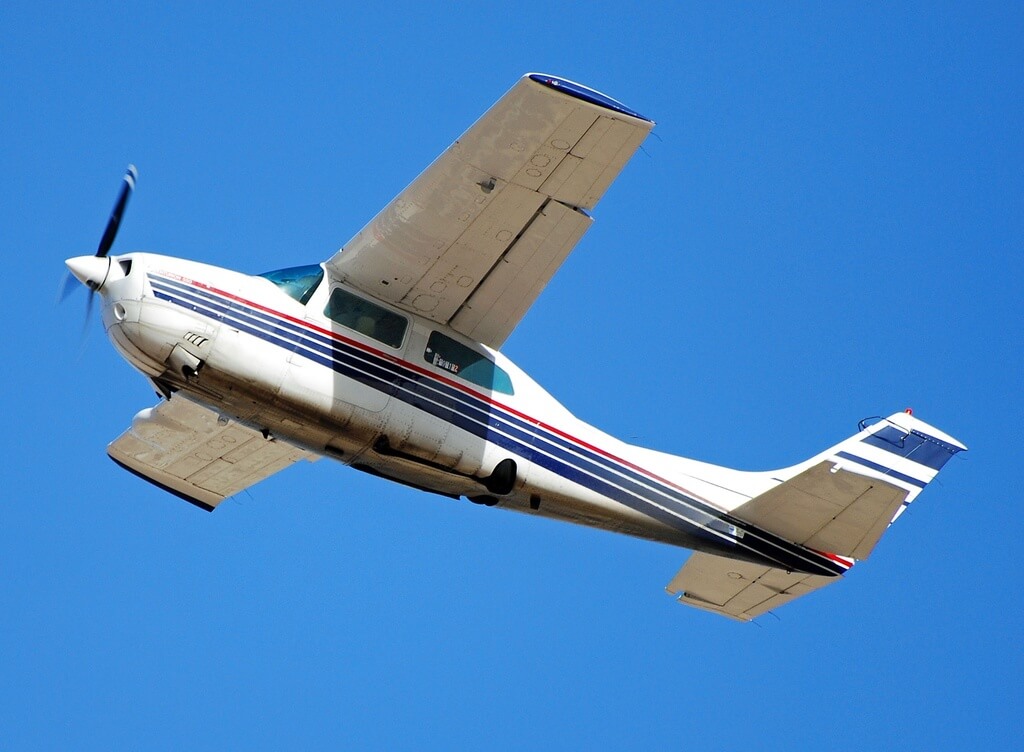
If you’re buying a Cessna 210, renewing your current policy, or trying to understand what affects Cessna 210 insurance rates, this guide will help you understand how aviation insurance companies evaluate risk and what you can do to secure the best possible coverage.
Few aircraft have earned the reputation of the Cessna 210 Centurion.
For decades, the 210 has been one of the most capable owner-flown transportation aircraft in general aviation. Combining speed, useful load, retractable landing gear, and exceptional cross-country capability, the Centurion has become a favorite among business owners, families, and serious IFR pilots.
Today, Cessna 210 aircraft are commonly used for:
- Business transportation
- Family travel
- IFR operations
- Long cross-country flying
- Mountain flying
- High-altitude operations
Because of its performance profile and mission capabilities, the Cessna 210 occupies a unique position within the aviation insurance marketplace.
At BWI Aviation Insurance, we help thousands of aircraft owners compare coverage options every year and work with the leading aviation insurance companies actively competing for Cessna 210 business.
This guide outlines insurance questions to discuss with your agent.
Why The Cessna 210 Is Different From Most Aircraft
Insurance companies do not evaluate a Cessna 210 the same way they evaluate a Cessna 172 or Piper Archer.
Why?
Because the 210 is typically operated as a serious transportation aircraft.
The aircraft commonly involves:
- Retractable landing gear
- Higher cruise speeds
- Complex aircraft systems
- Larger payloads
- Longer cross-country missions
- Frequent IFR operations
These factors create unique underwriting considerations.
That does not mean the aircraft is difficult to insure.
The insurer will review the pilots and how the aircraft is used.
The Cessna 210 Models Covered In This Guide
Common Centurion models include:
- 210A
- 210B
- 210C
- 210D
- 210E
- 210F
- 210G
- 210H
- 210J
- 210K
- 210L
- 210M
- 210N
- T210
- P210
- P210R
Although these aircraft share the Centurion name, insurance companies do not evaluate them identically.
Aircraft value, turbocharging, pressurization, pilot experience, and planned use all influence underwriting decisions.
What Does Cessna 210 Insurance Cover?
Most aircraft insurance policies contain two primary sections.
Liability Coverage
Liability insurance can cover claims for injury to others or damage to their property. The policy’s terms and limits apply.
This coverage may help pay for:
- Bodily injury claims
- Property damage claims
- Passenger liability claims
- Legal defense costs
- Settlement expenses
Liability protection is often the most important component of an aviation insurance policy.
Hull coverage protects the aircraft itself.
This can include:
- Ground accidents
- Taxi incidents
- Weather damage
- Hangar damage
- Hard landings
- Covered in-flight losses
The amount of hull coverage is generally based on the insured value of the aircraft.
What Determines Cessna 210 Insurance Cost?
Insurance companies evaluate dozens of variables.
However, several factors consistently carry the most weight.
Pilot Experience
Underwriters review:
- Total flight time
- Time in make and model
- Complex aircraft experience
- Instrument rating
- Recent flight activity
Claims History
Insurance companies evaluate:
- Prior claims
- Claim frequency
- Claim severity
- Recent losses
Pilots with clean claims histories often receive stronger underwriting consideration.
Aircraft Value
The insurance company’s exposure is directly tied to aircraft value.
A 1960s Centurion insured for $125,000 presents a very different exposure than a pressurized P210 insured for $900,000.
Training
Insurance companies consistently reward pilots who complete:
- Flight reviews
- Recurrent training
- FAAST programs
- Safety seminars
- Transition training
Training reduces uncertainty and improves underwriting confidence.
Get Your Cessna 210 Aircraft Insurance Quote With BWI Today>>
Why Retractable Gear Experience Matters
Most Cessna 210 aircraft feature retractable landing gear.
Insurance companies understand that retractable gear aircraft historically generate certain claim types including:
- Gear-up landings
- Gear collapse incidents
- Improper gear operation
As a result, underwriters often place additional emphasis on:
- Retractable gear experience
- Aircraft-specific training
- Time in make and model
That does not mean 210s are difficult to insure.
It simply means pilot qualifications matter.
Why Instrument Ratings Matter
The Centurion was built to travel.
Owners often use these aircraft for:
- Business transportation
- Family travel
- Long cross-country flights
- Weather-sensitive missions
- IFR operations
Insurance companies know this.
As a result, they place substantial value on instrument ratings.
Tell your agent about your ratings and recent instrument experience. Ask how they affect the quotes available to you.
Turbocharged And Pressurized 210 Insurance
Aircraft such as:
- T210
- P210
- P210R
often receive additional underwriting attention.
Insurance companies may evaluate:
- Turbocharged aircraft experience
- Pressurized aircraft experience
- High-altitude operations
- IFR proficiency
- Cross-country flying habits
Again, the issue is rarely the aircraft itself.
The issue is whether the pilot has the experience necessary to operate it safely.
How To Lower Your Cessna 210 Insurance Premium
There are several practical ways to improve your insurance profile.
- Build more time in type
- Maintain an instrument rating
- Participate in annual recurrent training
- Fly consistently throughout the year
- Maintain accurate logbooks
- Complete transition training
- Review hull value annually
- Keep a clean claims history
Insurance companies consistently reward pilots who invest in proficiency and professionalism.
What Underwriters Really Look For
When evaluating a Centurion owner, underwriters typically focus on:
- Total flight time
- Time in make and model
- Instrument rating
- Claims history
- Recent flight activity
- Training history
- Aircraft value
- Aircraft usage
These factors collectively determine how attractive a risk appears to the insurance company.
Which Insurance Companies Insure Cessna 210 Aircraft?
Several major aviation insurance carriers actively insure Centurions.
These include:
- Global Aerospace
- AIG
- Old Republic
- Starr
- USSIC
- IAT
- AIM
- Beacon
Each carrier has different underwriting preferences and appetites.
This is one reason comparing multiple markets remains important.
Why The Current Insurance Market Is Favorable
The good news for qualified Cessna 210 owners is that today’s market remains competitive.
Insurance companies continue to show strong interest in experienced owner-flown aircraft operators with strong training records and clean claims histories.
Keep clear records of your flying, training and safety practices.
Why Thousands Of Aircraft Owners Trust BWI
BWI helps aircraft owners review their insurance options.
Whether you fly a vintage 210, turbocharged T210, or pressurized P210, our team understands the underwriting factors that influence pricing and carrier appetite.
We help you compare insurance options for your aircraft, flying experience and planned use.
Final Thoughts
The Cessna 210 remains one of the most capable owner-flown aircraft ever built.
Its combination of speed, useful load, IFR capability, and cross-country performance continues to make it attractive to both pilots and insurance companies.
The good news is that today’s insurance market remains favorable for qualified Centurion owners.
Keep your information accurate and ask how insurers assess it. Compare the terms you are offered before you choose a policy.
bwifly.com / 800-666-4359
Continue Reading
