
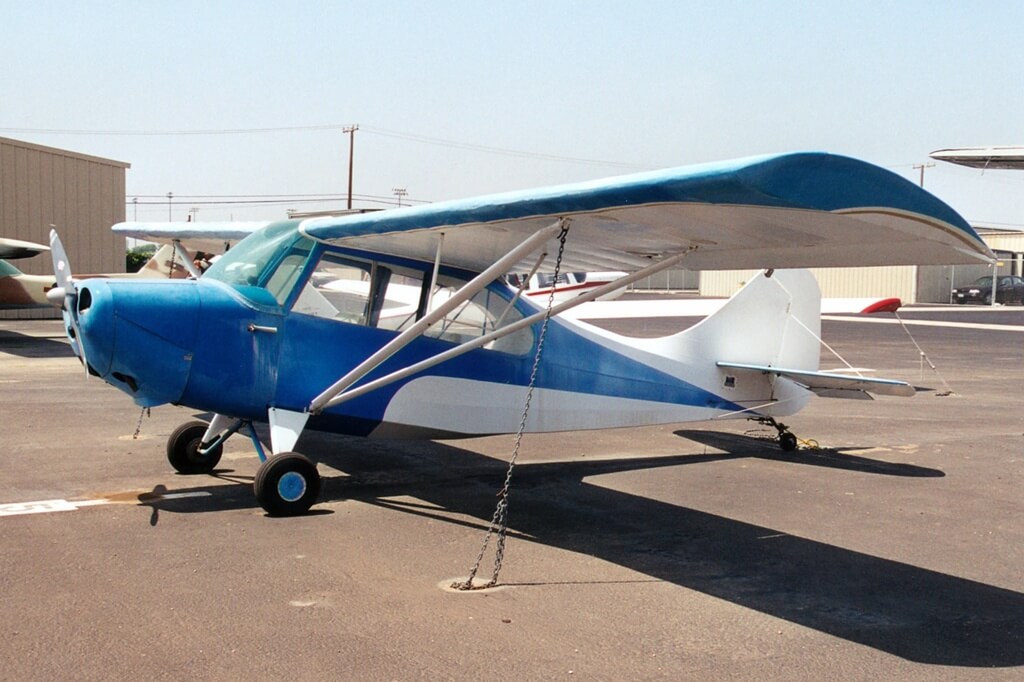
A Champion aircraft submission should show how the aircraft is used and who will fly it. Tailwheel experience, training and the exact model help an insurer review the proposed risk.
Provide relevant pilot experience
List total time, tailwheel time, experience in the model and recent flying. Describe transition or recurrent training and identify instructors where relevant. Give factual claims history. A high total-time figure alone does not explain a pilot’s familiarity with a particular Champion aircraft.
Describe the aircraft and activity
Provide the model, year, equipment, condition and requested value. Explain storage, surfaces used and personal or business use. Identify aerobatics, instruction or other activities explicitly if planned. Ask what the insurer accepts rather than assuming every use is included under a general aircraft description.
Review the offered conditions
Compare limits, aircraft damage terms, deductibles and pilot requirements. Ask which documents or training must be completed before the intended use. For example, adding another pilot may need approval even when the aircraft is unchanged. Keep accepted conditions with the policy and review them when plans change.
Prepare the BWI review
Gather the service description, locations, property values, staff roles, agreements, current policies and factual claims history. Explain proposed changes and the date they will start.
Compare the actual limits, deductibles, exclusions, insured parties and activities. Ask which requested terms are accepted and what remains outstanding. Keep the final documents and reporting instructions with the business records.
Request an aircraft insurance review from BWI for the operation described above. Availability and terms require an individual review.
Continue Reading
