
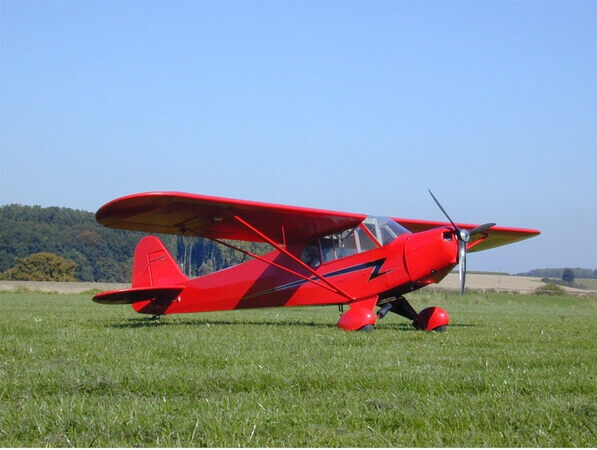
The Piper PA-18 Super Cub is one of the most iconic aircraft in aviation.
It is also one of the aircraft categories that receives significantly different underwriting treatment than the average tricycle-gear airplane.
Your pilot history matters alongside the aircraft details. Keep both parts of the application current.
Why can one Super Cub owner receive multiple competitive insurance quotes while another struggles to get favorable terms?
The answer is simple.
Insurance companies are not just evaluating the aircraft.
They are evaluating the entire risk.
BWI works with aircraft owners across the country to help them compare insurance options.
Start with this point.
For tailwheel and backcountry aircraft, pilot qualifications often matter more than the aircraft itself.
Ask insurers what they need to assess your risk. Clear facts about your aircraft and flying can help you compare the available terms.
Get Your Super Cub Insurance Quote With BWI Today>>
The First Thing Underwriters Evaluate Is The Pilot
The insurer reviews both the aircraft and the people who will fly it.
In reality, underwriters often spend significantly more time evaluating the pilot.
Consider these two examples.
Pilot A owns a PA-18-150.
He has:
- 2,000 hours total time
- 1,000 hours tailwheel
- 500 hours Super Cub
- Annual recurrent training
- No claims
- 120 hours flown last year
Pilot B owns the same aircraft.
He has:
- 2,000 hours total time
- 20 hours tailwheel
- 5 hours Super Cub
- No recurrent training
- Limited recent flight activity
Those pilots represent very different risks.
The aircraft didn’t change.
The pilot did.
That difference often has a greater impact on insurance pricing than the aircraft itself.
Tailwheel Time Is One Of The Most Important Factors
Few underwriting factors carry more weight than tailwheel experience.
Insurance companies know tailwheel aircraft require:
- Different landing techniques
- Different ground handling skills
- Different crosswind procedures
- Different operational judgment
As a result, underwriters carefully review:
- Total tailwheel time
- Recent tailwheel activity
- Aircraft-specific tailwheel experience
- Tailwheel training history
Include your tailwheel experience in the application. Ask how it affects the terms offered.
Time In A Super Cub Matters
After reviewing tailwheel experience, underwriters often focus on time in make and model.
For Super Cub owners, this can be a major factor.
Insurance companies know aircraft-specific experience matters.
A pilot with hundreds of hours in a Super Cub generally presents a different risk than someone transitioning into the aircraft for the first time.
Ask about training and experience requirements when you move to a new aircraft type.
Backcountry Experience Matters
Many Super Cubs are used in environments rarely encountered by most aircraft.
Insurance companies often evaluate:
- Grass strip operations
- Mountain flying
- Backcountry flying
- Gravel bar operations
- Ranch strip operations
- Remote airstrip operations
A pilot with significant backcountry experience often receives stronger underwriting consideration than a pilot with little or no off-airport experience.
Alaska Operations Receive Additional Attention
Many Super Cubs operate in Alaska.
Insurance companies often ask questions about:
- Alaska flying experience
- Seasonal operations
- Remote area operations
- Float flying
- Ski flying
- Off-airport landings
Qualified Alaska operators continue to secure excellent coverage.
However, underwriting requirements often differ from similar aircraft operating elsewhere.
Float Experience Carries Significant Weight
Many PA-18 aircraft operate on floats.
Insurance companies often evaluate:
- Float time
- Amphibious float time
- Recent float activity
- Float training history
A pilot with extensive float experience generally presents a different risk profile than someone transitioning to floats for the first time.
Ski Experience Matters Too
Super Cubs remain one of the most common ski-equipped aircraft in North America.
Insurance companies often evaluate:
- Ski flying experience
- Winter operations
- Mountain flying background
- Seasonal activity
As with floats, ski operations often involve additional underwriting considerations.
Recent Flight Activity Matters More Than Many Owners Realize
One of the biggest surprises for pilots is how much underwriters care about recent activity.
Insurance companies understand that proficiency is perishable.
A pilot who has:
- 3,000 total hours
but only flew:
- 10 hours last year
may create more concern than a pilot with:
- 1,000 total hours
who flew:
- 100 hours recently
Underwriters often review:
- Hours flown in the past 12 months
- Recent tailwheel experience
- Recent Super Cub activity
- Overall recency of flight activity
Consistent flying creates confidence.
And confidence creates competition among insurance carriers.
Get A Quote For Your Piper PA-18 With BWI>>
Claims History Is Still King
Nothing influences underwriting decisions more consistently than claims history.
Insurance companies carefully review:
- Previous claims
- Loss frequency
- Loss severity
- Recency of losses
Pilots with clean records often benefit from:
- Better pricing
- More carrier options
- Greater underwriting flexibility
A claim does not automatically make insurance difficult.
However, it often generates additional questions and underwriting scrutiny.
Insurance companies view prior losses as one of the strongest predictors of future outcomes.
Aircraft Modifications Can Influence Underwriting
Many Super Cubs have received significant modifications.
Popular examples include:
- Bushwheels
- STOL kits
- Extended baggage
- Larger engines
- Modified landing gear
- Avionics upgrades
These modifications may improve aircraft capability.
However, they can also influence:
- Aircraft value
- Planned use
- Insurance exposure
Insurance companies often evaluate modified aircraft differently than stock aircraft.
Aircraft Value Has Become Increasingly Important
One of the biggest trends affecting Super Cub owners today is rising aircraft values.
Consider the range of values currently seen within the market.
A basic PA-18 may be insured for:
- $80,000
- $120,000
A highly modified aircraft may be insured for:
- $250,000
- $350,000
- $500,000+
The insurance company’s exposure changes dramatically as aircraft value increases.
As a result, premiums often increase even when the pilot remains exactly the same.
Training Creates Confidence
Few things create underwriting confidence like training.
Insurance companies consistently reward pilots who participate in:
- Tailwheel training
- Backcountry training
- Mountain flying courses
- Flight reviews
- Recurrent training
- Safety seminars
Training reduces uncertainty.
And underwriters dislike uncertainty.
Tell your agent about recent training and practice. Ask how the insurer will assess that experience.
What The Best Super Cub Risks Have In Common
After reviewing thousands of tailwheel insurance applications, certain patterns consistently emerge.
The strongest insurance risks often have:
- Significant tailwheel experience
- Significant Super Cub experience
- Backcountry training
- Clean claims histories
- Annual recurrent training
- Strong recent flight activity
- Accurate logbooks
These characteristics create confidence among insurance companies.
And confidence often leads to better insurance outcomes.
Why The Piper PA-18 Remains Attractive To Insurance Companies
Insurance companies generally like experienced Super Cub operators.
The aircraft offers:
- Extensive operating history
- Strong owner community
- Proven reliability
- Broad maintenance support
- Exceptional utility
Combined with qualified pilots, those characteristics create attractive insurance risks.
This is one reason the Super Cub remains one of the most respected aircraft ever built.
Why Thousands Of Aircraft Owners Trust BWI
BWI helps aircraft owners review their insurance options.
Whether you fly a stock PA-18, a float-equipped aircraft, a ski-equipped aircraft, or a heavily modified backcountry machine, our team understands the underwriting factors that influence pricing and carrier appetite.
We help you compare insurance options for your aircraft, flying experience and planned use.
Final Thoughts
Many Super Cub owners assume insurance pricing is based primarily on the aircraft.
The reality is very different.
Underwriters spend much of their time evaluating the pilot.
Tailwheel experience, Super Cub experience, backcountry proficiency, recent flight activity, training history, claims history, aircraft value, and operational discipline all play major roles.
The good news is that many of those factors are within your control.
Ask how your flying history affects the terms you are offered. Review your options again when your training, aircraft or use changes.
And in today’s competitive aviation insurance market, that knowledge can be extremely valuable.
bwifly.com / 800-666-4359
Continue Reading
