
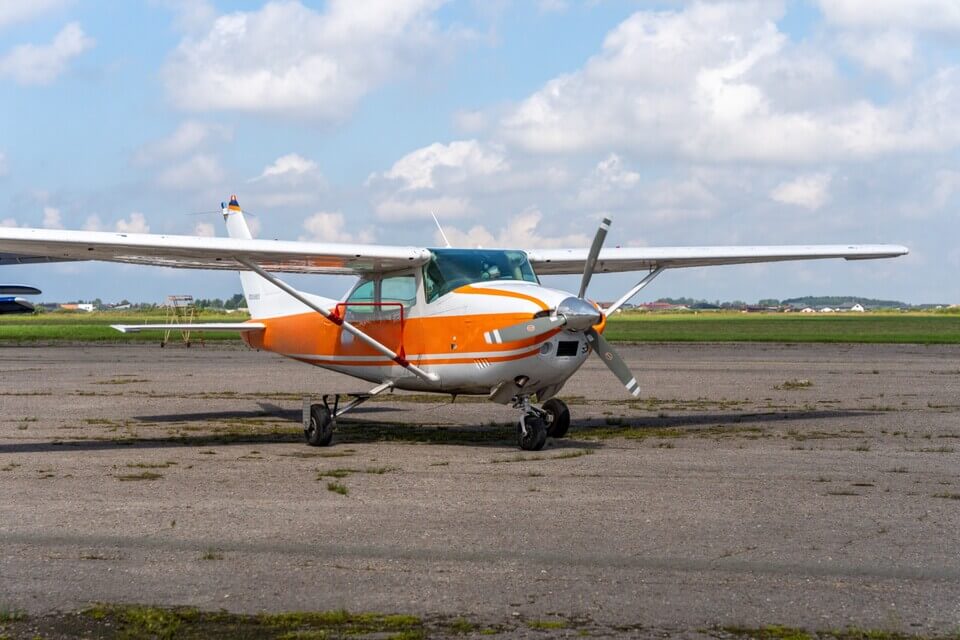
For Cessna 150 and 152 owners, the insurance review often begins with a simple question. Who will fly the aircraft, and for what purpose? A student buying a first airplane needs a different discussion from an owner renting an aircraft to other pilots.
Describe the model and equipment
Identify the exact model, year, registration and current condition. List restoration work, avionics and other changes that affect the requested value. If the aircraft is an Aerobat or will be used for aerobatics, describe that use explicitly.
Settle student and instructor requirements
Provide the student’s training stage, flight time and instructor details. Ask how dual instruction, solo flights and checkouts are treated. Confirm any required training before the aircraft is delivered or used.
If several instructors or students will fly, provide that information at the start. A policy arranged around one private owner may have different terms from one offered for instruction or rental activity.
Choose the protection you need
Review liability cover for claims involving other people or their property. Ask about the total limit, passenger restrictions and defense expenses. Separately review hull cover, the aircraft value, deductibles and covered phases of use.
Ask how the wording applies to ground damage, storage and flights away from the home airport. A quote heading alone will not answer each of these questions.
Compare quotes on equal terms
- Use the same aircraft value in each request.
- Disclose the same pilots, students and instructors.
- Keep rental and teaching plans consistent.
- Compare limits, deductibles and exclusions.
- Record any required checkout or training.
Keep the policy current
Tell the broker when a student earns a certificate, another pilot joins, or use changes. At renewal, update flying time and equipment values. Ask how any change affects the offer.
Request a Cessna 150 or 152 insurance quote and identify the ownership and training arrangement you need reviewed.
Continue Reading
