
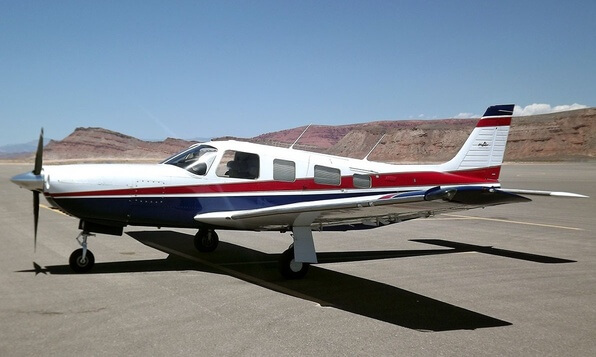
Every PA-32 owner wants the same thing from their insurance policy.
Strong coverage.
Competitive pricing.
And confidence that if something ever goes wrong, the insurance company will be there when it’s needed most.
The challenge is that many aircraft owners focus on factors they cannot control while overlooking the factors insurance companies care about most.
The truth is that aviation insurance premiums are not random.
Insurance companies evaluate dozens of risk indicators before determining pricing.
Some factors, such as aircraft value and claims history, carry significant weight.
Others are surprisingly easy to improve.
At BWI Aviation Insurance, we’ve helped thousands of Cherokee Six, Lance, and Saratoga owners secure coverage for their aircraft and reviewed countless PA-32 insurance policies over the years.
After reviewing thousands of aircraft insurance applications, certain patterns consistently emerge.
The pilots who receive the most favorable insurance outcomes are usually doing many of the same things.
If you’re looking to improve your insurance profile before your next renewal, these are some of the most effective strategies available:
- Earn Your Instrument Rating
If you only implement one item on this list, make it this one.
Few qualifications improve an insurance profile more consistently than an instrument rating.
Insurance companies know instrument-rated pilots have completed substantial additional training.
They have demonstrated:
- Better weather decision making
- Greater proficiency
- More aviation knowledge
- Commitment to continuing education
Because the PA-32 family is commonly used for serious transportation flying, IFR operations, and long cross-country travel, underwriters place significant value on instrument qualifications.
An instrument rating may improve both your safety and your long-term insurability.
- Build More Time In A PA-32
Insurance companies love experience.
More specifically, they love experience in the aircraft being insured.
A pilot with:
- 2,000 hours total time
- 500 hours in a PA-32
is generally viewed differently than a pilot with:
- 2,000 hours total time
- 15 hours in a PA-32
Time in make and model helps demonstrate familiarity with:
- Aircraft systems
- Emergency procedures
- Performance characteristics
- Operational limitations
The more Cherokee Six, Lance, or Saratoga experience you accumulate, the stronger your insurance profile becomes.
- Fly More Frequently
Many pilots focus on total lifetime hours.
Insurance companies often care just as much about recent activity.
A pilot who flew:
- 120 hours last year
is generally viewed differently than a pilot who flew:
- 10 hours last year
Why?
Because flying proficiency is perishable.
Pilots who fly consistently tend to maintain stronger skills, decision making, and situational awareness.
Insurance companies know this.
Regular flying often improves underwriting confidence.
- Complete Annual Recurrent Training
One of the easiest ways to improve your insurance profile is through recurrent training.
Insurance companies consistently reward pilots who participate in:
- Flight reviews
- FAAST programs
- Recurrent training courses
- Safety seminars
- Simulator sessions
- Advanced flight instruction
Training reduces uncertainty.
And underwriters dislike uncertainty.
Pilots who train regularly often receive stronger underwriting consideration.
- Maintain A Clean Claims History
Nothing impacts insurance pricing more consistently than claims history.
Insurance companies carefully review:
- Prior claims
- Claim frequency
- Claim severity
- Recent losses
Pilots with clean records often benefit from:
- Better pricing
- More carrier options
- Greater underwriting flexibility
Not every claim can be avoided.
However, focusing on risk management and sound decision making remains one of the best long-term insurance strategies available.
- Complete Transition Training When Purchasing A New Aircraft
Many PA-32 owners move into the aircraft from:
- Cessna 182s
- Piper Archers
- Piper Arrows
- Beechcraft Bonanzas
- Other complex singles
Even highly experienced pilots benefit from transition training.
Insurance companies know every aircraft has:
- Unique systems
- Unique procedures
- Unique handling characteristics
- Different performance capabilities
Pilots who complete transition training often create more confidence among underwriters.
In some cases, insurance companies may specifically require it.
- Review Your Hull Value Every Year
One of the most overlooked aspects of aircraft insurance is hull value.
Many owners unknowingly insure their aircraft for:
- Too much
- Too little
Neither is ideal.
Aircraft values have changed significantly over the past several years.
A Saratoga insured for $300,000 several years ago may now be worth substantially more.
Likewise, some owners continue carrying values that no longer reflect actual market conditions.
Reviewing hull value annually helps ensure your premium remains appropriate while protecting your investment.
- Upgrade Safety Equipment
Modern avionics often improve both safety and insurability.
Popular upgrades include:
- Garmin GTN navigators
- Garmin G500 TXi displays
- Garmin G3X Touch systems
- Garmin autopilots
- ADS-B equipment
- Engine monitoring systems
While upgrades may increase aircraft value, they can also improve situational awareness and reduce risk.
Insurance companies generally view safety-focused improvements favorably.
- Keep Accurate Logbooks
This sounds obvious.
But incomplete records create problems every year.
Insurance companies often review:
- Total time
- Instrument time
- Time in make and model
- Recent flight activity
- Training history
Pilots who maintain accurate records make the underwriting process significantly easier.
Accurate documentation also ensures you receive proper credit for your qualifications.
- Work With An Aviation Insurance Specialist
Not all insurance agents understand aviation.
And not all aviation insurance agents understand the PA-32 market equally well.
Different insurance companies have different appetites for:
- Cherokee Six owners
- Lance owners
- Saratoga owners
- Instrument-rated pilots
- Retractable gear aircraft
- Turbocharged aircraft
- Higher-value aircraft
An aviation insurance specialist understands these differences and can often identify opportunities that general insurance agencies miss.
That market knowledge can make a meaningful difference over time.
Get Your Piper Aircraft Insurance Quote With BWI Today>>
Common Mistakes That Increase Premiums
Many owners unintentionally create underwriting concerns.
Common mistakes include:
- Flying very little each year
- Allowing instrument proficiency to lapse
- Skipping recurrent training
- Underestimating aircraft value
- Overestimating pilot qualifications
- Failing to document training
- Waiting until renewal to address issues
Most of these problems are avoidable.
And fixing them often improves long-term insurability.
Why Today’s Market Is Favorable For PA-32 Owners
The good news is that PA-32 owners are currently benefiting from a competitive insurance environment.
Insurance companies continue to pursue qualified owner-flown business aggressively.
That competition creates opportunities for many Cherokee Six, Lance, and Saratoga owners to secure favorable coverage and pricing.
However, the strongest results continue to go to pilots who present the strongest risk profiles.
What The Best PA-32 Risks Have In Common
After reviewing thousands of PA-32 policies, the strongest insurance risks typically have:
- Instrument ratings
- Significant PA-32 experience
- Clean claims histories
- Consistent recent flight activity
- Annual recurrent training
- Accurate logbooks
- Strong safety habits
These characteristics create confidence among insurance companies.
And confidence often leads to better outcomes.
Why Thousands Of Piper Owners Trust BWI
BWI Aviation Insurance has helped thousands of Piper owners insure their aircraft.
Whether you fly a Cherokee Six, Lance, Turbo Lance, Saratoga, or Turbo Saratoga, our team understands the underwriting factors that influence pricing and carrier appetite.
We work with leading aviation insurance companies and help aircraft owners compare options based on their aircraft, experience level, and operational profile.
Final Thoughts
Most aircraft owners spend a great deal of time trying to find cheaper insurance.
The better approach is to become a better insurance risk.
Insurance companies consistently reward:
- Experience
- Training
- Proficiency
- Professionalism
- Clean claims histories
The good news is that most of those factors are within your control.
By focusing on the areas underwriters care about most, you can improve your insurability, strengthen your coverage options, and potentially reduce your insurance costs for years to come.
And that’s a strategy that benefits both your wallet and your flying.
bwifly.com / 800-666-4359
Continue Reading