
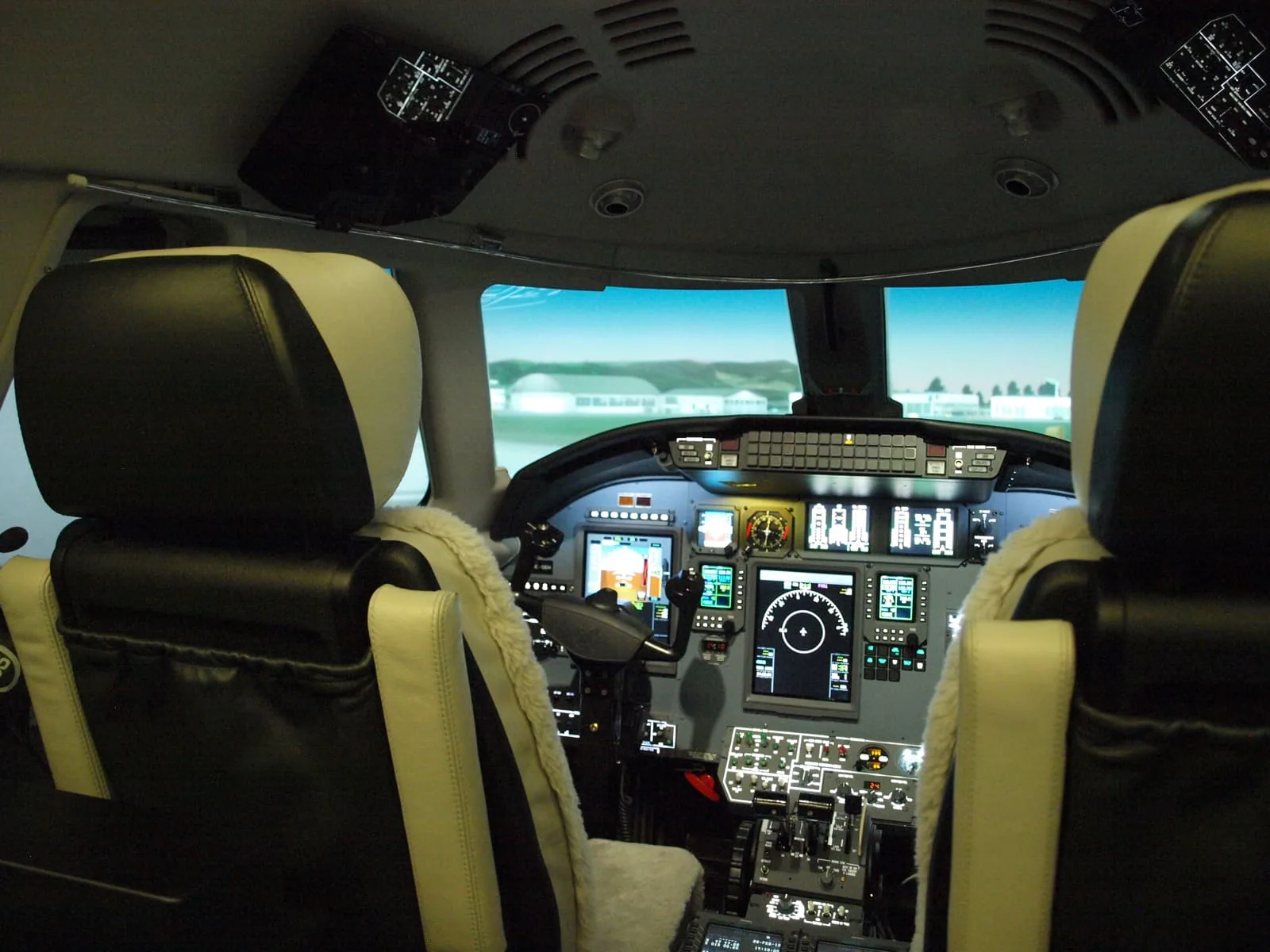
A simulator business needs a review of its equipment, premises and training services. The device’s technical status and the promises made to customers both matter.
Describe the training service
Identify the business, instructors, customers and subjects taught. Explain the device’s actual approval or qualification status using current records. Include any classroom, online or aircraft training offered by the same business. Supply customer agreements and describe who relies on the training records.
List the complete system
Include the simulator, controls, computers, displays and supporting equipment with realistic replacement values. Explain software licenses, leased assets and off-site storage. Ask how property terms treat breakdown, electrical damage and business interruption. A hardware value alone may omit important parts of the system.
Review instruction and premises risks
Ask about injuries at the premises and allegations concerning instruction or training records. Identify who maintains the device and who can use it without an instructor. For example, a rental session creates a different supervision arrangement from a fully instructed course. Review both against the proposed policy.
Prepare the BWI review
Gather the service description, locations, property values, staff roles, agreements, current policies and factual claims history. Explain proposed changes and the date they will start.
Compare the actual limits, deductibles, exclusions, insured parties and activities. Ask which requested terms are accepted and what remains outstanding. Keep the final documents and reporting instructions with the business records.
Request a commercial aviation insurance review from BWI for the operation described above. Availability and terms require an individual review.
Continue Reading

