

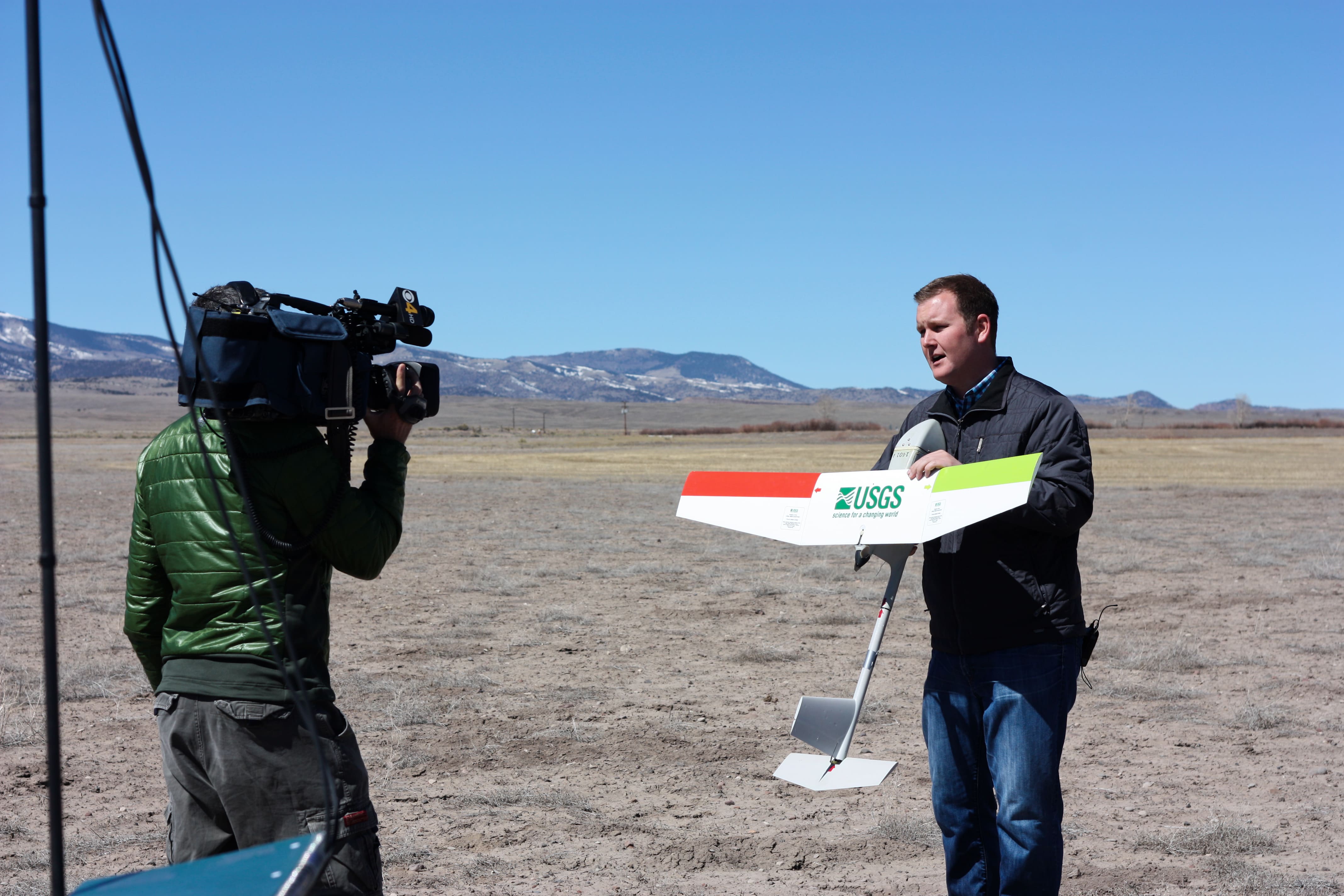
Drone insurance for a wildlife population survey should identify the aircraft operation, equipment interests and contracting parties. Give BWI the sites, pilots, dates, aircraft and payloads used in the field. Describe the business’s activity accurately, including which organization interprets observations. This guide’s inquiry concerns aviation liability and drone equipment, not protection for population estimates, habitat findings or the client’s reliance on scientific conclusions.
BWI’s wildlife and environmental drone insurance page provides the broader service starting point. This guide focuses on preparing a specific population survey contract for review, including research partners, field equipment, restricted locations, sensitive records and repeated survey periods. It is an insurance preparation guide rather than a wildlife survey method, legal opinion or permission to operate. Qualified wildlife, aviation and legal professionals should establish the requirements for the actual project.
For the broader service discussion, see BWI wildlife and environmental drone insurance. Use the specific survey contract for the project review.
Define the research product before describing the drone
Begin with the statement of work. Does the client want original imagery, annotated observations, an estimate of abundance or a signed ecological interpretation? Identify the business supplying each part and any specialist reviewing the result. Establish the standard and author’s responsibility through qualified scientific and legal review. For the aircraft inquiry, accurately describe the underlying field activity without presenting the aircraft response as approval of a scientific conclusion.
Identify the intended use of the deliverable. Internal research planning differs from a report supporting a regulatory submission, land transaction or management decision. Qualified scientific and legal professionals should establish permitted reliance and any necessary revisions to the agreement. Retain the accepted terms with the research record. Do not use an aircraft certificate to suggest that the scientific method or a client’s later management decision has been accepted by an insurer.
Describe the species and setting at the level needed for the insurance inquiry, while protecting sensitive information. A general submission may not require exact locations of vulnerable animals. Ask how to transmit detailed project material securely when it is necessary. The goal is a truthful account of the operation and professional undertaking, without distributing confidential research records more widely than the review requires.
Identify the field operator and the scientific team
The organization funding a survey may differ from the land manager, research institution, scientific adviser and drone business. Name the relevant parties and explain who hires whom. Include the entity that owns the aircraft and employs or engages the remote pilot. A university logo on the report does not establish that every participant is an employee, an insured party or protected under the same contract.
Explain whether your business only captures data under another professional’s protocol or also selects the survey approach and interprets results. Qualified scientists should establish the appropriate research methods. For the insurance file, accurately describe the role you have accepted. Avoid presenting a professional consulting assignment as simple photography merely because the initial collection uses a camera or because someone else performs part of the analysis.
Use consistent legal names across the application, contract, equipment record and evidence request. Resolve uncertainty about an institution, department or contractor with the appropriate adviser. Similar working names do not establish that the same organization accepts the work or holds the requested insured status.
Map the survey periods and locations
Explain the intended project geography, field dates and number of visits. A one day observation assignment and a recurring seasonal monitoring contract create different scheduling and information needs. Include proposed night work, remote locations, travel and any material operational variation for individual review. This description helps the insurer evaluate the actual request; it does not establish that a particular activity is authorized or available under offered terms.
Identify whose permission and coordination are needed for the property. Research sponsorship is not automatically site access permission. Protected land, private holdings and other managed areas can have separate requirements. Establish those with the appropriate authorities and project professionals. Keep the evidence relevant to the actual sites rather than assuming that acceptance of a general regional proposal resolves every parcel or field location.
Describe a new property, different land manager, substituted aircraft or changed crew when proposed. Keep the revised schedule connected to the contract and insurance response. A regional project label does not explain each later assignment or establish acceptance of a new site.
Prepare the population survey insurance comparison
Compare aviation liability and equipment proposals using the same aircraft, pilots, survey locations, dates, payload ownership and custody periods. Read limits, deductibles, insured parties and conditions alongside premium. A response based on an owned camera may differ from one considering a loaned thermal sensor. Keep the scientific protocol, estimate confidence and report acceptance standard in the technical contract review rather than comparing aircraft quotations as protection for a population estimate.
| Survey contract subject | Information for review |
|---|---|
| Field assignment | Actual image collection sites and survey periods |
| Parties | Client drone operator research organization and subcontractors |
| Equipment | Drone thermal sensor values ownership and custody |
| Locations | Actual sites dates and permission status |
| Aviation requirements | Requested limits legal names and evidence recipients |
| Continuity | Return flights pilot changes and extended sensor custody |
Keep flight liability separate from research errors
Damage caused by an aircraft and a disputed animal count are different events. For the aircraft inquiry, identify the physical operation, relevant insured parties and equipment interests. For an estimate dispute, preserve observations, assumptions and the accepted survey specification for qualified scientific and legal review. Neither the existence of an aircraft policy nor a high liability limit establishes that an estimate is reliable or funds a client’s decisions based on it.
BWI’s inquiry in this guide addresses aviation liability and drone equipment. It does not offer protection for population estimates, habitat interpretations or other scientific conclusions. The business should establish who is qualified and contracted to issue those conclusions, who checks them and who can authorize revisions. Keep those responsibilities in the technical and legal record rather than asking an aircraft quotation to accept a research standard.
State which organization defines the survey method and accepts the scientific output. A collection team following a specialist’s instructions is different from a business designing the study and signing its conclusions. Resolve that distinction with the client and qualified professionals before work begins. An aircraft insurance response does not certify the method, approve a research purpose or determine whether a count is suitable for a management decision.
Describe thermal sensors and the equipment interest
List the aircraft, relevant payloads and ground equipment with accurate identifiers, ownership and values requested for review. A thermal system can be integrated with the aircraft or supplied separately, and the equipment record should reflect the real arrangement. Use supporting purchase or rental documents instead of assuming that a quotation for a broadly similar package describes the property your business actually uses.
Explain borrowed, rented or institution owned equipment. Identify who takes possession, who transports it and what the agreement says about damage, loss and return. If a sensor is already addressed under another arrangement, provide that information without assuming the policies automatically fit together. Questions about overlapping interests, deductibles and recovery belong in a review of the actual documents and circumstances.
Include the field custody sequence when equipment travels. Pickup, vehicle storage, lodging, use at the site and return can involve different facts from flight itself. Ask what protection is offered for the intended activities and property. A policy covering a scheduled aircraft should not be treated as a universal travel policy for every computer, battery, instrument and research item carried by the team.
Review sensitive locations and wildlife permissions
The U.S. Fish and Wildlife Service’s current refuge guidance states that launching, landing or disturbing wildlife by drones on national wildlife refuges is prohibited and directs questions to the individual refuge manager. It also warns that flight-planning applications may not identify public-land restrictions accurately. This guidance is a reason for location-specific professional review, not a pathway or exception created by a research contract.
Describe the actual permissions and project status honestly in the insurance inquiry. Research sponsorship, property access, aviation permissions and the insurance response serve different purposes. If an authority’s restrictions change the assignment, update the proposal rather than retaining a rejected plan as the basis for review. This article provides no approach distances, flight patterns, animal handling or survey technique; qualified authorities and project professionals establish those matters.
Examine client clauses beyond the certificate request
Separate additional insured requests concerning aviation liability from confidentiality, data ownership and scientific outcome promises. Give BWI the aviation insurance wording and legal names for review. Use qualified legal and scientific professionals for access to sensitive coordinates, permitted publication and estimate standards. A certificate naming a client does not independently grant research permission, authorize release of location data or accept a conclusion about the surveyed population.
Have counsel evaluate promises involving count accuracy, completeness, deadlines and repeat visits. Compare the accepted obligations with the team’s expertise, contracted scientific support and business resources. Resolve an unsupported guarantee before signing or issuing a final proposal. This is a technical and commercial decision; the aircraft inquiry described here does not arrange financial protection for scientific findings or compare policy proposals against a population-estimation promise.
Retain the final agreement with the aviation insurance response, but keep their purposes clear. Send BWI changes in flight dates, sites, aircraft, pilots or equipment ownership that affect the submitted operation. Send changes in scientific conclusions, confidence statements or permitted reliance to the responsible technical and legal reviewers. A certificate does not turn later scientific commitments into an accepted part of aircraft liability coverage.
Account for volunteers and partner organizations
A conservation project may involve volunteers, students, visiting researchers and paid contractors. Describe those relationships truthfully rather than grouping everyone under crew. Identify who directs their work and which entity is responsible for employment or other personnel arrangements. Have qualified advisers review those relationships and applicable obligations; the insurance inquiry should reflect the accepted facts rather than decide their legal classification.
Ask separately about employee injury and other personnel exposures as appropriate to the organization. Drone liability protection should not be assumed to address every injury involving someone who supports the field program. Travel, premises and vehicle arrangements may also need their own review. Explaining the actual participation model helps the relevant advisers identify which questions fall outside the proposed aviation placement.
If a partner brings its own drone, clarify who operates it and under whose contract. Shared scientific goals do not make equipment ownership or business responsibilities identical. Provide the actual subcontract or collaboration terms when relevant. The review should establish how the proposed insurance addresses your role without assuming that another institution’s policy covers every participant’s independent activities.
Explain the analysis and data handoff
Identify who converts observations into a population conclusion, who reviews that work and who receives the final version. Maintain the agreed scientific standard and author approvals with the client contract. If the customer wants a new conclusion from old imagery, treat that as a distinct technical request. The aircraft inventory and flight dates alone cannot explain who accepted the later research duty or authorized another use of the data.
Identify the agreed recipients, retention period and any restrictions on sharing sensitive records. A parcel reference or exact location of a vulnerable species may need a controlled exchange through the appropriate project channel. Ask what detail is actually necessary for underwriting. Do not circulate confidential field coordinates merely to fill a general insurance application or imply that an aircraft policy approves the project’s information management process.
Address repeat surveys and continuity of the records
At renewal, reconcile actual flights, planned return visits, aircraft, pilots and equipment custody with the facts previously supplied. Maintain a separate register of outstanding reports and later scientific requests. Answer actual application questions accurately, with appropriate advice where needed. Renewal of aircraft insurance is not acceptance of a population estimate or a later research obligation simply because the original observations came from an insured drone.
Preserve the dated sequence if a problem is alleged. An aircraft accident should be reported under the actual aircraft policy requirements without assigning fault or promising payment. A complaint about a count, interpretation or client decision belongs in the scientific and legal review with the original scope and authorship records. Do not merge those reviews or suggest that a report dispute becomes an aircraft accident because both concern one project.
Consider a fictional population survey contract change
Imagine a fictional client, Valley Habitat Trust, hiring Field Images LLC to collect imagery during October and deliver it to North Research Institute for interpretation. The Trust is the customer, the institute supplies the analyst and Field supplies the aircraft and pilot. These invented names illustrate roles, not BWI customers or an accepted research or insurance arrangement. The application and contract should identify those roles consistently.
Before signing, the Trust asks Field to supply a signed population estimate rather than images alone. It also adds a December visit and a loaned thermal sensor owned by the institute. Field identifies the proposed scientific signatory, the sensor’s owner and custody dates, the new field period and the report’s intended use. Qualified scientific advisers establish the research responsibilities. The changed deliverable is not hidden behind the unchanged drone model or the original imagery fee.
When the land manager asks for a revised estimate, the operator identifies who is authorized and qualified to issue it and preserves the original observations and assumptions. Scientific and legal professionals evaluate the request and the agreement’s standard. If the new work also requires another flight or rented sensor, those aircraft, pilot and equipment facts go separately to BWI. Neither response is presented as approval of the other responsibility.
Preserve records when a result is challenged
If a client disputes an estimate after receiving it, preserve the accepted scope, report versions and correspondence for qualified scientific and legal assessment. Do not promise a corrected result or reimbursement before the responsible parties evaluate the request. If there was a separate aircraft incident, follow the actual aircraft policy duties for that incident. A research disagreement by itself is not described here as an aviation insurance claim.
Keep observations, annotations and conclusions attributable to their authors. A later correction to a label may differ from a revised estimate or a new research interpretation. Use the agreed client channels to approve and communicate changes. Accurate authorship helps the qualified reviewers assess the actual dispute without the drone operator deciding cause, liability or funding merely because it possesses the original image files.
Questions about wildlife survey drone insurance
Is nonprofit research automatically covered by a hobby policy
Do not infer the appropriate insurance arrangement from nonprofit status or an unpaid flight alone. Explain the entity, assignment, contract and activities to the reviewer. The actual terms determine the proposed protection. Separate legal operating requirements also need assessment; describing a project as charitable does not resolve aviation permissions, land access or wildlife restrictions.
Does a client certificate protect the animal count
A population estimate is a scientific conclusion with its own contract and professional responsibilities. BWI’s inquiry in this guide is for aviation liability and equipment, and does not offer protection for the accuracy of that estimate. Have qualified scientific and legal professionals establish the standard, accepted reliance and revision duties before the business promises a result.
Can we rely on a landowner invitation for a refuge project
Establish the authority and permissions for the specific location with the appropriate manager and qualified project advisers. A general invitation should not be assumed to resolve every aviation, property or wildlife requirement. Provide the correct status in the insurance request. An insurer’s acceptance of a submission does not independently authorize the operation.
Does drone insurance include a university thermal camera
Identify the camera, owner, value, rental or loan agreement and custody period. Ask how the offered terms address that specific interest and proposed use. The fact that it is attached to a drone does not answer every property question. Include travel and return arrangements so the review is based on the whole equipment assignment.
What should change when imagery becomes a signed survey report
Separate the changes. Give BWI new flight dates, sites, aircraft, pilots, payload ownership or custody details relevant to aviation liability and equipment. Have qualified scientific and legal professionals evaluate any new reporting role, estimate standard or permitted use of the findings. A renewed certificate does not determine whether your company should accept those continuing technical commitments.
Prepare a wildlife survey insurance request with BWI
Prepare the aircraft details, pilot information, sites, proposed dates, equipment ownership and custody periods for BWI. Supply the aviation insurance requirements and describe the actual business activity truthfully. Keep sensitive coordinates, scientific standards and client reliance questions with authorized technical and legal reviewers. Clear records allow each team to address its own responsibility without circulating unnecessary research data in a general quotation inquiry.
Request an aviation liability and drone equipment insurance review and quote from BWI for the wildlife survey operation. Compare the response using the actual flight and property facts, and return relevant changes for review. This inquiry does not offer insurance for counts, habitat findings or other scientific conclusions. Establish those services and commitments through qualified technical and legal review before making promises to the client.
Continue Reading


