

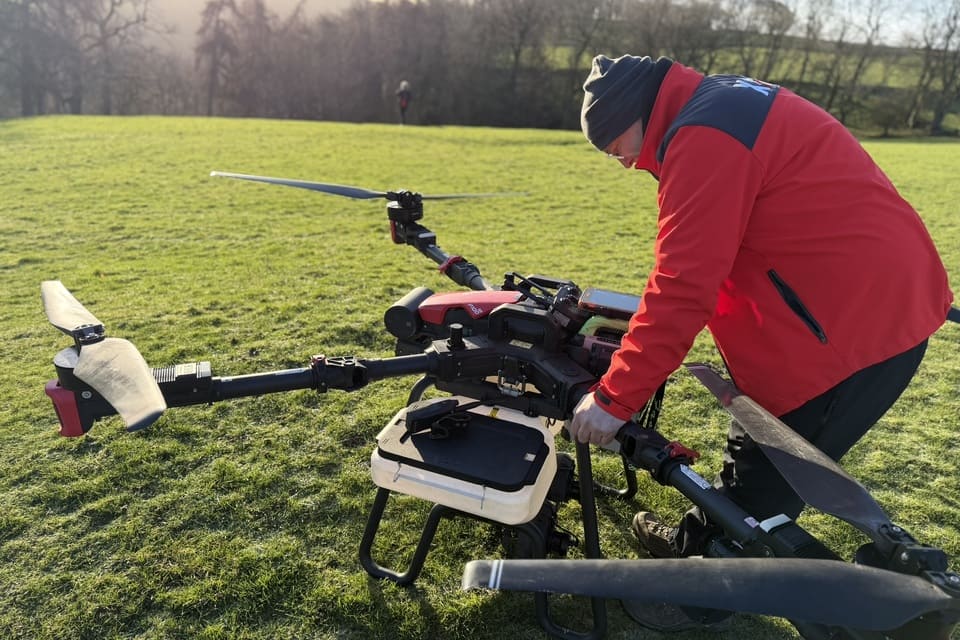
Drone insurance for reforestation seed delivery needs the actual dispensing operation, not a description of aerial photography. Explain the aircraft, delivery system, materials, sites, pilots and equipment interests. Describe the contracted activity accurately, including responsibilities beyond flight. This guide’s BWI inquiry concerns aviation liability and drone equipment; it does not offer protection for forestry advice, germination forecasts, establishment reports or other professional conclusions about the planting result.
This guide helps a drone business prepare a specific seed delivery project for insurance review. BWI’s aerial application insurance page is the broader starting point. The discussion does not prescribe application methods, determine permits, promise plant establishment or establish that BWI can place every proposed operation. Qualified aviation, forestry, legal and other relevant professionals should establish the actual project’s requirements before the operator relies on an insurance response.
For the broader coverage discussion, see BWI drone aerial application insurance. Keep this review focused on the specific arrangement described in this guide.
Explain the service the customer is buying
Start with the contract’s promised outcome. Does the business distribute customer supplied seed, supply and distribute material itself, or accept responsibility for a wider restoration program? Identify any mapping, documentation or follow up assessment included in the fee. The phrase tree planting drone can conceal substantial differences in work, property interests and professional commitments.
Describe what evidence of completion the customer expects. A delivery record differs from a guarantee about germination, survival or future vegetation. Qualified forestry and legal professionals should examine the accepted undertaking, required expertise and available remedies. Keep that decision with the contract record. An aircraft response does not approve the establishment standard, fund a promised biological result or turn every fee condition into an insured interest.
Identify whether the operator recommends species, selects material or designs the treatment plan. Those responsibilities can raise different professional questions from carrying out instructions supplied by another qualified party. The submission should explain the division of work honestly. Avoid suggesting that another professional controls a decision when the contract actually assigns it to your business.
Identify the parties and their interests
Name the landowner, project sponsor, restoration contractor, material supplier and drone operator as relevant. A grant recipient may differ from the customer that hires the business or the entity managing the property. Establish the actual contracting chain and legal names. Shared restoration goals do not establish that every participant is protected under the same insurance arrangement.
Explain whether another organization supplies an aircraft, dispensing unit or seed inventory. Ownership and custody need to be clear before equipment and material values can be reviewed. A loaned unit should not be listed as owned property merely because it will remain with the operator throughout the project. Provide the actual agreement where requested and identify the intended pickup and return sequence.
If a subcontractor carries out dispensing, give BWI the actual aircraft, pilot, operating and ownership relationships relevant to aviation liability and equipment. Record an analyst’s scientific responsibilities separately in the technical agreement. A subcontractor certificate does not settle either party’s report standard or every contract duty. Each responsible firm should understand who can release a conclusion and who answers the client’s later questions.
Present the dispensing aircraft accurately
Give the aircraft identity, configuration and relevant manufacturer information requested for underwriting review. Describe the dispensing system and intended materials sufficiently to explain the operation. Avoid substituting a familiar camera drone model on the application when the actual platform is a different aircraft or has been materially modified. The insurer needs the proposed configuration, not a convenient category label.
Record equipment values using appropriate supporting information. Identify integrated items and separately owned or detachable equipment. A single package price may need explanation when it includes aircraft, delivery unit, controller and other property with different ownership or custody. Ask what detail the offered arrangement requires instead of assuming every item carried to the site is part of the insured aircraft.
If an aircraft or system is still being selected, say so. A preliminary discussion based on anticipated equipment should not be represented as final acceptance of a platform acquired later. Once the actual configuration is known, request the appropriate review. Keep developmental testing and ordinary customer work distinguishable when the business is considering an unfamiliar or newly adapted delivery system.
Compare the seed delivery project facts
Connect the aircraft inquiry to the actual seed delivery operation using the record below. Identify the sites, pilots, configuration, equipment ownership and aviation insurance requirements. Retain the submitted facts and return relevant changes for review. Keep planting outcome promises in the qualified forestry and legal review rather than comparing an aircraft response with a guarantee of germination or future vegetation coverage.
| Seed delivery subject | Information for review |
|---|---|
| Service | Actual dispensing activity and materials carried |
| Aircraft | Actual platform configuration and delivery system |
| Equipment | Aircraft and delivery unit values ownership and custody |
| Sites | Locations property access and operating status |
| Ground support | Transport storage equipment and personnel relationships |
| Aviation requirements | Limits legal names pilots and evidence recipients |
Establish applicable operating requirements separately
The FAA’s UAS dispensing guidance addresses agricultural operations and includes categories involving plant propagation and forest preservation. Review current authoritative requirements for the actual proposed activity with qualified operating advisers. Do not assume that a restoration purpose or the use of seed removes the need to evaluate the relevant certification, exemption or operating framework.
This article does not decide which approval path applies to a particular aircraft or project. Provide the actual configuration, materials and operation to the responsible professionals. Identify pending approvals accurately in the insurance inquiry. An insurer’s willingness to consider a proposal does not authorize dispensing, and a government approval does not independently determine the scope of insurance protection.
Land access, environmental restrictions and material requirements may also need attention from the appropriate authorities and advisers. Do not treat landowner permission as a complete answer to every requirement. If their decisions change the accepted activity, update the insurance and contract descriptions. The business benefits from knowing which review is complete and which question still has an owner.
Distinguish flight liability from application allegations
Physical damage caused by an aircraft and a disputed planting outcome are different matters. Ask BWI about aviation liability and drone equipment for the disclosed dispensing activity, with the real materials and operating facts. Have qualified forestry and legal professionals assess delivery standards, species decisions and establishment promises. This guide does not offer insurance for advice, biological performance or other professional service errors through the aircraft inquiry.
Tell the reviewer about potential damage to neighboring property or other interests as relevant to the project. Describe the materials and accepted work without making unsupported statements that they are harmless or automatically covered. The wording may contain definitions, exclusions or conditions requiring a specific explanation. Qualified technical and legal advisers should assess the operation and contract duties on their own merits.
A disappointing restoration result does not independently establish negligence or decide a remedy. Weather, material condition and other facts may need expert assessment. Preserve the accepted plan, supplied material description and observations for qualified forestry and legal review. Decide what the business can responsibly promise before signing; the existence of aircraft insurance is not a financial guarantee for germination, repeat treatment or future forest establishment.
Review who owns the seed during each stage
Describe the ownership and custody of material from receipt through delivery and any return or disposal. Seed supplied by a client may involve different interests from inventory purchased by the operator. Include storage and transport arrangements where relevant. A drone equipment policy should not be treated as universal protection for every material, supply or customer asset at the field location.
Record seed ownership, values and custody in the project accounts and contract. Seed inventory is not drone equipment, and this guide does not offer to place that inventory through BWI’s aircraft inquiry. Keep the seed on hand, service fees and hoped-for future forest separate from aircraft and dispensing-unit values. Obtain qualified legal and accounting advice about the company’s responsibilities before accepting custody or promising reimbursement.
Use qualified suppliers and project professionals for material suitability and technical requirements. Aircraft insurance does not certify a seed selection or delivery approach. Retain the accepted material specification, supplier records and responsibility boundary in the project file. If an issue arises later, those records help the forestry and legal professionals identify what was supplied and promised without assuming a disputed biological result is an aircraft equipment loss.
Include ground support and remote site arrangements
Describe how the business reaches the work area and who holds the aircraft, delivery unit and seed before and after flight. Identify transport, overnight storage and return arrangements using the relevant agreements. A rental ending in April and customer material held until June create different custody periods. Ask the appropriate advisers about aircraft, business property and vehicle interests separately rather than treating every field asset as drone equipment.
Qualified personnel establish handling, storage, equipment capability and technical requirements. The insurance file records the resulting factual arrangement; it supplies no loading or storage technique. If a change requires a different vehicle, additional rented equipment or another storage business, identify that relationship for review. The fact that the aircraft stays the same does not make the material and ground-support proposal unchanged.
Address personnel and contractor relationships
Name the business conducting the work and explain who employs or engages pilots and ground personnel. Temporary project staff, volunteers and independent firms may have different relationships. Qualified advisers should resolve classification and applicable obligations. The insurance inquiry should accurately reflect those decisions instead of assuming everyone becomes crew under one arrangement merely by attending the site.
Provide pilot experience and qualification information requested by the offered terms. Ask about the specific aircraft and operation rather than relying solely on possession of a remote pilot certificate. A certificate is not evidence that the insurer has accepted that person for every dispensing platform. Review changes in pilots or subcontractors before assuming a prior quotation includes them.
Consider employee injury, vehicles and other business insurance through the appropriate reviews. The operator should not describe a drone liability proposal as complete protection for every worker and activity. Supplying the real staffing and support model helps advisers identify additional questions without promising that a particular combination of policies eliminates every gap.
Examine establishment guarantees and other client promises
Read the agreement for delivery completeness, species selection, germination, survival and repeat-treatment promises. Qualified forestry and legal professionals should evaluate the standard, expertise required and enforceable remedies. Compare the undertaking with the company’s resources and negotiate obligations it cannot responsibly accept. This guide’s aircraft inquiry does not arrange protection for a biological guarantee, scientific conclusion or contractual refund merely because a drone distributes the seed.
Explain deadlines, milestones and conditions affecting payment in the contract review. A client may retain fees until a later assessment or require a return visit without further payment. Those are commercial commitments to evaluate with qualified legal and forestry professionals, not aircraft equipment values. Record the responsible party and agreed remedy, and decide how the business will perform or fund the duty without assuming the aircraft policy pays it.
Retain accepted revisions and make the final agreement describe the real service. If the customer expands distribution into full restoration management, obtain forestry and legal review of the new scientific and commercial duties. Give BWI any resulting changes in aircraft, pilots, sites, material carried or equipment custody relevant to aviation review. The earlier aircraft response does not become acceptance of a year-long establishment obligation through a revised invoice description.
Keep mapping and follow up reports distinct
Identify each promised record and its author. An administrative delivery log differs from an opinion that restoration goals have been achieved. A contract may request both, but aircraft use does not determine who accepts later scientific responsibility. Qualified forestry professionals establish technical standards and who can issue conclusions. Keep those decisions and the client’s reliance in the contract file, separate from the equipment schedule and flight record.
Use dated versions for later vegetation assessment. Identify the original delivery assignment, any new assessment fee, the responsible professional and permitted recipients. Keep client revisions attributable to their authors. At aircraft renewal, update actual flight plans, configuration, pilots and equipment interests as requested. Do not treat renewal of the same drone as approval of a scientific report or acceptance of a continuing establishment promise.
Consider a fictional restoration contract expansion
Imagine a fictional restoration sponsor, Cedar Valley Trust, contracting with Ridge Aerial LLC to distribute seed supplied by Forest Materials Co. in April. The sponsor’s forestry adviser selects the material and defines the accepted plan. These names and dates illustrate separate roles, not BWI customers or an approved project. Ridge’s original submission describes distribution of customer-supplied material; it identifies both the aircraft and a delivery unit rented from another owner.
During negotiation, the sponsor asks Ridge to buy the seed, hold unused inventory through June and sign an establishment report the following spring. It also proposes withholding part of the service fee until that report is accepted. Ridge records these as different changes: material ownership, extended custody, scientific responsibility and a payment condition. The value of unused seed is not combined with the aircraft’s value or the entire restoration budget.
Qualified forestry and legal professionals review Ridge’s revised scientific promises, material custody and payment conditions. Ridge separately gives BWI the aircraft, rented delivery unit, pilots, sites, flight dates and aviation insurance requirements. The April aircraft response is not represented as accepting a year-long establishment undertaking. Ridge decides whether it can perform the new obligations before promising them. This example establishes no dispensing method, germination expectation or insurance outcome.
Maintain the project record as work changes
Retain the accepted agreement, insurance response, equipment schedule and relevant operational status documents. Record material changes in location, material, platform or subcontracting and ask how they should be submitted. A restoration project can evolve over time; its original application should not become a substitute for explaining the current operation.
If a client alleges a failed result, preserve the specification, supplier records, delivery logs and relevant correspondence for qualified forestry and legal assessment. Avoid promising reimbursement or replacement work before the responsible parties evaluate the facts and agreement. If a separate aircraft accident occurs, follow that actual policy’s requirements for that event. A disputed restoration outcome is not treated here as an aircraft insurance claim merely because the delivery used a drone.
Questions about seed delivery drone insurance
Is reforestation the same insurance request as aerial photography
Describe the dispensing activity, materials, aircraft, pilots and sites explicitly when asking BWI about aviation liability and equipment. Carrying and distributing material differs from collecting images. Describe business activities truthfully, but do not treat the aircraft response as insurance for forestry advice or result promises. Resolve scientific standards and establishment obligations through the separate qualified technical and legal review.
Does using seed eliminate agricultural aviation requirements
Use current FAA guidance and qualified operating review for the actual activity. The agency’s dispensing resource discusses plant propagation and forest preservation among relevant categories. This article does not determine the approval path for your project. Insurance acceptance and landowner permission do not independently resolve the applicable operating framework.
Can a policy guarantee that seedlings will establish
Do not promise a biological or financial result from the existence of aircraft insurance. Qualified forestry and legal professionals should assess the specific undertaking, accepted standard and remedies. BWI’s inquiry in this guide addresses aviation liability and drone equipment, and does not offer protection for establishment forecasts or scientific conclusions. Record who is responsible for the result before accepting a guarantee or refund obligation.
Should customer supplied seed appear in the equipment value
Identify material ownership, value, custody and the agreement in the business records. Seed is distinct from the aircraft and delivery system; this guide does not offer seed inventory placement through BWI. Keep supplier and client interests separate from the drone equipment schedule, and have qualified legal and accounting professionals evaluate custody duties rather than combining the restoration budget into one aircraft value.
What changes require another project review
Ask for the applicable notice and change requirements under the actual arrangement. Material changes can involve aircraft configuration, personnel, dispensing materials, sites or contract duties. A response for one proposed service should not be assumed to cover every later expansion. Keep the accepted scope and new facts available so the reviewer can address the change precisely.
Bring the reforestation submission to BWI
Provide BWI the dispensing activity, materials, aircraft and delivery system, sites, pilot information, equipment ownership and aviation insurance requirements. Identify pending operating matters accurately. Describe the business’s work truthfully while keeping forestry standards, biological promises and report remedies in separate qualified technical and legal review. This gives the aircraft inquiry a defined purpose without suggesting it accepts the entire restoration program.
Request an aviation liability and drone equipment insurance review and quote from BWI for the reforestation seed delivery operation. Compare the response using the aircraft, pilots, sites, materials and equipment interests proposed, then return relevant changes for review. This inquiry does not offer protection for forestry advice, scientific conclusions or planting results. Keep permissions and establishment decisions with the responsible professionals.
Continue Reading

