

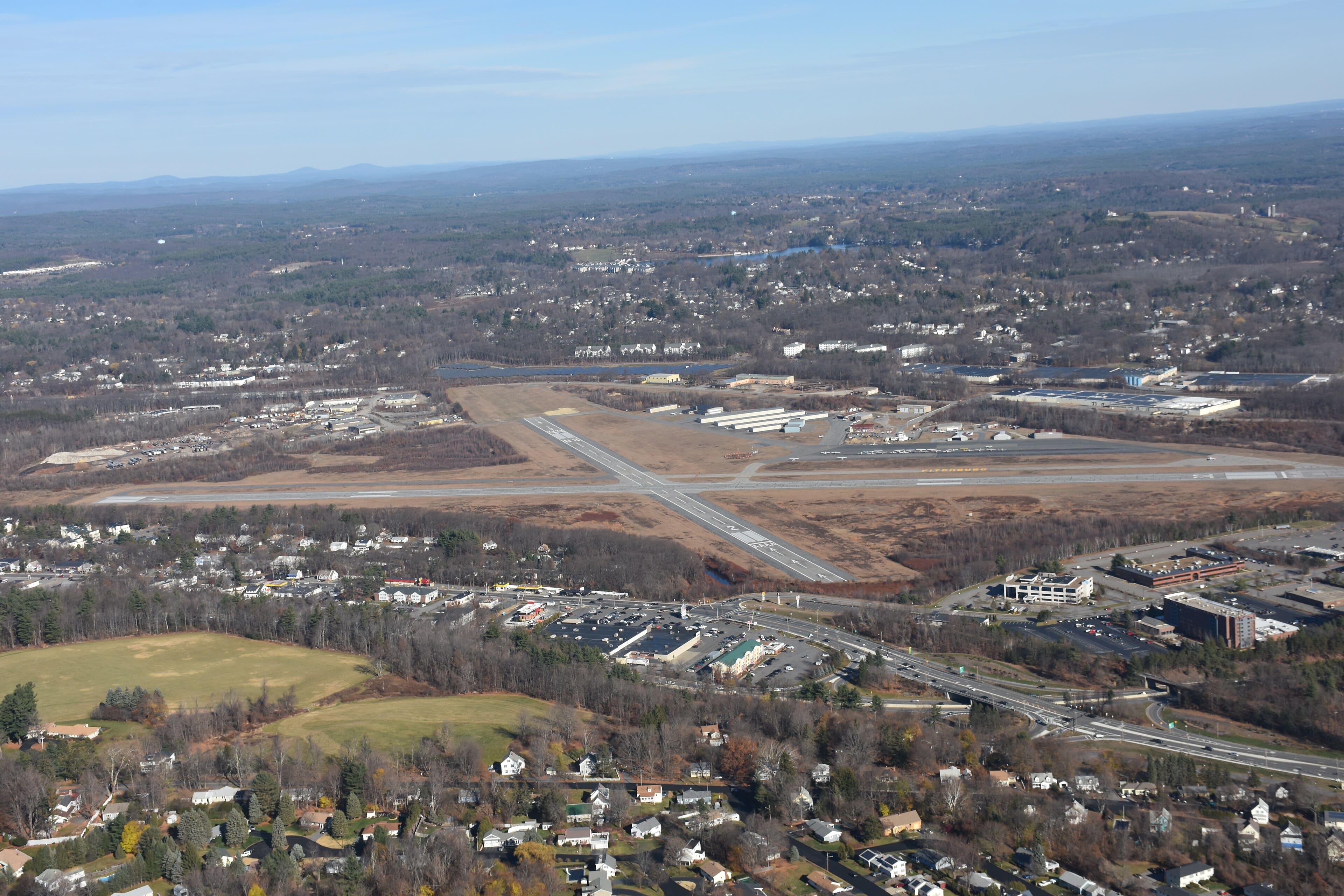
Drone insurance for an airport inspection should describe the actual on-airport assignment, not simply a commercial photography flight near an airport. Give BWI the contracting parties, proposed locations, aircraft, pilots, equipment and aviation insurance requirements. Explain the airport coordination and operating arrangements established through the proper channels. This inquiry concerns aircraft liability and drone equipment; it does not request insurance for the accuracy of pavement findings or other professional conclusions.
This guide helps a drone business prepare an insurance inquiry for runway, pavement, building or other airfield inspection work. It is separate from advice on obtaining airspace authorization and from insurance for the airport’s own operations. It does not prescribe flight procedures, runway access, closures or inspection methods. Qualified aviation and airport professionals must establish the permitted plan; the insurance submission should use those confirmed facts and identify unresolved matters clearly.
For the broader coverage discussion, see BWI drone insurance. Include the on-airport project scope and actual client requirements in your inquiry.
Define exactly what the airport is purchasing
Obtain the statement of work before choosing a coverage description. An airport may request photographs of construction progress, pavement imagery, measurements, a processed model or a professional condition assessment. Those deliverables can involve different services and reliance. State what the drone business is actually hired to provide, who interprets the information and who will use the result. A project labeled runway inspection may conceal several distinct responsibilities.
Clarify whether the work supplements another inspection process or is being presented as a formal assessment. The FAA’s on-airport UAS information discusses drones as additional tools in airport inspection work; it does not make every drone deliverable a substitute for an airport’s required program. Have the responsible professionals establish the purpose of your assignment, then give BWI the real scope without claiming a regulatory function the business has not been engaged to perform.
Identify the airport sponsor and the contracting organization
List the legal customer, airport owner or sponsor, drone operator, prime contractor and any engineering or construction firm involved. An airport employee arranging the visit may not be the entity signing your agreement or requesting insurance evidence. Obtain the names through the appropriate project channels. Do not assume the airport’s public name identifies every legal party with contractual responsibilities or an interest in the work.
If your business is a subcontractor, describe its place in the project. Explain who directs the deliverable, who pays your company and who accepts the finished material. A certificate requested by the prime contractor does not independently establish how other parties are treated under your policy. Supply the relevant agreement so the insurer can review the actual relationship instead of inferring it from a bid invitation or an airport logo.
Separate on airport coordination from a general flight request
On-airport drone operations require their own careful planning through the responsible airport and aviation channels. The FAA publishes specific information about these operations, and operators should consult current guidance and qualified professionals for the actual proposal. Do not treat a general map, routine authorization or an invitation to photograph airport property as a complete explanation of the permissions and coordination needed for the planned assignment.
The FAA’s current on-airport UAS guidance distinguishes airport property approval from aviation authorization. It also states that UAS cannot be the sole means of a Part 139 airport self-inspection program. Qualified airport personnel establish the applicable inspection framework and approved methods. Describe the drone’s actual supporting assignment for insurance review without promising that the contract replaces required inspections or that an insurance document authorizes airport operations.
Prepare an airfield inspection insurance review record
The comparison below organizes useful information for the inquiry. It separates the service, parties, operating assumptions and evidence requirements. It is not a runway inspection checklist or an airport operating plan. Add the actual names, proposed dates and supporting documents. A concise record makes it easier for BWI to evaluate a defined project than a general request to insure airport drone work without context.
Assign someone to maintain the record as the airport project develops. A revised work area, additional visit, new sensor or expanded report can change the original submission. Keep dated revisions with actual responses and identify unanswered questions. This helps the project manager distinguish a reviewed proposal from an idea that remains under discussion, especially when airport operations, the prime contractor and the drone business maintain different versions of the schedule.
| Airport project subject | Information to establish |
|---|---|
| Service | Actual image collection assignment and work area |
| Parties | Airport sponsor client prime contractor and drone business |
| Operating facts | Actual areas dates coordination and pending permissions |
| Equipment | Aircraft payload values ownership and custody |
| Contract | Aviation insurance limits names and evidence requirements |
| Deliverable | Report author and recipients; separate technical and legal review |
Explain the proposed work areas and surrounding activity
Describe whether the assignment concerns pavement, buildings, perimeter assets, construction areas or another location, using the detail requested by the insurer. Explain relevant airport activity and the operating assumptions established by qualified personnel. Do not describe a site as empty or closed solely because the drone team intends to work outside ordinary office hours. The insurance description should reflect the real project arrangement rather than a convenient scheduling label.
If the airport changes the proposed area or work window, return the difference for review. A response prepared for a building survey should not be treated as automatic acceptance of a later runway assignment. This article does not prescribe separation distances, access methods or coordination procedures. Its purpose is to keep the insurance account aligned with the activity and conditions that the responsible aviation and airport professionals have actually established.
Identify aircraft pilots and supporting equipment
Provide the drones, identifying details, values and equipment information requested for the submission. Explain whether the business owns the aircraft and payloads or uses rented, borrowed or client-supplied property. A total equipment figure should not hide a separately owned sensor with different custody obligations. Keep the inventory tied to the project so the insurer does not review an old list that excludes the items the team now intends to use.
Identify the remote pilots and any additional project participants in the detail requested. Qualified professionals should establish qualifications and operational responsibilities independently. For insurance, ask how the actual terms address authorized operators and any conditions. A customer-approved personnel list or a pilot certificate does not by itself settle every policy requirement. Retain the relevant response with the current aircraft and personnel record, particularly if substitutions become necessary before a scheduled visit.
Distinguish equipment damage from damage to airport property
Drone physical damage insurance concerns the insured aircraft or other property as defined by the particular arrangement. Review values, deductibles, equipment descriptions and relevant limitations using the actual offered terms. Do not assume that the existence of hull coverage answers every question about a rented payload, supporting computer or item held by another party. Ask how the policy addresses the property interests and custody stages you have disclosed.
Damage involving another aircraft, an airport asset or other property raises separate liability questions. Identify the relevant insured parties, limits, exclusions and conditions with the insurance advisers. A large liability number should not be presented as proof that every airport-related allegation is included. Keep your equipment’s own damage interest distinct from potential third-party claims so the business does not mistake one part of the proposal for an answer to both.
Obtain airport insurance requirements before submitting the bid
Ask for the full insurance provisions, including attachments, schedules and referenced requirements. Identify the legal names, limits, dates, evidence recipients and requested policy changes. A public procurement summary may omit language that matters to the final placement. Give the complete material to BWI early enough for review before stating that the business meets the requirements or committing to a price based on assumed insurance availability.
If additional insured status or another condition is requested, ask whether it can be addressed for the actual relationship and how it would be documented. A certificate does not independently create an endorsement, remove an exclusion or expand coverage. Use evidence supported by the actual response and identify unresolved provisions. Do not alter a certificate merely to match a customer’s preferred wording when the underlying policy action has not been confirmed.
Review financial and service interruption promises separately
Have qualified counsel explain the agreement’s obligations involving indemnity, defense, damage, delays and other financial demands. Airport contracts can allocate responsibilities differently from the benefits provided by an aircraft policy. Send BWI the aviation insurance provisions and factual operating scope. Keep counsel’s assessment of report warranties and financial remedies in the contract file; an aircraft quotation does not fund those promises merely because a drone supplies the images.
Distinguish property damage allegations from a demand about disrupted service or a delayed deliverable. Have counsel evaluate deadlines, closure-cost clauses and the company’s ability to perform or negotiate them. Record the party making each promise and any agreed limit or remedy.
Separate imagery from an opinion about runway condition
Supplying images is a different service from certifying pavement condition or recommending whether an asset can remain in use. Explain the professional work, qualifications and contractual standard that the business actually accepts. If an engineering firm interprets your images, identify its role. If your company issues conclusions itself, disclose that responsibility rather than describing the assignment only as a drone flight.
An allegation about a missed defect or an incorrect report can arise without the drone striking anything. Refer the technical merits and accepted standard to qualified engineering and legal professionals. Preserve the original images, interpretation instructions and signed scope so those professionals can distinguish collection work from an opinion.
Describe data handling and access commitments
Identify the airport’s approved recipients, the person releasing the package and the contract’s retention and sharing requirements. The sponsor may commission the work through a consultant while another organization receives the report. Establish those roles through the project channel. Give BWI the factual operating description it requests, while keeping sensitive imagery, report distribution permissions and technical reliance questions with the authorized project and legal teams.
Keep original observations, annotations and technical conclusions attributable to their authors. If the engineering firm changes a pavement label or asks for a revised assessment, preserve the request and identify who is authorized to issue that revision. A file received from a consultant is not automatically the drone business’s own certified conclusion. Clear authorship and dated handoffs help explain the service actually supplied if a later question arises.
Include ground access vehicles and borrowed property
Explain how the project team accesses the site and who provides supporting property or services, using the arrangements established by the airport. A drone policy should not be assumed to insure a road vehicle or settle every employee, premises or equipment responsibility. Have the relevant advisers review the actual business interests. Keep access permission, vehicle arrangements and insurance evidence connected through the same factual project description.
For borrowed or rented equipment, describe pickup, storage, use and return where relevant. A short flight assignment may involve a longer period of custody. Obtain the agreement and ask how the policies address those stages and related obligations. Another party having its own insurance does not independently resolve your company’s property interest or contractual promises. Retain the actual response with the inventory and the correct project dates.
Plan for changes and postponed site visits
Keep each proposed work area, collection period and deliverable current when the sponsor or consultant changes the assignment. A postponed visit, added pavement area and new condition opinion are different changes. Explain them separately to the relevant reviewers, including any effect on rented equipment custody. Do not assume the airport’s commercial name and an unchanged drone registration make the revised undertaking identical.
At renewal, distinguish completed flights, postponed proposals and planned return visits. Use actual activity when responding to questions; a planned runway visit that never occurred should not be recorded as completed. Update aircraft, pilots, work areas, equipment custody and intended operating dates as requested. Keep outstanding technical reporting duties in a separate contract register rather than treating renewal of aircraft insurance as acceptance of later professional conclusions.
Compare insurance proposals using one current scope
Compare aircraft liability and equipment proposals using the same airport areas, dates, aircraft, pilots, ownership and custody interests. Identify limits, deductibles, insured parties, relevant exclusions and unresolved conditions alongside premium. Check that each response identifies the same physical assignment and personnel. A proposal considering building work should not silently become evidence for a runway assignment, and neither comparison establishes protection for the accuracy of a pavement assessment.
Consider a fictional change from building images to pavement analysis
Imagine fictional Valley Airport Authority commissioning Stone Engineering to arrange October photographs of a maintenance building. Stone hires Field Images LLC to collect the images, with Stone interpreting them. These invented parties illustrate the sponsor, consultant and drone supplier; they are not BWI customers or an accepted airport operation. Field’s original inquiry identifies the building assignment and the proposed dates rather than describing all future airport work as one program.
Before the agreement is signed, Stone asks Field to add pavement imagery and a condition assessment for an identified runway area during a different proposed work window. It also requests a rented sensor and evidence identifying the Authority’s legal entity. Field records the changed area, deliverable, equipment custody, dates and insurance requirement. The sponsor and qualified aviation and engineering professionals establish the operating and technical arrangements; a proposed work window is not described as an airport-wide closure.
Field sends the changed aircraft, sensor, pilots, locations, dates and aviation insurance provisions to BWI. Stone and Field separately obtain engineering and legal review of the proposed condition assessment. Field retains the original building scope and response to the changed physical assignment. If the visit is postponed, its records identify the new equipment custody dates and outstanding permissions. No aircraft quotation is described as accepting a technical opinion, flight method or operating authority.
Preserve factual records if a concern arises
Retain the relevant contracts, scope revisions, aircraft details, personnel information and insurance correspondence in an appropriate business file. If an incident, allegation or potentially reportable issue occurs, follow the issued policy requirements and seek guidance from the appropriate insurer. Preserve facts without assigning blame, guessing about cause or promising the airport a particular insurance payment. The first project conversation should not decide the claim response.
Keep the purposes of technical, operational and insurance reviews clear. An assessment of imagery quality, an airport’s internal decision and an insurer’s inquiry can require different information and professional judgment. Maintain the relevant versions so a reviewer can identify which aircraft, service and agreement applied. Accurate records of the actual assignment are more useful than a later assumption that every visit was the same kind of airport drone work.
Frequently asked questions
Is a routine drone certificate enough for an airport inspection contract
Do not assume it is. Obtain the complete requirements and describe the actual project, entities and work areas. Ask how they can be addressed under available terms. A familiar certificate format does not independently establish acceptance of every airport assignment or contractual obligation.
Does airspace authorization prove the inspection is insured
No. Operating permissions and insurance terms have different purposes. Establish the required aviation and airport arrangements through their proper channels, then provide the confirmed proposal for underwriting. Review the issued policy response separately rather than treating an operating document as a coverage amendment.
Can flight liability cover an incorrect pavement inspection report
A missed-defect allegation concerns the technical service and contract; have qualified engineering and legal professionals evaluate it using the original scope and report. This guide’s BWI inquiry addresses aircraft liability and equipment. It does not offer insurance for the correctness of a pavement opinion or a client’s reliance on the report.
Does drone insurance replace the airport’s own liability program
The drone operator and airport have separate interests. Identify the legal parties and requested policy treatment in the contract, then review the actual response. Do not present a vendor’s certificate as universal insurance for airport operations, other contractors or every activity occurring at the site.
What information helps BWI review an airfield inspection proposal
Send the scope, legal parties, locations, dates, aircraft, pilots, equipment ownership, reporting roles and complete insurance provisions. Explain confirmed operating arrangements and unresolved questions. Share supporting information through appropriate channels so the review concerns a defined project without unnecessary disclosure of sensitive airport material.
Request an airport inspection drone insurance review from BWI
Prepare the aircraft inventory, equipment ownership and custody dates, pilot information, airport locations and full aviation insurance requirements for BWI. Describe the actual business and contracted activity accurately. Keep the report’s authorship, assessment standard and client’s reliance in the engineering and legal review, so a request concerning aircraft and equipment is not represented as acceptance of a technical reporting obligation.
Request an aviation liability and drone equipment insurance review and quote from BWI for the airport assignment. Compare the response with the aircraft, people, locations and property interests actually proposed, then return material operating changes for review. Keep technical warranties and report accuracy outside that comparison; qualified engineering and legal professionals should resolve those responsibilities before the business accepts them.
Continue Reading


