
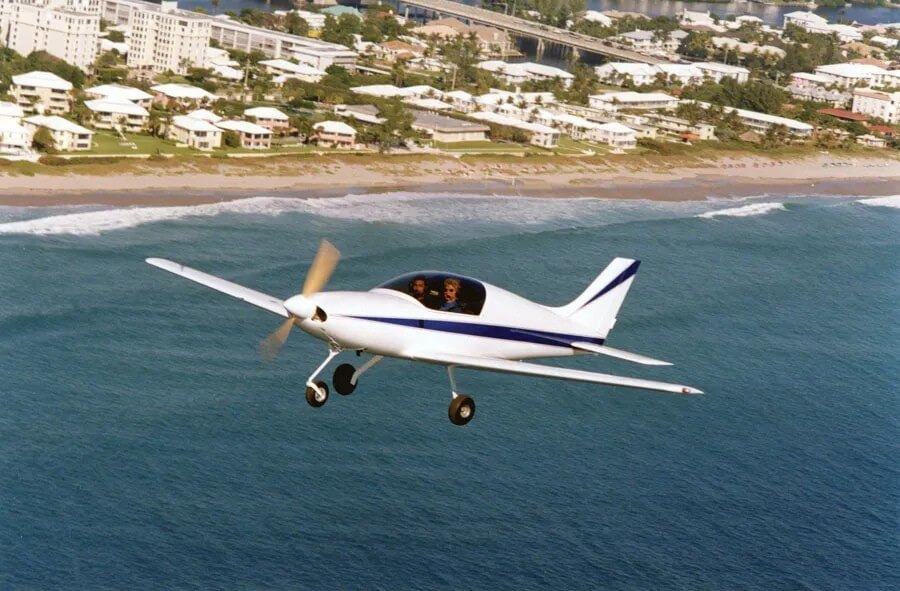
Experimental aircraft insurance should be compared using the individual aircraft and pilot submission. Company names alone do not reveal which terms are available for a particular build, value or use.
Describe the aircraft precisely
Provide the make, model, build history, engine, equipment and requested value. Explain certification status, operating limitations and any modifications. Include purchase, completion or testing plans where relevant. A completed aircraft with established records presents different questions from an unfinished project or a new configuration.
Present pilot and training details
Supply experience in the aircraft and similar types, ratings and recent training. Describe who will conduct any transition or test flying. Ask what pilot requirements apply to each offered policy. Do not assume an instructor’s involvement or a prior policy establishes acceptance by another insurer.
Compare the actual proposals
Review aircraft damage terms, limits, deductibles, exclusions and permitted use. Identify any conditions affecting testing, instruction or specific phases of operation. Ask what is accepted now and what requires further approval. Keep the final terms aligned with the aircraft’s current status and planned activity.
Prepare the BWI review
Gather the service description, locations, property values, staff roles, agreements, current policies and factual claims history. Explain proposed changes and the date they will start.
Compare the actual limits, deductibles, exclusions, insured parties and activities. Ask which requested terms are accepted and what remains outstanding. Keep the final documents and reporting instructions with the business records.
Request an aircraft insurance review from BWI for the operation described above. Availability and terms require an individual review.
Continue Reading
