
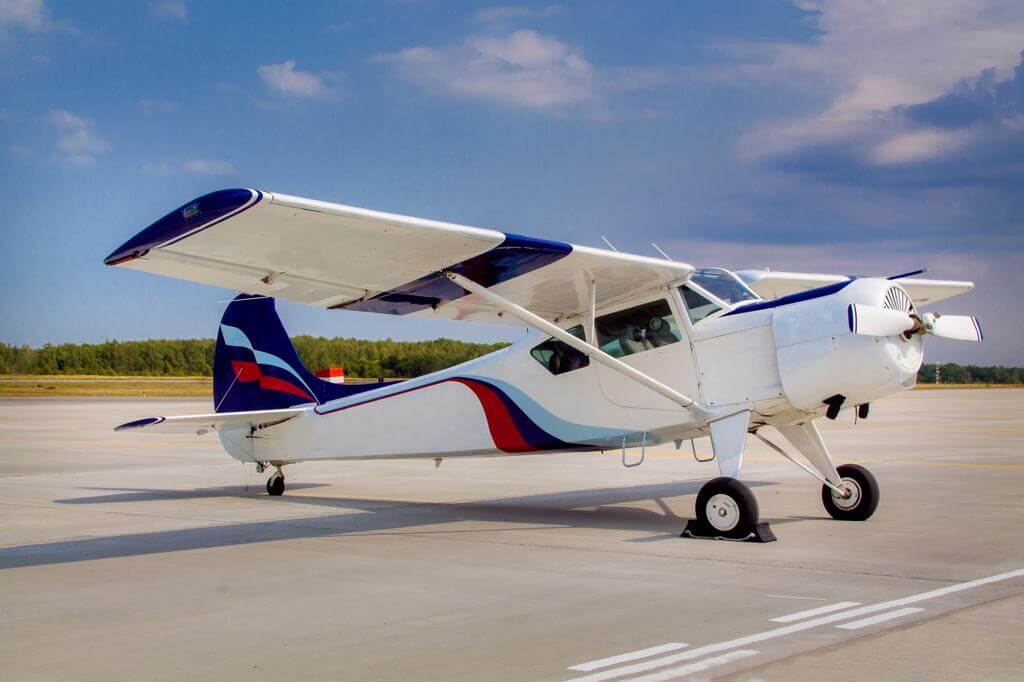
Airplane insurance coverage should match the aircraft, the pilots and the flights you plan. Start by separating cover for damage to your aircraft from liability for injury or damage to others.
Then read the limits, deductibles, pilot terms and permitted uses in each quote. These details help you compare what the policy would cover and which costs you would keep.
Liability cover
Aircraft liability insurance can cover claims for bodily injury or property damage arising from insured operations. Review the people and businesses insured, the claims addressed and the policy’s exclusions.
Check how the limit works. A total limit may have a smaller limit for each passenger or person. Ask how legal defense costs affect the available amount.
- What is the total limit for one event?
- Is there a separate passenger or per-person limit?
- Who qualifies as an insured person or business?
- Which uses and locations does the policy cover?
Hull cover for your aircraft
Hull insurance is cover for physical damage to the aircraft. Check the insured value and the events covered. Some options apply during flight, while others cover more limited ground risks.
Ask how the insurer would settle a repair or total loss. Review the stated value, deductible, salvage terms and any other conditions. Tell your agent about upgrades that may affect the aircraft’s value.
Deductibles and costs you retain
A deductible is an amount you may pay toward an insured loss. The amount can vary by the type of event. Ask the agent to explain each deductible shown on the quote.
Also review exclusions, limits and costs outside the cover offered. Use that full picture when deciding how much risk you can retain.
Other cover to discuss
Ask about any needs beyond the basic aircraft and liability cover. Availability depends on the insurer and your application.
- Medical payments for passengers.
- Spare parts, engines or equipment.
- Flying a rented or borrowed aircraft.
- Instruction, shared ownership or flying-club use.
- Hangar buildings or responsibility for aircraft in your care.
- Flights outside your usual territory.
Keep each property and liability interest clear. For example, a hangar building and a customer’s aircraft stored in it involve different insurance questions.
Check pilots, uses and territory
Read the pilot clause before allowing someone to fly. Confirm the required ratings, experience and training. Ask how named pilots and any open-pilot terms apply.
Explain how the aircraft is used. Include business travel, paid work, instruction, rental or other shared use. Review the geographic limits and any planned international trip.
Send changes to your agent for review before relying on an earlier quote. Keep the insurer’s response and any issued endorsement with your policy.
Compare the written offers
Give each agency the same aircraft value, pilot facts, planned use and start date. Compare the terms alongside the total quoted price.
Use BWI’s quote comparison worksheet to record differences. Ask for an explanation of any term you cannot resolve from the documents.
Start your BWI review
Have your aircraft details, current policy, pilot hours and planned use ready. Include lender, airport or rental-agreement requirements when relevant.
Choose your insurance quote option or call 800-666-4359. The BWI team can help you review the available terms and prepare the next step.
Continue Reading
