
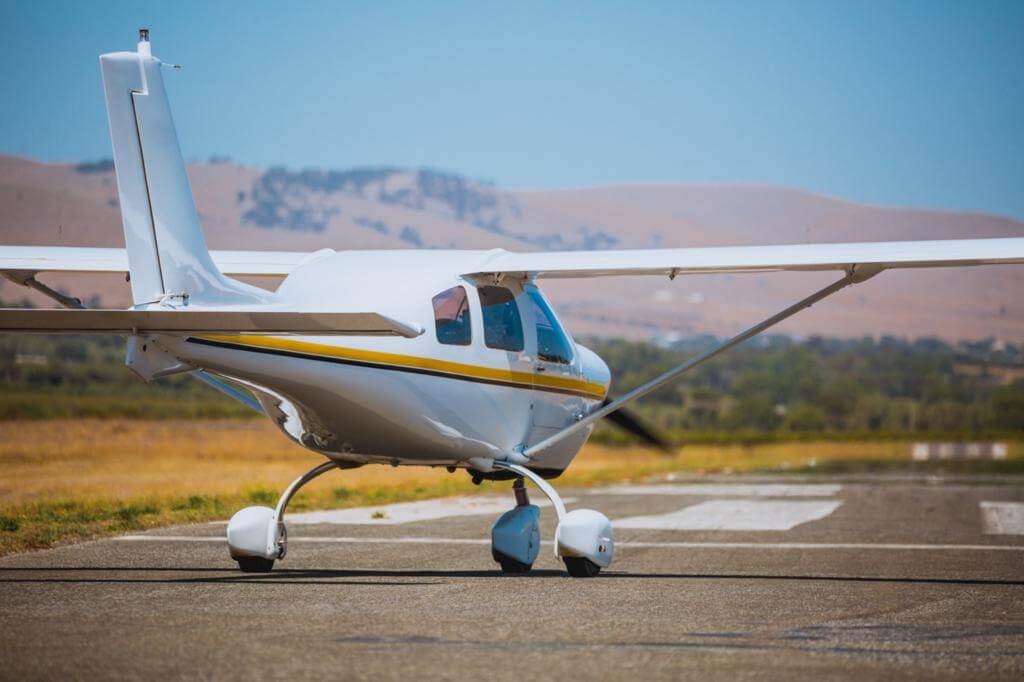
Are airplanes insured is a question that comes up more often than most people expect. New pilots future aircraft owners and even non aviation professionals frequently assume airplanes are insured automatically in the same way cars or homes are. Others believe insurance is optional or only required for commercial operations.
The reality sits somewhere in between. Airplanes are not insured automatically and there is no universal requirement that every aircraft carry insurance. At the same time operating an uninsured aircraft exposes owners and pilots to significant financial risk that most people would never knowingly accept.
In this article we will explain how aircraft insurance actually works who carries insurance when it is required how coverage is structured and why insuring an airplane is one of the most important decisions an aircraft owner will make.
Are Airplanes Required To Be Insured
In the United States there is no federal law that requires private aircraft owners to carry insurance. Unlike automobiles there is no nationwide mandate for minimum liability coverage.
This often surprises new pilots and aircraft buyers. The absence of a legal requirement leads some to assume insurance is unnecessary or optional in practice.
While not legally required insurance is functionally required in almost every real world scenario.
Airports often require proof of insurance to lease hangar space or operate from their facilities. Lenders require insurance as a condition of financing. Partners and co owners often require insurance as part of ownership agreements.
Most importantly the financial exposure of operating without insurance is severe enough that very few aircraft owners choose to fly uninsured.
Who Actually Carries Aircraft Insurance
Aircraft insurance is typically carried by the aircraft owner. The policy is written in the owner’s name and covers the aircraft and liability arising from its operation.
In some cases operators or lessees carry insurance depending on the structure of ownership and use.
Flight schools carry insurance for their operations but this insurance is designed to protect the business not individual pilots renting aircraft.
Pilots flying aircraft they do not own often carry non owned aircraft insurance to protect themselves personally.
Understanding who carries which policy is essential to avoiding gaps in coverage.
What Aircraft Insurance Actually Covers
Aircraft insurance generally consists of two primary components liability coverage and hull coverage.
Liability coverage protects the insured against claims for bodily injury or property damage caused by the operation of the aircraft. This includes passengers people on the ground and damage to buildings vehicles or other aircraft.
Hull coverage protects the aircraft itself against physical damage or loss. This includes damage during taxi takeoff flight landing and ground handling depending on policy terms.
These two components work together to protect both the owner’s assets and their personal financial exposure.
Request a Quote For Airplane Insurance With BWI Today>>
Liability Coverage And Why It Matters Most
Liability exposure often represents the largest financial risk in aviation.
Medical expenses legal defense costs and liability judgments can easily exceed the value of the aircraft itself.
An accident involving passengers or people on the ground can result in claims that reach into the millions of dollars.
For this reason liability coverage is considered the most critical part of an aircraft insurance policy.
Choosing appropriate liability limits is essential to protecting personal assets and long term financial security.
Hull Coverage And When It Is Carried
Hull coverage is optional but commonly carried especially for higher value aircraft.
Owners with lower value aircraft may choose liability only coverage to reduce premium. This decision should be made carefully based on financial risk tolerance.
Hull coverage should reflect the realistic market value of the aircraft not an optimistic resale price or outdated valuation.
Proper hull coverage ensures the aircraft can be repaired or replaced after a loss without significant out of pocket expense.
What Insurance Does Not Cover Automatically
Aircraft insurance policies include exclusions and conditions that must be understood.
Intentional acts are not covered.
Operating outside approved uses or territory can void coverage.
Flying outside pilot warranty requirements can result in denied claims.
Wear and tear mechanical failure and maintenance issues are typically excluded.
Insurance protects against sudden accidental losses not predictable deterioration.
Understanding what is not covered is as important as understanding what is covered.
How Coverage Is Structured By Use
Aircraft insurance policies specify approved uses for the aircraft.
Personal pleasure use typically includes private flying without compensation.
Business use may include transportation related to a business but not carrying passengers or cargo for hire.
Instruction rental and commercial operations require specific endorsements and underwriting.
Operating outside approved uses can invalidate coverage even if the aircraft is otherwise insured.
Are Renter Pilots Insured By Aircraft Policies
When a pilot rents an aircraft the aircraft owner’s policy may provide some liability protection but it is designed to protect the owner not the renter pilot.
In many cases the owner’s insurer may pay a claim and then seek reimbursement from the renter pilot through subrogation.
This is why renter pilots often carry non owned aircraft insurance to protect themselves personally.
Assuming the aircraft policy protects the renter pilot fully is a common and costly mistake.
How Claims Actually Work In Aircraft Insurance
When an accident or incident occurs the insurer investigates the circumstances of the loss.
Coverage determination depends on compliance with policy terms including pilot qualifications approved uses and operating conditions.
If coverage applies the insurer pays covered losses up to policy limits and provides legal defense for liability claims.
If coverage does not apply the insured may be personally responsible for damages and legal costs.
This is why understanding policy conditions is critical.
Why Insurance Is Often Required In Practice
Even though not legally mandated aircraft insurance is effectively required in most ownership scenarios.
Lenders require insurance to protect collateral.
Airports require insurance to protect public facilities.
Partnerships require insurance to manage shared risk.
Flight schools require renters insurance for pilots.
Insurance enables participation in the aviation ecosystem.
How Insurance Protects Long Term Insurability
Aircraft insurance is not just about the current policy year. It is about building a history of insurability.
Claims history training records and compliance with policy terms influence future availability and pricing.
A well structured policy supports long term ownership and future aircraft upgrades.
Poorly structured coverage can create underwriting challenges that persist for years.
Common Myths About Aircraft Insurance
Many believe insurance is optional until something goes wrong. In reality it is most valuable before a loss occurs.
Some believe only expensive aircraft need insurance. Liability exposure exists regardless of aircraft value.
Others believe insurance always pays. Coverage applies only when policy terms are met.
Understanding these myths helps aircraft owners make informed decisions.
The Role Of Professional Aviation Insurance Brokers
Aircraft insurance is specialized. Policies are complex and underwriting varies widely.
Professional aviation insurance brokers understand coverage nuances market conditions and underwriting expectations.
They help structure policies correctly explain terms and advocate for clients during claims.
Generic insurance agents rarely have the expertise needed for aviation risks.
Why Aircraft Owners Choose BWI Aviation Insurance
BWI Aviation Insurance specializes exclusively in aviation.
We help aircraft owners understand how insurance actually works not just what it costs.
We structure coverage to protect against real world risks and advocate directly with underwriters and claims teams.
We insure thousands of aircraft owners across a wide range of aircraft types and operations.
If you are asking are airplanes insured the real answer is they should be and they should be insured correctly.
Request a quote through bwifly.com to protect your aircraft your assets and your future with insurance built for aviation.
Continue Reading