
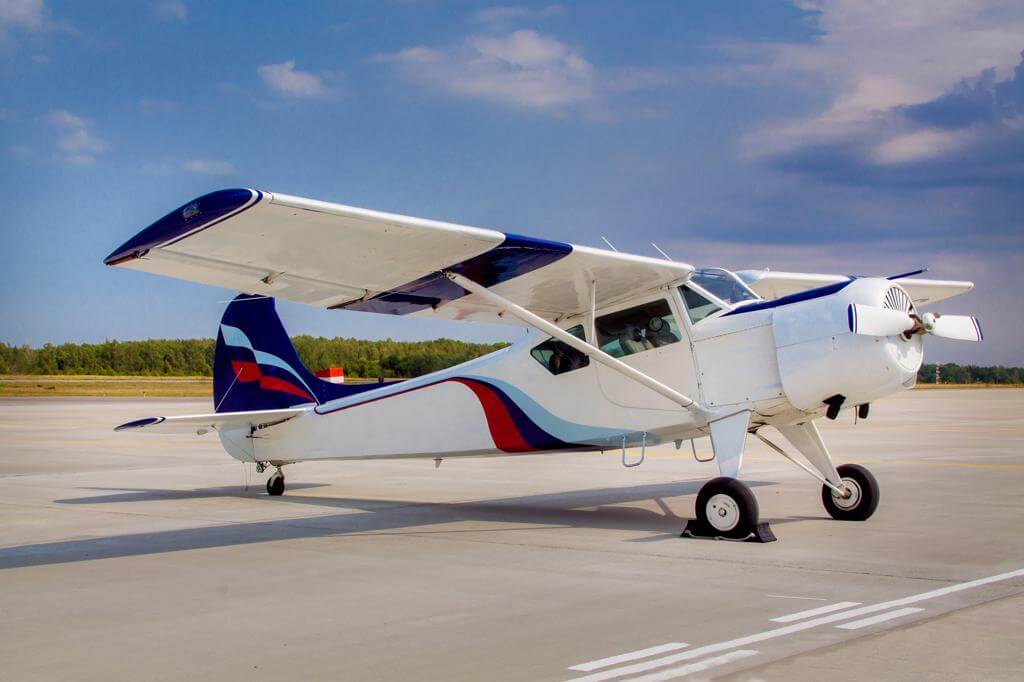
Airplane insurance coverage is one of the most misunderstood parts of aircraft ownership. Many pilots purchase a policy believing they are fully protected only to discover during a claim that key coverage was missing misunderstood or restricted. Others focus solely on price without realizing how coverage structure can dramatically change both protection and long term insurability.
Understanding airplane insurance coverage is not about memorizing policy language. It is about knowing how coverage works in real world scenarios and which components actually protect you financially when something goes wrong.
In this guide we will explain the core components of airplane insurance coverage what is included in most policies what options exist beyond the basics and which coverages truly matter for aircraft owners.
Why Airplane Insurance Coverage Is Not Standardized
Unlike auto insurance airplane insurance policies are not standardized. Coverage terms limits endorsements and exclusions can vary significantly between carriers and even between policies issued by the same carrier.
Aircraft type pilot experience usage and operating environment all influence coverage availability and structure. This is why two aircraft owners with similar airplanes can have very different policies even if premiums appear close.
Because of this understanding coverage is just as important as understanding cost.
The Two Core Components Of Airplane Insurance Coverage
Most airplane insurance policies are built around two primary coverage categories liability coverage and hull coverage. Everything else builds on these foundations.
Get Your Airplane Insurance Quote With BWI Today>>
Liability Coverage Explained
Liability coverage protects the aircraft owner if they cause bodily injury or property damage to others. This includes passengers people on the ground and damage to buildings vehicles or other aircraft.
Liability coverage is the most critical component of an airplane insurance policy because liability losses can exceed the value of the aircraft itself.
Liability limits are typically expressed as a combined single limit or as split limits with passenger sublimits. A combined single limit allows the full limit to apply to any one occurrence while split limits cap recovery per passenger.
Higher liability limits increase premium but provide significantly greater financial protection. Medical costs legal fees and liability judgments can escalate quickly especially when passengers are involved.
Many aircraft owners underestimate liability exposure and focus too heavily on hull coverage. In reality liability risk often represents the largest financial threat.
Passenger Liability And Sub Limits
Passenger liability is a critical consideration for any aircraft owner who carries passengers.
Some policies impose per passenger sub limits which restrict how much coverage is available for each injured passenger. These limits can significantly reduce protection even when the total liability limit appears adequate.
Understanding how passenger liability is structured is essential especially for family flying shared ownership or frequent passenger operations.
Property Damage Liability
Property damage liability covers damage caused by the aircraft to property on the ground. This includes buildings vehicles airport facilities and other aircraft.
While often overlooked property damage claims can be severe particularly in hangar incidents or runway accidents.
Hull Coverage Explained
Hull coverage insures the physical aircraft against damage or loss. This includes damage during taxi takeoff flight landing and ground handling depending on policy terms.
Hull coverage is optional but commonly carried especially for higher value aircraft. The insured value should reflect the realistic market value of the aircraft not an optimistic sale price or outdated valuation.
Over insuring increases premium without adding meaningful protection. Under insuring can leave the owner unable to fully repair or replace the aircraft after a loss.
Ground And Flight Coverage Distinctions
Some policies differentiate between ground only coverage and full flight coverage.
Ground only coverage insures the aircraft while not in flight and is sometimes used during storage or maintenance periods.
Full coverage includes ground and flight operations and is the most common choice for active aircraft.
Understanding when coverage applies is essential to avoiding uncovered losses.
Deductibles And Their Impact
Deductibles represent the portion of a loss paid by the aircraft owner before insurance responds.
Higher deductibles reduce premium but increase out of pocket exposure after a claim. Deductibles can vary for different types of losses such as in motion and not in motion events.
Choosing an appropriate deductible requires balancing premium savings against financial risk tolerance.
Optional And Supplemental Coverages
Beyond liability and hull coverage airplane insurance policies may include optional coverages that address specific risks.
Medical Payments Coverage
Medical payments coverage provides limited coverage for medical expenses for passengers regardless of fault. This coverage is typically modest but can help address immediate medical costs after an incident.
Non Owned Aircraft Coverage
Non owned aircraft coverage protects pilots when flying aircraft they do not own such as rental or borrowed aircraft. This coverage is essential for pilots who rent or instruct and is not automatically included in owner policies.
Hangarkeepers And Ground Risks
Aircraft stored in hangars face unique risks including fire weather and ground handling incidents. Coverage should address these exposures especially in shared hangar environments.
Coverage Territory And Approved Uses
Airplane insurance policies specify where and how the aircraft may be operated.
Coverage territory defines geographic limits. Some policies restrict operations outside certain regions or countries.
Approved uses define how the aircraft may be flown such as personal use business use instruction or commercial operations.
Operating outside approved uses or territory can void coverage. This is a common source of denied claims.
Pilot Warranties And Coverage Conditions
Pilot warranties specify who may fly the aircraft and under what conditions. These warranties often include minimum experience requirements ratings and training obligations.
Flying outside pilot warranty conditions can result in uncovered losses even if the pilot is otherwise qualified.
Understanding pilot warranties is critical for shared ownership partnerships and family operations.
What Coverage Matters Most In Real Claims
In real claims scenarios coverage clarity matters more than price.
Adequate liability limits protect against catastrophic financial loss.
Clear pilot warranties prevent coverage disputes.
Proper hull valuation ensures full recovery.
Approved uses and territory prevent denied claims.
Many coverage failures occur not because coverage was unavailable but because it was misunderstood.
Why Cheap Coverage Can Be Expensive
Policies built solely around lowest price often sacrifice coverage quality.
Lower liability limits reduce protection.
Restrictive pilot warranties increase denial risk.
Inadequate hull valuation leads to financial gaps.
When a claim occurs these shortcomings become painfully clear.
How Professional Brokers Structure Coverage
Experienced aviation insurance brokers structure coverage intentionally.
They align liability limits with exposure.
They ensure hull values reflect market reality.
They clarify pilot warranties and approved uses.
They anticipate future underwriting needs to preserve insurability.
Coverage structure is proactive not reactive.
Reviewing And Updating Coverage Over Time
Aircraft insurance coverage should evolve.
As pilot experience increases coverage options improve.
As aircraft value changes hull coverage should adjust.
As missions expand approved uses must be updated.
Annual policy reviews are essential to maintaining proper protection.
Why Aircraft Owners Choose BWI Aviation Insurance
BWI Aviation Insurance specializes exclusively in aviation coverage. We do not sell generic policies or one size fits all solutions.
We take the time to explain coverage in plain language structure policies around real world risk and advocate for our clients during underwriting and claims.
We work with the full aviation insurance market and ensure coverage is built correctly from the start.
If you want airplane insurance coverage that actually protects you when it matters most BWI delivers clarity expertise and long term value.
Request a quote through bwifly.com to see how professional aviation insurance coverage should be structured.
Continue Reading