
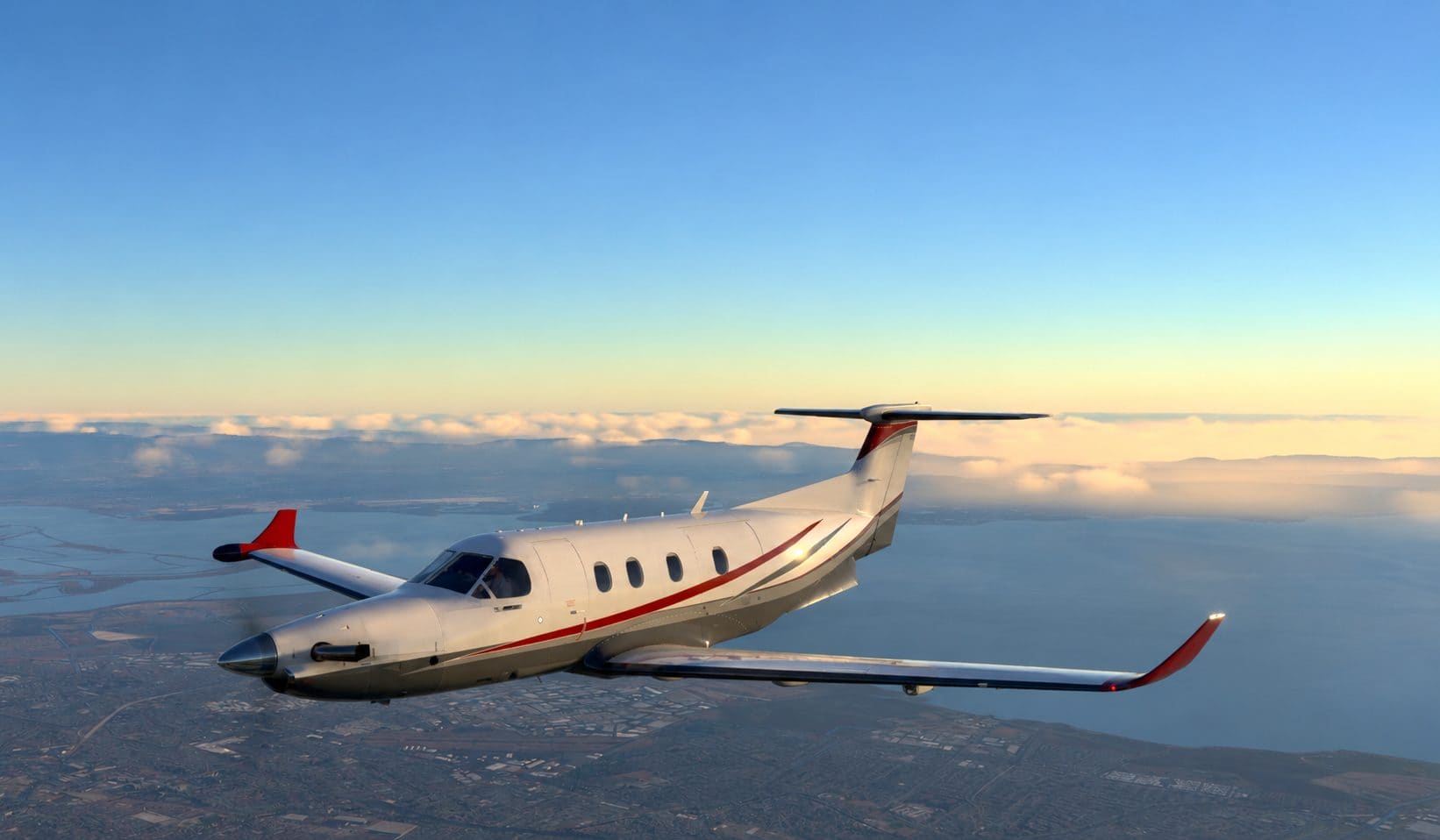
A PC-12 insurance request should bring together the aircraft details, ownership structure and operating plan. Explain who will fly the aircraft and the role it will serve. Resolve training and other conditions before planning a flight that relies on the new cover.
Describe the aircraft and value
Provide the exact model, year, registration, avionics and other equipment. Support the requested hull value with current records. Tell the broker about upgrades or work expected before delivery.
Ask how the policy values the aircraft and settles repairs or a total loss. Identify lender interests and any lease requirements at the start.
Set out pilot roles
Explain whether the aircraft will be flown by an owner, employed pilots or a mix of pilots. Provide each person’s ratings, turbine experience, PC-12 time and recent activity.
Discuss the proposed training provider and schedule. Ask which initial, recurrent or supervised-flight conditions the insurer requires. Keep written acceptance of the plan with the policy records.
Disclose the operation
Describe personal travel, corporate use or commercial work accurately. Identify the operator, geographic area and any unusual destinations. If a management company is involved, provide the agreement and explain its duties.
Compare the coverage terms
For liability, review the total limit, passenger sublimits, insured parties and defense provisions. For hull, compare value, deductibles, covered uses and exclusions. Ask how any contract requirement is addressed in the issued documents.
Use identical aircraft and operating information for each proposal. A lower premium may accompany different limits, training conditions or deductibles.
Confirm the delivery plan
- Match the policy dates to the ownership transfer.
- Confirm the accepted delivery pilot and route.
- Complete required training or other conditions.
- Obtain written confirmation of cover.
- Keep claims and policy contacts available.
Update the review when pilots, equipment or use change. Ask BWI for a PC-12 insurance quote based on your actual aircraft and operation.
Continue Reading
