
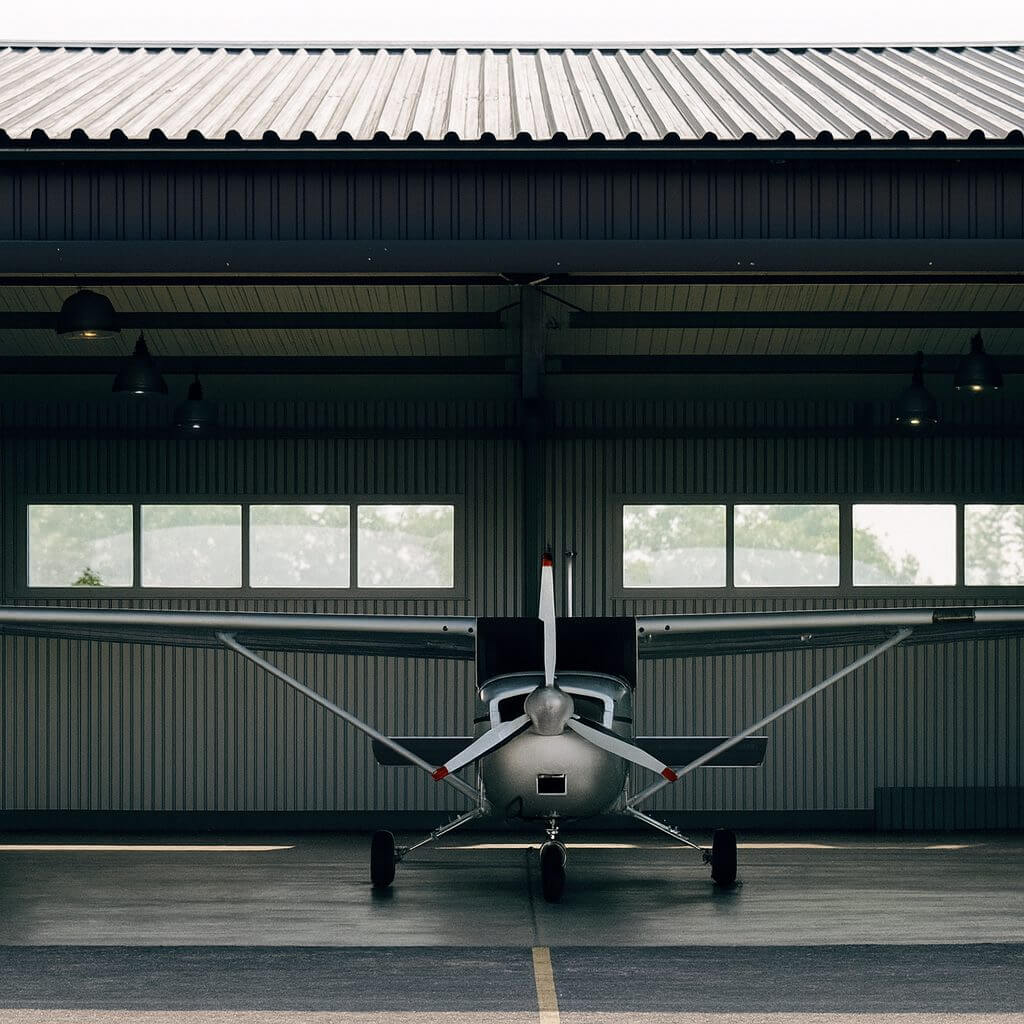
For most aircraft owners, the hangar is more than a storage space, it’s a sanctuary. It protects your airplane from the elements, gives you room to work, and often holds valuable tools, parts, and avionics. Yet, many pilots overlook a critical question: is your hangar insured, and are you personally protected if something happens inside it?
Airplane hangar insurance safeguards your building, contents, and liability exposure from events such as fire, theft, wind damage, or accidents. Whether you lease a T-hangar, own a private facility, or manage a multi-aircraft building, the right hangar policy ensures that both your structure and assets are fully covered.
Since 1977, BWI Aviation Insurance has helped aircraft owners protect their aircraft and hangars across the United States, combining industry experience with exceptional service and more than 800 five-star reviews from pilots nationwide.
This guide breaks down what airplane hangar insurance includes, what it costs, and how to choose coverage that matches your unique operation.
Why Hangar Insurance Matters
Aircraft owners often assume their airplane insurance automatically covers their hangar or that the airport’s policy will take care of any damage. Unfortunately, that’s rarely true.
Most airplane policies only insure the aircraft itself, not the structure it’s stored in. Likewise, airports typically require each tenant to carry their own liability and property insurance for hangar space.
Without a dedicated hangar policy, you could face out-of-pocket losses from:
– Fires or electrical issues
– Wind, hail, or snow damage
– Theft or vandalism
– Water intrusion or roof collapse
– Damage to others’ property or aircraft inside your hangar
Hangar insurance fills these gaps, protecting both your physical structure and your financial liability.
What Airplane Hangar Insurance Covers
A hangar policy is similar to a commercial property policy but tailored for aviation use. It generally includes three main components: property coverage, contents coverage, and liability coverage.
1. Hangar Building Coverage
This covers the structure itself against physical loss or damage. It protects the roof, doors, walls, and foundation against risks such as fire, lightning, explosion, windstorms, hail, and other perils.
You can choose between:
– Replacement Cost (RC): Pays what it costs to rebuild or repair the hangar with new materials.
– Actual Cash Value (ACV): Pays the depreciated value of the structure at the time of loss.
For high-value or custom-built hangars, replacement cost is typically recommended.
2. Contents Coverage
Covers personal property stored inside the hangar that isn’t part of the building itself. This can include:
– Tools and maintenance equipment
– Aircraft parts and avionics
– Fuel systems and tugs
– Office furniture, computers, and safety gear
Aircraft themselves are insured under separate hull policies, but your hangar contents coverage protects everything else you own.
3. Liability Coverage
Hangar liability coverage protects you if someone is injured in or around your hangar, or if you cause damage to another person’s aircraft or property.
It includes:
– Premises liability: Injury or property damage occurring in or around the hangar.
– Products and completed operations liability: For businesses that perform maintenance or sell products.
– Fire legal liability: Covers damage to rented or leased space you occupy.
If you lease hangar space, your landlord or airport authority may require proof of liability insurance and to be named as an additional insured.
Additional Optional Coverages
Hangar insurance is flexible. Depending on your needs, you can add:
– Business interruption coverage: Reimburses lost income if your hangar is unusable after a covered loss.
– Equipment breakdown: Covers sudden failure of electrical or mechanical systems like door motors or compressors.
– Pollution cleanup: Pays for environmental remediation after fuel or chemical spills.
– Loss of rents: Protects landlords if rental income stops due to hangar damage.
– Hangarkeepers liability: Essential if you store or maintain other people’s aircraft.
Get Your Quote For Hangar Insurance Today>>
Hangarkeepers Liability Explained
If you operate a business such as an FBO, maintenance shop, or flight school, hangarkeepers liability is critical. It protects you from claims of physical damage to aircraft in your care, custody, or control.
Example: A mechanic forgets to secure a cowling, and it’s damaged during engine run-up. The owner’s aircraft insurance pays for repairs, then subrogates against your business. Without hangarkeepers liability, you’re personally responsible.
Typical limits range from $100,000 to $1,000,000 per aircraft, with total limits up to $5,000,000 or more depending on operations.
Who Needs Hangar Insurance?
Hangar insurance applies to more than just owners of private buildings. You may need it if you:
– Own a private hangar at an airport or on private property.
– Lease a T-hangar or shared hangar from a city or airport.
– Operate an FBO or maintenance business that stores or services aircraft.
– Manage a condo hangar association or rent space to other pilots.
Even if the airport or landlord insures the hangar structure, you’re usually responsible for insuring your contents and carrying liability protection.
Typical Hangar Insurance Costs
Premiums depend on the value of your structure, contents, and operations. Average annual rates:
Small T-hangar (personal use): $400 – $800
Large private hangar: $900 – $1,800
Multi-aircraft or business hangar: $2,000 – $5,000+
Commercial FBO hangar (with maintenance ops): $5,000 – $10,000+
Add-ons like business interruption or hangarkeepers liability increase cost but are essential for commercial operations.
Common Risk Factors That Influence Rates
1. Location: Hangars in regions prone to hurricanes, hail, or snowstorms have higher premiums.
2. Construction Type: Steel hangars withstand weather better than wood-frame or older structures.
3. Security and Fire Protection: Alarms, sprinklers, and on-site security reduce risk.
4. Usage: Private use costs less than maintenance or flight school operations.
5. Loss History: Prior claims affect renewal pricing.
How to Determine the Right Coverage Amounts
– Building Value: Base on current replacement cost, not the original construction price.
– Contents Value: Add up tools, avionics, and personal property.
– Liability Limits: Minimum $1,000,000 recommended for personal hangars; $5,000,000+ for commercial operations.
– Deductible: Commonly $1,000 – $2,500 depending on policy.
Review coverage annually to account for inflation or new equipment purchases.
The Claims Process
If damage occurs:
1. Prevent further loss (secure the hangar, move aircraft if safe).
2. Contact your broker or insurer immediately.
3. Document everything with photos and notes.
4. Meet with the adjuster for inspection.
5. Review settlement terms before authorizing repairs.
BWI’s claims team works closely with both hangar owners and underwriters to ensure fast, fair settlements.
How to Get a Hangar Insurance Quote
Quotes are quick and straightforward. To receive one, gather:
– Hangar address and construction details
– Building size and replacement cost
– Contents value
– Intended use (personal, business, FBO)
– Prior claims or maintenance history
BWI can provide multiple quotes from leading carriers like Global Aerospace, Old Republic, Starr, and USAIG. Most quotes are ready within 24 hours.
Why Work With BWI Aviation Insurance
Since 1977, BWI Aviation Insurance has been the go-to agency for aircraft owners, FBOs, and private pilots seeking comprehensive aviation coverage.
We specialize in all aspects of aviation insurance, including:
– Aircraft hull and liability policies
– Hangar and hangarkeepers coverage
– Drone and airport liability programs
– Custom coverage for flight schools and maintenance businesses
Why pilots choose BWI:
– Nearly 50 years of aviation-only experience
– 10,000+ aircraft insured nationwide
– 800+ five-star reviews
– Offices in California and Alaska
– Fast, accurate quotes and dedicated account managers
Our team understands how underwriters evaluate risk and ensures your policy is written correctly the first time.
Conclusion
A hangar is more than just a building, it’s part of your aviation investment. Fires, storms, and accidents happen, but the right insurance policy means you’ll recover quickly and protect your assets in the process.
Whether you own a small personal T-hangar or operate a large FBO, BWI Aviation Insurance can help you find the right coverage at the right price.
Visit www.bwifly.com or call 800-666-4359 for a hangar insurance quote today.
BWI Aviation Insurance, protecting pilots, aircraft, and peace of mind since 1977.
Continue Reading