

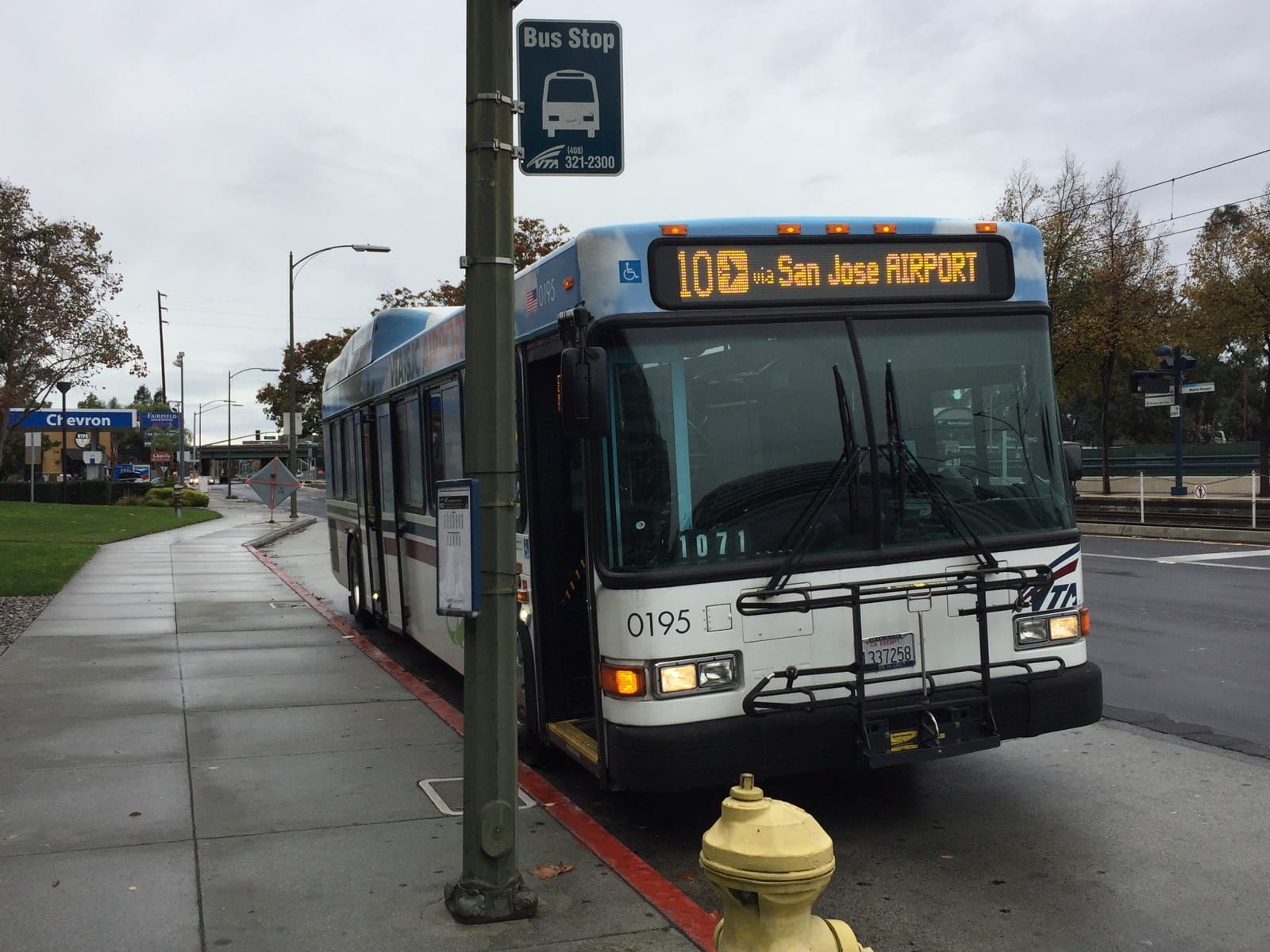
An FBO offering a courtesy car or passenger shuttle should review the vehicle service separately from aircraft fueling, parking and hangar responsibilities. Letting a visiting pilot drive a car to town is different from an employee driving passengers to a hotel. Both should be described accurately before the business assumes that its aviation insurance or a customer's personal auto policy provides the intended protection.
Start with who owns each vehicle, who may drive it, where it travels and what the business agrees to provide. Keep liability to other people, damage to the vehicle itself and the responsibilities in any customer or transport agreement separate. A vehicle's presence on an airport does not determine how every policy treats its use on the road or beside an aircraft.
This guide helps an FBO prepare those facts for a commercial insurance review. BWI's commercial vehicle information provides related context, but availability depends on the actual vehicle, location, service and underwriting. It does not establish a nationwide courtesy car or shuttle program. Applicable vehicle, passenger transport and airport requirements need their own review by the qualified people responsible for the operation.
Distinguish a Courtesy Car From a Driven Shuttle
Describe each service as it operates. For a courtesy car, identify whether customers receive the keys and drive themselves, how they are authorized and whether another person may drive. For a shuttle, identify who employs the driver, who directs the trip and which passengers are carried. Avoid a combined description such as customer transport if it hides these differences.
Explain any charge, deposit, reimbursement or connection with other services the customer purchases. A vehicle provided without a separately itemized fee is still a business activity to disclose. Do not omit the service from an insurance application because staff describe it as a favor. The underwriter needs the actual use, not the marketing label attached to it.
Include employee errands, parts collection, delivery and other uses of the same vehicle. A car may serve customers during one shift and carry staff to another airport during another. Describe the full pattern so the reviewer does not evaluate only the quietest or most familiar use. Identify planned changes separately from services already provided.
Identify the Vehicle Owner and Operating Business
Supply registration, ownership and finance information for each vehicle. Explain whether the FBO owns it, leases it, rents it for a busy period or borrows it from an owner or related company. A car used by the business can belong to a different legal entity from the company that supplies employees or signs the customer agreement.
Ask how the proposed insurance recognizes the actual entities and ownership interests. A trading name printed on a vehicle is not the same thing as an insured definition. If the FBO, airport tenant and vehicle owner are different businesses, make the relationships clear rather than assuming common ownership includes them all under one policy.
For leased or financed vehicles, provide the complete insurance requirements and ask which documents can support them. Review the vehicle value and physical damage basis separately from the liability limit. The amount owed to a lender should not be substituted automatically for the value or settlement provisions in the offered insurance.
Describe Driver Permission Before Discussing Coverage
Explain how the business authorizes employees and customers to drive. Identify the information collected and who checks it under the process actually in place. Do not represent a planned driver-screening policy as established practice if keys are currently issued through a different process. Accurate facts are more useful than an ideal description unsupported by records.
Ask the insurance reviewer how permitted users, driver restrictions and any required approvals appear in the proposed terms. A customer being an experienced pilot does not independently establish acceptance as a vehicle driver. Likewise, an employee authorized to work on the ramp should not be presumed accepted for every passenger vehicle use.
Have qualified advisers assess the applicable licensing and legal requirements. Insurance acceptance and legal permission are separate. An application, quote or certificate does not authorize an otherwise prohibited driver or trip. Where a question remains unresolved, identify it before the business relies on the vehicle service as available to customers.
Separate Liability From Damage to the Courtesy Vehicle
Ask what liability protection is intended for the business and the person driving. Identify the interests of passengers and other people who could make an allegation after an incident. Review the relevant insured definitions and use restrictions with the actual ownership and permission facts. A large liability figure does not establish that everyone involved has the status expected.
Review damage to the car or shuttle separately. Ask about the offered physical damage terms, valuation, deductibles and important exclusions. An arrangement addressing injury or property damage alleged against the FBO does not by itself establish payment to repair the vehicle the customer was using.
Keep a customer's personal insurance separate from the FBO's assumptions. If the business expects that policy to address an interest, ask what evidence and wording would support the expectation. Do not tell customers their personal policy must cover a courtesy vehicle without reviewing the applicable terms. The business also needs to understand its own protection rather than relying on a verbal statement at the counter.
Make the Customer Vehicle Agreement Specific
Provide the actual document customers accept when taking the car, including incorporated terms. Identify permitted drivers, duration, destinations, return arrangements, damage responsibility and any promises about insurance. Have qualified counsel assess releases, indemnities and other legal obligations; ask insurance professionals separately whether the proposed wording supports the intended arrangement.
If the agreement asks a customer to pay a deductible or reimburse damage, distinguish that commercial obligation from a policy benefit. A signed agreement does not establish that the customer has resources or insurance to satisfy every demand. It also does not amend the FBO's policy or decide who is legally responsible for an incident.
Keep the accepted version with the vehicle-use record. Staff should be able to identify which terms applied to a particular handover rather than relying on the latest form after the fact. If the business changes its rules or makes an exception, record the actual permission given and obtain any required insurance review before relying on it.
Describe how a courtesy car is returned after hours and how an overdue return is handled. Identify whether permission ends at a stated time and how an extension is recorded. Ask what the actual policy requires when a vehicle remains with a customer beyond the agreed period. A late car, a disputed permission and a reported theft involve different facts; do not decide their insurance treatment from the overdue status alone.
Explain Road Travel and Airport Access Separately
Describe the territory, typical destinations and any travel beyond the usual local area. State whether vehicles cross state boundaries or serve several airports. A short expected trip can become a longer one when a customer requests a different destination. Ask how the proposed terms address the actual use rather than assuming distance is irrelevant because the vehicle returns to the same FBO.
Identify whether vehicles enter airside areas, travel near parked aircraft or stay on public access roads. Include airport permits and vehicle insurance requirements for review. A vehicle's road registration does not establish airport access permission, while an airside permit does not resolve liability involving public-road use.
Ask which provisions address damage involving an aircraft or airport property when a vehicle is operated on the premises. Do not infer the answer from either the auto or airport liability policy's name. The reviewer needs the movement, people, property and location to evaluate the intended relationship between the programs.
Describe Passenger Shuttle Duties in Detail
For employee-driven transport, list the vehicles, designed seating capacity, passenger groups, routes and frequency. Explain scheduled and on-demand trips, hours of operation and busy periods. State whether the service includes only FBO customers or carries people for another business as well. The submission should reflect the actual service, including arrangements outside the normal customer visit.
Identify assistance provided with boarding, luggage and movement between the building and vehicle. Describe who performs those tasks and where responsibility changes when another provider is involved. Appropriate operational specialists should determine safe procedures and applicable accessibility or passenger-service duties. The insurance review should receive the service actually undertaken without presenting this article as an operating manual.
Include vehicles temporarily rented for an event or aircraft diversion. Ask how hired vehicles, additional drivers and changed passenger activity would be handled before the busy period begins. An insurance arrangement considered for a small courtesy car should not be assumed to accept a larger passenger vehicle used for a materially different service.
Do Not Use Free Service as a Regulatory Conclusion
FMCSA's passenger carrier guidance explains that compensation can be direct or indirect when evaluating for-hire passenger transport. The absence of a separate fare therefore should not be used as a blanket conclusion that no transport requirements apply. The actual federal, state and local applicability, including any relevant exemption, needs qualified review for the service involved. [1]
Provide the reviewer with the facts rather than selecting a preferred label. Vehicle characteristics, passenger activity, routes, commercial relationships and other circumstances can matter to the applicable analysis. A courtesy car driven by a customer and a business-operated passenger shuttle should not be treated as identical merely because neither displays a fare schedule.
Keep compliance evidence and insurance evidence connected without treating them as the same document. An insurer's willingness to consider a vehicle does not grant operating authority. A transport authorization does not establish every policy term the FBO wants. If a particular filing or insurance requirement applies, have the responsible professionals identify and address that actual requirement.
Review Outside Transport and Vehicle Suppliers
Explain whether the FBO operates the service, engages a transport contractor or only helps customers contact another provider. Those roles can involve different promises and possible allegations. Describe who makes the reservation, who accepts payment and what the FBO tells the customer about the service. Do not describe a contractor as independent if the actual relationship or agreement says something broader.
Provide the transport agreement and the insurance evidence required by it. Ask how the FBO's own program addresses its role in arranging or selecting another business. A contractor's policy does not automatically establish protection for every allegation against the FBO, and a contractor's certificate is not a substitute for identifying the intended insured interests.
For hired or borrowed vehicles, distinguish the vehicle owner from the person operating it and the business arranging transport. Review damage responsibility and the conditions of the rental or loan. Adding a hired-auto description to a conversation does not establish protection for every passenger use, physical damage interest or contractual charge in the agreement.
Keep Staff Vehicles and Other Business Uses Visible
If an employee uses a personal car for a customer trip or business errand, describe that arrangement. Ask what the business's insurance is intended to address and what remains the employee's own interest. Protection for the FBO's liability should not be represented automatically as physical damage protection for the employee's car.
Identify whether management authorizes such trips and whether reimbursement is involved. The actual activity matters even if it is infrequent or arranged after normal hours. An application that states all transport is performed in scheduled company vehicles should be corrected if employees regularly use their own cars when those vehicles are unavailable.
Review related business uses at the same time. Delivering parts, moving baggage and collecting crew can involve different facts from lending a courtesy car to a visiting customer. BWI's commercial vehicle information is a starting point for describing business vehicle needs; the specific activities, territory and available terms still require individual review. [2]
Plan for Vehicle Unavailability and Reported Incidents
Explain what happens when the normal vehicle is unavailable. A replacement may be hired, borrowed or supplied by a transport contractor, creating a different ownership and operating arrangement. Ask about the proposed substitute before telling staff that the existing policy automatically follows it. Keep any accepted changes with the vehicle and service records.
For an incident, follow the relevant emergency, legal and policy reporting processes. Identify the vehicle, driver, passengers, location, permission given and actual allegations. Preserve the handover agreement and available business records. Do not change a use record after the event to make the activity appear consistent with an earlier application.
Keep claimed costs distinct. Vehicle repairs, passenger allegations, other property damage, towing and replacement transport can raise different questions. Ask about specific proposed expenses before committing an insurer to reimburse them. Notification or a claim reference does not by itself establish acceptance of every cost or an agreement about legal responsibility.
Prepare a Submission That Matches the Counter Practice
Gather the legal entities, vehicle ownership documents, identifiers, values, seating capacities, driver arrangements and destinations. Include courtesy car forms, shuttle agreements, airport requirements, outside providers, current insurance and available incident history. Explain customer self-drive use separately from employee-driven transport and flag any activity the business plans to add.
Have the people who issue keys and arrange trips verify the description. They may know that customers keep a car overnight or that a shuttle routinely visits another airport even when an older written procedure says otherwise. Management should resolve discrepancies before the application is signed rather than assume the procedure alone proves current practice.
Compare offered terms against the same facts. Review insured parties, vehicles, uses, liability limits, physical damage, deductibles, important exclusions and conditions. Identify which requested interests remain unresolved. A proposal that appears cheaper because it assumes employee-only driving should not be compared as equivalent to one based on customer self-drive courtesy use.
A Fictional Change From a Courtesy Car to a Shuttle
Consider an FBO that has one self-drive courtesy car but plans to provide employee-driven trips for groups arriving during an event. It hires a passenger vehicle and assigns staff to the service. The review needs the changed driver model, vehicle, passenger activity, territory and agreements, not merely confirmation that the original courtesy car remains on the schedule.
If a later incident involves a customer trip, the FBO preserves the actual permission, trip and vehicle records and follows the appropriate reporting process. It distinguishes the business's liability, the driver's interest and damage to the vehicle. This fictional example is not a BWI placement, a transport classification decision or a promise that a policy pays a resulting claim.
Request an FBO Vehicle Insurance Review
Request a commercial aviation insurance review from BWI with the courtesy car and shuttle details, ownership, drivers, passenger use, routes and contracts. Explain the business's actual practices and proposed changes. Ask which vehicle and aviation arrangements are available for the particular operation, including any interests that require separate specialist review.
For an existing policy, use the service channel confirmed for your account before relying on protection for a changed service. Keep the final accepted terms and reporting instructions accessible to the people managing vehicles. A useful review follows who supplies the car, who drives, who rides and where the trip goes, with clear distinctions between business permissions, legal requirements and issued insurance.
Sources
Continue Reading


