

A sport parachute packing business should describe its own services when requesting insurance, even when it works beside an established drop zone. The aircraft operator's policy, a participant's membership and the equipment owner's protection should not be presented as automatic insurance for the packing business. The review needs to identify who performs the work, who contracts with the customer and which activities the proposed insurer is considering.
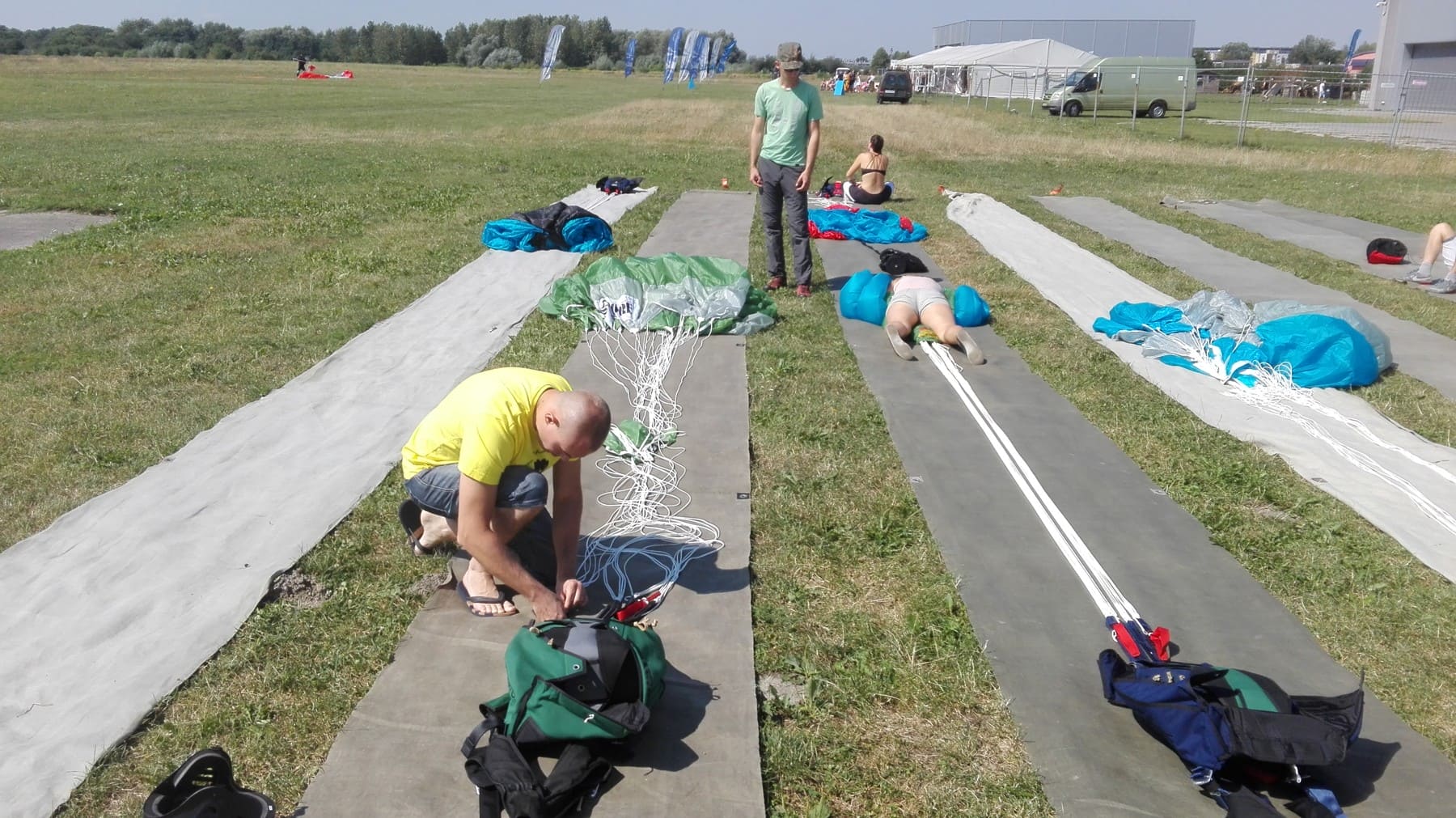
Start with an actual job: the parachute received, the service requested, the person undertaking or supervising it, the records made and the equipment returned. Explain whether the business also repairs, alters, sells, rents or advises on equipment. These activities can create different custody, completed-service, product and professional questions. A general description such as ground support can hide the very work an underwriter needs to evaluate.
This guide helps a commercial packing or rigging business prepare an insurance inquiry. It does not provide packing procedures, equipment recommendations, inspection standards or a determination of anyone's privileges. Qualified parachuting professionals must address the applicable technical and regulatory requirements. BWI's commercial aviation insurance information introduces the wider discussion; eligibility for this specialist activity requires confirmation rather than assumption.
Make the Packing Business and the Drop Zone Distinct
Identify the legal entity or individual providing the service and the name used on customer orders. A packer can work independently, as an employee or under another contractual arrangement. Describe the actual relationship instead of deciding that a shared location or familiar business name means everyone has the same insured status.
Explain who accepts payment and who decides which personnel undertake a job. A drop zone collecting a service charge and later paying a contractor can create a different paper trail from a customer directly engaging an independent business. Provide the relevant agreement so the insurance reviewer can understand the responsibility your business accepts.
If the business is owned by the same people as a school or aircraft company, list the separate entities and activities. Common ownership does not automatically make each business an insured under every policy. Ask which entities and individuals the actual proposal contemplates and which roles need their own review.
Keep the aircraft operation separate. This guide concerns equipment services, rather than the aircraft owner and jump pilot submission addressed by jump-plane insurance. A business performing both roles should disclose both; it should not expect one policy description to silently encompass the other.
Separate Main Packing From Other Services
Describe the packing services you sell in plain language, including the actual equipment categories and customer types. Identify main and reserve work accurately rather than using packing as an undifferentiated label. Qualified personnel must establish who is permitted to perform or supervise each task; the insurer needs the resulting factual account.
List repair, alteration, assembly, inspection and other work your business actually undertakes. Replacing an equipment component or advising a customer on compatibility can involve a different responsibility from carrying out a narrowly defined packing order. Do not leave additional services out merely because they represent a small portion of revenue.
Disclose instruction, coaching, tandem activity, demonstrations or jumping undertaken through the business. They should not be treated as incidental to equipment handling for insurance purposes without review. A proposal considering packing at one location is not confirmation that other participant services have been accepted.
If the operation also services emergency parachutes for aircraft occupants or performs military work, identify those categories separately. Explain the actual equipment and customer use. An acceptance for one segment should not be extended to another by assuming all parachutes create an identical underwriting submission.
Keep Rigger Qualifications and Insurance in Separate Reviews
14 CFR 65.129 contains performance standards for certificated parachute riggers, including provisions concerning ratings and current manufacturer instructions. Qualified personnel must determine the applicable privileges and requirements. This article does not classify a task or determine whether an individual may undertake it.
Provide the qualifications and experience requested by the insurance application truthfully. Distinguish the individual's history from the present business's trading record. An employee's previous work elsewhere may be relevant experience, but it is not a completed service history for a newly established company.
An insurer's review does not confer a certificate, rating or authority to use a particular procedure. Conversely, possessing a technical qualification does not determine whether an allegation falls within the proposed insurance. Keep the relevant technical evidence available while obtaining a separate explanation of the accepted activities and insured parties.
If work is supervised, describe how that relationship actually operates and who maintains the relevant records. Avoid using a qualified person's name as a substitute for explaining who performs the service. The submission should identify the arrangement being considered rather than an aspirational staffing plan that has not been implemented.
Review Custody of the Complete Equipment Assembly
Customer equipment can include separately identified components and accessories. Describe what your business receives, what remains with the customer and which items are moved to another work area. Record ownership and identification through the process appropriate to your operation so an article is not described only by the color of its container.
Ask which proposed protection addresses customer property while entrusted to your business. Review the custody wording, covered interests, valuation, locations, limits, deductibles and relevant exclusions. Do not assume a premises liability certificate or another organization's aircraft insurance protects every equipment assembly on the packing floor.
Support the maximum value estimate with the real queue of work. Multiple rigs can be present during a busy event or while customers wait for further work. The highest concentration at one time can differ from the average single customer's equipment value. Explain how your estimate was developed rather than multiplying a guessed amount by an assumed number of jobs.
Identify property held overnight, items awaiting collection and equipment left pending customer instructions. Those stages do not disappear because the original packing task has ended. Tell the insurer about storage arrangements and other locations relevant to the interest being reviewed without treating the description itself as confirmation of coverage.
Examine Allegations About Completed Packing or Rigging Work
A later complaint about equipment service can raise different questions from physical damage while an item is in your possession. Ask how the proposed liability wording addresses the declared packing, maintenance and other services. Identify the actual definitions, grant, exclusions and endorsements instead of relying on a policy name alone.
Distinguish liability for alleged injury or damage from the expense of repeating work, refunding a fee or replacing the business's own product. A customer demand may combine those amounts. The fact that they arise from one order does not establish that the policy treats all of them identically.
Explain any selection advice, compatibility assessment or written opinion sold with the service. Ask whether the offered wording contemplates that professional role. A policy considered for physical equipment work should not be assumed to include every financial-loss allegation about advice, especially when the application never described that advice.
Compare defense provisions, limits, aggregates, retained amounts and any restrictions on the actual activity. A larger headline limit is not a substitute for an accepted service description. Record unresolved questions before treating competing quotations as equivalent options for the business you actually operate.
Include Equipment Sales Rentals and Demonstration Arrangements
If the business sells equipment, explain whether it distributes new products, buys used equipment for resale or sells on consignment. Identify who owns the item and what your business undertakes to verify or represent. Sales activity should not disappear inside a service application simply because it takes place at the same counter.
Describe rental or loan equipment separately. An item owned by your business and used by someone elsewhere creates an interest distinct from customer property on your premises. Provide the agreement, selection responsibility, permitted use and return process requested for review. A customer signing a rental form does not itself establish your insurance position.
When a manufacturer or dealer provides a demonstration item, identify the ownership, custody and contractual responsibilities. Ask about your own liability and the property interest in the equipment as separate matters. Do not assume the supplier's certificate protects your business for every service you perform around the demonstration.
Keep marketing promises consistent with the actual work accepted. A business advertising a complete equipment assessment should not describe itself to the insurer as merely arranging a transaction. Have qualified counsel and technical personnel review representations within their roles, and give the insurance contact the resulting accurate account.
Describe Seasonal Locations and Event Work
Tell the broker whether the business operates from a permanent loft, uses space at a drop zone, attends events or moves between locations. Explain the work performed at each setting. An application tied to one address may not adequately describe a business that spends part of the season working elsewhere.
Identify who controls the premises and which agreements govern your use. The owner of a hangar or event site may request insurance evidence, but access permission is not the same as insured status. Obtain the complete requirement and legal names early enough to review any requested endorsements.
Include transport of customer equipment and your own tools. Explain who collects or returns items, where they are held during travel and any overnight storage. A personal or commercial vehicle policy should not be assumed to insure every item carried inside or your liability for the associated service.
Consider how temporary staff and outside specialists are engaged during busy periods. Disclose the actual employment or contracting arrangement and work. Workforce protection and legal classification need appropriate review; a contractor label or an aviation liability policy should not be treated as a complete answer to those separate responsibilities.
Connect Service Records With the Actual Equipment
14 CFR 65.131 addresses records kept by certificated parachute riggers, including information identifying equipment and work. Qualified personnel must determine the full requirements applying to their activity. This insurance guide does not replace the rule or prescribe a complete recordkeeping system.
For the submission, describe how your existing process connects the customer, equipment, instructions, personnel and completed work. Keep requested work distinct from additional tasks authorized later. An invoice saying parachute service may not explain the actual engagement if several components or stages were involved.
If a record is corrected, preserve the history and follow the appropriate process rather than silently replacing a file that may already have been provided to a customer. Identify which document supersedes which. A later reviewer needs an honest account of what was originally communicated and what changed.
Discuss retention and access with the appropriate technical, legal and insurance advisers. A regulatory minimum is not automatically the complete answer to contractual duties, business needs or a developing allegation. Protect customer information and address electronic access or cyber concerns separately where the business's systems create relevant exposure.
Read Releases and Contracts Without Assuming They Replace Insurance
Provide the actual service agreement, drop-zone contract and insurance schedule. Identify indemnity, defense, warranty and limitation provisions. Ask qualified counsel what the business is undertaking and ask the broker how the proposed protection relates to those obligations. A document described as standard can still contain terms the insurer has not agreed to support.
A participant release should not be represented as eliminating every possible allegation or replacing the business's own insurance review. Its purpose, enforceability and application require legal advice based on the circumstances. Do not infer a guaranteed defense or outcome from the existence of a signature.
For a requested certificate or endorsement, confirm the correct entity, coverage part, dates and supported status. A certificate holder designation does not independently create additional insured protection. Obtain the insurer's actual response before promising that the customer's or drop zone's requirements have been satisfied.
Review contracts again when the relationship changes. A packing service can evolve into equipment rental, instruction or broader business support without the original agreement being rewritten promptly. Identify the changed duties and return them for review rather than allowing an older certificate to stand in for acceptance of the expanded operation.
Test a Fictional Event Order Against the Proposal
Imagine an independent packing business attending a weekend event under an agreement with the host drop zone. It receives several customer rigs and also agrees to deliver a dealer's demonstration item. The business later receives a complaint about which services were requested and which equipment was returned. This is a fictional administrative illustration, not a BWI claim or a technical incident report.
The factual review would need orders, equipment identities, personnel roles, transport records and the host and dealer agreements. It would separate customer property from the demonstration item and distinguish the accepted packing work from any additional service. Neither a paid invoice nor familiarity with the people involved resolves those facts automatically.
The policy review would examine the actual allegation, insured entities, activities, locations and terms. A premises event, equipment loss and allegation about completed service can require different analysis. Avoid promising that the drop zone's insurance or your own certificate answers every issue before the relevant documents have been examined.
Use the example before requesting terms to test whether your submission explains event work and equipment delivery. The objective is a factual account the insurer can evaluate, not a prediction about fault or protection. If an important stage appears in the customer's experience but not the application, correct the description.
Plan for Complaints Changes and Earlier Work
Establish who can receive a complaint and locate the relevant records. Follow the applicable policy's requirements for claims or reportable circumstances, preserving relevant information and equipment as appropriately instructed. Do not wait for a formal lawsuit merely because the business disputes an allegation or the customer has not supplied a final amount.
Seek appropriate claim, legal and technical guidance before promising reimbursement or settlement. Necessary safety or regulatory decisions belong with qualified responsible parties; insurance coordination should occur alongside that work. The coverage review and the technical assessment serve different purposes and should not be confused.
Before changing insurers, retiring or discontinuing a service, review relevant triggers, dates and treatment of earlier work. Stopping new orders does not establish that earlier services can never become the subject of a later complaint. Keep historical policies and endorsements connected to the business records rather than relying solely on the latest declarations.
At renewal, describe new locations, activities, personnel arrangements, product sales and rental services. Answer the application honestly using the periods and definitions requested. A copied prior-year description is not sufficient when the actual operation has changed, even if the company's trading name remains the same.
Prepare a Sport Parachute Service Insurance Inquiry
Bring a concise business description, service categories, customer types, locations, personnel roles, relevant qualification information, representative agreements and property values. Explain which equipment you handle and which services you perform or supervise. Include sales, rentals, event work and subcontracted stages together so the submission describes the complete operation.
Use the same information when comparing alternatives and record material exclusions or outstanding conditions beside the premium. Ask which options, if any, can be considered for the disclosed work. Do not infer specialist eligibility from a general aviation business quotation or assume that another packer's arrangement establishes suitable terms for your company.
Start a commercial aviation insurance inquiry with BWI or call 866 788 6291. Confirm that the requested review concerns a sport parachute packing or rigging business, with all related activities disclosed. Review the final accepted services, insured parties, endorsements and effective dates before relying on coverage.
Sources and further reading
Continue Reading


