

A baggage conveyor project can place a contractor between an airport terminal operator, airlines, a system manufacturer, construction trades and software suppliers. The visible work may be replacing a belt or installing a carousel. The commercial responsibility can extend to equipment in storage, existing terminal property, system interfaces, testing commitments and the point at which someone else accepts operational control.
Airport baggage conveyor contractor insurance should begin with a written description of those responsibilities. A company installing fixed terminal equipment has a different submission from a business repairing mobile baggage carts or an airline handling passengers' luggage. Identify the actual work, customer property and contractual promises before asking whether a familiar liability policy will respond. Coverage depends on underwriting and the issued wording.
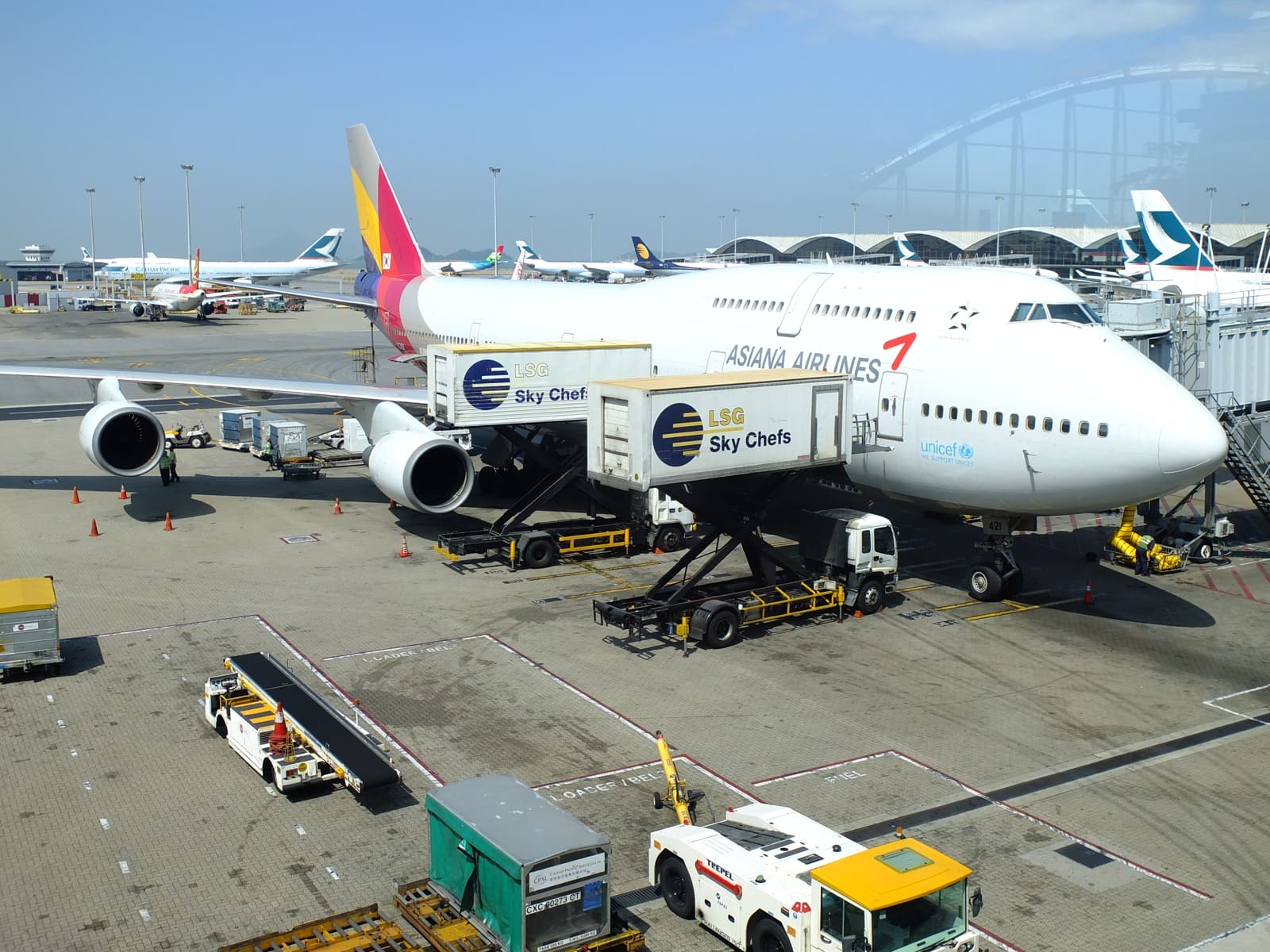
Define the fixed system business first
Describe whether the company installs new conveyors, renovates existing lines, maintains reclaim carousels, supplies replacement assemblies or integrates controls. Check-in equipment, transport conveyors and sortation can appear in one contract without belonging to one contractor. An equipment installer should identify any design, programming or integration work it performs rather than letting a broad construction description conceal those services.
A primary baggage handling service provider, Caribe Service, publicly describes installation, maintenance and spare parts for airport conveyors, carousels, check-in counters and sortation. That establishes a real service category; it does not establish that every installer performs every listed task. Use the company's signed scope and actual revenue activities to describe the business. A supplier's product list is not evidence of the applicant's authority or qualifications.
Separate the fixed system from mobile ramp equipment and from passenger handling services. State whether employees ever receive live passenger bags, operate the system for an airline, or supervise the airport's operators. A maintenance company that only returns equipment to its customer needs a different role description from a contractor operating a temporary baggage route while the permanent system is rebuilt.
Identify who owns equipment at each location
A manufacturer may retain an interest in equipment until payment while the airport owns the existing installation. An airline may own check-in equipment next to common-use conveyors. The installer may purchase controls or motors itself and later transfer them under the contract. Record these arrangements instead of assuming that everything inside a terminal belongs to the same organization.
Include equipment held at the contractor's shop, an off-site staging warehouse and the airport work area. List who is responsible for transport between them and whether a subcontractor selects the carrier. Insurance for tools owned by the contractor is a separate question from protection for customer equipment or project materials awaiting installation. Confirm the treatment of each property interest and location with the proposed insurer.
Removed equipment creates another ownership question. A customer may want an old drive assembly returned, retain a spare carousel section, or authorize disposal through another company. Describe who holds those items and when custody ends. An instruction to remove equipment from the work area does not automatically settle its ownership, disposal authority or insurance treatment while it remains in the contractor's warehouse.
Distinguish physical damage from system performance allegations
A dropped motor damaging a finished floor presents different questions from a controls change allegedly routing bags to the wrong destination. A delayed installation presents another set of issues. Outline representative events for the broker without assigning them to a policy in advance. Aviation liability, general liability, installation property, professional liability and technology coverage may require different discussions depending on the business and insurer.
Do not assume a policy covering accidental damage will pay to redesign a system, replace defective work or meet a throughput commitment. Equally, a professional liability discussion does not establish coverage for all bodily injury or damage arising around equipment. Ask how the proposed forms address the company's actual services, exclusions, conditions, deductibles and defense arrangements. A certificate cannot answer those wording questions.
| Contract responsibility | Submission evidence | Question for insurance review |
|---|---|---|
| New equipment installation | Scope and material ownership | How are goods and work in progress treated? |
| Existing conveyor alteration | Work boundary and customer assets | What applies to property being worked on? |
| Controls integration | Design and programming scope | Which professional or technology services are described? |
| Temporary live operation | Operator agreement and bag custody | Does the business description include this activity? |
| Ongoing maintenance | Service agreement and response terms | Which continuing obligations require separate review? |
The table is a discussion aid, not a coverage allocation. One event can involve several responsibilities, and the facts may be disputed. Keep the contract, technical scope and insurance submission consistent so an underwriter can understand why equipment, information and operational roles appear together. Ask for written clarification where the proposed wording does not clearly address a material part of the business.
Explain integration without assuming control of every interface
A conveyor can exchange information with check-in systems, sortation software and other terminal equipment. Explain whether the contractor supplies hardware only, configures existing controls, develops software or coordinates another supplier's interface work. Identify who approves the interface requirements and who accepts the completed connection. A phrase such as turnkey installation can obscure these distinctions unless the detailed scope explains it.
Security screening interfaces need particularly clear boundaries. Identify whether the contractor merely provides a physical or data connection specified by others or has a separate screening equipment service role. This insurance discussion does not provide screening procedures or determine regulatory authority. If screening equipment work is part of the business, disclose that service explicitly and have the responsible technical and compliance parties establish its requirements.
Keep information responsibility visible. A contractor may receive bag routing specifications or access credentials without owning the airline's passenger relationship. Explain what information it receives, whether live passenger data is necessary, who can approve access, and when access should end under the agreement. Discuss privacy and security obligations with qualified advisers rather than treating a construction policy as a substitute for that review.
Separate test materials from live passenger property
Testing may involve contractor-owned sample bags, customer test articles or, under a separate arrangement, actual passenger luggage. The submission should identify which applies. Ownership, declared values, storage and supervision can differ significantly. Do not use a general reference to baggage testing to imply that the business routinely accepts passengers' belongings when it does not.
If live baggage handling is included, describe the exact commercial arrangement and who receives claims or complaints. Ask how customer property exclusions, custody provisions and any proposed specialized protection apply. Avoid promising that a contractor's policy will settle passengers' airline claims. The contractor's responsibility, the airline's obligations and any applicable legal rules require their own review based on the actual facts and jurisdiction.
A contractor can also face an allegation involving a bag without having accepted custody of it. For example, a customer may allege a configuration change contributed to misrouting after handoff. Preserve the distinction between an alleged information or service error and possession of the physical bag. Give the broker both possibilities so the review does not depend entirely on a property custody description.
Document phased access and partial handover
Terminal renovations often divide work into sections. Describe which conveyor lines remain with the airport, which are under the contractor's control and which have been accepted for use. Identify the people authorized to accept a phase and the records the contract calls for. Opening one area should not leave the insurance submission suggesting that all equipment at the site is still uninstalled inventory.
Testing, acceptance and final payment may occur on different dates. List them separately along with any provisional use or outstanding work. Ask when installation protection ends under the proposed policy and what happens if a customer starts using part of the equipment before formal completion. The answer must come from the actual wording and project arrangement, not from an assumed industry milestone.
Existing property and neighboring tenants also deserve attention. Work may take place near finished counters, customer offices or equipment maintained by another vendor. Describe the site setting and contractual responsibility for adjacent property without providing operational safety instructions. The insurance reviewer needs to know that the project involves an occupied terminal, rather than an empty warehouse, when assessing the disclosed exposure.
Review performance promises before agreeing to them
A proposal may promise a completion date, a specified system capacity or compatibility with a customer's other equipment. Distinguish the contractor's deliverable from results that depend on airlines, upstream systems or other trades. Identify guarantees, credits, penalties and reimbursement obligations for the broker and legal adviser. Do not describe all of them simply as liability arising from installation work.
An airport or airline may allege lost revenue, extra staffing costs or missed connections after a system problem. Those allegations do not establish that the contractor is liable or that insurance will respond. Ask how economic loss, delay and contractual liability provisions affect the proposed coverage. A high limit provides little clarity if the underlying claim falls outside the covered services or another condition prevents recovery.
Warranty obligations need the same discipline. Replacing the contractor's own unsuccessful component, correcting installation work and defending a third party damage claim are different financial demands. Discuss them separately when reviewing the contract. Insurance should be assessed alongside the company's warranty resources and commercial agreements; it should not be represented as a guaranteed fund for completing an unsuccessful project.
Make maintenance a separate revenue activity
A company may finish installation and remain on call under a maintenance agreement. Describe scheduled service, emergency response, remote support and spare parts supply separately. Identify whether the company monitors the system continuously or only responds to a customer request. A response number printed on a handover document should not imply round-the-clock monitoring if that service has never been contracted or staffed.
Service agreements may require a response within a specified time without promising restoration by that deadline. Explain the difference in the submission and give advisers the actual language. Access permission, parts availability and other vendors' work may affect restoration, but those dependencies should be described in the contract rather than invented after a problem. Ask how service credits and penalties are treated.
Remote access can change the business description even when most revenue remains mechanical maintenance. Record whether staff can change settings, install updates or view system records, and whether a separate technology supplier controls those actions. Include subcontracted support and the customer's approval process in the role summary. This is an insurance and contracting disclosure exercise, not a guide to configuring or securing airport equipment.
Describe subcontractors and shared project insurance precisely
Electrical trades, controls specialists, equipment manufacturers and construction managers may all appear on the project. List who hires each party and what work remains with the applicant. Obtain advice on required insurance evidence and written agreements before mobilization. Another company's certificate does not, by itself, establish that the applicant receives additional insured status or that a particular claim will be covered.
If the project uses an owner or contractor controlled insurance program, obtain its actual participation terms. Ask which operations, locations and periods are included, and which exposures remain with the applicant's own policies. Off-site fabrication, storage, transport and professional services should not be assumed included merely because the airport supplies a project insurance document. Have the broker reconcile both arrangements against the complete scope.
Build a submission that follows the work
Provide a revenue breakdown for installation, maintenance, parts sales and any controls or design services. Include project locations, typical and largest contracts, equipment values in custody and the largest concentration of materials at one location. Explain any unusual overseas supply or subcontracting arrangement. These facts let an underwriter evaluate the business without relying on a generic airport contractor label.
Attach representative scopes and the contracts imposing the most substantial obligations. Include a concise explanation of claims, alleged service failures and material changes since the last application. An accurate account is more useful than a claim-free statement that ignores unresolved complaints. Use the broker's agreed secure channel for sensitive documents and ask what information is necessary before sending customer or passenger records.
For renewal, compare the coming year's work with the previous submission. A company adding live operation, software integration or a larger terminal modernization project should explain that change before relying on a policy placed for maintenance alone. Review material scope changes during the policy period as well. Do not wait for renewal if an agreed disclosure requirement or proposed new activity needs earlier attention.
Keep the parts supply obligation visible
Replacement parts may be held under a service agreement long after construction ends. Explain whether spares belong to the contractor, the airport or a manufacturer, and whether an availability promise requires a dedicated stock. A warehouse inventory policy, a customer property arrangement and a promise to procure an unavailable component raise different questions. Show the broker the agreement rather than assuming that all spares fall under the same property description.
Also distinguish a manufacturer warranty administered by the contractor from the contractor's own promise to replace a component. State who authorizes a return, who arranges transport and who retains the removed item while the manufacturer evaluates it. Do not promise a customer that insurance will pay while those commercial responsibilities remain unresolved. Maintaining a clear service record can support the review, but the record is evidence of the transaction rather than a guarantee of payment or a substitute for the issued policy.
A fictional terminal project shows the distinctions
Consider a fictional installer replacing a reclaim carousel while another supplier updates terminal software. The airport owns the old carousel and the replacement equipment after delivery. The installer stores new assemblies off-site, installs the mechanical equipment and uses customer-supplied test bags. The airport retains normal passenger handling and authorizes the software supplier's changes. These facts provide a clearer starting point than describing the installer as responsible for baggage.
Now suppose the airport requests temporary operation before final acceptance and asks the installer to provide staff for that period. The business has changed. The contractor should clarify the operating agreement, live bag custody, customer responsibilities and insurance implications before accepting the additional role. An installation quote or existing certificate should not be treated as evidence that the temporary operation has already been reviewed.
After handoff, the installer may remain responsible for scheduled maintenance while the software company retains remote controls support. Keep both continuing roles in the account file. If a later allegation concerns misrouting, the contracts and handover records can help establish what each party actually agreed to do. They do not decide coverage or liability by themselves; those decisions depend on the policy and evidence.
Ask BWI to review the actual contractor scope
Use BWI's commercial aviation insurance information to begin a discussion about the business. Request a commercial insurance review from BWI with the fixed system scope, customer equipment values, integration responsibilities, phased handoff terms and continuing service obligations. Explain whether the company handles live passenger bags or operates equipment for customers. BWI must confirm whether it can assist with the particular risk, and underwriting determines any offered terms.
The goal is a submission that reflects the contractor's real work from initial equipment delivery through ongoing contracted maintenance. Keep property ownership, information responsibilities, live operation and contractual promises visible throughout that review. For an existing policy or claim, use the service contact confirmed for the account and follow its reporting requirements. A new-business inquiry does not establish coverage, bind insurance or report a claim under an existing policy.
Continue Reading


