

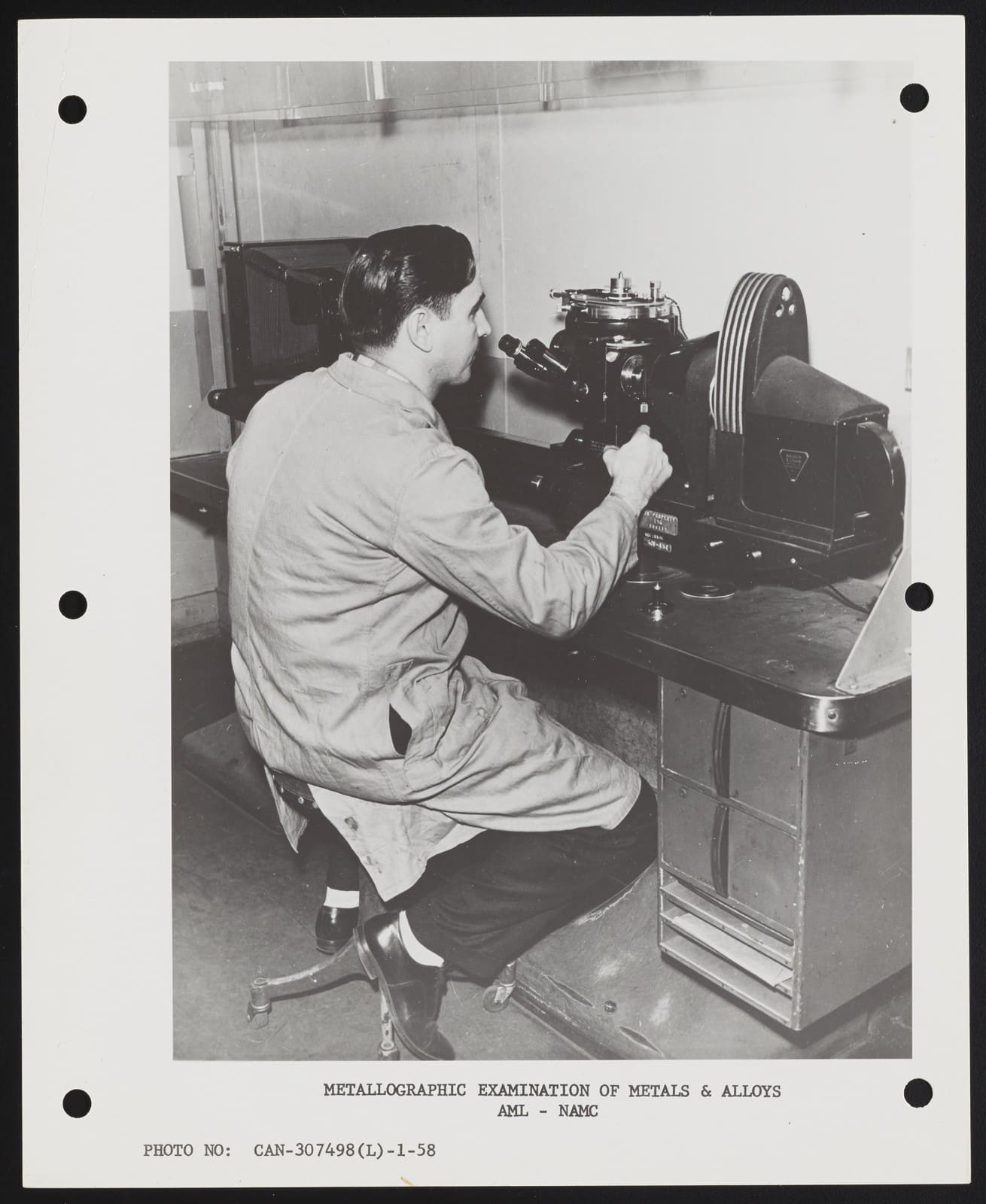
An aviation metallurgical failure analysis laboratory should explain both the physical examination it performs and the opinion it delivers when requesting insurance. A customer may send a broken component after a maintenance finding, production concern or accident. The laboratory can then face questions about custody of that item, permission to alter it and the use of its conclusions by people beyond the original customer.
The useful insurance submission starts with the engagement rather than a list of instruments. Identify who commissions the work, the questions accepted, the property received and the intended report. Separate an allegation about the analysis from damage to evidence or a dispute over an expert assignment. A professional liability label does not establish acceptance of every investigative or litigation-related service.
This guide is for an independent laboratory examining aviation metals and failed components. It complements BWI's aviation professional liability information. It does not determine a failure mechanism, prescribe specimen preparation, authorize destructive work or provide litigation advice. Qualified technical and legal professionals must address those matters for the actual assignment, while the insurance review identifies the services and interests being submitted.
Define the Assignment Before Naming the Method
Describe whether the business supplies a factual examination, an interpretation of a possible failure mechanism, a broader investigation or an expert opinion for a dispute. State the deliverable and the questions the laboratory agrees to answer. A request to photograph a fracture differs from accepting responsibility for determining every cause of an aircraft event. Keep that boundary visible even when the same specialist could perform both services.
Identify work involving production samples separately from work involving a failed service component. A manufacturer may seek process information before delivery, while an operator may ask about damage discovered after use. Explain the known purpose and customer relationship. Do not present all receipts as routine materials testing when some engagements involve contested evidence or an opinion intended for a legal proceeding.
The NTSB describes its Materials Laboratory Division as providing scientific and engineering analysis related to materials, structures and accident investigations. That public description illustrates the investigative setting in which materials work can occur. It does not appoint a private laboratory to an investigation, authorize its access to evidence or establish insurance protection for its services. [1]
Identify the Commissioning Party and Intended Audience
Record the entity retaining the laboratory and the role of the person giving instructions. An aircraft owner, component manufacturer, insurer, maintenance business and lawyer can have different relationships to the item and the investigation. An instruction from someone arranging delivery should not automatically be treated as confirmation that the person can authorize every examination or release of information.
Describe who receives the report and whether other parties are expected to use it. A customer may want a report for internal maintenance discussion, supplier negotiations or a dispute. Ask how the proposed professional services definition addresses those intended uses. The laboratory should not describe an opinion as confidential internal work when the accepted engagement expects it to circulate to several interested organizations.
Have qualified counsel assess confidentiality, privilege, reliance and disclosure arrangements. Those issues depend on the actual relationship and applicable rules. An insurance article cannot establish that a report is protected from disclosure or that wording on its cover controls every recipient. For underwriting, provide the genuine engagement and the professional responsibility accepted instead of relying on an unverified label such as privileged investigation.
Map Ownership and Custody of the Evidence
Identify the items received, who owns them and the arrangement under which they are held. A small fracture fragment may have limited replacement value but considerable importance to an investigation. A complete assembly can also represent a substantial property interest. Give the reviewer both the physical description and the responsibility accepted; neither the shipping weight nor the original purchase price explains every issue.
Describe receipt records and identifiers used to connect the item with the instruction. Distinguish original components, separated fragments, comparison specimens and materials supplied by another laboratory. The record should allow the business to explain what arrived and what it subsequently created or separated. This is an underwriting description, not a technical evidence-handling protocol.
Ask which terms address customer property in custody and which address professional allegations concerning the evidence. Loss of an item, an incorrect association and a disputed examination can involve different interests. Do not assume that a general contents limit, professional liability limit or customer’s aircraft policy automatically supplies the protection the laboratory expects for all three situations.
Disclose Work That Changes or Consumes an Item
Explain whether the laboratory undertakes examinations that alter, separate or consume material. Identify who determines the examination plan and how authority for the agreed work is documented. A customer’s permission to receive an assembly should not be described to underwriting as unrestricted permission to perform any destructive task. Appropriate technical and legal people must establish the authorization needed for the actual circumstances.
Where several interested parties are involved, identify the laboratory’s role accurately. It may perform a specified task under an agreed plan, offer a proposed examination sequence or act as a broader investigative adviser. Those relationships can produce different allegations. Describe who approves changes, who communicates them and which instructions the laboratory actually relies on.
Ask specifically about the policy treatment of allegations involving altered evidence, unauthorized work or loss of another party’s examination opportunity. Do not infer the answer from a property valuation or the presence of laboratory services in the proposal. Give the reviewer the intended work and contract so any relevant limitations can be identified before accepting the assignment.
Separate Observations From Interpretive Opinions
Describe how reports distinguish observed features, supplied history, analytical results and conclusions. The insurance submission should explain the professional service without promising that one reporting format prevents every misunderstanding. A statement about a material feature and an opinion connecting that feature with an event can involve different levels of responsibility and customer reliance.
BWI’s aviation professional liability information is a starting point for reviewing declared technical services and actual terms. Ask about examination, analysis, causal interpretation, consulting and any expert work the laboratory sells. Confirm the accepted description, important restrictions and relevant exclusions. The page does not establish that every forensic service or legal engagement is eligible. [2]
Keep the scope of any conclusion tied to the work undertaken. If a customer requests a broader opinion after receiving the initial findings, identify the new service and obtain the necessary professional and insurance review. Do not let an informal call become an undocumented expansion into complete accident reconstruction, design responsibility or advice outside the laboratory’s supported expertise.
Address Expert Reports Testimony and Advisory Work
State whether personnel prepare litigation reports, advise legal teams, attend examinations for a party or provide testimony. Explain how that work is contracted and whether the individual, laboratory or another entity accepts the engagement. A technical employee’s separate consulting arrangement should not be assumed to have the same insured status as work invoiced and controlled by the laboratory.
Provide representative expert agreements and the actual services for review. Identify fee arrangements, travel, preparation and assistance expected after delivery of the report. Qualified legal advisers should assess independence, conflicts and procedural duties. Insurance acceptance does not determine whether an opinion is admissible, whether an expert is qualified or how the person should respond to a legal request.
Ask how professional defense expenses, contractual obligations and other requested protection are treated under the proposal. Do not assume that insurance reimburses every expense of appearing as a witness, collecting an unpaid fee or answering a regulatory inquiry. Distinguish an allegation against the laboratory from an assignment the business is paid to perform for someone else.
Explain Outside Specialists and Shared Examinations
Identify microscopy, chemical analysis or other work sent to outside providers. Explain who selects the provider, who gives instructions and whose conclusions enter the final report. Passing through another laboratory’s result differs from adopting that result as part of your own interpretation. The submission should represent the actual responsibility retained rather than assume outsourcing ends it.
Provide the relevant agreements and evidence required by your contracts. Ask how allegations involving subcontracted services fit the proposed terms. Another provider’s insurance does not independently establish your laboratory’s protection, particularly where your company remains the customer’s sole contracting party or provides the integrated opinion.
For shared examinations, describe what the laboratory controls and what other organizations control. Identify access, custody and communication arrangements at a useful factual level. Appropriate advisers must resolve technical and legal requirements. Do not imply that attendance by another party automatically approves every task or makes all participants jointly insured under one organization’s policy.
Review Photographs Data and Report Versions
Explain how the laboratory connects images, instrument output, notes and reports with the relevant item and engagement. A photograph can be delivered separately from the report that explains its context. Identify whether customers receive raw files, selected images or a complete technical package. The insurer needs to understand what is supplied and how it is expected to be used.
Describe corrections, additional opinions and superseded reports without overwriting the record of what was delivered earlier. A revised conclusion can reflect new information rather than proof that the original work was negligently performed. Preserve the actual chronology and distinguish another party’s allegation from the laboratory’s verified finding.
Ask separately about compromise, loss or unauthorized release of electronic information. Professional liability, cyber and technology protection have their own scope and limitations. A secure customer portal does not establish acceptance of every data liability, while a professional services proposal should not be presumed to fund all restoration or incident-response expenses after a systems problem.
Consider Laboratory Instruments and Business Dependencies
Provide the important equipment, ownership, values and locations requested for a property review. Include leased instruments, attachments and specialist equipment temporarily located elsewhere. A large professional liability limit does not establish replacement protection for laboratory property or recognize a lender’s interest in an expensive instrument.
Explain dependencies that could interrupt work after an equipment or premises problem. Repair costs, outside testing, relocation, delayed delivery and lost revenue are different interests to present. Ask what events and conditions govern any offered interruption or expense terms rather than assuming a backlog becomes insured whenever a laboratory cannot complete its usual work.
Describe chemicals, specimen storage and other operational facts accurately. Qualified people should address the applicable safety and environmental requirements. For insurance, identify the activities, locations and responsibilities rather than copying a general laboratory hazard list that does not match the business or presenting a planned improvement as an established control.
Keep Field and Wreckage Work Separate
If personnel visit an airport, maintenance facility or recovery site, describe what they physically do. Receiving a component in a controlled laboratory differs from selecting material, documenting wreckage or assisting an examination elsewhere. Explain tools, vehicles, property contact and who controls the location. Include relevant site agreements and travel outside the normal territory.
Identify whether employees direct recovery, handling or preservation by other contractors. A materials specialist observing a task has a different factual role from a company accepting responsibility for the complete recovery operation. Do not allow the broad term investigation support to conceal lifting, aircraft handling or other services that were absent from the original laboratory description.
Ask how the proposed arrangements address the actual off-site professional, premises, vehicle and property interests. Technical access permission and insurance acceptance are separate matters. A customer’s invitation to attend does not amend the laboratory’s policy or establish that its employee can perform every requested activity safely and lawfully.
Review Timing Prior Assignments and Known Matters
Ask what triggers the offered professional protection and which dates govern earlier work. Where claims-made provisions apply, review the actual prior-work dates, reporting terms and other relevant conditions. A new policy should not be assumed to accept every historical investigation or opinion simply because the laboratory has retained its files.
Explain former entities, acquired practices and services that have ended. The relevant history may include work by specialists who have since left the business. Have qualified advisers assess acquisition and employment arrangements, then provide the insurance reviewer with the actual facts. Owning an old report archive does not independently establish insured responsibility for everything it contains.
Disclose complaints, demands and other information requested by the application accurately. Follow existing policy notice requirements where relevant. A technical disagreement may remain unresolved while still requiring an insurance discussion. Do not wait for a preferred scientific conclusion before seeking guidance about a reporting obligation whose actual wording uses a different trigger.
Compare Proposed Limits With the Assignment Structure
Present the number and kinds of engagements alongside the requested limits. One examination may lead to several reports or later work for the same customer. Ask how the offered wording treats related allegations, aggregates and defense costs. Do not assume each document creates a fresh limit or that several policies can be added together to advertise a larger amount of protection for one matter.
Include the complete customer insurance schedule when comparing the proposal. Requested additional insured status, waivers and notice terms need support in the accepted documents. A certificate cannot expand a professional services definition or remove an exclusion by repeating contractual language. Identify any difference between the requested evidence and what can actually be issued, and have the responsible people resolve it before representing compliance. Compare the same services, parties, dates and expense treatment when assessing competing prices so a cheaper proposal is not mistaken for equivalent protection on different facts.
A Fictional Request for Additional Examination
Consider a laboratory retained to document a failed aircraft component. After the initial examination, a customer requests additional work that would change part of the specimen. Another organization later questions whether that expansion was authorized. This fictional example does not decide a technical method, evidence rule, legal responsibility or coverage response.
The useful record identifies the original scope, property received, proposed change, actual instructions and work performed. The laboratory preserves its images and communications and obtains the appropriate technical, legal and policy guidance. It distinguishes the value of the item, alleged impairment of evidence, rework costs and a professional allegation instead of treating them as one assumed insurance payment.
Request an Aviation Materials Laboratory Review
Request a commercial aviation insurance review from BWI with the laboratory’s examination services, customer types, evidence responsibilities, report uses and contracts. Include destructive work, outside specialists, expert assignments, off-site activities and electronic deliverables. Identify the specific professional, property and operational interests you want considered and explain which services are established or proposed.
For a change to existing protection, use the service channel confirmed for your account before relying on insurance for an expanded assignment. Review the final accepted services, parties, dates and issued conditions. The useful result connects the examination authority, physical evidence and professional opinion with the actual protection offered, while keeping scientific and legal determinations with the qualified people responsible for them.
Sources
Continue Reading


