

Runway rubber removal contractor insurance should describe the surface treatment business, its equipment and the responsibility accepted for the result. Removing deposits, collecting recovered material, measuring friction and deciding whether a runway may return to use are different undertakings. A short application saying airport cleaning may fail to explain which of those responsibilities your company actually accepts.
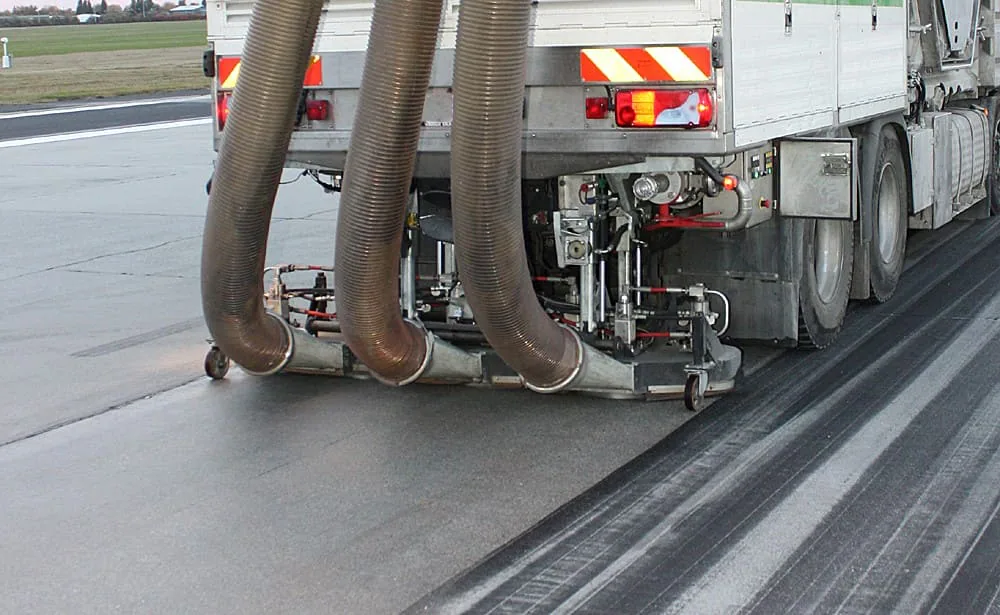
Build the submission around a representative work order. Identify the customer, specified work area, treatment services, equipment, outside providers and completion documents. Include any promise concerning surface condition, waste handling or a deadline. Those facts give the relevant insurance advisers a better basis for review than an unexplained request for a large liability limit.
This guide concerns business insurance preparation. It supplies no cleaning pressure, product selection, treatment setting, friction threshold, vehicle movement or runway reopening instruction. Qualified airport, technical, environmental and workplace personnel must determine those matters. BWI's commercial aviation insurance resources provide context for an individual inquiry; eligibility and offered terms require confirmation for the actual contractor and operation.
Begin With the Exact Removal Service
Describe the activities the business sells, including any work beyond rubber removal. Surface cleaning, marking removal, pavement treatment, measurement and repair should be separately identified when performed. An insurer reviewing one declared activity should not be expected to infer every adjacent service simply because the company uses similar machinery for several kinds of work.
A current pavement service provider's catalog lists rubber removal, friction testing and liquid waste recovery separately. That commercial example shows why the services need explanation. It is not a recommendation of the provider, proof of its current authorizations or a promise that each activity qualifies for insurance through BWI.
State whether the company supplies a complete service or performs one defined stage for another contractor. Include who provides equipment and personnel and whose name appears on the customer agreement. A business holding the airport contract can retain responsibilities even when another organization supplies the machine or performs the removal.
Describe established work and proposed expansion honestly. A road maintenance contractor entering its first airport project should explain the changed setting and actual task. A familiar trading name, experienced crew or existing commercial policy does not independently establish that the insurer has reviewed the aviation operation being proposed.
Identify the Surface and Work Area Without Guaranteeing Its Condition
Provide the work description and appropriate location information requested by the underwriter. Identify whether the project concerns a defined runway area, another airport surface or several phases. The submission should distinguish the contracted boundary from a broader promise to maintain every surface within the airport.
Keep customer supplied instructions and condition information distinguishable from findings your firm undertakes to establish. An airport may identify the area and required work while another specialist evaluates the result. Explain those roles accurately instead of representing every supplied plan or condition statement as independently verified by the removal company.
Describe how additional work is accepted when the customer changes the assignment. A request to remove markings, treat another pavement or provide a professional assessment can change the operation beyond the original removal service. Preserve the scope change and bring material differences for review before relying on an older insurance description.
Qualified personnel must determine the appropriate technical and operational arrangements. The insurance account should show what your firm accepts without declaring a surface safe or selecting a treatment method. An accurate project boundary is useful underwriting information; it is not a substitute for the airport's own decisions and requirements.
Separate Removal Work From Friction Measurement
The FAA lists AC 150/5320-12C as active guidance concerning skid resistant airport pavement surfaces, with published amendments. That official resource supplies technical context. This article does not reproduce its procedures or establish that a particular contractor, machine or completed treatment has current FAA approval.
State whether your firm only performs removal or also collects measurements, interprets results or recommends further action. A customer may purchase those services from separate businesses. If your company sells the combined result, identify how the responsibilities are divided rather than treating the independent tester as an unnamed part of the cleaning invoice.
Ask how proposed terms address physical service allegations and any professional conclusion actually supplied. Damage alleged to a pavement and an inaccurate measurement report can present different questions. A general contractor liability title should not replace examination of the insured activities and relevant wording for the complete declared undertaking.
Identify who receives completion information and who decides what follows. Insurance acceptance does not authorize the contractor to make operational decisions outside its actual role. Keep task completion, an independent technical assessment and the airport's subsequent action distinguishable in the engagement and supporting records.
Review Alleged Damage to Pavement Markings and Fixtures
Describe the property directly worked on and other property that could be affected by the service. Include installed markings, lights or other relevant interests in the factual account without assuming every item belongs to the contracting customer. A runway project can involve several owners, service providers and maintenance responsibilities.
Ask how the offered forms treat damage to property being worked on, surrounding property and any custody arrangement. Relevant exclusions and definitions need review against the actual task. Neither a broad general liability limit nor an aviation policy name establishes the answer for every alleged surface or installed equipment loss.
Keep correction of your own service separate from alleged resulting damage. Repeating a removal pass, replacing a marking, repairing a structure and compensating a customer for interrupted use can involve different demands and policy questions. A single complaint does not establish identical treatment for all requested amounts.
Record observations through the appropriate project process while preserving uncertainty about cause. A later appearance difference should not become an unsupported conclusion that the contractor damaged the pavement. Qualified specialists must assess the technical issue, while the relevant insurance contact evaluates the actual allegations and proposed response.
Explain Collected Water Residue and Outside Disposal Duties
Identify whether your company accepts responsibility for recovered water, residue or other material. State who characterizes it, who transports it and who selects or contracts with a receiving provider. A business describing only the removal machine may omit important obligations appearing elsewhere in the airport agreement.
Ask separately about environmental, transport and liability provisions relevant to those duties. Cleanup expense, physical property damage and a contractual disposal promise are different potential interests. A large airport liability limit should not be treated as confirmation that every release, contamination allegation or receiving facility problem is included.
Qualified environmental and technical advisers must determine applicable handling, classification and destination requirements. This article does not classify recovered material, select a product or provide a discharge method. The submission should describe what the company actually does without using a marketing statement about a process as proof that environmental questions have disappeared.
Keep relevant movement and receiving records connected to the job. Explain whether responsibility ends at collection, delivery or another contractual point. Another provider's receipt or insurance certificate can support the record without automatically protecting the removal company's retained obligations to the airport customer.
Describe the Machine as Work Equipment and a Transport Interest
Provide a factual schedule of the vehicle, installed apparatus, recovery equipment and significant accessories used by the company. Identify owned, financed, leased and borrowed interests. An ordinary vehicle description may not show the value of a specialist system or the operating activity that the business needs the advisers to consider.
Coordinate the declared use with commercial auto, equipment property and aviation insurance contacts. Public road travel, transport on another vehicle and work at the airport can raise different wording questions. Do not infer a universal insurance boundary from the machine having a registration number, wheels or permission to enter the site.
Provide supported values and significant rental agreements. Separate damage to your own equipment from liability for injury or damage to another party. The airport's requested liability certificate does not independently establish protection for a damaged pump, collection system, control unit or replacement machine your company hires to complete a project.
Identify temporary storage and custody periods before and after the work. A rented unit may become your responsibility before the first airport visit and remain so until return. Include continuing hire charges or other commercial obligations for review rather than assuming the physical value of the machine describes every accepted expense.
Review Work Windows and Delay Obligations
Supply the actual completion commitments, standby arrangements and remedies in the customer agreement. An agreed work window, a repeat visit and a promise to reimburse disrupted operations are different commercial undertakings. Have counsel assess those provisions and ask the broker how the proposed insurance relates to the accepted obligations.
Separate a postponed work opportunity from damage to insured property. Weather, customer scheduling and airport availability can delay a service without establishing the event required by an interruption policy. Ask about the particular dependency your company wants considered instead of assuming business income protection pays whenever a planned project cannot proceed.
Explain what the business promises if its equipment becomes unavailable. A replacement arrangement, contracted response time or service credit can create obligations independent of any insurer's decision. Provide the actual agreement rather than describing all scheduling consequences as ordinary operating costs or guaranteed insured losses.
Keep the airport's operating authority separate from the contractor's commercial deadline. This guide gives no work sequence or reopening procedure. The insurance file should identify the real responsibility and any material change without presenting an insurer's acceptance as permission to occupy a work area or determine its operational status.
Identify Materials and Supplier Responsibilities
Describe any products the business supplies or applies, using the detail requested for underwriting. Identify who chooses them and whether the customer supplies an item for your personnel to use. Technical suitability belongs with qualified personnel; an insurance reviewer receiving a product name is not approving its use on a particular pavement.
Explain supplier warranties and the responsibility your company accepts to the airport. A product supplier's commercial promise should not be treated as insurance for all downstream damage or delay alleged against the contractor. Have the relevant agreements reviewed so the submission identifies which obligations remain with your firm.
Keep unused stock, materials at the work site and customer supplied products distinguishable. Ask how property interests, liability allegations and environmental questions are considered under actual offered terms. One amount described as materials insurance may not explain ownership, location or the different consequences the business wants reviewed.
If a product or supplier changes, identify the revised service before relying on the old account. The work may retain its name while its material responsibility changes. Preserve the accepted instructions and relevant supply records so an authorized later reviewer can identify what your company actually provided on the job concerned.
Explain Crew Suppliers and Subcontracted Work
List independent businesses providing operators, machines, testing, material handling or other stages. Identify who contracts with each one and which result your firm adopts. The customer may see a complete removal service while several organizations perform its parts; the insurer needs the underlying relationships as well as the final invoice description.
Ask how the proposal treats your company's liability involving outside work and whether a provider itself is an insured. Those are separate questions. Another firm's certificate, operator qualification or equipment warranty does not automatically establish your insured status or eliminate the obligations retained under your own customer contract.
Describe employees and temporary personnel accurately and bring worker protection questions to the appropriate advisers. This article does not decide classification, training requirements or workplace procedures. An airport liability certificate should not be used as proof that workers compensation and every other employee related obligation have been resolved.
Update the review when providers or responsibilities change. A substitute machine supplied with its operator can differ from equipment hired for your employees to use. Keep legal entities, agreements and evidence aligned with the actual job instead of relying on paperwork describing a previous provider or a different service period.
Keep Completion Records and Later Corrections Distinguishable
Describe how your company links the accepted scope, work area, dates, equipment, supplied products and outside providers to the completion record. Identify any images, measurements or professional statements delivered. This is an account of the service history, not a technical standard for proving that a surface meets an operational criterion.
Preserve what the customer actually received and to whom it was delivered. A later supplement should remain distinguishable from the original report. If another organization performs acceptance testing, identify that separate source instead of presenting its result as a conclusion independently reached by your staff.
If a concern is reported, follow actual notice and cooperation requirements and seek appropriate guidance before agreeing remedies or disposing of relevant material. Reporting to airport management or a general contractor should not automatically be assumed to satisfy an insurer's separate notice process.
At renewal, compare current contracts and activities with the operation originally submitted. Review continuity for earlier work when changing insurers or ending the service. A paid invoice, project acceptance or new policy effective date should not be treated as the sole answer to every later allegation and reporting question.
Test a Fictional Surface and Delay Demand
Imagine a contractor completing a defined rubber removal assignment and delivering its completion record. The airport later reports a surface concern and requests further work, repair of alleged damage and compensation for interrupted use. Another business performed the measurements. These circumstances are fictional, not a BWI claim or a technical finding about the pavement.
The factual inquiry would need the accepted scope, work history, products, equipment, outside provider records and actual allegations. Qualified specialists would assess condition and cause. The customer's request alone should not become an unsupported statement that the contractor caused every reported problem or that the separate measurement service was deficient.
The insurance inquiry would distinguish repeating the contractor's own work from alleged resulting damage, professional allegations if applicable and delay obligations. Use the example before signing the agreement to test whether your application explains those different interests. Actual wording and supported facts determine the assessment; one project does not create an identical response to every requested payment.
Prepare a Runway Rubber Removal Insurance Inquiry
Gather legal business names, service categories, customers, airport locations and representative agreements. Include requested revenue, personnel, equipment, supplier, material and allegation information. Identify established services and proposed additions separately, with complete customer insurance requirements and unresolved responsibility questions visible.
Compare proposals for the same declared operation. Review accepted services, insured entities, relevant exclusions, limits, deductibles, defense, dates and reporting provisions alongside premium. Keep vehicle, environmental and professional questions visible where relevant rather than assuming one certificate supplies every part of a complete business program.
For a new business or renewal review, use BWI's commercial aviation quote request or call 866 788 6291. Bring the service chain from the accepted work area through recovered material and delivered findings. Existing events or demands should follow applicable reporting instructions; an ordinary inquiry does not bind insurance or approve airport work.
Sources and further reading
Continue Reading


