

A runway sweeping contractor should request insurance for the service it actually undertakes, including the equipment, collected material and completion information involved. Routine debris collection is different from accepting responsibility for the airport's whole foreign object debris program. The submission should make that boundary clear before the company promises a customer that a liability certificate addresses every possible aircraft allegation.
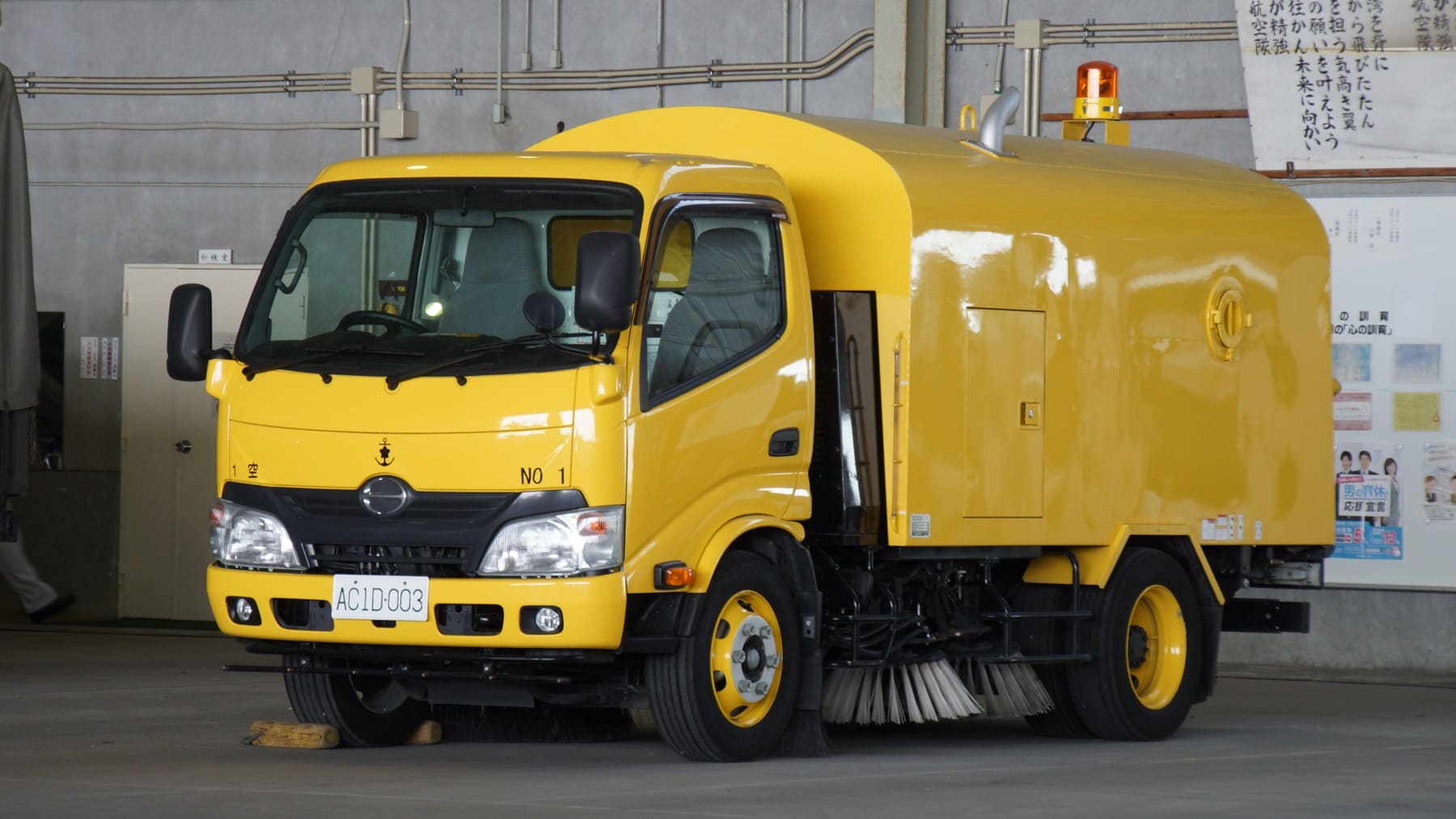
Start with the work agreement and a factual service description. Identify the customer, surfaces served, recurring or callout arrangements, machines and people supplied, material responsibilities and any reporting duties. Then ask the relevant advisers how offered terms address the disclosed activities. A contract price or vehicle registration does not independently establish the business's aviation insurance position.
This guide addresses insurance preparation for an independent sweeping business. It supplies no sweeping speed, vehicle route, access procedure, detection method or runway reopening decision. Qualified airport, technical, environmental and workplace personnel must establish those matters. BWI's commercial aviation insurance information can support an individual discussion; actual eligibility and terms require confirmation for the contractor and its accepted services.
Define the Sweeping Contract Beyond the Vehicle Description
Describe the actual tasks: collecting ordinary surface debris, supporting construction cleanup, providing a machine with its operator or another defined undertaking. List additional services separately when performed. Rubber removal, snow and ice work, spill response, drainage cleaning and pavement repair should not disappear inside the same general description simply because one business offers several airport services.
A primary operated sweeping provider describes services for runways, ramps and taxiways as well as public areas. That establishes a genuine commercial category with different work settings. It is not an endorsement of the provider, verification of its credentials or proof that another applicant can offer equivalent work. Prepare the insurance account from your own accepted contracts and established capabilities.
Identify whether the customer contracts directly with your company or through a maintenance or construction business. Explain who supplies the operator and machine, who accepts changes and which entity invoices the work. The company whose brand appears on the vehicle may differ from the legal business accepting the agreement. Give the reviewer the actual relationship instead of a photograph and trading name alone.
Separate One Service From the Airport FOD Program
The FAA's active AC 150/5210-24A resource describes guidance for airport foreign object debris programs and removal equipment. That is technical context for the responsible airport professionals. This article does not reproduce the circular, apply its equipment specifications or determine whether a contractor's work meets the requirements of a particular airport.
State whether your company performs sweeping only, makes observations, supplies reports, advises on a program or accepts broader oversight. Those are different responsibilities even where the same employee discusses them with the customer. A service contract for specified cleaning should not be described as managing every source of debris across the airport unless that broader undertaking is genuinely accepted and reviewed.
Identify who determines the work area and who makes operational decisions after the service. A contractor's completion record and the airport's subsequent decision are different things. Ask about professional advice or assessment where it forms part of your actual offering. Insurance acceptance does not appoint the business to an airport management role or authorize reopening a surface.
Distinguish Recurring Work From a Particular Cleanup
Explain whether the business provides a recurring service, a defined construction-related cleanup or attendance when called. Identify the commitment the customer purchases. A company hired for one visit should not submit an application implying continuous inspection, while a business accepting regular attendance should explain that arrangement rather than describing only the hours its machine is actively working.
Provide the actual service commitments and exceptions to counsel for contractual review. For insurance, ask how the declared activity and relevant allegations fit the proposed wording. Missing a scheduled attendance, being unavailable when called and allegedly leaving material after completing work can involve different factual and commercial questions. Do not treat them as an identical presumed liability benefit.
Keep changes connected to the original account. A contractor supporting a temporary construction project may later receive an airport-wide maintenance request. The new scope should receive appropriate technical, legal and insurance assessment before the business relies on earlier evidence. An unchanged vehicle and operator do not establish that the accepted responsibility remains the same.
Describe the Surfaces Served Without Supplying Movement Instructions
List the actual locations and types of area requested for underwriting. Work on public access roads, parking areas, aprons, taxiways and runways should be understandable in the submission. Explain the proportion and nature of the work using supported information rather than calling every assignment ordinary road sweeping because the machine can travel on public streets.
Identify which organization controls the site and how your company receives its work instructions, at the factual level appropriate for an application. Qualified airport personnel must establish access and movement requirements. This article provides no radio procedure, route selection or work sequence. The insurer needs an accurate business description; it is not the authority determining when the contractor may enter an operating area.
Describe changes in airport customers or work locations before treating a previous response as acceptance. A subcontract at another site can involve a different agreement, customer and property setting. Ask what information the relevant insurance contacts need and retain the final accepted terms. Permission from the site operator and confirmation from an insurer should remain attributable to their separate purposes.
Ask About Aircraft Allegations Even Without Aircraft Custody
State whether the sweeping company ever moves, services or takes possession of aircraft. If it does not, make that boundary clear. Nevertheless, ask the insurance reviewer how the actual proposed forms address allegations involving aircraft arising from the disclosed surface service. The absence of an aircraft handover does not supply a complete answer to every possible third-party demand.
An aircraft operator might allege that material remaining in a contracted area caused damage. That allegation would require an examination of the facts and terms; this article does not determine causation or responsibility. Distinguish the location, timing, service undertaken and information supplied rather than assuming that any later debris finding proves the contractor failed to perform its agreement.
Provide supported aircraft or other property information requested by underwriting, with uncertainty clearly identified. The fee for sweeping does not communicate every potential property interest. Ask about relevant limitations, exclusions and defense provisions, without assuming that a large general liability amount or a policy described as aviation establishes an unrestricted response to every aircraft-related allegation.
Keep Vehicle Equipment and Work Interests Separate
Prepare a schedule of vehicles, installed sweeping apparatus, collection equipment and significant accessories. Identify ownership, finance and rental interests and provide supported values as requested. A standard road-vehicle entry may not communicate the value or declared use of a specialist system, while an airport liability inquiry does not independently insure the company's own machinery.
Coordinate the account with commercial auto, equipment property and aviation insurance contacts. Explain public road travel, transport by another vehicle, airport work and temporary storage. Those activities can raise different questions under actual forms. Do not decide the boundary solely from the machine having wheels, a license plate or a customer instruction to attend an airport.
Include continuing rental obligations and the circumstances in which the business hires a substitute unit. The cost of repairing owned equipment, paying a rental owner and fulfilling a customer deadline are different financial interests. Provide the relevant agreements and ask which offered terms address each request rather than treating the vehicle's market value as the complete insurance requirement.
Explain What Happens to Collected Material
Describe whether the contractor collects, holds, transports or arranges disposal of material from the job. Identify which party determines its character and selects the receiving provider. A description limited to removing debris from pavement can omit obligations retained after the machine leaves the site. State the actual activities without assuming every material is ordinary waste under the same requirements.
Qualified environmental, transport and technical advisers must determine applicable handling and destination requirements. This guide does not classify collected material or supply a disposal method. For insurance, explain the accepted role and ask how the proposed arrangements address any relevant environmental, transit or third-party property interests. A customer receipt does not automatically answer every retained contractual question.
Keep a special cleanup request visible as a possible change in service. Collection after a spill, work involving construction material and ordinary recurring debris sweeping may require different descriptions. Do not represent a planned specialist capability as established merely to satisfy a contract deadline. Provide confirmed facts and identify questions still awaiting the responsible professionals' assessment.
Identify Construction Support and Other Contractors
Explain any work performed for a construction prime contractor rather than directly for the airport. Identify who accepts the cleanup scope, who communicates changes and whether the sweeping business works before, during or after another provider's activities. The insurance submission should show the contractual relationship without prescribing a construction sequence or accepting responsibility for work outside your agreement.
Provide relevant subcontracts and incorporated insurance requirements. Ask how the proposed terms address liability involving your declared work and allegations connected with other providers. Another company's certificate does not automatically make your business an insured or remove duties it has accepted. Counsel should assess the commercial obligations while insurance professionals examine what supported evidence can be issued.
Describe outside operator or machine suppliers accurately. Hiring equipment without an operator differs from engaging another company to provide the complete attendance. Explain supervision and retained responsibilities as actually arranged. Include temporary personnel through the appropriate employment review rather than assuming an airport liability certificate resolves workers compensation and every other obligation to the people performing the work.
Show the Mixed Business and Its Financial Dependencies
If the company also works on highways, industrial sites or municipal contracts, provide the requested activity breakdown rather than presenting the entire business as airport work. Explain which legal entity supplies each service and whether the same equipment moves between them. The advisers reviewing aviation liability, vehicle use and business property should receive a consistent account of the actual operation.
Identify essential equipment and other dependencies when asking about business interruption. Repair expense, lost revenue, substitute hire and contractual service credits are different interests. A missed attendance caused by an unavailable machine does not by itself establish the event required by any offered policy. Present the concern and ask what terms, if any, address it instead of assuming every unfulfilled customer commitment is insured.
For standby arrangements, state what is paid for availability and what is charged for completed work, using the information requested for underwriting. Avoid counting the same revenue twice across several service categories. If the accounts cannot support a precise allocation, identify the estimate and its basis. Keep renewals comparable by using the same period, currency and scope in each proposal.
Review Completion Statements and Customer Guarantees
Identify what the business tells the customer at the end of attendance. A record of a completed sweeping task differs from a professional conclusion that an entire operating area is free of every potential hazard. Provide actual forms and contractual language for review. The article does not recommend a technical inspection standard or establish that one form of wording is legally sufficient.
Have qualified counsel assess guarantees about results, availability, interruption and reimbursement. Ask the insurance contact how the proposed terms address the accepted obligations. Repeating the service, issuing a credit, repairing allegedly damaged property and paying a customer's commercial demand are separate questions. A liability limit should not be marketed as a fund for every performance promise the sales agreement contains.
If a customer requests a broader statement after the work, identify the additional undertaking before supplying it. An informal email can describe a different service from the original order. Keep the actual record and any later supplement distinguishable, with the appropriate professional review. Do not rewrite the history so the first attendance appears to include a conclusion that was never part of the accepted task.
Preserve the Service History if a Concern Is Reported
Connect the accepted instruction, location, attendance dates, machine, operator and completion information to the individual job. Include relevant outside providers and collected-material records. This is a factual account supporting an insurance inquiry, not a claim that documentation prevents every dispute or proves the absence of debris at every later moment.
If a customer reports damage or another potentially relevant demand, follow actual notice and cooperation requirements. Describe the allegation separately from verified findings and preserve original communications. Reporting to an airport supervisor or construction manager should not automatically be assumed to satisfy a policy's separate reporting process. Seek guidance through the account-confirmed contact when the wording or route is uncertain.
Coordinate proposed examinations, repairs and disposition with the responsible technical professionals and insurance contact. Do not promise reimbursement or settle on an insurer's behalf without authority. A need to address an immediate operational concern and a decision about insurance payment involve different responsibilities. Keep the urgency and proposed action clear while preserving the underlying record.
Test a Fictional Post Construction Debris Demand
Imagine a contractor hired to sweep a defined area after another business completes construction work. It records the attendance and supplies the agreed completion information. Later, an operator reports aircraft damage and alleges debris remained in the area. Other work occurred between the attendance and reported event. These facts are fictional, not a BWI claim, an assessment of cause or evidence of a particular policy response.
The useful review would examine the accepted area and service, actual chronology, parties working at the site, completion information and specific allegation. Qualified investigators would address technical findings. The customer demand should not become an unsupported conclusion that the sweeping company controlled every later condition or that another contractor necessarily caused the reported event.
For insurance, distinguish any alleged physical damage, claimed loss of use, requested repeat service and broader performance demand. Give the relevant agreements and final policy terms to the appropriate reviewers. The example helps identify missing facts before a contract is accepted; it does not decide legal responsibility, operating authority or the amount an insurer would pay.
Prepare a Runway Sweeping Insurance Review
Gather legal business names, locations, customers, actual service categories, requested revenue information, staffing and equipment details. Include representative agreements, material responsibilities, outside providers and completion statements. Identify recurring obligations, callout commitments and any advice or assessment supplied. Explain proposed airport work separately from established road or public-area services.
Compare proposals using the same undertaking and property account. Examine accepted services, insured entities, locations, limits, exclusions, defense treatment, deductibles and reporting requirements alongside premium. Keep unresolved environmental, vehicle, professional and employer questions visible. A lower price based on a narrower service description is not an equivalent comparison until the difference has been reviewed.
Use BWI's commercial aviation quote request for a new inquiry or renewal discussion. Existing policyholders should use confirmed account channels for changes and reported matters. A useful submission follows the service from the accepted work area through collection and completion information, without treating a sweeping contract, certificate or quote inquiry as authority to operate or confirmation that insurance has been bound.
Sources and further reading
Continue Reading


