

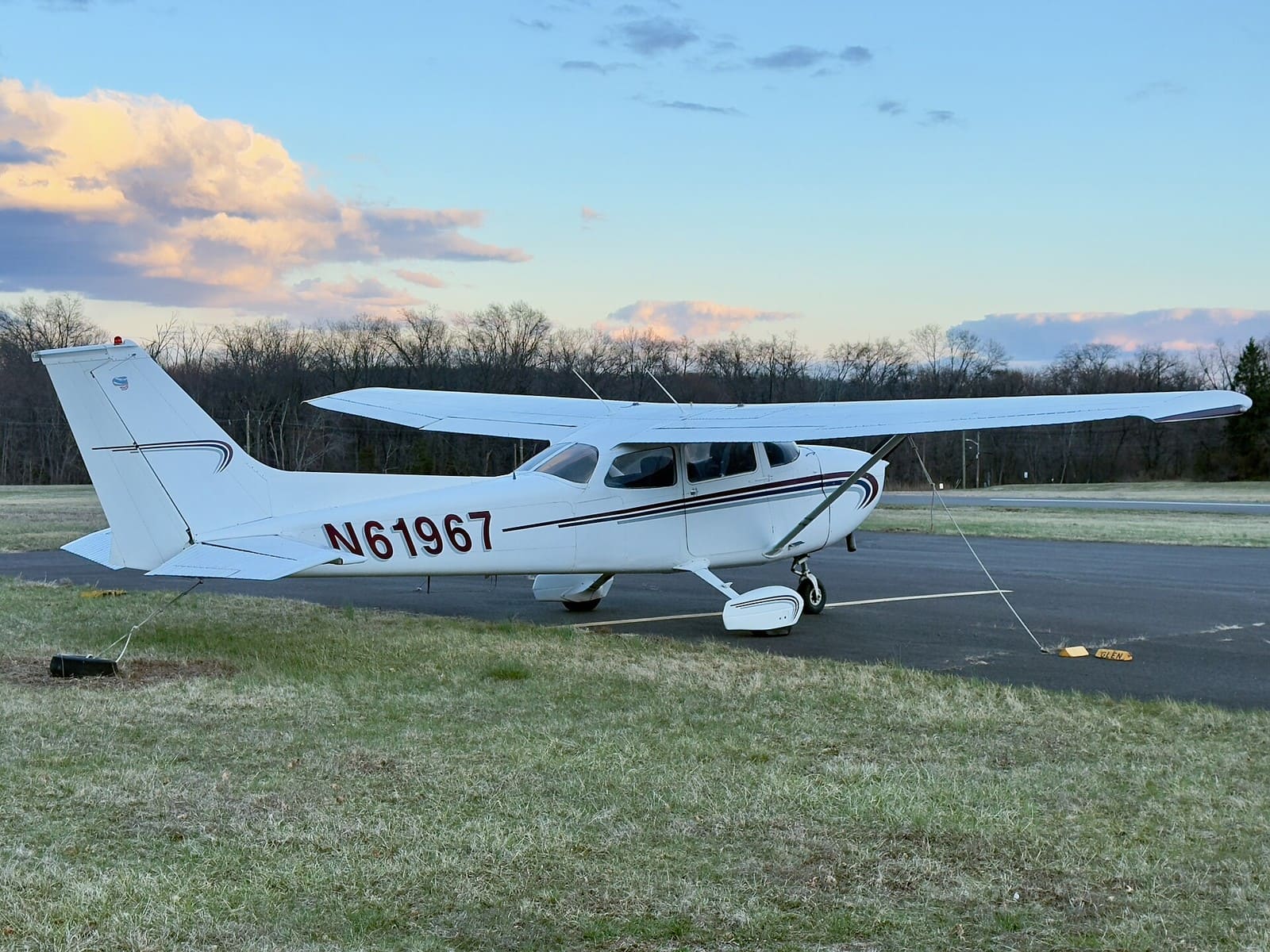
Living beside your airplane changes the setting for an aircraft insurance review. Tell BWI that the airplane is based at a residential airpark, identify its storage arrangement and describe how you use the property. The aircraft, residence, hangar and shared airfield can involve different owners and policies. A familiar home address does not make those interests identical or establish that one policy protects everything at the location.
Start with the airplane and your actual responsibilities. Explain where it is kept, who owns the hangar, how the aircraft reaches the shared airfield and which agreements govern your use. Ask how the issued aircraft policy applies to those facts. Then coordinate the other property and liability questions with the appropriate insurance advisers rather than assuming aircraft coverage replaces a residence, building or association program.
This guide is for an aircraft owner living at an airpark. It is not a guide to operating a private airport, choosing a runway or interpreting property covenants. Qualified aviation, property and legal professionals must address those subjects. The insurance submission should accurately describe the accepted arrangements without claiming that a policy or certificate supplies property rights, operating permission or a technical clearance.
For broader insurance information, see BWI aircraft insurance. Include the specific circumstances described in this guide when requesting an individual review.
Identify the airplane and its actual home base
Give BWI the aircraft identity, ownership, current use and requested insured value. Explain whether the airpark will be a permanent home base or a temporary arrangement. Include the location information requested for the submission and distinguish the residence address from a different mailing or ownership address. The reviewer needs to understand where the aircraft is physically kept, not simply where the owner receives renewal correspondence.
Describe the storage provided for the airplane. An attached hangar, detached building, shared space or outdoor parking arrangement can involve different facts. State who owns or controls that space and provide the agreement where another party supplies it. Avoid calling every building a private hangar if a business, association or neighbor actually controls some of the area or has responsibilities affecting the aircraft.
If you are moving into the community, identify the planned arrival date and what remains unsettled. The house purchase, hangar possession and first aircraft arrival may happen on different dates. Ask which information is needed before the change and retain any accepted policy update. A property closing document does not independently change an aircraft policy’s description or establish the effective terms of coverage at the new base.
Separate the aircraft from the buildings and household property
Ask about the airplane under the relevant aircraft terms, while reviewing the residence and buildings under their own appropriate policies. A building containing an airplane is not the airplane itself. Likewise, an aircraft policy should not be assumed to insure a home’s structure or personal contents. Identify the property interests clearly so the people reviewing each policy know what the other parts of the arrangement actually include.
List tools, spare parts and equipment that are important to the arrangement. Some may belong to the owner personally, another business or a maintenance provider. Explain their purpose, ownership and location when requesting the appropriate review. Do not assume every item in the hangar is part of the insured aircraft value, or that a household contents description automatically accepts property used in an aviation business.
Where a building is financed, leased or jointly owned, supply the interests and requirements relevant to its insurance discussion. Those details may differ from the aircraft financing arrangement. Keep the records distinct rather than naming a lender on an aircraft document solely because it financed the house. Each policy and evidence request should reflect the actual interest the document is intended to address.
Read the airpark agreements for your actual obligations
Obtain the current association rules, access agreement and insurance requirements applicable to your property and aircraft use. A salesperson’s summary can be useful background, but it does not replace the governing documents. Send relevant wording for appropriate insurance and legal review. Identify obligations involving other parties, damage, indemnity or requested insured status instead of assuming membership in the community answers those questions automatically.
Clarify which legal entity controls the shared airfield and which entity requests insurance evidence. An association, airport owner and property management company may have different roles. Use the actual names supplied in the documents. A community name used on a welcome sign may not be the entity that belongs on a certificate, and an old document from another owner may describe a different arrangement.
If the requested insurance condition cannot be met as written, address it before representing compliance. The parties may need clarification, revised wording or another appropriate solution. A certificate reflects insurance information; it does not create coverage or erase a conflicting obligation in the property agreement. Retain the accepted requirements and corresponding evidence so later renewals do not repeat an unresolved assumption.
Compare the interests at an airpark home
Use the following comparison to organize discussions with the relevant advisers. It separates the aircraft, private buildings and shared facilities rather than treating an airpark address as one uniform insurance subject. The comparison is not a conclusion that every listed interest can be insured under one product. Actual availability and protection depend on the policies, property relationships and activities involved.
For each interest, identify who owns it and who has agreed to maintain or insure it. If the answer is uncertain, obtain the supporting agreement instead of guessing. This is particularly helpful when a hangar shares a wall with a residence or an access surface serves several properties. Physical proximity alone does not establish the contractual or insurance responsibility for an item.
| Airpark interest | Responsibility to identify |
|---|---|
| Aircraft | Actual owner, use, location and requested protection |
| Residence | Household property and relevant separate policy review |
| Hangar | Building owner, equipment and storage arrangements |
| Shared facilities | Controlling entity and governing agreements |
| Activities | Aircraft movements, visitors and any business services |
| Evidence | Accepted requirements, issued documents and changes |
Describe movement between the hangar and shared airfield
Explain the property arrangement and who may move the aircraft. The route may involve private property and shared facilities under different control. The insurance reviewer needs the actual circumstances without being asked to determine whether a route is suitable for aircraft operation. Appropriate aviation and property professionals must address operating permissions and technical considerations independently of the policy discussion.
If another person will regularly move the airplane or help with it, describe that arrangement accurately. Permission from the owner, pilot acceptance and a contractor’s responsibilities can be different subjects. Do not assume a neighbor qualifies for every activity under your policy simply because that person is an experienced resident. Ask the relevant question using the actual person, aircraft and proposed role.
Keep paid services distinct from informal assistance. A maintenance business, aircraft management provider or other contractor may have its own agreement and insurance needs. Provide relevant documents when the arrangement affects your responsibilities. The fact that the service takes place at your home should not obscure an aviation business activity or cause another party’s obligations to disappear from the submission.
Review visitors and activities around the hangar
Describe significant activities connected with the aircraft and property. The hangar may be used for private storage, maintenance by a provider or gatherings involving visitors. Ask the appropriate advisers how the actual activities fit the relevant policies. Do not assume that living at an airpark makes every event at the property an insured aviation activity or that private aircraft coverage replaces other premises protection.
If you host an aircraft display, offer rides or allow another business to use the space, identify that as a separate undertaking needing review. A policy accepted for your normal ownership arrangement should not be presented as acceptance of an added activity the insurer has not been told about. Give the reviewer the actual plans, participants and agreements rather than a general description that the hangar will be busy.
Where another resident or visitor brings property into your custody, explain what you are agreeing to do. Temporary storage, permission to park and responsibility for safeguarding an aircraft may involve different obligations. Obtain appropriate advice before accepting a broad promise to reimburse any loss. Insurance should follow the actual arrangement, while the parties should understand who is responsible for the property and on what basis.
Identify aircraft and hangar use that generates income
Tell BWI about any business use of the airplane and disclose relevant activities taking place in the hangar. Customer work, storage for others, instruction or other services can differ from private ownership. A residential mailing address does not turn a business activity into household use. The submission should reflect what you actually do and which entity contracts with the people receiving the service.
If an entity owns the airplane while you own the residence personally, keep those relationships clear. Name the actual aircraft owner and explain your role. The people insured, property interests and liability questions may differ across the arrangements. Do not substitute the name appearing on the house deed for the aircraft owner simply because both are part of your overall financial planning.
Before starting an additional business activity, review the relevant property restrictions and insurance questions through their respective advisers. An insurance response cannot amend association rules or a property agreement. Conversely, permission from the association does not independently change a policy. Keep the accepted decisions and effective documents together so the activity begins with a defined arrangement instead of conflicting assumptions.
Coordinate shared facility questions with the responsible entity
Ask the association or facility owner for the information relevant to your obligations, using the current governing documents. Its insurance may address shared property or its own liability, but the existence of that program does not establish coverage for your airplane. Request an explanation of your own responsibilities and have the relevant requirements reviewed without assuming the association’s limit is available to protect every resident’s separate interests.
If a shared facility changes ownership, management or rules, identify whether your agreements or evidence requirements change. The aircraft may remain in the same hangar while a material contractual condition changes around it. Tell the reviewer about the actual revised obligation. Do not assume that a location remaining physically identical means every policy and document question has already been answered.
Keep communication factual when a maintenance or property issue affects the aircraft. Identify the responsible source, location and proposed arrangement rather than making an unsupported technical conclusion. If you must temporarily base the aircraft elsewhere, provide the revised location and dates for appropriate review. A disruption to a shared facility should not leave the continuing aircraft insurance record describing a plan you are no longer following.
Prepare for a loss involving more than one interest
An event at an airpark can involve the airplane, a building and another person’s property. Identify the reported circumstances and follow the notice instructions for each applicable policy. Reporting to an association or a building insurer should not be assumed to satisfy the aircraft policy’s requirements. Keep reference numbers and contacts organized so the separate reviews can receive consistent facts without being confused with one another.
Preserve available records and coordinate proposed work with the appropriate claim contacts and qualified providers. A contractor may need to address a building while a different professional assesses the airplane. An acknowledgment from one insurer does not establish approval of every task or expense under another policy. Ask specific questions about the work proposed and retain the actual responses.
Do not assign fault or promise reimbursement on behalf of a neighbor, association or insurer. Obtain appropriate guidance when demands or releases arrive, particularly where several interests are involved. A cooperative discussion can remain factual while the responsible professionals investigate. Keep the complete communications and agreements so the review is supported by the real record rather than an informal allocation of responsibility made immediately after the event.
Keep the record current after you settle in
Review changes to the aircraft, hangar arrangement and use when preparing a renewal submission. A move often begins with temporary plans that later become permanent. Update the actual storage and activities rather than repeating the description from the first month at the airpark. Use supporting information and explain material differences so the policy discussion follows the ownership arrangement as it now exists.
If you sell the property but retain the airplane, or keep the home while moving the aircraft elsewhere, describe those changes separately. Residence ownership and aircraft location do not necessarily change together. Retain the accepted policy updates and ask when they become effective. The insurance record should not depend on the assumption that a property transaction automatically notified everyone responsible for the airplane’s continuing protection.
Ask about assessments and shared deductibles by name
If an association agreement can require residents to contribute to a shared loss, obtain the actual wording and have it reviewed appropriately. A contribution, special assessment or allocation of a building deductible is not necessarily the same insurance question as damage to your own airplane. Do not assume an aircraft liability limit or a household policy accepts the obligation simply because the assessment follows an event at the airpark.
Identify which property and agreement the demand concerns, who is making it and the basis supplied. Ask the relevant advisers about the specific obligation under the policies actually in force. Keep the complete notice rather than only the amount appearing on a payment request. If the responsibility is disputed, seek appropriate guidance before accepting a final allocation or promising reimbursement. A clear record allows the insurance and contractual reviews to address the real demand without treating a community invoice as proof of either legal responsibility or covered aircraft damage.
A fictional residential airpark move
Consider an owner buying a home with an attached hangar while an entity continues to own the airplane. The owner supplies BWI with the actual aircraft ownership, planned arrival and storage arrangement, and separately has the building and association requirements reviewed. The submission distinguishes the house lender from the aircraft financing interest and uses the association’s legal name for the relevant evidence request.
After moving, the owner considers storing a neighbor’s airplane for several weeks. That is raised as a new custody question instead of being assumed part of ordinary residential use. This fictional example illustrates clear responsibilities, not a BWI customer, a property recommendation or a promise of coverage. Actual protection depends on the real documents, activities and policy terms.
Questions owners ask about airpark insurance
Does homeowners insurance cover my airplane in the hangar
Do not rely on that assumption. Ask the appropriate adviser to review the actual household wording and maintain a separate discussion of the aircraft’s protection. An attached building and the airplane inside it are different interests. Identify both clearly rather than treating the home address as proof that a household policy accepts the aviation property or activity.
Does the airpark association policy replace my aircraft policy
Its existence does not establish protection for your separate aircraft interest or liabilities. Obtain the relevant agreements and ask what responsibilities belong to the association and to you. Review your own aircraft arrangement with BWI. A shared facility’s certificate should not be represented as proof that every resident’s airplane and activities have been accepted under that policy.
Should I disclose work performed from my residential hangar
Yes. Describe actual business and aviation activities to the appropriate insurance advisers, including the entity performing the work and any customer property involved. Residential location does not independently determine how an activity is treated. Ask about the specific services and responsibilities instead of assuming private storage coverage accepts every use of the building.
Can I use last years association certificate after a move
First check the actual entity, location, requirements and accepted policy information. A different property or revised agreement may need updated review and evidence. Request accurate documents for the current arrangement. An old certificate should not be used to imply acceptance of facts or obligations that were absent from the submission on which it was based.
Request a residential airpark aircraft review from BWI
Request an aircraft insurance review and quote from BWI with the airplane details, actual ownership, airpark location, storage arrangement and proposed use. Include relevant agreements and insurance requirements. Identify any shared facilities, regular aircraft movement by others, customer property or business activity that changes the circumstances of your ownership.
Coordinate building, household and association questions with the responsible advisers and keep the resulting interests distinct in your records. Protection depends on the actual policies and circumstances. A clear aircraft submission helps BWI review how you own, store and use the airplane at the airpark, while the other property and operating decisions receive their own appropriate attention.
Sources and related resources
Continue Reading


