

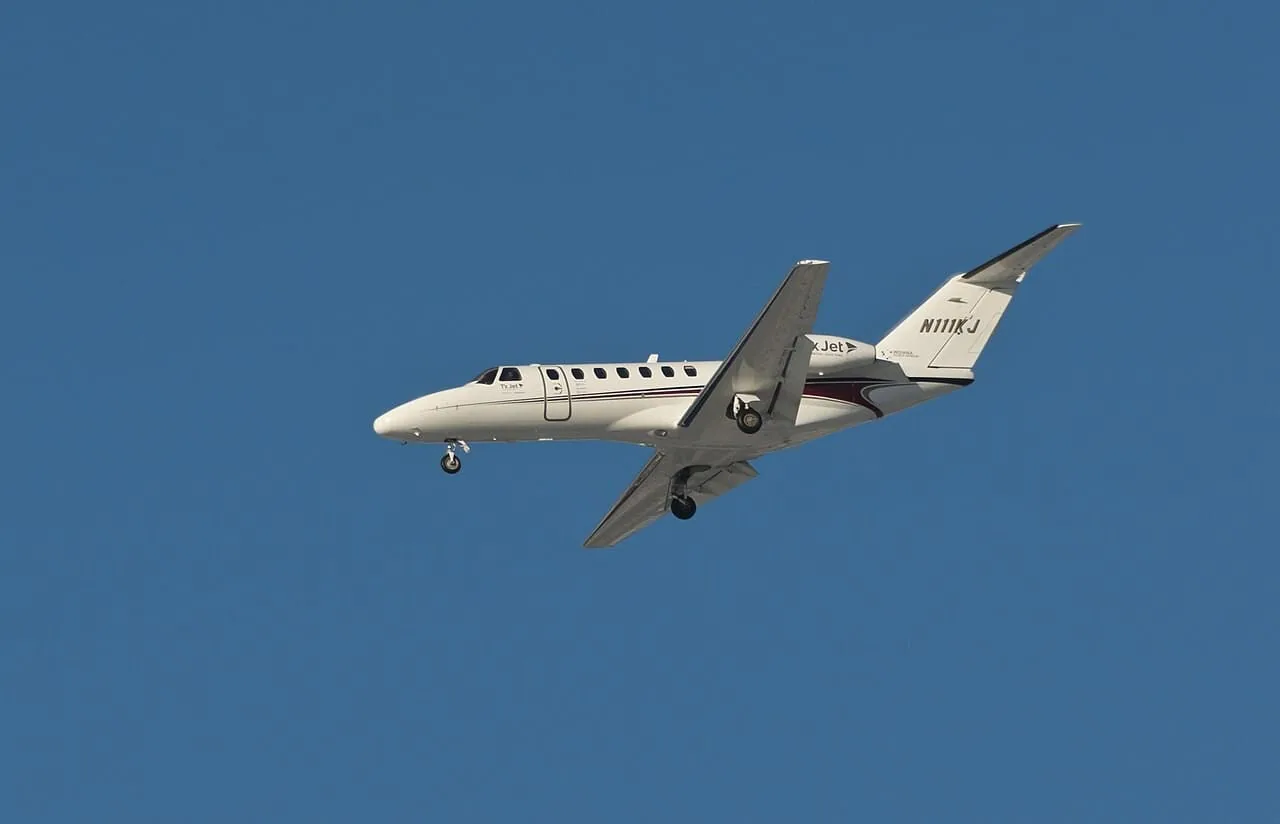
Aircraft insurance for aerial photography and survey work should describe the actual manned-aircraft operation. A business selling photographs from an airplane, a company collecting survey data and an owner occasionally carrying a camera can have different activities and responsibilities. The camera is only one part of the submission; the aircraft, people, contracts and promised output also matter.
Start by describing the service the customer buys and who supplies each part of it. Identify the aircraft operator, pilot, equipment owner, photographer or sensor operator and any business interpreting the results. Then separate flight liability, aircraft damage, equipment property and allegations about professional services. Those interests should not disappear inside a broad request for commercial coverage.
This guide focuses on manned aerial work. BWI’s drone photography resource addresses the separate unmanned starting point. Bring a manned operation to BWI’s commercial aviation insurance team and confirm whether the actual operation can be considered. Insurance does not establish operating authority or technical suitability.
Define the Customer Service Before the Aircraft Use Label
Explain whether the assignment supplies photographs, video, raw sensor data, a processed model or an interpretation. A photography contract and a survey deliverable can contain different promises even if both use images collected from the same airplane. The insurance application should reflect what the business actually agrees to provide, including material work performed after the flight.
Identify the customer type, general service area and current versus proposed activities. If the operation is expanding from marketing photography to technical data collection, say so. An earlier submission describing one service should not be treated as approval for another simply because the business name and aircraft have not changed.
Keep the factual description consistent with proposals, invoices and sales materials. A reviewer cannot evaluate a technical service omitted from the application, and an application should not suggest professional qualifications the business does not have. Describe the actual work and have qualified personnel address any professional or operating requirements.
Make the Commercial Flight Arrangement Explicit
Identify who owns the airplane, who operates it and who contracts with the customer. Explain whether the operator provides a complete service or supplies only the aircraft and pilot to another business. The payment route and agreements help describe the arrangement, but no single commercial label should substitute for the actual facts.
If an existing policy was arranged for personal use, bring the proposed work for review before relying on it. Do not assume that business-related flying language automatically accepts every paid aerial service. The offered permitted-use provisions and other relevant terms need to match the activity actually contemplated.
Use qualified aviation and legal advisers to determine the operating framework for the particular service. An insurer’s willingness to consider the risk does not grant permission for a flight, a location or an aircraft modification. Keep those reviews separate while ensuring that each uses the same current description of the operation.
Identify Every Person Aboard and Their Role
The pilot, photographer, sensor operator, observer and client representative may have different relationships to the operator. Describe the people expected aboard and the duties they actually perform. Do not decide their insurance classification merely by calling everyone crew or everyone a passenger in ordinary conversation.
Ask how the actual offered definitions and liability provisions treat the declared roles. An individual’s technical expertise or employment by the client does not automatically establish insured status. The review should identify whose protection is being considered and which relevant limits, exclusions or conditions apply to that person or activity.
If the staffing arrangement changes, bring the new facts back for review. An additional client representative or an outside equipment specialist may alter the description originally supplied. Operational personnel should separately determine qualifications, seating, equipment use and safe conduct. The insurance file should accurately describe those decisions without attempting to replace them.
Separate the Main Insurance Interests
| Interest | Information to provide | Question for the actual offer |
|---|---|---|
| Aircraft physical damage | Aircraft, configuration, value and ownership | What property and operating periods are addressed? |
| Flight liability | Operator, pilots, people aboard and intended use | Which actual activities and insured parties are included? |
| Camera and sensor property | Owner, value, installation and custody | Is equipment included, scheduled separately or outside the offer? |
| Professional deliverables | Promised output and interpretation work | Does a separate service error review apply? |
| Client requirements | Complete written insurance clauses | Which requested terms can be supplied? |
| Ground and wider business activity | Locations, staff and outside services | Which separate policies or reviews are needed? |
The table organizes the inquiry rather than describing an automatic policy package. One commercial aviation proposal may leave some interests for another review or the business’s retained responsibility. Record actual responses and unresolved items instead of assuming the existence of a flight liability limit answers every row.
Describe Camera and Sensor Equipment Accurately
Prepare an equipment schedule identifying ownership, proposed value and the relationship to the aircraft. Separate installed equipment from portable property and identify rented, borrowed or customer-owned items. A total aircraft value does not establish that every camera, lens, sensor, computer and accessory used by the business belongs in the same insured property definition.
Explain where the equipment is kept when not in use and who has custody between assignments. Property at a service facility, in a vehicle or at a customer’s location may need different factual attention from equipment installed in the airplane. Ask how the actual offered terms address those interests and stages.
For a rented sensor, prepare a dated custody record covering collection, transport, installation if applicable, use, removal and return. Identify who owns the item at every stage and who is responsible under the actual agreement. Keep its identifier, accessories and stated replacement charge with the equipment schedule, while marking any unresolved valuation question. If the client supplies a different unit shortly before the assignment, send the revised description for review instead of assuming the earlier response follows the substitute. Technical personnel should separately address compatibility, installation and operating requirements. This record helps the insurance adviser compare the proposed property interest and timing with actual offered terms. It does not establish that transportation, installation damage, lost data, late return or every contractual charge is covered. Keep each of those concerns visible as a separate question.
Provide the relevant rental, loan or service agreement if another party owns the equipment. A contractual replacement charge may differ from the value accepted by an insurer. Deposits, late-return charges and downtime costs should be identified separately rather than added mentally to an assumed equipment-damage payment.
Keep Modification Approval Separate From Insurance Acceptance
If the work involves installed camera equipment or a changed aircraft configuration, describe the actual installation and supporting documentation requested for review. Have qualified technical personnel establish the appropriate approval, maintenance and operating requirements. This guide does not supply installation instructions or determine whether a particular modification is acceptable.
The FAA’s supplemental type certificate resource explains a design-approval route for modifications. It does not mean every camera installation needs that same route or that an insurance submission establishes compliance. Use the actual aircraft and modification with the appropriate aviation professionals.
For insurance, ask whether the accepted aircraft and equipment descriptions reflect the configuration actually used. If a system is added, removed or substituted, bring the changed facts for review. An earlier quotation for an unmodified aircraft should not be assumed to accept every later equipment arrangement automatically.
Present Pilot Experience for the Actual Assignment
Collect the current qualifications, relevant experience, training and history requested for the intended pilots. Distinguish completed records from planned training. Describe the actual aerial work and aircraft rather than relying only on a total-hours figure that may omit material information about the proposed operation.
Ask how the actual offer addresses the pilot group and any acceptance conditions. A pilot who may legally operate the airplane is not automatically accepted under every insurance contract. Similarly, insurance acceptance does not replace the operational qualification review. Both need to be complete for the activity on which the business intends to rely.
Explain relief pilots or outside pilot services if used. Provide the agreements and relevant evidence requested by the reviewer. An outside provider’s insurance does not automatically resolve the operator’s own interests, the aircraft owner’s property concerns or the client’s contractual requirements. Keep each relationship clear in the submission.
Separate Image Capture From Professional Interpretation
A client may allege that an aircraft incident caused property damage, or that a delivered analysis was inaccurate and caused financial loss. These are different factual questions. Describe the actual allegation or concern and ask which offered policy addresses it. A flight liability heading should not be assumed to answer every complaint about the finished service.
If another business performs analysis, identify who contracts for that work and how responsibilities are allocated. Do not assume its participation removes the operator’s contractual obligations or makes the analyst an insured under the aviation proposal. Have the relevant legal and insurance advisers evaluate the actual service agreements and offered terms.
If the business only supplies images and does not provide technical conclusions, state that accurately and keep the customer scope consistent. If it does supply interpretations or recommendations, disclose them. The distinction should follow the actual work, not a label selected to obtain a more convenient insurance response.
Review Customer Requirements Before Promising Compliance
Obtain the full written insurance requirement, including referenced schedules. A client may request limits, particular insured status or other terms beyond an ordinary certificate. Send the actual wording early enough for review. A requested provision is not established merely because it appears in a purchase order or service agreement.
Have qualified counsel interpret indemnities, warranties and other contractual promises. The insurance adviser should explain what the actual offered wording can address. Signing an agreement does not broaden a policy, and a certificate should not be used to imply a right that the policy does not provide.
Keep the final requirement, response and issued evidence together for the specific job or relationship. If the client, scope or parties change, revisit the earlier answer. Evidence prepared for one assignment should not be reused as if it proves compliance with every later contract carrying a similar photography description.
Describe Bases Temporary Locations and Outside Support
Explain the normal base, relevant temporary locations and support arrangements. The insurer needs a factual description of where the aircraft, equipment and people operate. A company’s mailing address does not necessarily describe the locations where it stores customer property, prepares equipment or meets clients.
Identify outside maintenance, storage, transport or processing services where they form part of the operation. State what each provider does and what responsibilities the operator retains. Multiple providers and multiple policies do not automatically produce a complete program; the actual interests and boundaries still need review.
Ask separate questions about vehicles, premises, employees and business property as appropriate. A commercial aviation contract should not be treated as a universal business policy. A coordinated description helps the relevant advisers see unresolved concerns without forcing every activity into the aircraft’s liability or physical-damage section.
Compare Offers Using the Same Operation Description
Use the same aircraft, configuration, equipment, pilots, services, locations and requested dates when comparing proposals. If one offer assumes image capture only while another considers a broader service, show the difference beside its premium. A lower price for a narrower operation is not an equivalent comparison.
Review limits, relevant sublimits, defense provisions, deductibles, property valuation, exclusions and conditions in the actual offers. Ask about material differences that are unclear. An equipment amount, liability limit and professional-services concern should remain distinct rather than being combined into one reassuring total of protection.
Confirm outstanding requirements and the documents that establish acceptance. An application, indication and issued policy are different stages. If facts change while an inquiry is pending, update them before relying on the final arrangement. Keep the accepted submission and issued terms as the baseline for later changes and renewal.
Prepare a Reporting File for the Actual Business
Keep the issued policy, endorsements, agreements and reporting instructions accessible to the people responsible for the operation. If an event or demand occurs, follow the actual process for each relevant policy. Notifying a client, equipment owner or outside pilot should not automatically be assumed to notify every insurer.
Preserve a factual account of the assignment, aircraft, people, equipment and timing, along with relevant service and delivery records. Distinguish observations from technical conclusions or a client’s allegations. Obtain appropriate advice about evidence, communications, repairs and proposed payments. A general article cannot decide fault or coverage for an individual event.
Keep the aircraft incident review and any complaint about delivered work visible as separate questions where appropriate. They may involve different documents, facts and advisers. Do not privately settle a demand on the assumption that another party’s insurance or a broad aviation limit will reimburse it without further review.
An Example of a Photography Business Adding Survey Deliverables
Consider a hypothetical operator that has supplied marketing photographs from a manned airplane and now proposes a processed technical deliverable. It will also use rented sensor equipment and an outside analyst. This example illustrates insurance coordination, not a BWI placement, operating approval or technical recommendation.
The operator updates the service description, identifies the equipment owner and supplies the relevant agreements and configuration information. The reviewer can then separate aircraft and flight interests from rented property and professional-service questions. The business does not assume that the earlier photography description accepts every new promise in the revised contract.
Before beginning in reliance on insurance, the responsible parties check the actual accepted terms and separate operational and professional requirements. The useful result is an accurate account of the expanded service and remaining responsibilities, rather than a familiar policy name being used as proof that the entire project is covered.
Match Each Proposal With the Same Service Documents
Keep a dated copy of the customer scope and the equipment and staffing description used for each insurance offer. If an assignment changes, identify the revised version instead of leaving several inconsistent descriptions in the file. The reviewer should be able to distinguish a request for image capture from a later request that includes interpretation or another deliverable.
For example, a customer may initially request photographs and later add a processed report and another person aboard. Those additions should be described as changes even if the price of the job remains the same. The commercial fee does not establish that the insurance facts are unchanged.
Retain the response tied to the revised description and identify any pending condition. This gives the people arranging the assignment a factual reference before they make representations to the customer. It also helps at renewal, when the operator needs to describe the services actually supplied rather than the narrower offering with which the business began.
Manned Aerial Photography Insurance Questions
Is this the same as drone photography insurance
No. Describe the actual manned-aircraft operation and use the appropriate commercial aviation review. A drone resource is not evidence of acceptance for an airplane or helicopter service.
Does business use wording automatically accept paid photography
Do not assume it does. Explain the actual service, parties and flights and review the offered permitted-use terms.
Are cameras automatically included in the aircraft value
The actual property definition and schedule need review. Identify ownership, installation, value and custody for each material equipment interest.
Does an aviation policy cover inaccurate survey conclusions
No automatic conclusion should be drawn. Describe the actual professional service and ask which offered terms, if any, address that allegation.
Does insurance approve an equipment installation
No. Qualified aviation professionals must establish the technical and operational requirements separately.
Can BWI guarantee placement for every aerial survey business
No universal placement promise is made. Confirm whether the actual operation and requested interests can be considered and rely on the final accepted terms.
Bring Your Aerial Work Submission to BWI
Prepare the service description, aircraft and equipment schedules, pilot information, people aboard, relevant approvals and complete customer requirements. Identify proposed changes and distinguish flight, property and professional-service questions.
Request a commercial aviation insurance review from BWI. Confirm available options for the actual operation and compare the issued terms before relying on them. Eligibility, price and coverage depend on underwriting and the accepted policy; an inquiry does not bind insurance or authorize a flight.
Continue Reading


