

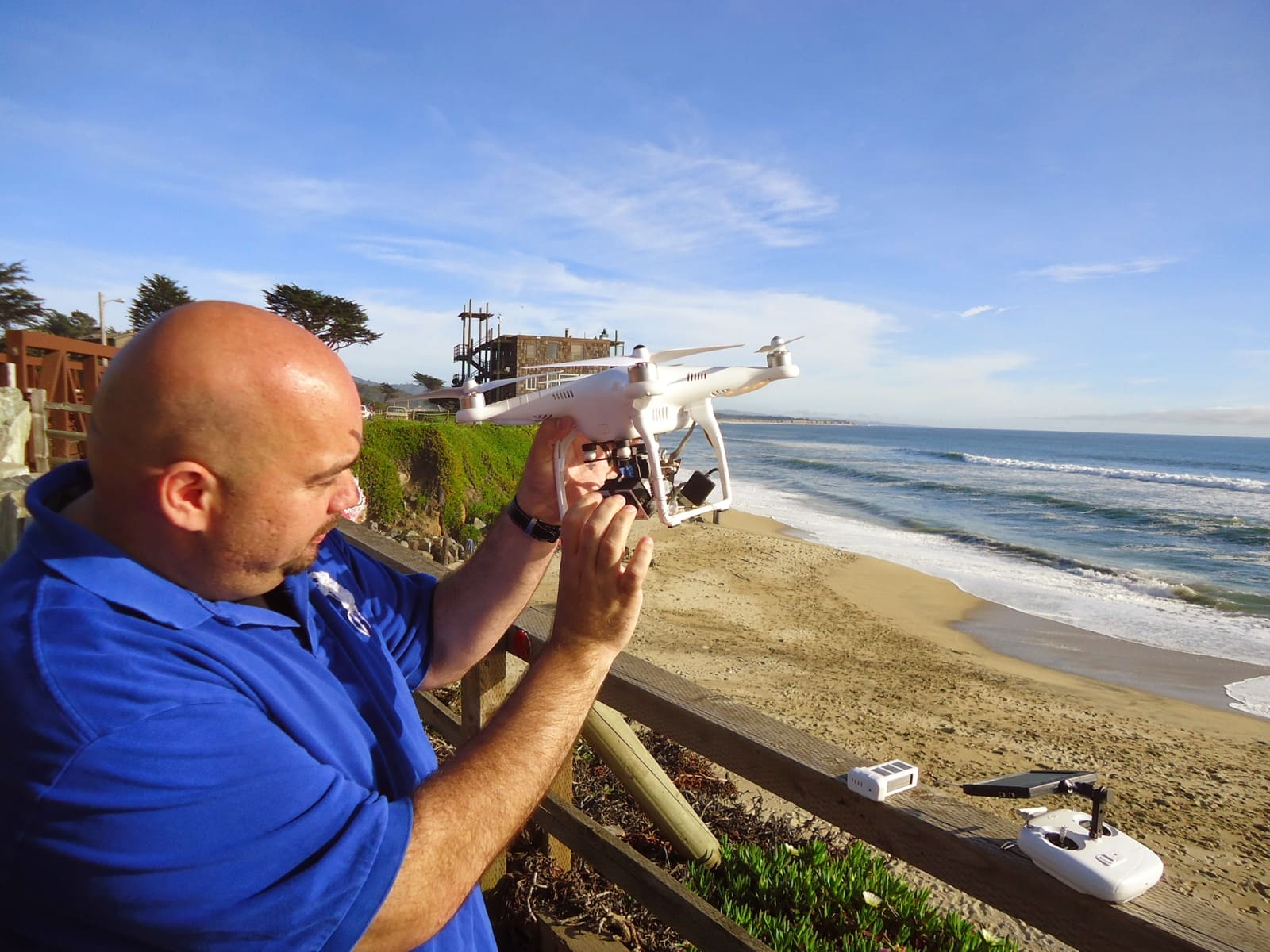
Drone club insurance should begin with a simple distinction: the club, its members and the property owner are separate parties. They may share an interest in the same flying site, but that does not mean one insurance arrangement protects each of them in every role. A membership card, permission to use a field and a certificate of insurance answer different questions.
A club may organize recreational flying, own shared drones, borrow equipment, welcome visitors or hold occasional events. Some groups also provide instruction, demonstrations or paid services. Those facts should be disclosed accurately. An insurance review built only around the phrase hobby club can miss the activities and relationships that matter most.
This guide helps a drone club assemble the information needed for a coverage discussion. It does not evaluate any particular association’s insurance, guarantee a group program is available or provide operating instructions. Preserve the actual policy, membership and site documents, and ask how they apply to the specific club and activity. Regulatory authorization and insurance coverage require separate confirmation.
Identify the Club and the People Acting for It
Record the organization’s legal name, business or mailing address and structure. Explain whether it is an incorporated association, another legal entity or an informal group. Identify officers, organizers, instructors and others who act for the club. A group name on a social media page may not provide the information needed to identify an insurance applicant.
Describe the club’s responsibilities in practical terms. It may manage a field agreement, collect dues, store equipment, schedule activities or organize events. Separate those duties from members flying their own aircraft independently. Ask how proposed insured definitions treat the organization and people acting within their assigned roles.
Where the club uses a trading name or runs activities through more than one entity, disclose the arrangement. Keep organizational changes visible at renewal. Adding a new group under a familiar name does not establish that its activities or officers are included in an existing program. Obtain an answer tied to the actual documents.
Separate Club Coverage From Each Members Insurance
Ask what insurance, if any, is provided through membership and obtain the relevant documents. Identify the insured parties, covered activities, territory, limits, exclusions and conditions. Do not summarize an unfamiliar membership arrangement as full coverage or assume that every guest or family member has the same status as a registered member.
Then ask separately what insurance the club itself maintains or proposes to purchase. A member’s individual flight liability and an organization’s liability as a site user or event organizer may involve different duties. A landowner’s requirement may also call for particular insured status or wording. These questions should not be answered from the premium charged for membership alone.
If members are required to maintain individual insurance, establish what evidence the club collects and how it is checked. A roster can record expiration dates and document status, but it should not be treated as a coverage determination. Obtain appropriate guidance on the club’s actual contractual and administrative responsibilities.
Describe Every Aircraft Ownership Arrangement
Create a schedule distinguishing club-owned drones, member-owned aircraft, rented units and equipment borrowed from another organization. Record identifying details, relevant values and who may operate each item. A general liability request does not establish physical damage protection for the aircraft themselves.
Shared aircraft need particular attention to custody and use. Explain who stores them, who authorizes their use and whether members take them away from the usual site. Ask how the proposed program treats damage to club property, property belonging to members and property borrowed from others. The identity of the owner and operator can matter to both liability and property questions.
For physical damage coverage, identify what equipment should be included: aircraft, controllers, batteries, cameras and detachable payloads. Explain storage locations and transport arrangements. Do not assume that insurance for a drone in flight also addresses every component in storage or every member’s vehicle on the way to a meeting.
Map the Clubs Main Insurance Questions
| Party or activity | Document to review | Question to resolve |
|---|---|---|
| Club organization | Entity records and proposed policy | Which legal organization and representative roles are insured? |
| Individual members | Membership and personal policy documents | What applies to each person and their independent flying? |
| Guests and visiting pilots | Visitor process and policy definitions | Are their activities included and under what conditions? |
| Shared drones | Ownership and authorized-use schedule | How are liability and physical damage considered? |
| Flying site | Complete land-use agreement | What duties and insurance wording does the site owner require? |
| Events or demonstrations | Dated activity description | Does the arrangement extend to this specific activity? |
| Paid work or instruction | Service and compensation details | Is a different insurance or operating review required? |
Read the Flying Site Agreement Before Requesting Evidence
A land-use agreement may allocate maintenance, public access, equipment storage or other responsibilities to the club. Obtain the complete document and amendments. Identify the legal property owner and contracting club entity, the permitted activities and the dates involved. An informal agreement to use a field can still leave important questions unanswered.
Ask the broker to review the insurance requirements and involve legal counsel where appropriate for the contract obligations. Record requested limits, additional insured wording and any other special terms. A certificate can communicate insurance information, but it should not be used to imply an endorsement or contractual protection that has not been obtained.
If the club changes sites or adds a temporary location, discuss it before relying on the old arrangement. A program tied to a particular site or declared activity may need review. Provide the new address, agreement, dates and planned uses rather than describing the change only as another place to fly.
Keep Regulatory Status Separate From Insurance Status
The FAA’s recreational flyers and community-based organizations resource explains the federal recreational flying framework. It is the appropriate starting point for current FAA information. A club should determine the applicable operating requirements through that framework and qualified guidance, independently of its insurance discussion.
Do not assume that calling a flight recreational settles its legal or insurance treatment. Describe the purpose and arrangement accurately, especially when a club offers paid services, instruction or work for another organization. The underwriter needs the actual facts; the regulatory analysis needs them as well. Neither process is replaced by the club’s nonprofit status or choice of name.
Similarly, recognition, site authorization or compliance with an operating framework does not establish that a particular person is an insured. Read the insurance documents and meet their conditions. A club can keep separate records for regulatory matters, site permission and insurance, while making sure the activity descriptions agree across them.
Explain Visitors Instruction and Special Activities
Tell the broker how the club handles visiting pilots, introductory sessions and instruction. Identify whether instructors volunteer, are paid by the club or operate their own business. Explain whose aircraft are used and who directs the activity. A social gathering with independent member flying is different from an organized paid training program.
For special events, provide a dated description of activities, locations, participants and the club’s organizing responsibilities. Distinguish a small members’ meeting from a public demonstration or competition. Ask whether the existing arrangement addresses the proposed event and what additional review or terms may be required. Do not assume an event is included because it lasts only one afternoon.
If the club plans drone racing or coordinated displays, identify those activities explicitly. Their insurance and operating questions should be considered on their own facts. A program arranged for routine individual flying should not be stretched by description alone to cover every new activity the group might find interesting.
Review Liability Limits and Important Definitions
Compare the proposed liability limit, aggregate, any applicable sublimits and the treatment of defense costs. Ask how insured persons, aircraft, activities and locations are defined. Record any exclusions or restrictions material to the club’s actual plans, including treatment of property in its custody or damage involving members’ equipment.
Ask how allegations between insured parties or members are treated where relevant. Do not assume a policy responds simply because both people belong to the same club, or assume the opposite without reading the wording. A hypothetical scenario can help focus the question, but a broker’s general explanation does not decide coverage for a future loss.
Use a written quote comparison with the same club description, sites and requested limits. Mark unresolved items plainly. A lower premium can reflect a different scope, limit or condition. There is no useful universal price for every drone club when their legal structures, sites, equipment and activities can differ substantially.
Create an Equipment and Document Register
A practical register can combine the club’s equipment schedule with document references. Identify each aircraft or major item, its owner, current location, requested value and relevant policy schedule. Give shared equipment an authorized contact. Keep ownership records and purchase or valuation support where needed for the insurance review.
For the document side, list the club policy, site agreement, any membership-provided terms being relied on and the insurance evidence required from others. Include issue and expiration dates and who is responsible for follow-up. Keep complete copies rather than only screenshots of a declarations page or an email saying insurance is arranged.
Restrict access to personal information in the roster and use the agreed channel for sharing documents with the broker. An administrative register is a reference tool, not a public directory or a guarantee of coverage. Review it when people, aircraft, locations or activities change so it remains useful during the policy period.
An Illustrative Club Expansion
Imagine a group that originally met with individually owned drones at one field. It later buys two shared aircraft, leases storage space and plans an open day for visitors. The membership count changes only slightly, but the group’s property, premises and organizing responsibilities have expanded. This hypothetical example illustrates a review trigger, not a covered incident.
A useful submission would include the club entity, field and storage agreements, shared aircraft schedule and proposed open-day description. It would distinguish members’ independent flying from club-directed activities. The broker could then ask which policies and endorsements are appropriate for the requested arrangement and what remains unresolved.
Before the open day, the club should obtain answers through the relevant insurance, site and regulatory processes. An old certificate from the original field arrangement would not, by itself, establish the status of the new event or shared aircraft. Keep confirmations with the documents they refer to, using the actual dates and activity descriptions.
Build a Repeatable Renewal Review
Begin renewal with the previous application and compare it with today’s club. Check the legal name, officers, member arrangements, locations, aircraft ownership and activities. Record changes even when they seem administrative. The person preparing insurance should have a reliable way to hear about a new field agreement or shared drone purchase.
Request the loss or incident information called for by underwriting and reconcile it with the club’s records. Distinguish reported facts, allegations and matters still under review. Where a potential notice obligation exists, seek guidance promptly under the applicable policy rather than waiting for renewal to decide how to describe it.
After selecting an offer, confirm the accepted terms and review the issued documents. Check entity names, dates, aircraft schedules and requested endorsements against the agreed arrangement. Make sure authorized officers know where reporting instructions are kept. A change of treasurer or club secretary should include a handoff of insurance responsibilities, not just bank records.
Keep Permission and Coverage Records Understandable
Use a short activity sheet for a new club proposal. Identify who is organizing it, the location, the date, the aircraft ownership arrangements and any people participating outside the usual membership. Attach the relevant agreement and send the same factual description to the appropriate reviewers. This reduces inconsistent versions of a plan without assuming that every reviewer performs the same role.
Record each response according to its purpose. Site permission confirms permission from the relevant property party; it does not establish aviation authorization or insurance. Insurance confirmation should identify the arrangement being accepted and any conditions. Regulatory questions should be resolved through the applicable process. Keeping these records distinct makes them easier for future officers to understand.
If a proposed activity changes after review, identify the change and obtain further guidance where needed. A different venue, shared aircraft or paid component can alter the facts underlying an earlier response. The goal is a record that accurately describes the activity the club will conduct, rather than a folder of approvals for an earlier version of the plan.
Prepare a Useful First Inquiry
For the first inquiry, send a concise overview of the club rather than a folder without context. State the organization name, approximate membership, usual sites, aircraft ownership arrangements and activities for which insurance is requested. Identify the requested effective date and any agreement deadline. Explain whether the group already has coverage being reviewed or is seeking a new arrangement.
Attach the documents the broker requests and label each by purpose. A field agreement, an individual member policy and a proposed event plan should remain identifiable as different records. If something is not available, say what it is and who is obtaining it. Do not fill the gap with an assumption that another party’s policy handles the issue.
After receiving a proposal, return to the original activity description. Check whether the offer includes the same sites, organizational duties and equipment arrangements that were disclosed. Record any difference and the follow-up answer. This simple cross-check helps the club decide on the actual offer, with a clear understanding of outstanding conditions before representing that insurance is in place.
For example, a field owner may permit members to fly their own drones while the club is separately arranging a public introduction day using shared equipment. Keep both descriptions in the file and identify the dates and aircraft ownership for each. Ask the broker which proposal was reviewed and whether the new event requires another response. A permission email for ordinary member access should not be presented as acceptance of the visitor activity. If the plan changes again, preserve the earlier version and explain the difference instead of replacing the record silently. Assign an officer to collect the relevant confirmations and flag unanswered questions before the club represents that the event is insured. This record helps the organization compare the actual arrangement without interpreting a policy from a short label or treating administrative approval as permission to fly.
Frequently Asked Questions
Does joining a drone club automatically insure my drone
Do not assume so. Obtain the relevant membership and policy documents and distinguish personal liability, club liability and physical damage to equipment. Confirm the treatment of your aircraft and activity specifically.
Can a club policy satisfy the landowners requirements
It depends on the requirements and actual offered terms. Provide the complete agreement for review and confirm any needed endorsements. A certificate alone does not establish every contractual protection requested.
Are guests automatically covered
Guest status depends on the arrangement and policy definitions. Explain visiting pilots and introductory activities to the broker. Do not assume guests have the same status as registered members or officers.
Does FAA recognition provide insurance
Regulatory recognition and insurance are separate. Use current FAA resources for operating questions and the actual policy documents for insurance questions. Neither should be inferred from the other.
What changes should trigger another review
New sites, shared aircraft, public events, paid services, instruction and changes to the club entity or responsibilities should be raised. Explain the specific facts before relying on the old arrangement.
Request a Focused Review From BWI
Gather your club organization details, site agreements, aircraft ownership schedule and relevant membership or policy documents. Give BWI a clear description of routine flying and any proposed special activities.
Contact BWI to discuss the drone club insurance request. Ask what options may be available for the disclosed group and activities. Availability and coverage depend on underwriting and the actual terms.
Continue Reading


