

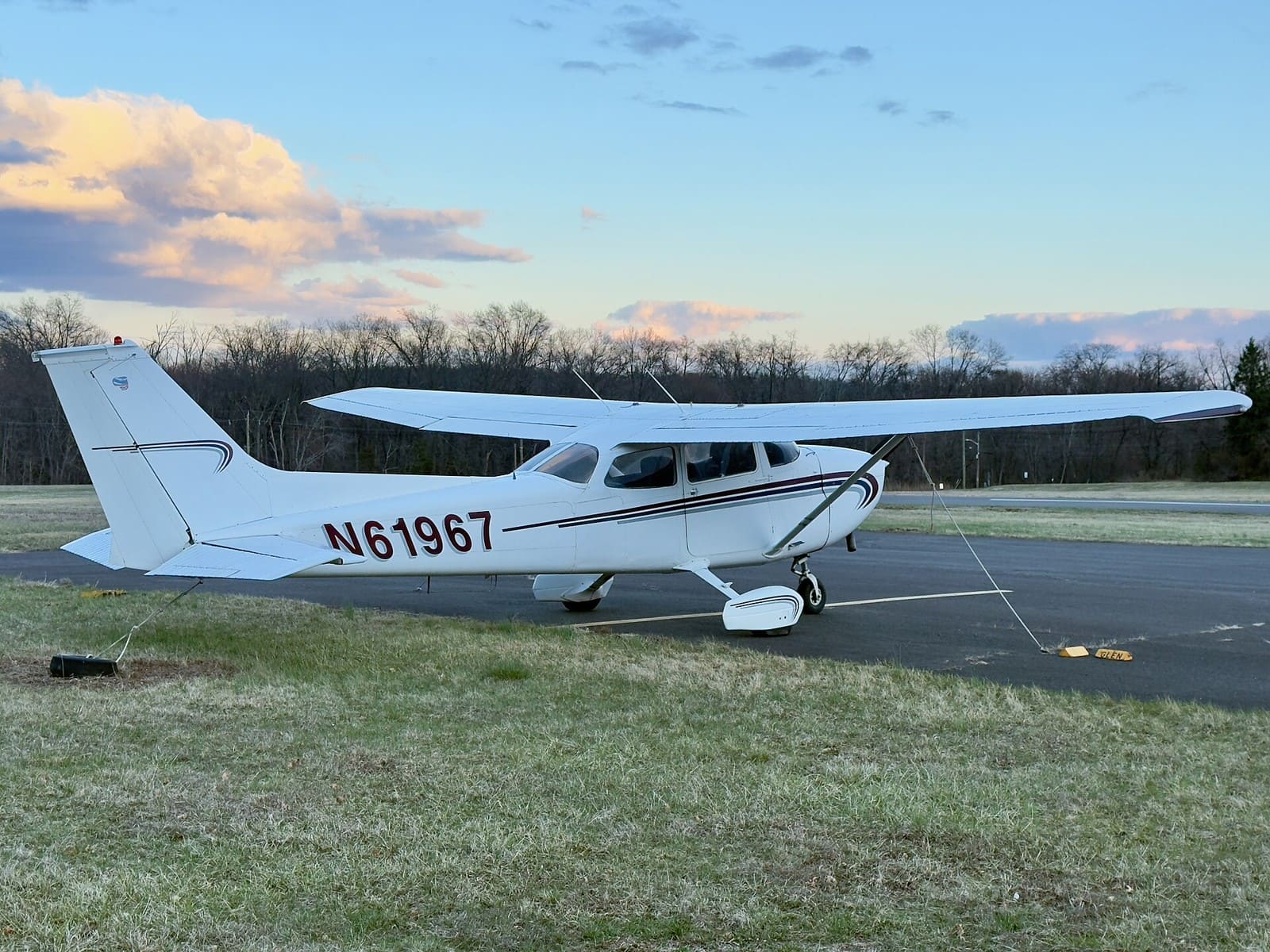
Private airport insurance starts with a precise description of the property and the people responsible for it. A privately owned airstrip may serve one owner, several neighboring pilots, tenants, invited guests or a wider group of users. Those arrangements can create different insurance questions even when the runway, buildings and name of the airport stay the same.
Before requesting a quote, separate three subjects: responsibility for the airport premises, protection for buildings and other property, and insurance for the aircraft using the site. Ownership of the land does not, by itself, answer how each subject is insured. A useful discussion connects the actual ownership and access arrangements with the wording being proposed.
This guide focuses on private airport and airstrip owners assembling that description. It complements BWI’s airport liability information and the separate proposal preparation guide. It does not determine whether an airstrip is legally authorized, give runway operating instructions or promise that a particular airport is eligible for coverage. Bring the real agreements and activities to BWI for a review of available aviation terms.
If you are completing an insurer application, use the separate airport operators proposal preparation guide for organizing that form. This guide concentrates on the private landowner’s access arrangements: family use, guests, shared rights and tenants. It helps identify when an owner-only description no longer reflects the property being insured.
Identify What Private Means at This Airport
Write down who owns the land, who manages the airport and who is allowed to use it. Distinguish private ownership from the access arrangement rather than assuming the word private explains both. A landowner’s personal strip and a privately owned facility serving multiple users should not be described as the same operation merely because neither is owned by a municipality.
Include the airport’s actual identifying information and any relevant published or regulatory records requested by underwriting. Label the status accurately and identify any proposed change. Do not infer an insurance conclusion from an identifier, listing or permission document. The insurer still needs to evaluate the disclosed property and activities under the offered terms.
Private ownership, restricted access and regulatory status answer different questions. Obtain appropriate advice on applicable airport and property obligations from the responsible authorities and qualified advisers. This guide does not determine those obligations or use an airport listing as proof of insurance. Present the actual ownership, access and activity information for a separate underwriting review.
Map the Landowner and Operator Relationship
Identify each entity or person with an interest in the land, runway, buildings and operation. A family may own the real estate while an LLC manages access and collects rent. Another entity may own a hangar or conduct a business on the site. Show those relationships clearly instead of presenting one mailing name as the whole ownership structure.
Provide leases, operating agreements and other documents relevant to responsibility for the premises. Explain who maintains particular areas, who grants access and who contracts with tenants or visitors. An informal arrangement should be described honestly as informal; do not invent a lease or assume that a shared understanding settles the insurance interests.
Ask which parties are proposed as insureds and for what interests. Naming an airport operator should not be assumed to insure every unrelated tenant, aircraft owner or property owner. If a lender, landlord or association requests a particular status or evidence, submit that request for review against the actual available wording.
Create a Private Airport Responsibility Map
| Area or arrangement | Facts to describe | Insurance question |
|---|---|---|
| Land and runway | Ownership, management and permitted access | Which party and premises does the proposal address? |
| Hangars and other buildings | Ownership, occupancy and lease duties | Which property and liability interests need review? |
| Resident aircraft | Owners and storage arrangements | Which aircraft policies remain separate? |
| Guest access | Invitation process, users and activities | Is the disclosed guest arrangement accepted? |
| Tenant operations | Businesses, leases and services | Which exposures belong to the owner or tenant program? |
| Maintenance work | Responsible party and contractor agreements | Which duties and insurance evidence require review? |
| Changes and events | Proposed new uses and dates | What must be accepted before relying on current terms? |
Describe the Physical Premises Without Making Safety Claims
Prepare a factual overview of the property, identifying the runway, taxi or movement areas, hangars, roads, parking areas and other relevant facilities. A labeled site plan and current photographs can make the location easier for an underwriter to understand. Identify boundaries and shared areas where responsibility may otherwise be unclear.
Explain which improvements the airport owner owns and which belong to someone else. If a hangar sits on leased land, identify both interests and provide the relevant agreement. Do not assume that the owner of the ground is also the owner of every building, stored item or improvement located there.
Describe known conditions and outstanding work accurately when requested. Insurance submission material should not claim a runway, structure or procedure is technically safe merely because the owner has used it without a reported incident. Inspection, engineering and operational assessments belong with appropriately qualified people and applicable authorities.
Separate Premises Liability From Aircraft Protection
An owner may ask whether airport insurance covers a visiting airplane. Make the question more precise: is the concern an allegation about the premises, damage to an aircraft owned by the landowner, or custody of someone else’s airplane? Those are different interests that need to be connected to the actual policy and circumstances.
Provide BWI with the aircraft ownership and storage arrangements as context for the airport discussion. Review the owner’s aircraft policy separately rather than assuming that an airport liability quotation replaces hull or aircraft liability protection. Likewise, a visiting pilot’s aircraft insurance should not be treated as a complete answer to the landowner’s premises concerns.
If the airport or a tenant moves, stores or services other people’s aircraft, identify those duties explicitly. Do not hide custody or handling activities inside a broad description of renting space. Provide the agreement and ask which coverage questions arise for the party performing the work and for the property owner.
Make Guest and Shared Use Arrangements Visible
Describe who may use the airstrip and how that permission is granted. Identify whether the owner alone uses it, whether specified neighbors share it or whether guests arrive through another arrangement. Include any relevant access agreement instead of assuming an invitation always creates the same responsibilities.
Explain whether access involves payment, membership, reciprocal rights or no charge. Give the actual facts without deciding that a free visit cannot create an insurance exposure. If the arrangement has grown beyond what was disclosed at the original application, raise that change before treating the existing documents as a complete description.
A written permission or release should be provided for appropriate review if it forms part of the arrangement. Its legal effect requires qualified advice. Do not assume that a visitor’s signature eliminates liability, modifies an insurance exclusion or guarantees that an insurer will accept the airport’s access model.
Describe Tenants and Businesses Separately
List the tenants and activities at the property, including any flight instruction, aircraft maintenance, storage, fueling or other services. Indicate which activities the airport owner performs and which an independent tenant performs. An owner who merely leases space and an owner who also provides aviation services should not submit an identical business description.
Give the broker the relevant leases and insurance requirements. Identify who is responsible for maintaining the leased area and any shared facilities. If tenants provide insurance evidence, retain it as part of the file, but ask how the actual contracts and proposed owner coverage fit together rather than assuming a certificate resolves every obligation.
Keep nonaviation activities visible too. An occupied residence, agricultural use, equipment storage or another business on the parcel may need its own discussion with the appropriate insurance contact. Do not assume that an airport policy or a personal property policy automatically includes every activity simply because it happens on the same land.
Review Buildings Contents and Values as Property Questions
Prepare a schedule of the buildings and other property for which protection is requested. Describe ownership, occupancy, construction information requested by the broker and the basis of the submitted values. Separate the owner’s property from tenant property and from aircraft that happen to be inside a structure.
Ask what valuation and loss settlement terms are offered for each proposed property interest. A liability limit is not a building replacement estimate, and the value of a hangar does not establish the insured value of its contents. If technical valuation advice is needed, obtain it from the appropriate professional and identify the purpose and date of the assessment.
Describe where equipment is kept and who owns it, including items used for property maintenance. Submit questions about mobile equipment, borrowed items and property temporarily elsewhere separately. This is a request to locate the relevant coverage, not an assumption that every item belongs on one airport property schedule.
Review Contractor Work Before the Project Starts
When work is planned at the airport, identify the contractor, scope, location and expected dates. Provide the agreement and insurance requirements to the relevant reviewers. Construction, grounds work or work near aviation areas can change the facts that were presented when the airport policy was quoted.
Ask what the owner’s insurer needs to know and whether any change to the program is required. Obtain appropriate evidence from contractors and have contractual obligations reviewed by qualified advisers. Do not assume that a contractor’s coverage removes the owner’s own duties or that permission to enter the site is proof that the project has been accepted by every relevant insurer.
Keep technical decisions about construction, access and airport operations with the people qualified and authorized to make them. The insurance record should identify the proposed work and accepted terms. It should not be used as a substitute for an engineering plan, safety assessment, operating authorization or legal review.
Disclose Fuel Storage and Additional Services
If fuel is stored, sold or otherwise provided at the location, describe who owns the equipment and who performs the activity. Give the actual arrangement rather than assuming that a tank used only occasionally is irrelevant. Environmental and service-related questions should be identified for appropriate review using the real facts.
Similarly, identify aircraft movement, maintenance, rental, instruction or other services performed by the owner or operator. An airport can add an activity without changing its public name. That operational change may still need to be discussed with underwriting, especially when it introduces another party’s property or a paid service.
Ask which proposed coverage addresses each disclosed activity and which matters remain outside the offer or require another policy. Do not use the label private airport as shorthand for a complete aviation business program. If the insurer requests additional information, retain the response and resulting confirmation with the current business description.
Plan Events and Changes as New Facts
A gathering, open day, demonstration or other special use should be described before relying on routine airport arrangements. Identify who organizes it, who is invited, whether fees are involved and which activities are planned. A previous visit by friends should not be presented as acceptance of a different future event.
Provide relevant agreements and outside insurance requirements to the appropriate contacts. Ask whether the existing policy addresses the disclosed proposal and what additional acceptance or coverage is needed, if any. Do not promise participants or organizers that coverage exists solely because the property has an airport insurance policy.
The same approach applies to changes in ownership, access, tenants or facilities. Keep proposed facts clearly labeled and communicate final details when available. A renewal may be an opportunity to organize the record, but it should not be treated as permission to leave a material change undisclosed until the next anniversary.
A Hypothetical Family Airstrip With a New Tenant
Imagine a family that owns an airstrip through a property company and allows two family members to keep their aircraft there. The family is considering leasing a hangar to an unrelated business. This hypothetical example illustrates insurance questions; it is not a BWI placement, claim or assurance that the arrangement can be insured.
The owner starts by separating the property company, the airport management responsibilities, the family members’ aircraft and the proposed tenant. The submission describes current access and the tenant’s proposed work, with the lease and requested insurance terms attached. The owner asks whether the premises proposal addresses the new facts and which separate property, aircraft or tenant questions remain.
Before relying on any offer, the family resolves the underwriting questions and checks the issued documents against the accepted arrangement. Technical and legal advisers review their own subjects. The useful result is a documented division of responsibilities, not an assumption that the private nature of the strip automatically transfers every risk to the tenant.
Compare Quotes Using the Same Ownership and Access Facts
Ask each proposal to address the same legal parties, premises, access arrangement and activities. Record the effective dates, limits, deductibles, important exclusions, conditions and accepted changes. If one offer describes an owner-only strip and another describes tenant operations, the difference should be resolved before treating the premiums as a direct comparison.
Identify whether property protection is included, separately quoted or not part of the offer. Make aircraft and service-related questions visible rather than counting all displayed limits as one interchangeable amount. If an important requirement remains unanswered, record it as unresolved and ask for clarification tied to the actual wording.
There is no universal price in this guide. The decision depends on available terms for the disclosed airport and the protection requested. Compare the complete proposals with BWI and keep the final selection and confirmations in the airport file. Review the issued policy promptly and raise discrepancies through the appropriate process.
Keep a Current Airport Insurance File
Retain the accepted ownership description, site information, leases, access agreements, property schedules and insurance correspondence together. Identify who is responsible for keeping the record current. A future reviewer should be able to understand who owned and managed the airport during the relevant period without reconstructing the arrangement from informal messages.
If an incident, claim or demand occurs, follow the applicable policy reporting process and obtain appropriate guidance promptly. Preserve factual records and communications. Do not assume that notifying a tenant, renewing a certificate or mentioning an event in a later application satisfies every relevant policy’s notice requirements.
Before renewal, update the description of users, services, tenants and property. Answer the requested questions using the actual definitions and periods on the application. The file should support a clear conversation about the current airport rather than repeat an outdated owner-only description after the operation has changed.
Frequently Asked Questions
Does private ownership remove the need to review airport liability
No insurance conclusion follows from the ownership label alone. Describe the premises, access and responsibilities, then review the available terms for those facts.
Does airport insurance replace my aircraft insurance
Do not assume it does. Review premises responsibilities, building property and aircraft protection as separate interests under their actual policies.
Should I disclose invited guests if nobody pays to use the strip
Describe the actual guest and shared use arrangement accurately. The absence of a fee should not be used as a reason to omit the activity from the discussion.
Can a tenant certificate answer every landowner insurance question
No. Provide the lease and insurance requirements for review alongside the proposed owner program and relevant tenant evidence.
What should I prepare for BWI
Prepare ownership and management details, site information, access arrangements, tenant activities, property interests and any relevant agreements or insurance requirements.
Discuss Your Private Airport With BWI
BWI’s airport liability insurance information is a starting point for the aviation discussion. Bring the actual ownership, access, tenant and service details so the proposed coverage can be evaluated against the airport you operate.
Request a commercial aviation insurance review from BWI. Include the relevant agreements, requested protection and any pending changes. Availability and coverage depend on underwriting and issued policy terms; airport authorization, technical operations and legal responsibilities require their separate qualified review.
Continue Reading


