

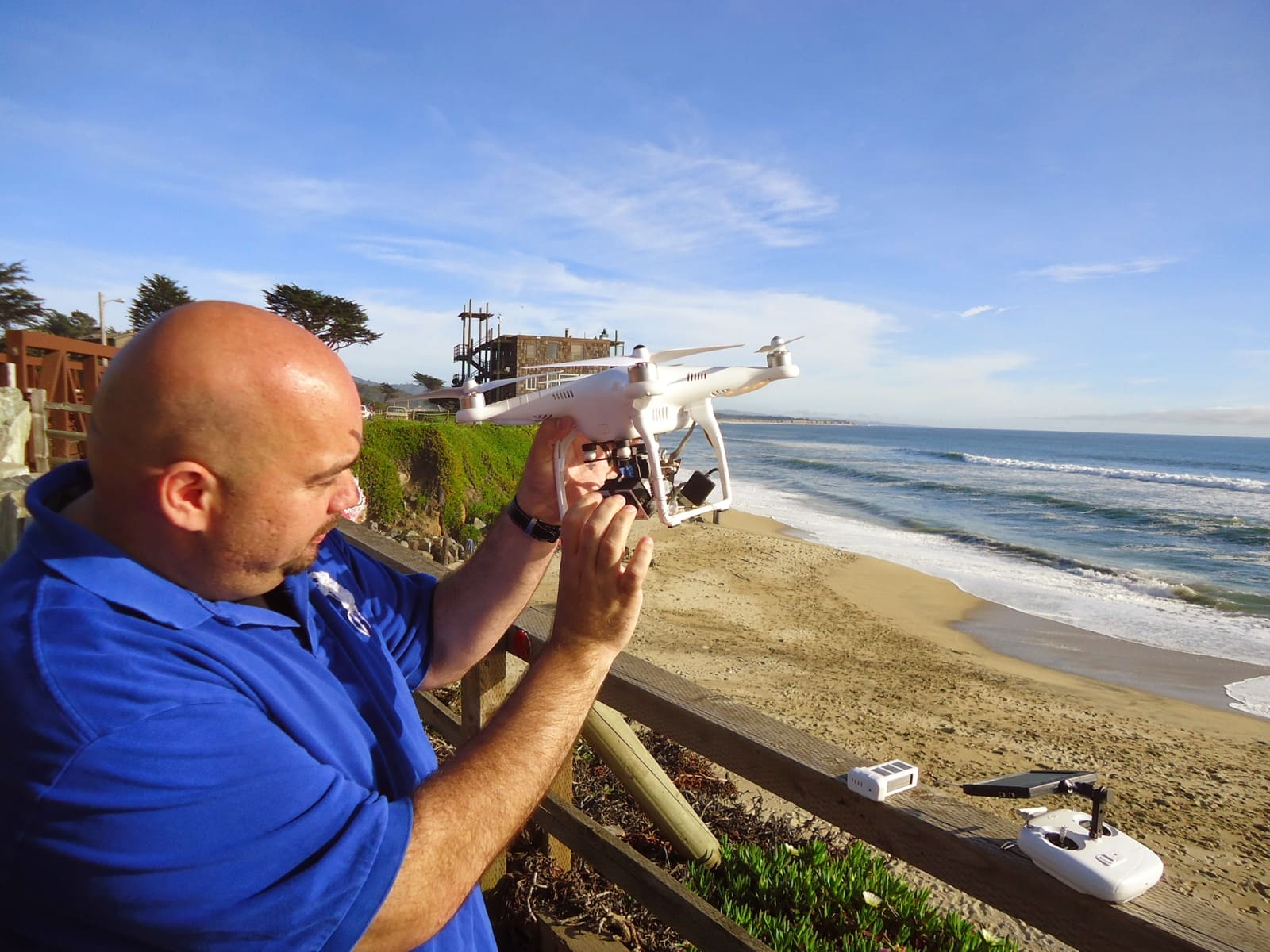
Airplane and drone insurance should be coordinated around the actual aircraft and operations, even when the same person flies both. A policy for a personally owned airplane should not be assumed to insure a drone photography business, and a drone proposal should not be presented as protection for a manned aircraft. Give BWI one complete description, then identify which offered terms address each interest.
If you are searching for bundled insurance packages for pilots, drones and light aircraft, first clarify what you want bundled. You may mean one broker contact, coordinated renewals, related coverage reviews or a single contract. Those are different requests. Ask what is actually available for the disclosed activities rather than assuming that one invoice or one brand name means one combined policy.
This guide is for pilots and owners who operate a manned airplane as well as drones. It is a coordination checklist, not an announcement of a BWI bundle, discount or universal combined product. Availability, insured identities, aircraft eligibility and coverage depend on underwriting and the issued documents. Regulatory qualifications and technical operations require their separate qualified review.
Describe the Airplane and Drone Activities Separately
Begin with the airplane: its owner, aircraft identity, pilots, base, intended use and requested protection. Then describe the drones, owners, operators, equipment and actual work or recreational activities. Use plain examples of the activities rather than one broad phrase such as personal aviation.
If you fly the airplane to reach drone job locations, explain that relationship. The trip in the airplane and the drone work at the destination remain separate operations to disclose. Do not assume that because one activity supports the other, every relevant policy uses the same classification or accepts the whole arrangement automatically.
Identify proposed activities and changes clearly. A pilot who currently flies only recreational drones may be considering paid work, another aircraft or a new business entity. Submit those plans for review before relying on existing terms for an operation that has not been described.
Map the Owners and Legal Entities
List who owns the airplane, each drone and important equipment. An individual may own the manned aircraft while an LLC signs drone service contracts and owns cameras. The insurance submission should make those relationships visible rather than use the same personal contact name as the only owner description.
Identify any rental, lease or borrowed equipment arrangements and provide relevant agreements. Ownership, use and custody can differ between the airplane and drone sides. A policy review for an owned aircraft should not be treated as an answer to a separate nonowned aircraft or rented drone question.
Ask which legal insureds and interests each proposal addresses. If the same entity operates both, disclose both activities. If different entities are involved, do not assume shared ownership or management causes one company’s policy to protect every related person, business or asset.
Create a Two Operation Insurance Map
| Review subject | Airplane information | Drone information |
|---|---|---|
| Aircraft identity | Registration, model and proposed value | Aircraft identifiers and requested values |
| Ownership | Actual owner and financial interests | Drone, payload and business ownership |
| People | Pilots, roles and requested qualifications | Operators, roles and requested qualifications |
| Use | Personal, business or other disclosed missions | Recreational or described business activities |
| Property | Aircraft and separately requested interests | Drone, payload, ground equipment and other items |
| Outside requirements | Hangar, lender or service agreements | Client, site or equipment agreements |
| Final terms | Actual aircraft policy and endorsements | Actual drone policy and endorsements |
Keep Pilot Qualifications and Insurance Acceptance Distinct
Provide the qualification and experience information requested for each operation. A person’s manned aircraft experience should not be substituted for requested drone experience, and drone experience should not be entered as time in the airplane. Keep the categories and sources accurate so underwriting can evaluate the actual request.
The FAA’s remote pilot certification resource addresses that regulatory subject, including information relevant to existing pilots. Use the current applicable guidance for qualifications. An airplane pilot certificate, insurance quote or customer request should not be treated as a complete explanation of drone operating privileges.
Ask separately how each policy addresses the proposed people and activities. Regulatory eligibility and insurance acceptance have different purposes. If an additional pilot or drone operator joins the work, provide that person and role through the relevant review process rather than assuming acceptance under an earlier personal arrangement.
Compare the Actual Coverage Grants
Obtain the quotation and referenced forms for each proposed aircraft arrangement. Identify which document addresses liability, physical damage and any other protection requested. A single contact managing the submissions does not make the policies identical or automatically combine their limits.
Keep airplane hull protection separate from drone and payload property questions. Likewise, identify the actual liability terms for each operation and any relevant sublimits, exclusions or conditions. Do not assume that a broad heading such as aviation liability includes every manned and unmanned activity without reviewing the wording.
If a combined arrangement is offered for the actual operation, ask exactly which coverage and identities it contains. Retain the issued documents and understand the material conditions. If the offers are separate, evaluate them as separate contracts while coordinating the facts and administration.
Identify Equipment Beyond the Aircraft Themselves
Prepare an equipment list for drones, detachable payloads, controllers, cameras, computers and other items relevant to the requested protection. Identify ownership, values and normal use or storage locations. Do not assume that an airplane’s insured value includes every item brought along for a drone assignment.
If a camera is used both on the ground and as a drone payload, describe both uses. Ask which actual terms address the item while stored, transported, attached or used separately. A convenient combined equipment total can obscure categories or locations that the insurer needs to review individually.
For the airplane, identify any separately owned or portable property you want reviewed rather than treating everything carried aboard as part of the insured aircraft. The coverage map should locate each interest under the actual proposal, not merely divide the inventory into things you own and things you use.
Explain Business Work Without Hiding Personal Flying
Describe who contracts with clients, what services are sold and how the airplane and drone activities support those services. A business flight to a project and a drone operation producing images can involve different facts. Submit the actual purpose, payment relationships and activities rather than relying on a general business use label.
If personal flying remains part of the arrangement, describe it too. Do not present every airplane trip as drone business travel if the facts differ, or omit business drone work because most flying is recreational. The useful submission shows the activities actually performed by each person or entity.
When services change, identify the new work and relevant client requirements before relying on earlier terms. Adding analysis, inspections, instruction or another service can require another review. The fact that the same aircraft or camera is used does not mean the insurance description remains unchanged.
Review Client and Airport Requirements by Purpose
Collect the actual insurance requirements from clients, site operators, hangar providers, lenders and relevant service agreements. Identify the parties, activity, dates and requested wording. Keep each request connected to the operation it concerns rather than sending one undifferentiated list of names to be added somewhere.
Ask which policy is intended to address each requirement and what evidence or endorsement is available. A drone client’s additional insured request and a lender’s interest in an airplane are different subjects. Do not assume that naming a party on one certificate satisfies every request involving the other operation.
Have contractual interpretation reviewed by an appropriately qualified adviser. If a requirement is unavailable or unclear, resolve it before promising compliance. A certificate, a policy amendment and a service agreement each have their own purpose and should not be presented as interchangeable documents.
Coordinate Storage and Transport Information
Describe where the airplane is based and where drones and equipment are kept. If the drone business uses a home office, a rented studio or the airplane hangar for storage, identify that arrangement accurately. Sharing an address should not make different property owners or business activities disappear from the submission.
Explain relevant movement between locations, including equipment carried to jobs or left temporarily elsewhere. Ask how each actual policy addresses the disclosed property, territory and custody arrangements. The presence of an item in an insured airplane or hangar should not be assumed to give it unrestricted protection.
If a provider transports or stores property, supply the relevant agreement and requested insurance evidence for review. Keep your property interest separate from the provider’s responsibility. Do not assume another party’s certificate replaces the need to understand what your own issued terms address.
Compare Territory and Planned Travel Separately
Identify the countries or operating areas proposed for the airplane and the drone work. A trip can involve the same destination while each insurance contract uses different territory wording or conditions. Ask about the actual operations under each policy rather than treating one geographic confirmation as universal.
Keep operational permissions, entry requirements and regulatory qualifications separate from the insurance review. An aircraft or drone being legally permitted to operate is not, by itself, evidence of coverage. Conversely, an insurer’s acceptance is not authorization to fly or work at a particular location.
If the itinerary, personnel or planned activities change, provide the revised facts through the relevant process. A previous acceptance for personal airplane travel should not be expanded into acceptance of a different drone assignment at the destination. Retain the final confirmations associated with each actual operation.
Keep Limits Deductibles and Costs Clearly Labeled
Compare the offers using the same disclosed facts and requested protection. Record the limits, sublimits, deductibles, conditions and major exclusions for each coverage. Do not add an airplane liability limit to a drone liability limit and present the sum as one amount available for either operation without confirmation of the actual wording.
Ask what any proposed package or coordinated arrangement includes. A shared contact, related renewal date or combined billing process does not, by itself, create a shared deductible, cross-policy protection or a discount. Those features must be confirmed in the real offer rather than inferred from the word bundle.
This guide publishes no combined premium or promised savings. Evaluate the available price with the protection and conditions offered for each activity. A lower total can be a different decision if it leaves a requested aircraft, business entity, equipment interest or client requirement unresolved.
Use a Clear Process for Additions and Changes
Assign responsibility for telling the relevant insurance contacts about new aircraft, equipment, pilots, operators, entities or services. Use the process required by the actual policy. A purchase invoice, new client agreement or updated personal inventory should not be treated as an issued insurance change.
Keep the airplane and drone records linked where helpful but clearly labeled. A shared change log can show what was submitted, which policy it concerns and what confirmation was received. It should not mark both programs updated merely because one insurance contact acknowledged a message.
When an accepted change is issued, compare the final documents with the request. Identify effective dates and any new conditions. If the actual transaction or activity differs from the proposal, provide the revision rather than relying on an answer to a different set of facts.
Report an Incident Under the Relevant Instructions
If an incident or allegation occurs, identify which aircraft, operation, property and people are involved and follow the applicable reporting process promptly. Do not assume that notifying one insurer or submitting a renewal application satisfies every relevant policy’s instructions. Ask the appropriate contacts which records are needed.
Preserve the factual information and distinguish aircraft damage, other party allegations and business expenses. If several interests are involved, keep them separately identifiable in the record. A person who operates both kinds of aircraft should not describe a drone event as an airplane claim or use the wrong equipment identifiers for convenience.
Any government reporting, emergency response or technical assessment requires its own applicable process and qualified guidance. Insurance administration should support an accurate record without deciding technical cause, legal responsibility or payment from the fact that both operations use the same broker.
A Hypothetical Pilot Adding a Drone Photography Business
Imagine a pilot who owns a light airplane personally and starts an LLC providing drone photography. The pilot expects to fly the airplane to some job locations and asks whether the existing aircraft insurance can simply be called a bundle. This is a hypothetical planning example, not a BWI product, quotation or coverage result.
The pilot prepares the two operation map. The personal aircraft owner, intended airplane use and pilots are described on one side; the drone company, operators, equipment and client requirements are described on the other. The relevant insurance contacts review the actual interests and any available coordinated arrangement.
The pilot compares the offered terms and resolves outstanding conditions before relying on them. Separate policy records remain clear even if administration is coordinated. The example shows how one complete business description can support several precise coverage questions without assuming one contract automatically protects everything.
For a concrete record, the pilot can keep three columns: the item or activity, the submitted policy request and the response received. The airplane trip to the job goes in the aircraft-use review; the drone flight and client requirements go in the drone review; detachable cameras receive their own property questions. If only the drone operator has been accepted, leave the airplane-use request open until the relevant response arrives. A convenient spreadsheet should show unresolved questions instead of turning a partial answer into approval of the entire project. Keep dates and document references beside each response so the next administrator can find its actual scope.
Review Both Records at Renewal
Update the aircraft, equipment, ownership, people, locations and activities requested for each renewal. Identify changes and requested event history accurately rather than copying one application into the other. The airplane and drone programs may ask different questions or concern different entities and periods.
BWI’s aircraft insurance information and drone insurance information provide separate starting points. Use them to organize the relevant discussion and bring the actual policies and requirements for review. Neither overview replaces the wording in a proposal or issued contract.
Keep final documents accessible to the people responsible for each operation. A combined administrative folder can be convenient if it identifies policy periods, contacts and accepted changes clearly. The goal is an accurate record of the protection arranged, not a general assurance that every aviation activity is covered because it involves the same person.
Frequently Asked Questions
Does airplane insurance automatically include my drone business
Do not assume it does. Disclose both operations and ask which actual policy addresses each aircraft, entity, activity and property interest.
Does one broker contact mean one combined policy
No single contract should be inferred from coordinated service. Identify the actual offers, policy documents, limits and conditions.
Can I assume a bundle provides a shared deductible or discount
Those features must be confirmed in the actual offer. No shared deductible, discount or combined product is promised here.
Should I disclose flying the airplane to drone jobs
Describe the actual airplane use and drone work, including the relevant entities and payment relationships, so each operation can be reviewed accurately.
What should I bring BWI first
Bring aircraft and equipment details, ownership, pilots and operators, actual activities, current policies and relevant client or facility insurance requirements.
Coordinate Your Aviation Insurance Review With BWI
Tell BWI that you operate both manned aircraft and drones and describe the actual relationship between them. Include the owners, entities, people, equipment and work involved. Ask whether any coordinated arrangement is available and which separate coverage questions still require review.
Request an aircraft insurance quote from BWI. Compare the actual available terms for each disclosed operation. Coverage and availability depend on underwriting and issued documents; no bundle, discount or unrestricted combined protection is guaranteed. For drone coverage, request a separate drone insurance quote from BWI.
Continue Reading


